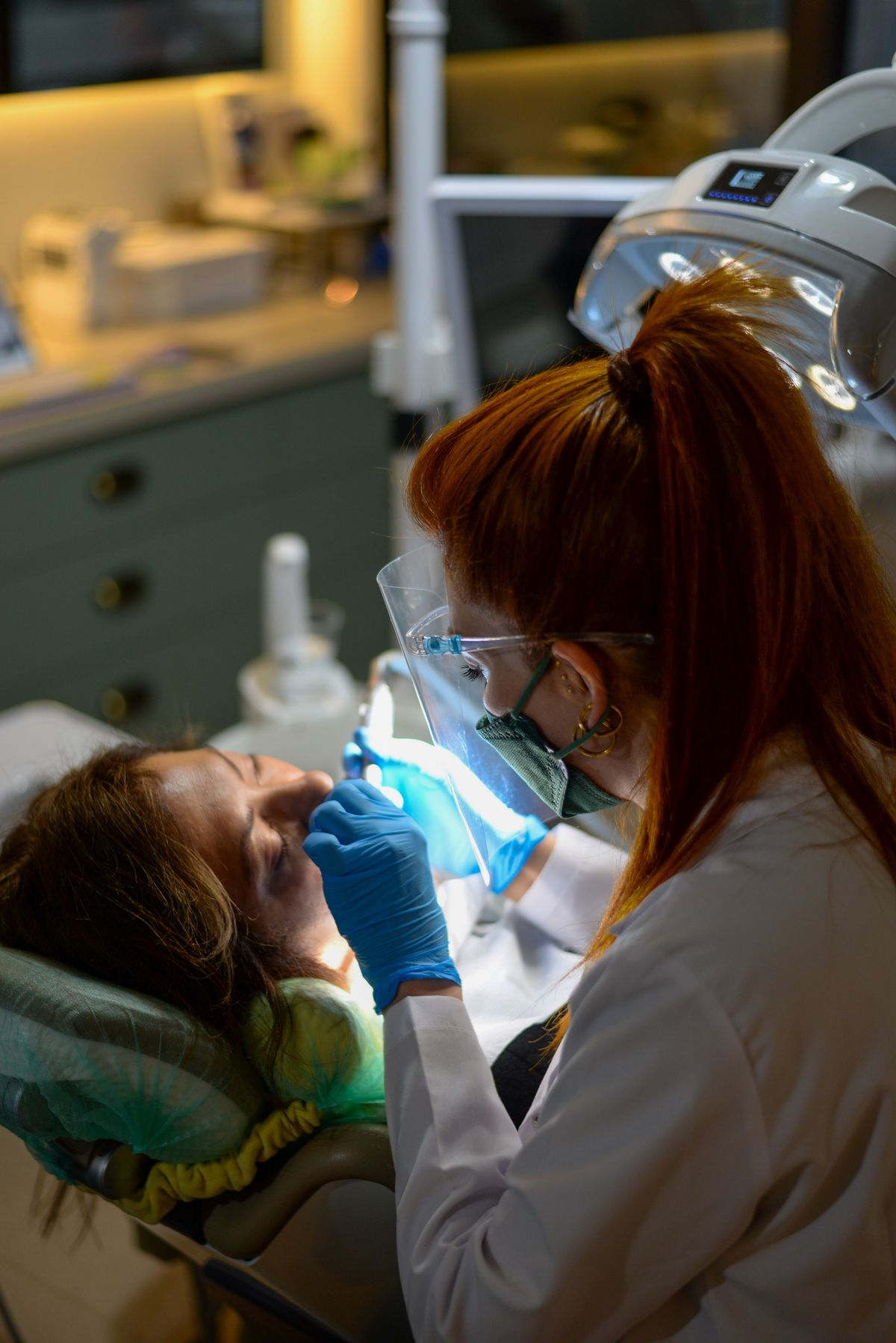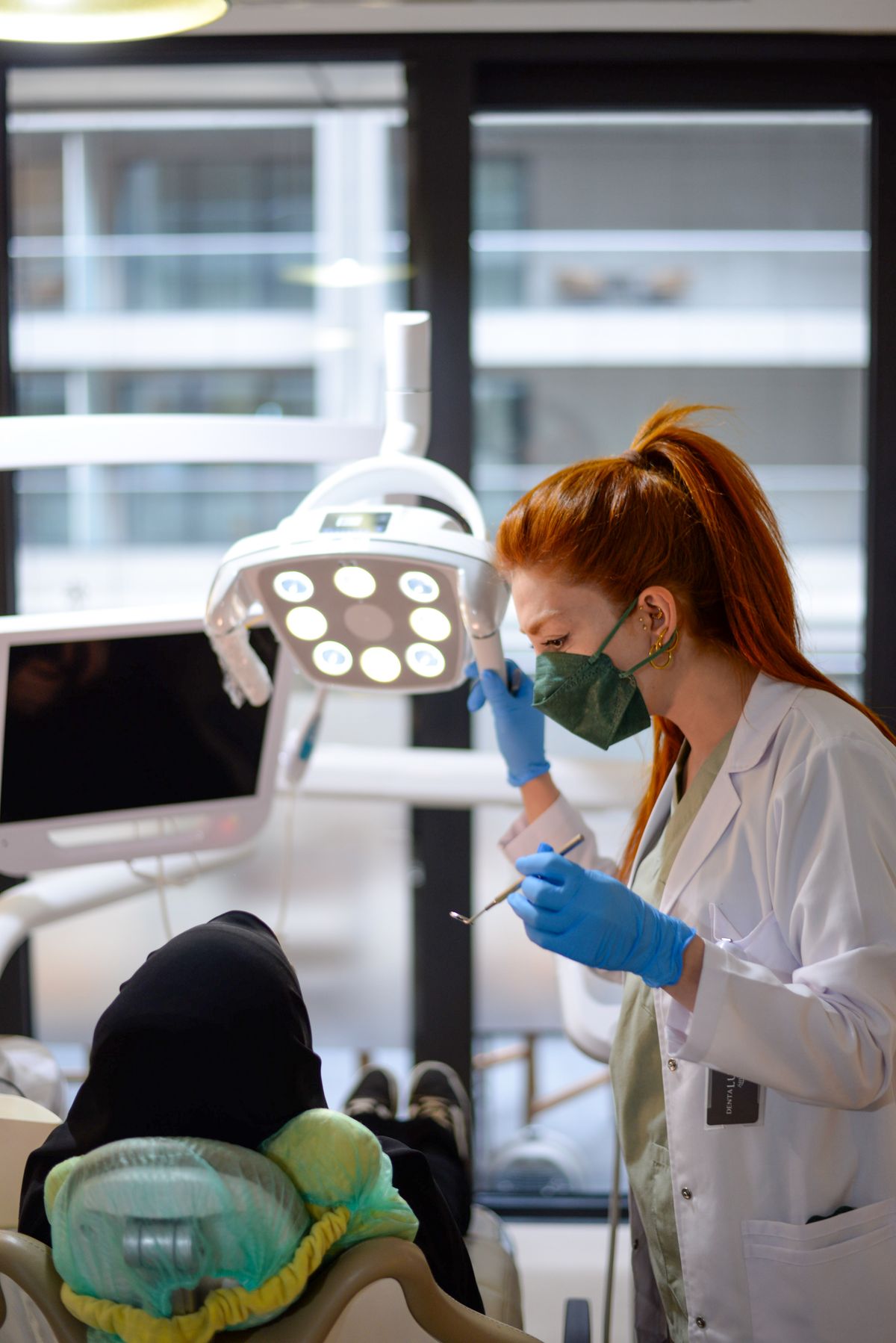
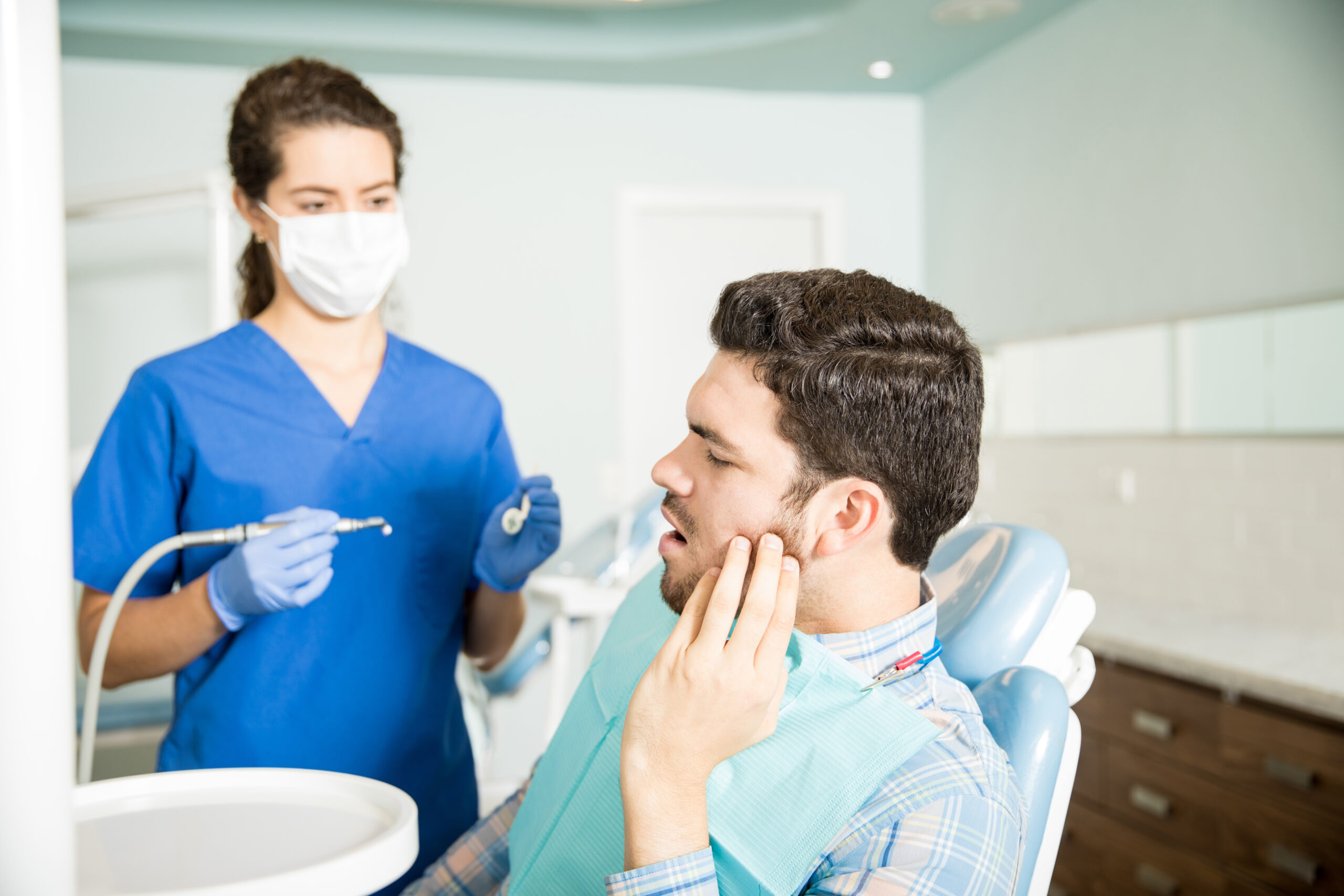
An emergency dental visit is a same-day or urgent appointment used to treat sudden pain, trauma, swelling, or bleeding that cannot wait for a routine checkup. Most dental emergencies are treatable and not life-threatening, though a small number, such as facial swelling that affects breathing or swallowing, require immediate medical attention rather than a dental visit. If you are searching for a Dental Clinic that can see you quickly and calmly walk you through what comes next, this guide explains exactly what to expect.
It is completely normal to feel anxious when searching for a complete health dentistry clinic in Oakville that also offers advanced technology and sleep apnea services, especially in the middle of a dental crisis. A reliable Dentist in Oakville will prioritize your comfort first, explain findings in plain language, and never rush you into a decision you do not understand.
At Palermo Village Dental, emergency care is handled with the same complete health dentistry approach used in every appointment, looking at how the emergency connects to your broader oral and overall health rather than just patching the immediate problem. The practice is guided by a vision to help 10,000 people in Oakville become healthier within 10 years, and being available when patients need urgent care is part of that commitment.
The clinic also relies on advanced technology such as CEREC same-day crowns, the SOLEA laser, CBCT 3D imaging, MATRx Plus home sleep testing, and the SleepImage Ring, which can help diagnose the root cause of pain more accurately than a visual exam alone. Whether your visit falls under the Emergency Dental Clinic side of the practice or a follow-up covered by General Dentistry or Family Dentistry, the same careful approach applies. For questions before you arrive, the team can be reached at 647-584-0017 or info@palermovillagedental.com, and the office offers free on-site parking so you are not left circling the block while in pain.
What Counts as a Dental Emergency?
Not every ache is an emergency, but certain symptoms should never be ignored. A true dental emergency generally involves:
- Severe, persistent tooth pain
- A knocked-out, cracked, or broken tooth
- Uncontrolled bleeding in the mouth
- Facial swelling, especially if it spreads quickly
- A lost filling or crown that exposes sensitive tooth structure
- An abscess or visible infection near the gums
If swelling is affecting your ability to breathe or swallow, this is a medical emergency and you should seek immediate care at a hospital rather than waiting for a dental appointment.
Common vs Serious: How to Tell the Difference
| Symptom | Usually Common | May Be Serious |
| Mild sensitivity to cold | Yes | No |
| Sharp pain when biting down | Sometimes | Yes, if persistent |
| Small chip with no pain | Yes | No |
| Tooth knocked out completely | No | Yes |
| Swelling that spreads to the face or neck | No | Yes, urgent |
| Bleeding that does not stop after 10 minutes | No | Yes |
| Loose permanent tooth after an injury | No | Yes |
When in doubt, it is always safer to call and describe your symptoms rather than assume a problem will resolve on its own.
What to Expect at an Emergency Dental Visit
Emergency appointments follow a focused, efficient process designed to relieve pain quickly and get to the source of the problem:
- Immediate assessment – a quick review of your symptoms, pain level, and how the injury or issue happened
- Pain management – addressing discomfort first so you can be examined comfortably
- Diagnostic imaging – using digital X-rays or CBCT imaging to see beneath the surface when needed
- Clear explanation – discussing what is happening and what options are available
- Treatment or stabilization – repairing the tooth, treating infection, or stabilizing the area until a follow-up visit
- Aftercare instructions – guidance on what to do at home and when to return
This structure helps patients understand what is happening at every step, which reduces anxiety during an already stressful moment.
What To Do Before You Arrive
A few simple first-aid steps can make a real difference while you are on your way to the clinic:
- Knocked-out tooth: handle it by the crown, not the root, and keep it moist in milk or a tooth preservation solution if available
- Chipped or broken tooth: rinse gently with warm water and save any broken pieces if possible
- Bleeding: apply gentle pressure with a clean piece of gauze or cloth
- Swelling: a cold compress on the outside of the cheek can help reduce discomfort
- Lost filling or crown: avoid chewing on that side until you are seen
These steps are meant to stabilize the situation, not replace professional treatment, so contact the office as soon as possible after taking initial action.
Traditional Crowns vs CEREC Same-Day Crowns in an Emergency
When a tooth needs a crown after an emergency, timing matters.
Traditional Crowns
- Requires a follow-up appointment after the emergency visit
- A temporary crown protects the tooth in the meantime
- Final crown is made at an outside lab
CEREC Same-Day Crowns
- Can often be completed in one visit using digital scanning and in-office milling
- Reduces the number of appointments needed after an emergency
- Particularly useful for patients who want the situation fully resolved quickly
Both approaches use durable materials, but same-day technology can shorten the overall recovery timeline.
How Emergencies Connect to Overall Oral Health
Complete health dentistry looks beyond the immediate emergency to understand why it happened. A cracked tooth, for example, may point to untreated grinding, while recurring abscesses can be linked to gum disease that has been developing quietly for some time. Airway issues during sleep can also contribute to teeth grinding and enamel wear, which is why some emergency visits lead to a broader conversation about sleep and breathing patterns, not just the tooth in front of you.
This is also where sleep-related dental care becomes relevant for some patients. Programs such as Snoring and Sleep Apnea Treatment and Sleep Apnea Management use tools like the MATRx Plus home sleep test and SleepImage Ring to screen for airway issues that may be contributing to nighttime grinding or jaw pain.
Common Myths About Dental Emergencies and Technology
Myth: A knocked-out tooth can never be saved. In many cases, a tooth can be successfully re-implanted if you act quickly and seek care within a short window of time.
Myth: Emergency visits only involve basic tools. Many clinics now use digital imaging and same-day crown technology even during urgent appointments, allowing for faster and more precise treatment.
Myth: Jaw pain during an emergency is unrelated to sleep. Jaw pain can sometimes be connected to nighttime grinding linked to airway issues, which is why some emergency visits include a broader discussion about sleep health.
Choosing the Right Emergency Dental Clinic in Oakville
When comparing an emergency dental clinic in Oakville, look for:
- Same-day availability for urgent symptoms
- A team registered with the Royal College of Dental Surgeons of Ontario (RCDSO)
- Access to advanced imaging such as CBCT for accurate diagnosis
- A full range of follow-up services, from Dental Implants to Periodontal Care and TMJ Therapy
- A calm, clear communication style during a stressful situation
- Convenient location and parking, so you are not adding stress to an already urgent situation
Free on-site parking is available for patients visiting Suite #290, 2525 Old Bronte Rd, Oakville, ON L6M 4J2. The office is open Monday to Wednesday from 9 AM to 5 PM, Thursday from 9 AM to 6:30 PM, and Friday from 9 AM to 1 PM by appointment, with Saturday visits also available by appointment.
Once the emergency itself is resolved, many patients choose to address related cosmetic or restorative needs. Depending on what the visit reveals, this can include Dental Veneers,Teeth Whitening, Crowns and Bridges,Teeth Alignment, or Sedation Dentistry for those who feel anxious about follow-up procedures. For anyone who needs a fast, permanent repair, it is worth asking about CEREC Same-Day Crowns directly during the visit. When you need urgent care, you can Book Appointment online or find the practice on Palermo Village Dental on Google Maps for directions.
A Real Patient Scenario
Consider a patient who chips a tooth after biting into something hard and calls the office in pain. During the emergency visit, digital imaging reveals a hairline crack that had been developing for months, likely worsened by nighttime grinding. Rather than only repairing the visible chip, the conversation expands to include a nightguard and a discussion about sleep quality, which is a good example of how one urgent issue can uncover a longer-term pattern worth addressing.
Common Mistakes Patients Make During a Dental Emergency
- Waiting too long to call, hoping the pain will pass on its own
- Throwing away a knocked-out tooth instead of trying to preserve it
- Using aspirin directly on the gums, which can irritate soft tissue
- Assuming all dental emergencies require extraction
- Skipping the follow-up visit once the immediate pain is gone
Prevention and Maintenance Tips
- Wear a mouthguard during sports or contact activities
- Avoid chewing on ice, hard candy, or non-food objects
- Address teeth grinding early with a nightguard if recommended
- Keep up with regular checkups so small issues are caught before they become emergencies
- Mention any jaw pain, headaches, or snoring during routine visits, even if it seems unrelated to teeth
Safety Note
This information is intended for general awareness and basic first-aid guidance only. It is not a substitute for professional evaluation. Any suspected dental emergency should be assessed by a licensed dental professional as soon as possible, and any swelling that affects breathing or swallowing should be treated as a medical emergency.
Frequently Asked Questions
How quickly should I see a dentist after a dental emergency? As soon as possible. For a knocked-out tooth, being seen within 30 to 60 minutes gives the best chance of saving it, while other emergencies should still be addressed the same day if possible.
Is tooth pain always a sign of an emergency? Not always. Mild, brief sensitivity is often common, but sharp or persistent pain, especially with swelling, usually needs prompt evaluation.
Can a broken tooth be fixed in one visit? In many cases, yes, particularly when same-day crown technology is available, though the exact approach depends on the extent of the damage.
What should I do if I cannot get an appointment right away? Manage pain with a cold compress and avoid chewing on the affected side, then contact the office as soon as possible to be seen urgently.
Are dental emergencies ever connected to sleep problems? Sometimes. Nighttime grinding linked to airway issues can contribute to cracked teeth and jaw pain, which is why some emergency visits include a discussion about sleep health.
Conclusion
A dental emergency can feel overwhelming, but most situations are manageable with prompt, calm, professional care. Knowing what to expect and taking a few simple first-aid steps can protect your tooth and reduce stress while you wait to be seen. Addressing the underlying cause afterward helps prevent the same emergency from happening again.
Free on-site parking is available for patients visiting Suite #290, 2525 Old Bronte Rd, Oakville, ON L6M 4J2. The office is open Monday to Wednesday from 9 AM to 5 PM, Thursday from 9 AM to 6:30 PM, and Friday from 9 AM to 1 PM by appointment, with Saturday visits also available by appointment.