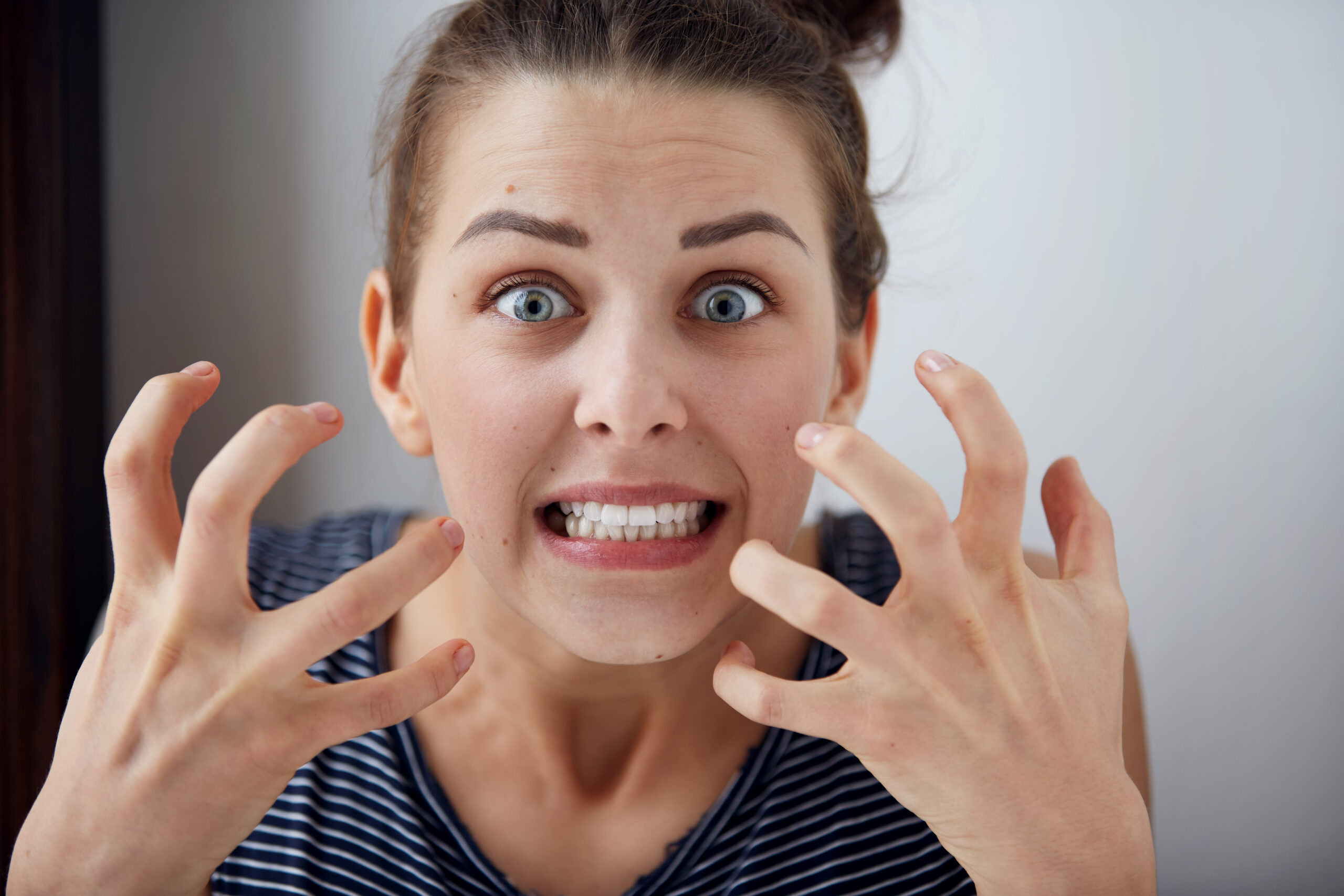
Teeth grinding, known clinically as bruxism, is the repeated clenching or grinding of teeth, often happening unconsciously during sleep. In most cases it is a common and manageable condition, though ongoing grinding can lead to worn enamel, jaw pain, or headaches if left unaddressed, and in some cases it signals a deeper sleep-related issue that needs proper evaluation. If you are looking for a Dental Clinic that looks at grinding as more than just a dental habit, this guide breaks down what causes it and how it connects to sleep.
It is common to feel unsure about where to turn when searching for a complete health dentistry clinic in Oakville that also understands the link between sleep and oral health. A good Dentist in Oakville will not just look at your teeth in isolation, but will ask about your sleep, stress levels, and breathing patterns before recommending a treatment plan.
At Palermo Village Dental, teeth grinding is evaluated through a complete health dentistry lens, connecting what happens in your mouth at night to your overall systemic wellness. The practice is guided by a vision to help 10,000 people in Oakville become healthier within 10 years, and understanding conditions like bruxism early is part of how that goal takes shape.
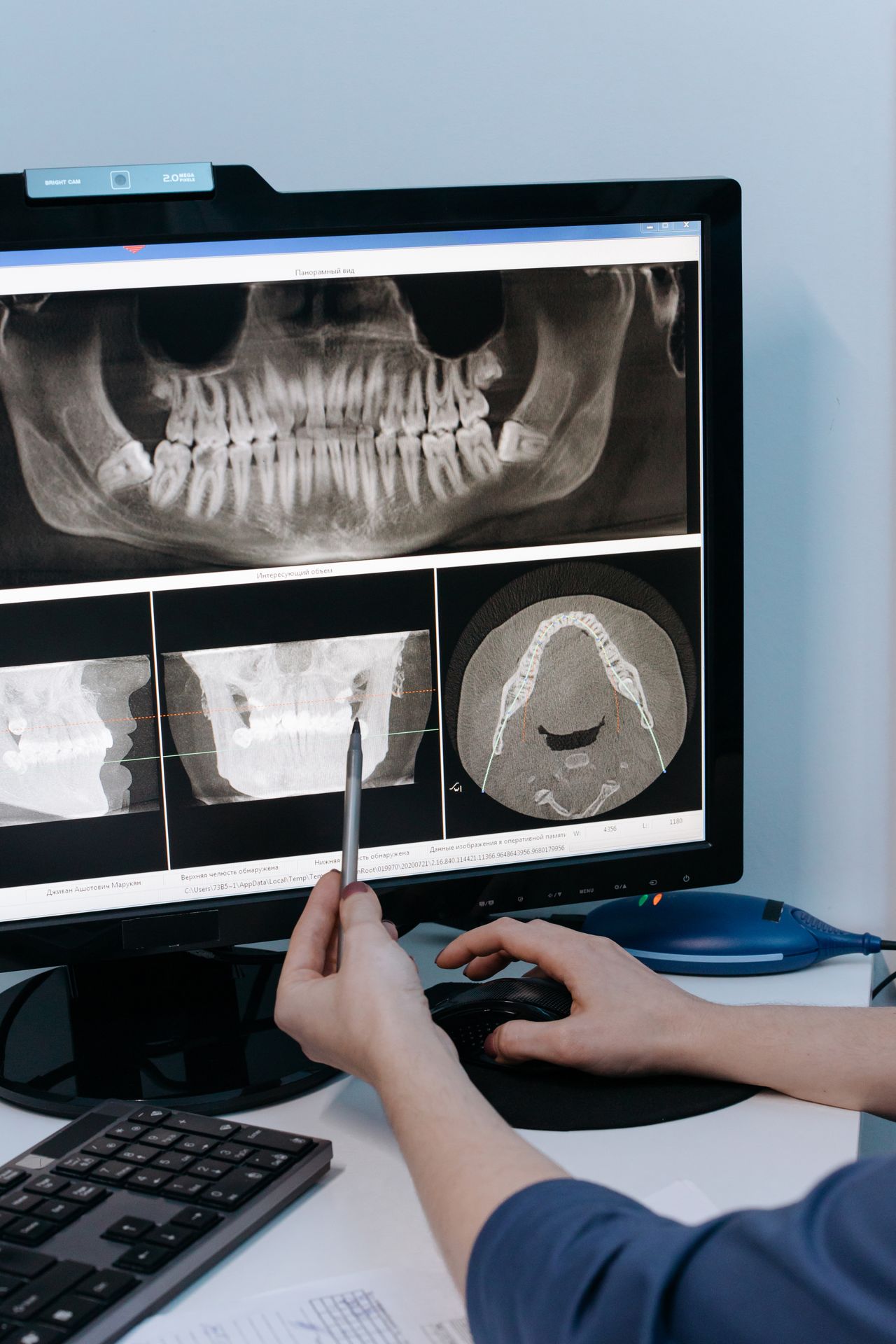
The clinic uses advanced technology such as CEREC same-day crowns, the SOLEA laser, CBCT 3D imaging, MATRx Plus home sleep testing, SleepImage Ring, and the Solea Sleep laser for snoring treatment, all of which help build a fuller picture of what may be driving nighttime grinding. Patients can also explore how General Dentistry and Family Dentistry checkups often catch early signs of bruxism before symptoms become noticeable. For questions before booking, the team can be reached at 647-584-0017 or info@palermovillagedental.com, and the office offers free on-site parking for added convenience.
What Is Teeth Grinding, Exactly?
Bruxism is the medical term for the involuntary clenching or grinding of teeth. It can happen while awake, often during stressful moments, or during sleep, when it is harder to notice and control. Sleep-related bruxism is particularly relevant because it is frequently tied to how well a person breathes at night.
There are two main types:
- Awake bruxism – often linked to stress, concentration, or anxiety
- Sleep bruxism – often linked to sleep quality, airway restriction, or interrupted breathing
Both types can wear down teeth over time, but sleep bruxism tends to be harder to catch early since it happens without conscious awareness.
Common vs Serious: How to Tell the Difference
| Sign | Usually Common | May Need Prompt Care |
| Occasional jaw tightness | Yes | No |
| Mild tooth sensitivity | Yes | Sometimes |
| Frequent morning headaches | Sometimes | Yes, if persistent |
| Visible flattening or wear on teeth | No | Yes |
| Cracked or chipped teeth | No | Yes |
| Loud snoring alongside grinding | No | Yes, worth screening |
| Waking up gasping or choking | No | Yes, urgent |
If grinding is paired with loud snoring or gasping during sleep, this combination is worth discussing with a dental professional rather than treating the grinding alone.
What Causes Teeth Grinding?
Several factors can contribute to bruxism, and often more than one is involved:
- Stress and anxiety – tension can show up physically, including in the jaw
- Misaligned bite – uneven pressure between upper and lower teeth
- Sleep-disordered breathing – airway restriction can trigger grinding as the body tries to reopen the airway
- Lifestyle factors – caffeine, alcohol, and certain medications can increase grinding frequency
- Underlying dental issues – untreated decay or an unstable bite can contribute to nighttime clenching
Understanding the root cause is important because treating the symptom without addressing the cause often leads to the grinding returning.
Signs You Should See a Dentist About Grinding
Consider booking a visit if you notice:
- Worn, flattened, or chipped teeth
- Increased tooth sensitivity, especially in the morning
- Frequent jaw soreness or clicking
- Regular headaches upon waking
- A partner mentioning that you grind or clench audibly at night
- Snoring or pauses in breathing during sleep
These symptoms are common enough that many people live with them for years before seeking care, but early evaluation can prevent more significant wear and tear.
How Teeth Grinding Connects to Sleep Issues
Sleep bruxism is often the body’s response to a partially blocked airway. When breathing becomes restricted during sleep, the jaw and tongue muscles may engage in an effort to reopen the airway, and this can present as grinding or clenching. This is one of the clearest examples of the complete health dentistry approach, since a dental symptom can point directly to a sleep and breathing concern.
This is where sleep-focused dental services become relevant. Programs such as Snoring and Sleep Apnea Treatment and Sleep Apnea Management use tools like the MATRx Plus home sleep test and SleepImage Ring to screen for airway issues that may be contributing to nighttime grinding, rather than treating the grinding as an isolated habit.
What Happens During a Grinding and Sleep Evaluation
A thorough evaluation generally follows these steps:
- Symptom review – discussing jaw pain, headaches, sleep quality, and any known snoring
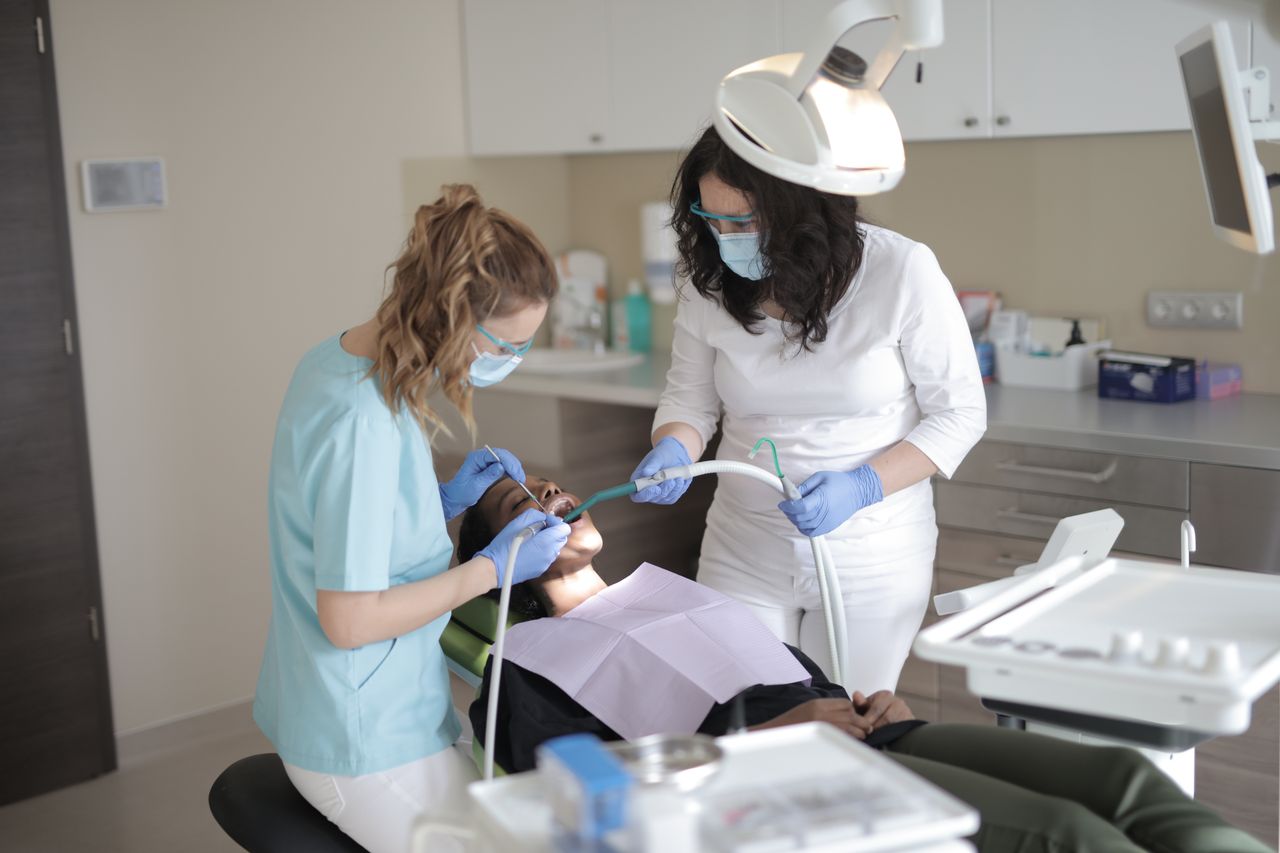
- Visual exam – checking for flattened, chipped, or worn teeth
- Bite assessment – identifying uneven pressure or alignment issues
- Sleep screening discussion – reviewing whether home sleep testing may be appropriate
- Personalized plan – which may include a nightguard, bite adjustment, or referral for further sleep evaluation
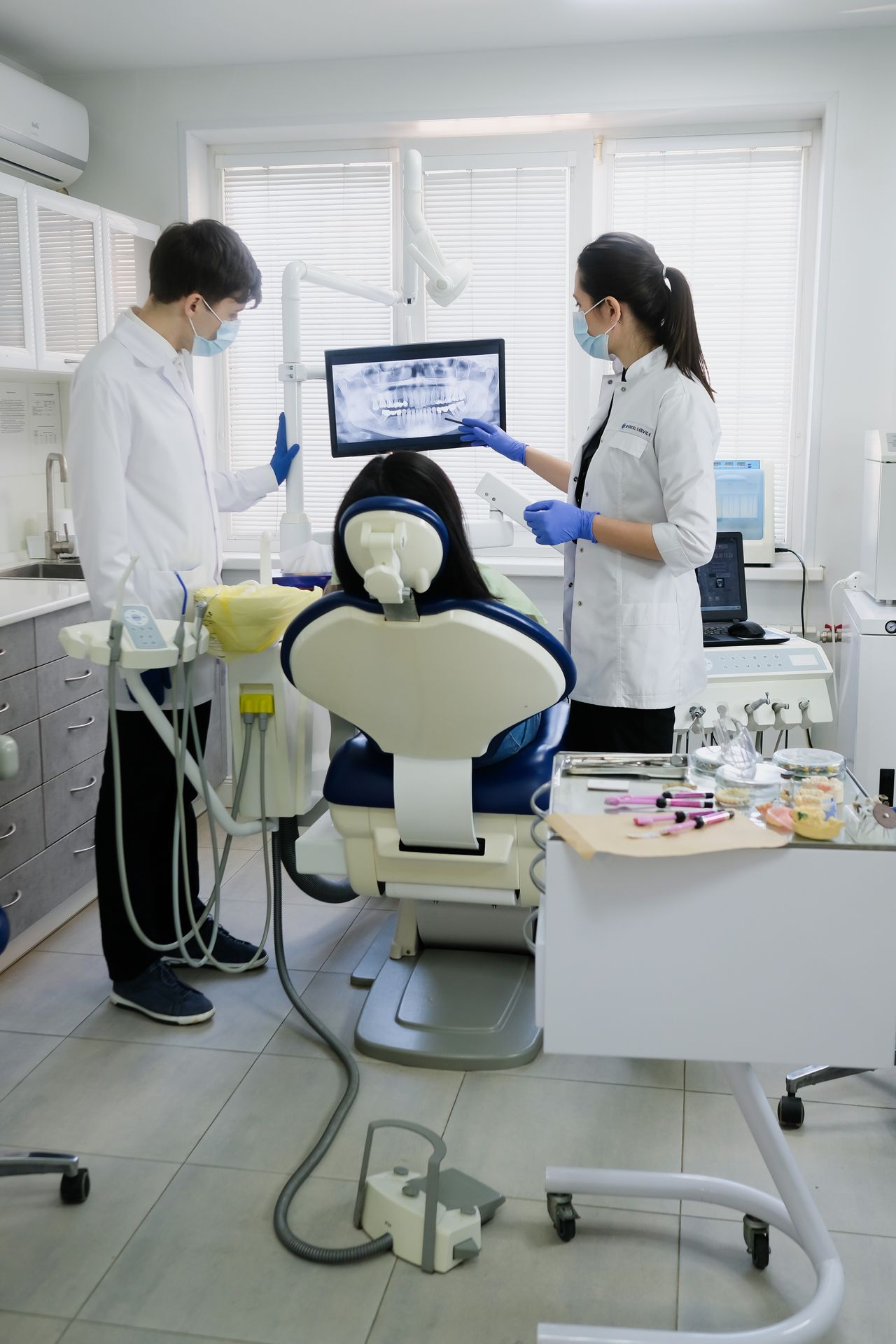
Patients are guided through each step so the reasoning behind any recommendation is always clear.
Traditional Crowns vs CEREC Same-Day Crowns for Grinding Damage
When grinding has caused significant wear, a crown may be recommended to protect the tooth.
Traditional Crowns
- Requires two visits, with a temporary crown worn in between
- Final crown is made at an outside lab
- A reliable option for extensive damage
CEREC Same-Day Crowns
- Completed in a single appointment using digital scanning and in-office milling
- No temporary crown required
- Convenient for patients who want the repair finished quickly
Both options provide durable protection, but the right choice depends on the extent of wear and the patient’s schedule.
Common Myths About Teeth Grinding and Technology
Myth: Teeth grinding is just a bad habit with no deeper cause. While stress can play a role, grinding is frequently linked to airway restriction during sleep, which is why a broader evaluation matters.
Myth: A nightguard is the only solution. A nightguard can protect teeth from further wear, but it does not address an underlying airway issue if one is present, which is why sleep screening is sometimes recommended alongside it.
Myth: Advanced dental technology is unnecessary for something as simple as grinding. Tools like CBCT imaging and home sleep testing devices can reveal contributing factors that a visual exam alone would miss.
Choosing the Right Dental Clinic in Oakville for Grinding and Sleep Concerns
When comparing a dental office in Oakville for this kind of evaluation, look for:
- A team that considers both dental and sleep-related causes of grinding
- Access to home sleep testing tools such as the MATRx Plus and SleepImage Ring
- A full range of related services, including Dental Implants, Periodontal Care, and TMJ Therapy
- Licensing with the Royal College of Dental Surgeons of Ontario (RCDSO)
- A clear, unhurried explanation of findings before any treatment begins
Free on-site parking is available for patients visiting Suite #290, 2525 Old Bronte Rd, Oakville, ON L6M 4J2. The office is open Monday to Wednesday from 9 AM to 5 PM, Thursday from 9 AM to 6:30 PM, and Friday from 9 AM to 1 PM by appointment, with Saturday visits also available by appointment.
If grinding has already caused visible damage, treatment may also involve Dental Veneers,Teeth Whitening,Crowns and Bridges, or Teeth Alignment to restore both function and appearance. Patients who feel anxious about dental visits can also ask about Sedation Dentistry, and those interested in fast repairs can inquire about CEREC Same-Day Crowns. Should an unrelated issue come up unexpectedly, the practice’s Emergency Dental Clinic services are also available. When you are ready, you can Book Appointment online or find the practice on Palermo Village Dental on Google Maps for directions.
A Real Patient Scenario
Consider a patient who visits for a routine checkup and mentions frequent morning headaches and jaw soreness. During the exam, the dentist notices flattened molars consistent with grinding and asks about sleep quality and snoring. This leads to a conversation about home sleep testing, which eventually identifies mild airway restriction as a contributing factor, something that would have gone unnoticed if the grinding had been treated as an isolated dental issue.
Common Mistakes Patients Make
- Assuming grinding is only caused by stress and ignoring other possible factors
- Waiting until teeth are visibly worn before seeking evaluation
- Using an over-the-counter nightguard without addressing the underlying cause
- Not mentioning snoring or breathing issues during a routine dental visit
- Skipping follow-up care after being fitted for a nightguard
Prevention and Maintenance Tips
- Practice stress-reduction techniques if awake clenching is an issue
- Avoid excessive caffeine or alcohol close to bedtime
- Sleep on your side if breathing issues are suspected, and discuss this with your dentist
- Keep up with regular checkups so early wear patterns are caught sooner
- Mention any jaw pain, headaches, or snoring during appointments, even if it seems unrelated to your teeth
Safety Note
Teeth grinding can range from a mild, occasional habit to a sign of a more significant sleep-related condition. This information is for general awareness only and is not a substitute for a professional evaluation. Any suspected connection between grinding and sleep-disordered breathing should be assessed and, where appropriate, followed up with a licensed dental professional or physician.
Frequently Asked Questions
Is teeth grinding always related to sleep apnea? No. Grinding can be caused by stress, bite misalignment, or lifestyle factors, though it is sometimes connected to airway issues during sleep, which is why screening can be helpful.
Can children grind their teeth too? Yes. Grinding is common in children, especially as adult teeth come in, and it often resolves on its own, though it should still be monitored.
Will a nightguard stop grinding completely? A nightguard protects teeth from further damage, but it does not necessarily stop the grinding itself, especially if an underlying cause like airway restriction is not addressed.
How is sleep-related grinding diagnosed? It often starts with a dental exam and symptom review, followed by home sleep testing if airway involvement is suspected.
Can teeth grinding damage go away, or is it permanent? Existing wear on teeth does not reverse on its own, but further damage can be prevented once the underlying cause is identified and managed.
Conclusion
Teeth grinding is common, but it should never be dismissed as just a habit, especially when it happens during sleep. Understanding the connection between grinding, jaw health, and breathing patterns allows for treatment that addresses the real cause rather than just the symptoms. A proper evaluation can protect both your teeth and your overall sleep quality for the long term.
Free on-site parking is available for patients visiting Suite #290, 2525 Old Bronte Rd, Oakville, ON L6M 4J2. The office is open Monday to Wednesday from 9 AM to 5 PM, Thursday from 9 AM to 6:30 PM, and Friday from 9 AM to 1 PM by appointment, with Saturday visits also available by appointment.