Sleep apnea is a serious sleep disorder in which breathing repeatedly stops and starts during sleep, and it is closely linked to both oral health problems and broader conditions like heart disease and high blood pressure. Unlike a minor snore, untreated sleep apnea can have lasting health effects, which is why screening matters. If you or a loved one snores loudly or wakes up tired, learning about snoring and sleep apnea treatment is an important first step.
Many people are surprised to learn that a dentist can play a key role in identifying and managing sleep-disordered breathing. A whole-health dental clinic that offers sleep services can connect the dots between your mouth and your sleep quality.
Ongoing sleep apnea management helps patients breathe better, sleep more soundly, and protect their long-term health.
This kind of care fits naturally into the complete health approach at Palermo Village Dental, where oral health and overall wellness are treated together.
What Is Sleep Apnea?
Sleep apnea is a disorder in which the airway becomes blocked or the brain fails to signal the muscles to breathe during sleep. These interruptions can happen many times an hour, reducing oxygen levels and disrupting rest.
Common Types
- Obstructive sleep apnea: The most common type, caused by relaxed throat tissues blocking the airway.
- Central sleep apnea: Caused by the brain not sending proper signals to breathe.
- Mixed sleep apnea: A combination of both types.
How Sleep Apnea Affects Your Health
Sleep apnea does far more than disrupt rest. Left untreated, it can contribute to:
- High blood pressure and heart problems.
- Daytime fatigue and difficulty concentrating.
- Increased risk of accidents from drowsiness.
- Mood changes and irritability.
- Worsening of conditions like diabetes.
The Oral Health Connection
Your mouth can reveal signs of sleep-disordered breathing, which is why dentists are often the first to notice it. Oral signs and links include:
- Teeth grinding, which is common in people with sleep apnea.
- Dry mouth from breathing through the mouth at night.
- Worn or damaged teeth from clenching.
- A narrow airway visible during a dental exam.
Signs You May Have Sleep Apnea
- Loud, chronic snoring.
- Gasping or choking during sleep.
- Waking up with a dry mouth or headache.
- Excessive daytime sleepiness.
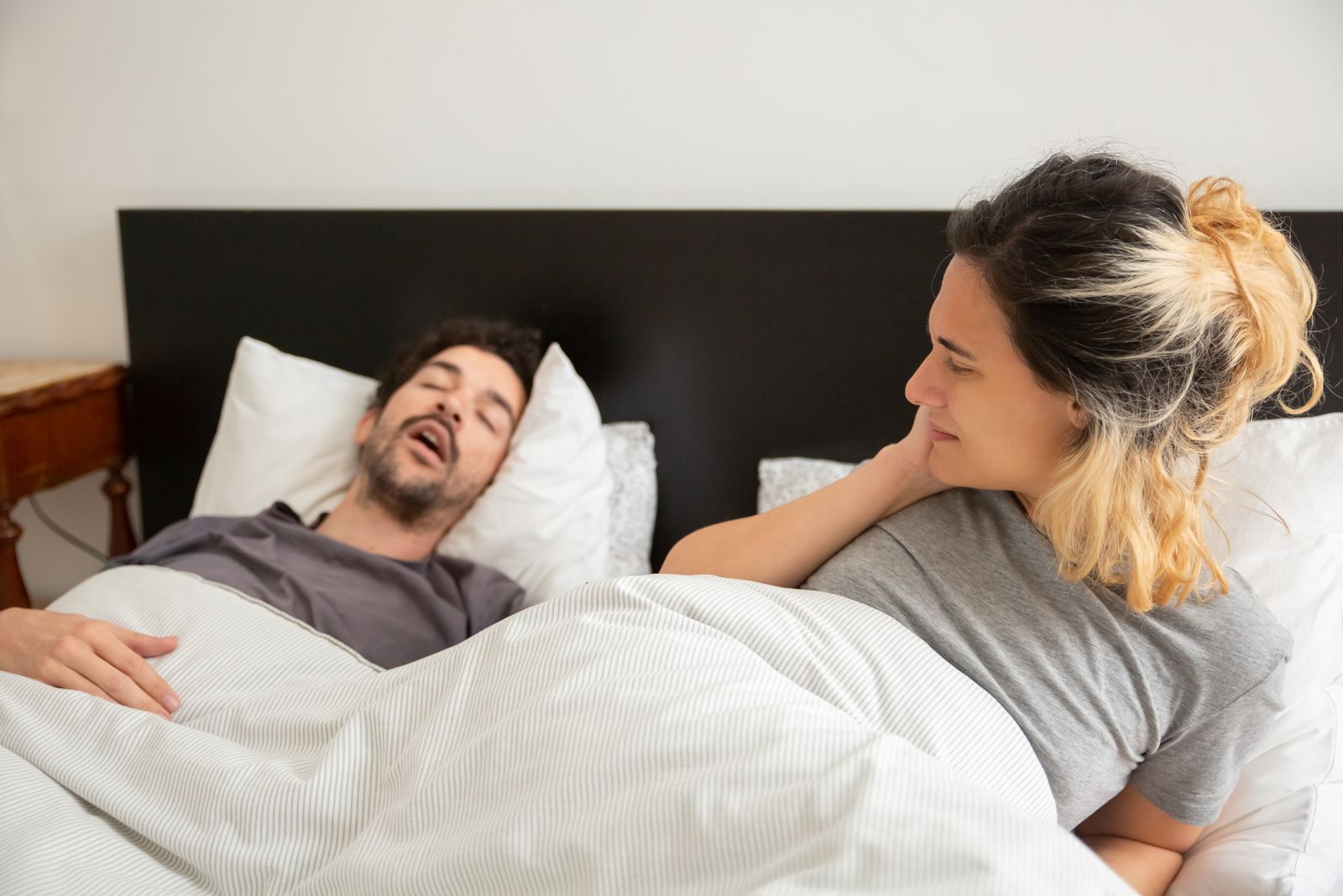
- A partner noticing pauses in your breathing.
If these sound familiar, a screening can help determine whether further evaluation is needed.
How Sleep Apnea Is Screened and Managed
Modern dental technology makes screening more convenient than ever. The process often follows these steps:
- Screening: The dentist reviews symptoms and oral signs.
- Home sleep testing: Convenient at-home devices gather data on your sleep.
- Diagnosis: Results are reviewed, often with a sleep physician when needed.
- Treatment: Options may include oral appliance therapy for suitable patients.
- Follow-up: Ongoing monitoring ensures treatment remains effective.
Palermo Village Dental uses advanced tools for this purpose, including MATRx Plus home sleep testing, the SleepImage Ring, and the Solea Sleep laser for snoring treatment.
Oral Appliance Therapy Versus CPAP
Two common approaches to managing sleep apnea are oral appliances and CPAP machines.
- Oral appliances are custom devices worn in the mouth to keep the airway open, often preferred for mild to moderate cases and for comfort.
- CPAP machines use air pressure to keep the airway open and are often recommended for more severe cases.
The right choice depends on the severity of your condition, and a proper evaluation is essential before starting any treatment.
Why Early Screening Matters
Catching sleep apnea early can prevent complications and improve quality of life. Better sleep supports heart health, mental clarity, mood, and overall wellness. A dental screening is a simple, low-pressure way to begin.
A Whole-Health Practice in Oakville
Palermo Village Dental is one of the best dental clinics in Oakville, with a vision to make 10,000 people in Oakville healthier within 10 years. The practice specializes in complete health dentistry, connecting oral health to overall systemic wellness, and offers sleep apnea screening and management alongside full dental services. It is located at Suite #290, 2525 Old Bronte Rd, Oakville, ON L6M 4J2, with free on-site parking available.
Clinic hours are Monday to Wednesday from 9 AM to 5 PM, Thursday from 9 AM to 6:30 PM, Friday from 9 AM to 1 PM by appointment, and Saturday by appointment. To ask about sleep apnea screening, reach the team at 647-584-0017 or info@palermovillagedental.com, and you can book through the clinic’s appointment page.
Common Myths About Sleep Apnea
Myth 1: Snoring Is Always Harmless
Loud, chronic snoring can be a sign of sleep apnea. It is worth screening to rule out a more serious condition.
Myth 2: Only Older Adults Get Sleep Apnea
Sleep apnea can affect people of many ages, including younger adults and children. Risk factors vary widely.
Myth 3: A Dentist Cannot Help With Sleep Issues
Dentists can screen for signs of sleep-disordered breathing and provide oral appliance therapy as part of a care team.
Choosing a Licensed Dental Professional
Sleep apnea care from a dental perspective should be provided by a dentist licensed and registered with the Royal College of Dental Surgeons of Ontario (RCDSO). This confirms your provider meets strict standards for training and safety. Proper diagnosis, often in collaboration with a physician, and ongoing follow-up are essential for effective, safe treatment.
Frequently Asked Questions
Can a dentist diagnose sleep apnea?
Dentists can screen for signs and arrange home sleep testing. A formal diagnosis often involves a sleep physician working with the dental team.
What is oral appliance therapy?
It is a custom device worn in the mouth during sleep to keep the airway open, often used for mild to moderate sleep apnea.
Is home sleep testing accurate?
Modern home sleep tests provide reliable data for many patients and offer a convenient alternative to lab-based studies.
Does sleep apnea affect my teeth?
It can. Grinding, dry mouth, and worn teeth are common in people with sleep-disordered breathing.
How do I get started with screening?
Simply book a visit and share your symptoms. The dental team will guide you through the screening process.
Conclusion
Sleep apnea affects both your oral health and your overall wellbeing, so early screening is important. A dentist can help identify the signs and offer solutions that improve your sleep and health. Connect with a trusted local dental team to take the first step toward better rest.