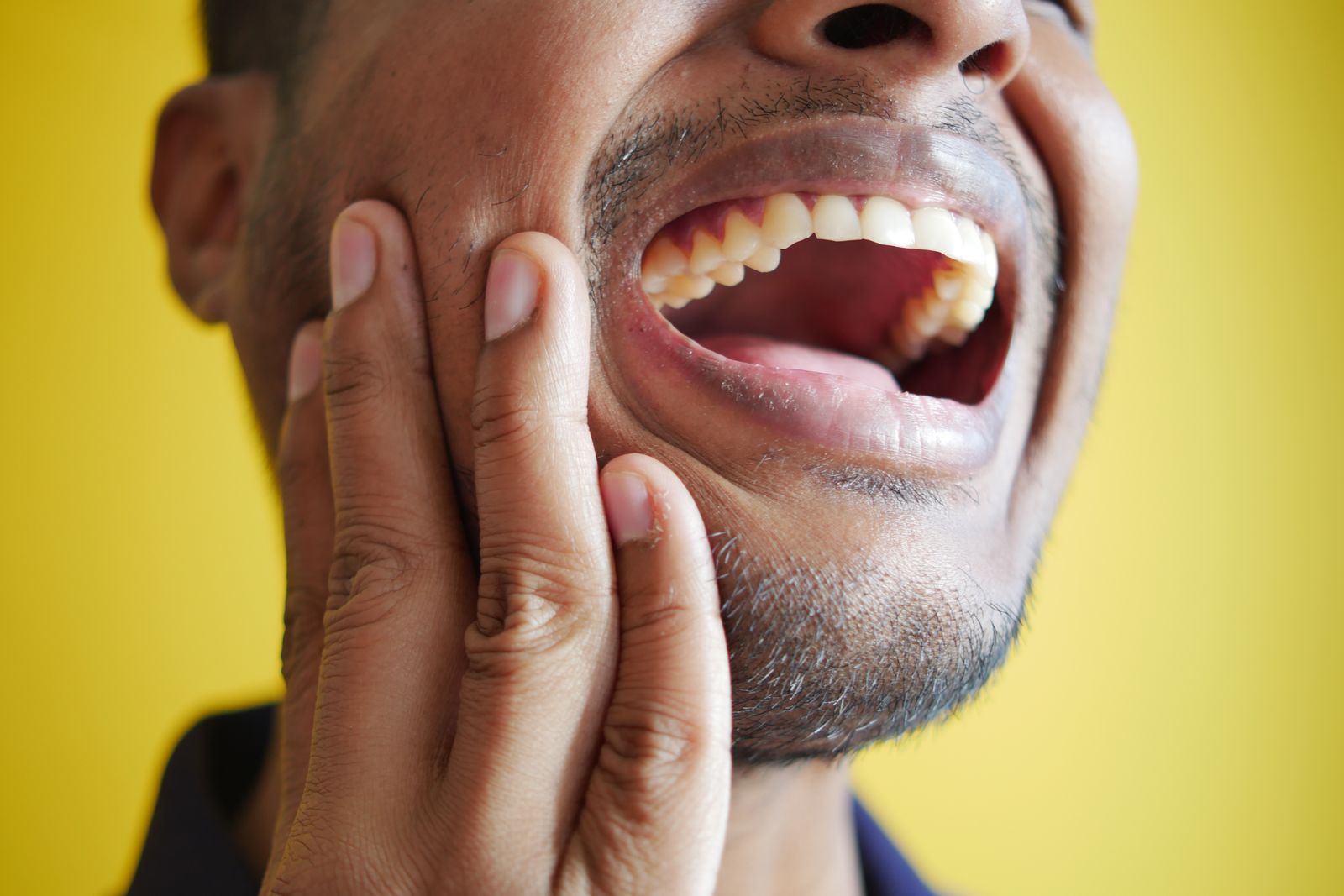
Jaw pain when chewing is most often caused by a temporomandibular disorder (TMD), which means strain or inflammation in the jaw joint and chewing muscles, usually linked to clenching, grinding or a bite that doesn’t meet evenly. It’s common and often temporary, but jaw pain that keeps coming back, locks, or comes with swelling or tooth pain should be assessed, and TMJ therapy can relieve it without surgery in most cases.
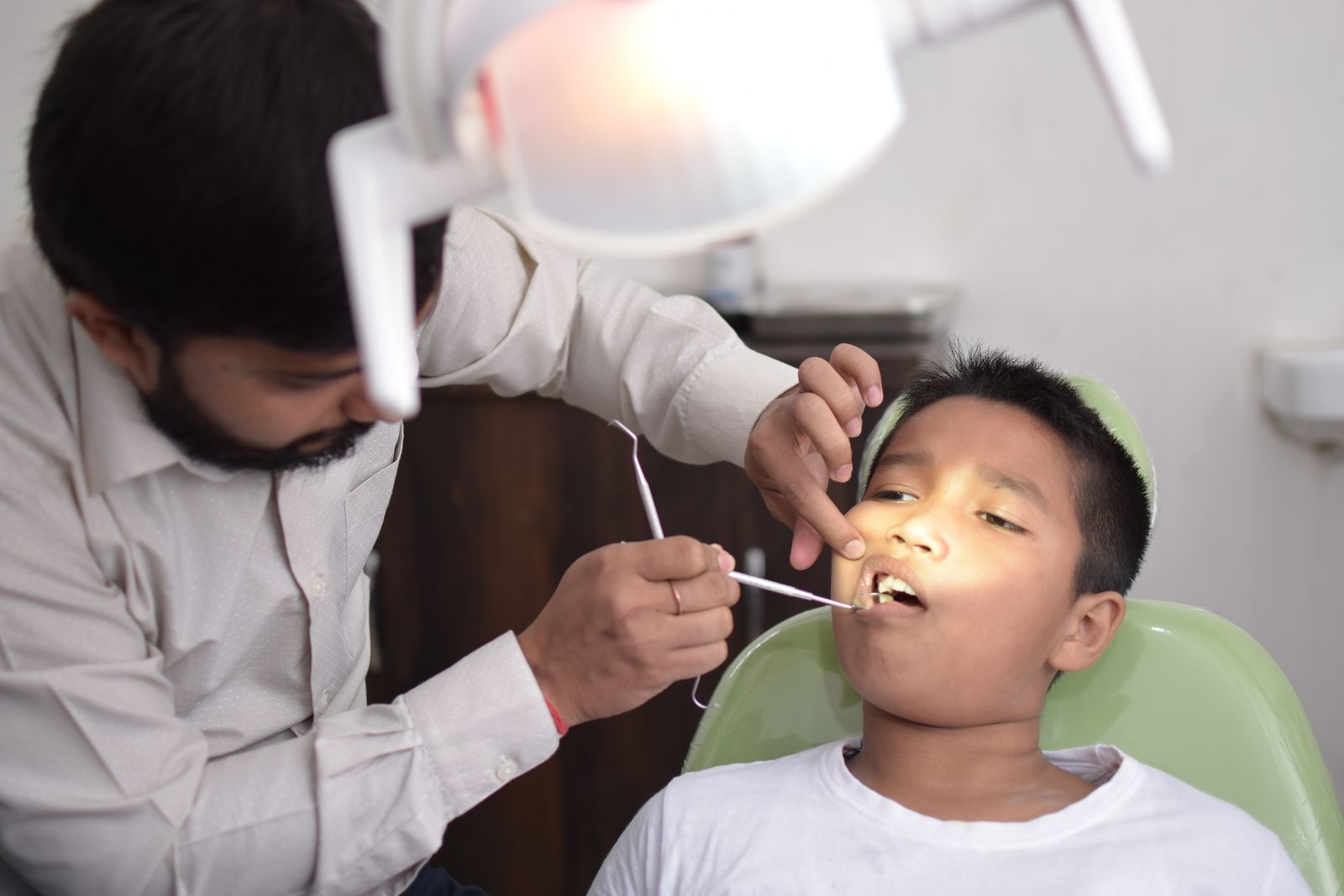
Dental causes are on the list too. A cracked molar, an abscess, a high filling or an impacted wisdom tooth can all make chewing hurt in a way that feels like it’s coming from the jaw. That’s why finding the right dental clinic with good imaging matters more than guessing.
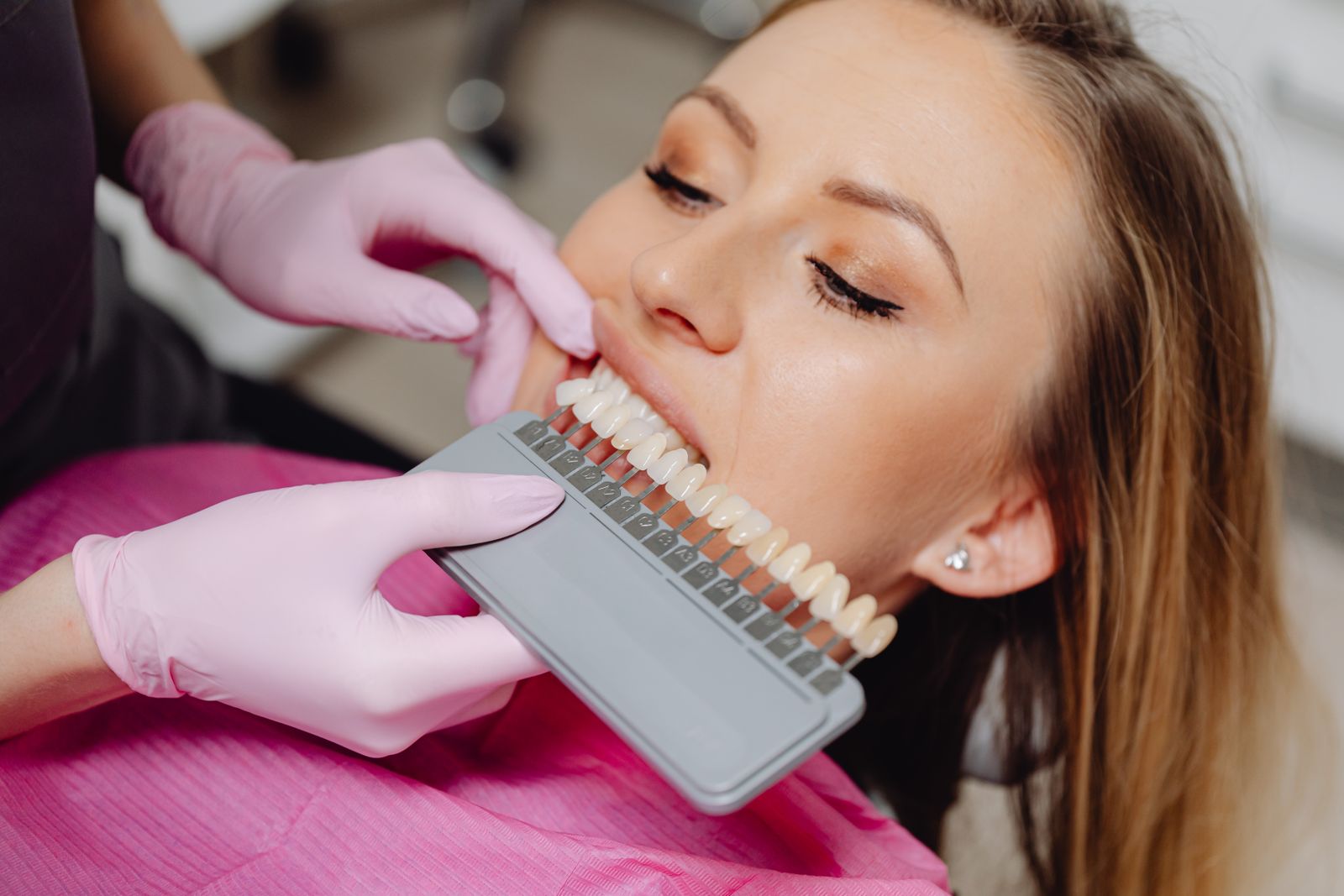
Some people worry that a TMJ problem means years of appointments or surgery. Most don’t. And when worn or broken teeth are throwing the bite off, rebuilding them with crowns and bridges can take load off the joint.
If chewing pain is sudden and severe, with facial swelling or a fever, that’s a case for an emergency dental clinic rather than waiting. And because gum infections around a back tooth can also hurt on chewing, periodontal care is sometimes part of the answer.
What is TMD?
Your temporomandibular joints (TMJs) connect your lower jaw to your skull, just in front of each ear. They’re among the most used joints in the body, working every time you chew, speak, yawn or swallow.
Temporomandibular disorders (TMD) is the umbrella term for problems with those joints and the muscles that move them. People often say “TMJ” when they mean TMD.
TMD falls into three broad groups:
- Muscle pain (myofascial pain): the most common type; tired, tight, sore chewing muscles
- Joint derangement: the small cartilage disc inside the joint slips, causing clicking or locking
- Joint inflammation or arthritis: wear or inflammation of the joint surfaces
Common causes of jaw pain when chewing
Clenching and grinding (bruxism)
Many people grind at night without knowing. The chewing muscles work overtime and wake up sore. Daytime clenching, often during stress or concentration, does the same.
Sleep-disordered breathing
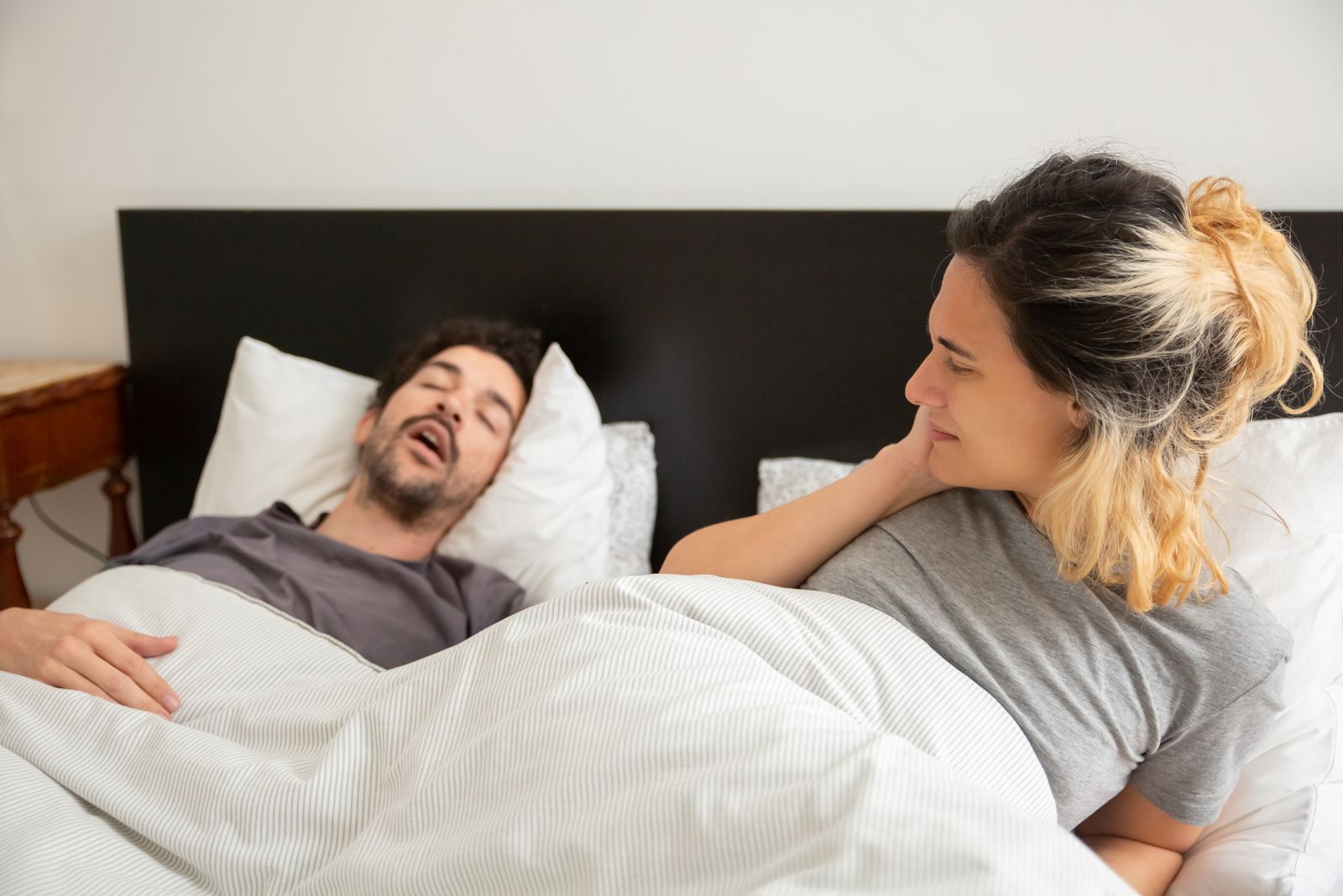
Grinding is sometimes the body’s way of pushing the jaw forward to open a narrowing airway during sleep. Treating the airway can reduce the grinding, which is one reason complete health dentistry looks at sleep and jaws together.
Bite problems
Missing teeth, a high filling, worn teeth or a new crown that hits first can make the jaw work harder.
Dental problems
- Cracked tooth: sharp pain when biting or releasing
- Abscess: throbbing, swelling, tender to touch
- Pericoronitis around a wisdom tooth: pain at the back of the jaw, trouble opening
- Gum infection: localised tenderness and swelling
Injury and posture
A blow to the jaw, whiplash or long hours with your head forward over a screen can strain the jaw and neck muscles.
Arthritis
Osteoarthritis and rheumatoid arthritis can affect the TMJs, often causing grinding sounds and stiffness.
TMD vs tooth problem: how to tell
| Points to TMD | Points to a tooth problem |
|---|---|
| Dull ache in front of the ear or temple | Sharp pain in one tooth |
| Pain on both sides or shifting sides | Pain always on one spot |
| Clicking, popping or locking | Sensitivity to hot, cold or sweet |
| Worse in the morning or after long chewing | Worse when biting on that tooth |
| Headaches, ear fullness, neck tension | Swelling or a bump on the gum |
Many people have a mix, which is why a full exam matters.
Signs you should see a dentist about jaw pain
- Pain lasting more than 1 to 2 weeks
- Your jaw locks open or closed, even briefly
- You can’t open your mouth as wide as usual
- Clicking that’s now painful
- Morning headaches or worn, chipped teeth
- Tooth pain or swelling along with jaw pain
Seek urgent care if jaw pain comes with chest pain, shortness of breath or pain spreading into the arm, as jaw pain can occasionally be a sign of a heart problem. Also seek urgent care for facial swelling with fever or trouble swallowing.
What to expect at your first visit
- History. When the pain started, what makes it better or worse, sleep quality, stress and habits.
- Muscle and joint exam. Gentle pressure on chewing muscles, measuring how wide you can open, listening for joint sounds.
- Tooth and bite exam. Looking for cracks, wear and uneven contacts.
- Imaging. Digital X-rays, and CBCT 3D imaging if the joint itself needs a closer look.
- Sleep screening. Questions about snoring and tiredness, since grinding and airway issues are often linked.
- A clear plan. Starting with the simplest, most reversible steps.
How jaw pain is treated
Self-care first
- Soft foods for 1 to 2 weeks; cut food small
- Avoid gum, tough meat, bagels and wide yawns
- Warm compresses for muscle tightness; cold for sharp joint pain
- Over-the-counter anti-inflammatories for short-term relief, following the label
- Notice daytime clenching: lips together, teeth apart, tongue resting on the roof of the mouth
Simple jaw exercises
Ask your dentist first if your jaw locks. For general muscle tightness, these gentle exercises often help when done twice a day:
- Relaxed jaw: Rest your tongue on the roof of your mouth behind your front teeth and let your teeth come apart. Hold for 30 seconds.
- Controlled opening: With your tongue in the same spot, slowly open and close your mouth 6 to 10 times without clicking.
- Chin tucks: Pull your chin straight back, like making a double chin, and hold for 5 seconds. Repeat 10 times to ease neck strain.
- Gentle massage: Rub small circles over the cheek muscles and temples for a minute or two.
Stop if anything causes sharp pain.
Custom oral appliance
A professionally made night guard or splint reduces grinding force and lets the muscles relax. Over-the-counter guards can make some people clench harder, so custom is usually better.
Physiotherapy and jaw exercises
Gentle stretching and posture work help many people.
Laser therapy
Low-level laser therapy is sometimes used to ease muscle pain. Evidence is mixed, so it’s best used alongside other treatment.
Restoring the bite
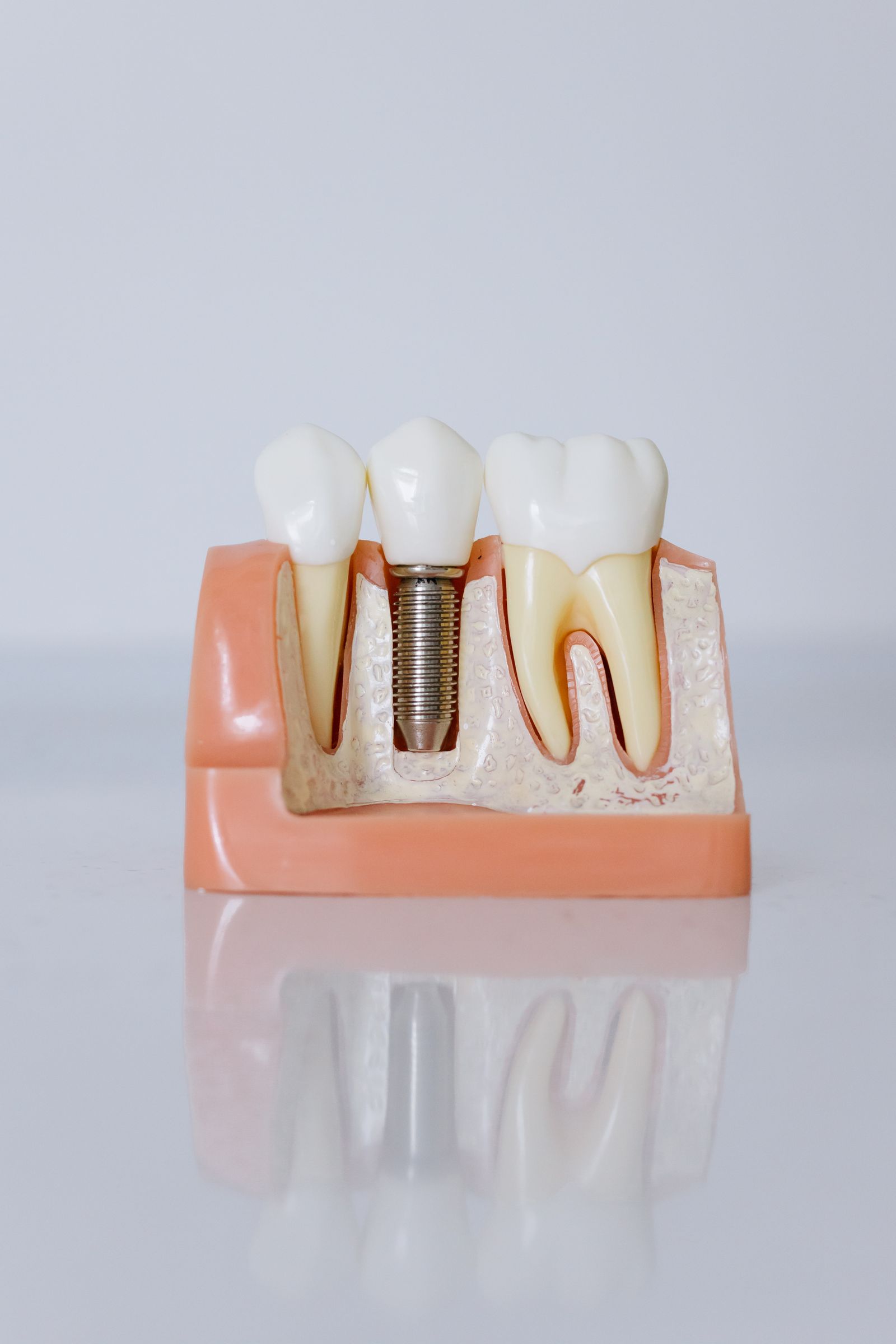
Fixing a cracked tooth, adjusting a high filling or replacing missing teeth with crowns, bridges or implants can rebalance how forces land.
Treating sleep apnea
If grinding is tied to airway problems, treating the airway can reduce jaw strain.
CEREC same-day crowns vs traditional crowns
If a cracked tooth is part of your jaw pain, a crown often fixes it.
| Traditional crown | CEREC same-day crown | |
|---|---|---|
| Appointments | 2, about 2 weeks apart | 1 |
| Temporary crown | Yes | None |
| Impressions | Putty | Digital scan |
| Extra jaw-open time | Spread over 2 visits | One longer visit with breaks |
For people with sore jaws, one visit with breaks often feels easier than two visits plus a temporary that might loosen.
The complete health side of jaw pain
Jaw pain rarely lives in isolation. Chronic TMD is linked with poor sleep, headaches, neck pain and stress, and those feed each other. Sleep apnea, grinding, cracked teeth and jaw pain often show up together in the same patient.
That’s why a complete health dentistry approach looks at your sleep, airway, bite and teeth as one connected system. Fixing one piece without the others often leads to the problem coming back.
Myths about jaw pain
“Clicking always means something’s wrong.”
Painless clicking is common and often needs no treatment. Clicking with pain or locking deserves a look.
“TMJ problems need surgery.”
Most TMD improves with conservative care. Surgery is reserved for a small number of specific joint problems.
“Any mouthguard will do.”
Soft store-bought guards can sometimes increase clenching. A custom appliance is designed for your bite.
“Jaw pain is always dental.”
Ear infections, sinus issues, nerve pain and occasionally heart problems can show up as jaw pain.
Real patient scenarios
A 34-year-old accountant had jaw pain every tax season. Her chewing muscles were tender and her teeth showed wear. A custom night guard and daytime awareness of clenching made a big difference within a month.
A 51-year-old thought he had TMJ. The exam found a cracked lower molar. A CEREC crown fixed the pain in one visit.
A 45-year-old with morning jaw pain and heavy snoring had a home sleep test that showed sleep apnea. Treating it reduced her grinding and jaw soreness.
Common mistakes
- Waiting months, hoping it’ll go away
- Chewing gum “to exercise” a sore jaw
- Relying on painkillers without finding the cause
- Buying a boil-and-bite guard without an exam
- Ignoring snoring and tiredness that may be linked
Prevention and maintenance tips
- Keep teeth apart when you’re not eating
- Take breaks from screens and check your posture
- Cut down on caffeine and alcohol, which can increase clenching
- Wear your night guard every night if prescribed
- Book regular checkups so wear and cracks are caught early
Choosing a dentist in Oakville for jaw pain
Look for a dentist who examines muscles and joints, uses 3D imaging when needed, screens for sleep issues, and starts with reversible care. Your dentist should be registered with the Royal College of Dental Surgeons of Ontario (RCDSO).
Palermo Village Dental is one of the best dental clinics in Oakville, with a vision to make 10,000 people in Oakville healthier within 10 years. As a dentist in Oakville focused on complete health dentistry, the team connects jaw, sleep and oral health to overall wellness.
Technology includes CEREC same-day crowns, the SOLEA laser, CBCT imaging, MATRx Plus home sleep testing, the SleepImage Ring and Solea Sleep laser therapy for snoring, alongside sleep apnea screening and management and full general, cosmetic, restorative, implant and emergency care.
Visit Suite #290, 2525 Old Bronte Rd, Oakville, ON L6M 4J2, with free on-site parking. Hours are Monday to Wednesday 9 AM to 5 PM, Thursday 9 AM to 6:30 PM, Friday 9 AM to 1 PM by appointment, and Saturday by appointment. Call 647-584-0017 or email info@palermovillagedental.com.
Frequently asked questions
Can stress cause jaw pain when chewing?
Yes. Stress often leads to clenching and grinding, which overworks the chewing muscles and joints. Managing stress and wearing a night guard can help.
How long does TMD pain last?
Many flare-ups settle within a few weeks with self-care. Ongoing or recurring pain usually improves with a custom appliance and addressing the cause.
Can a bad bite cause jaw pain?
It can contribute, especially after new dental work or tooth loss. A bite check can find contacts that put extra strain on the jaw.
Should I see a doctor or a dentist for jaw pain?
A dentist is usually the best first stop, since teeth, bite and jaw joints are their specialty. If symptoms suggest a medical cause, your dentist will refer you.
Is jaw pain linked to sleep apnea?
Often, yes. Grinding during sleep can be linked to airway narrowing, and many people with sleep apnea also have jaw pain or worn teeth.
Conclusion
Jaw pain when chewing usually comes from overworked jaw muscles and joints, but a cracked or infected tooth can feel the same.
A proper exam with imaging separates the two and points to the simplest effective treatment.
Most people get lasting relief with conservative care, especially when sleep and bite issues are addressed together.