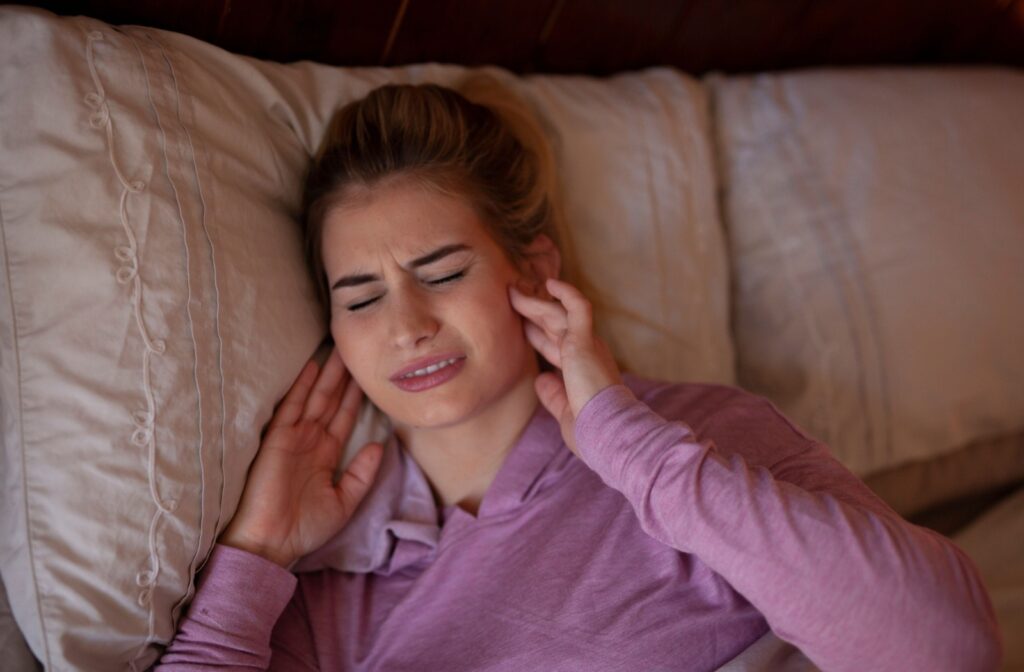
You toss and turn at night, wake up with jaw pain, and your partner complains about your snoring. When both TMJ and sleep apnea disrupt your life, you might wonder if one condition causes the other.
While TMJ doesn’t directly cause sleep apnea, the two conditions share important connections that can significantly impact your sleep quality and overall health.
At Palermo Village Dental, we frequently see patients dealing with both of these conditions. Our comprehensive approach to TMJ therapy helps address these interconnected concerns.
TMJ & Sleep Apnea: What You Need to Know
TMJ affects the joint that connects your jaw to your skull, while sleep apnea involves repeated breathing interruptions during sleep. These conditions often appear together because they both involve the positioning of your jaw and surrounding muscles.
When you have both conditions, they can exacerbate each other. Poor sleep from sleep apnea can increase muscle tension that worsens TMJ symptoms, while jaw pain from TMJ can make it harder to get comfortable with sleep apnea treatments. This is why it’s important to manage or cure TMJ disorder.
How TMJ & Sleep Apnea Connect
Shared Risk Factors
Both conditions share several risk factors:
- Jaw positioning problems that affect airway space
- Muscle tension in your face, neck, and throat
- Sleep disruption patterns that affect muscle recovery
- Teeth grinding or clenching during sleep
Why They Often Occur Together
Your jaw position directly affects the space in your airway. When TMJ causes changes in how your jaw sits, this can narrow breathing passages, exacerbating sleep apnea. Research shows that TMJ disorders affect jaw positioning and can influence breathing patterns during sleep.
Both conditions can also create a cycle of poor sleep and increased muscle tension. This means treating one condition often helps improve symptoms of the other.
Signs You Might Have TMJ
TMJ symptoms can range from mild discomfort to severe pain that affects your daily activities. Many people don’t realize their symptoms are connected to jaw joint problems.
Here are the common symptoms of TMJ:
- Jaw pain or tenderness, especially when chewing
- Clicking or popping sounds when you open your mouth
- Difficulty opening your mouth wide or chewing
- Face, neck, or shoulder pain
- Headaches, particularly in the morning
- Ear pain or ringing without an ear infection
Common Sleep Apnea Symptoms to Watch For
Sleep apnea symptoms often develop gradually, making them easy to dismiss as normal aging or stress. Your sleeping partner might notice some symptoms before you do.
Common symptoms of sleep apnea include:
- Loud snoring that disrupts sleep
- Gasping or choking sounds during sleep
- Morning headaches that fade during the day
- Daytime fatigue despite sleeping all night
- Difficulty concentrating or remembering things
- Dry mouth when you wake up
Treatment Options for TMJ
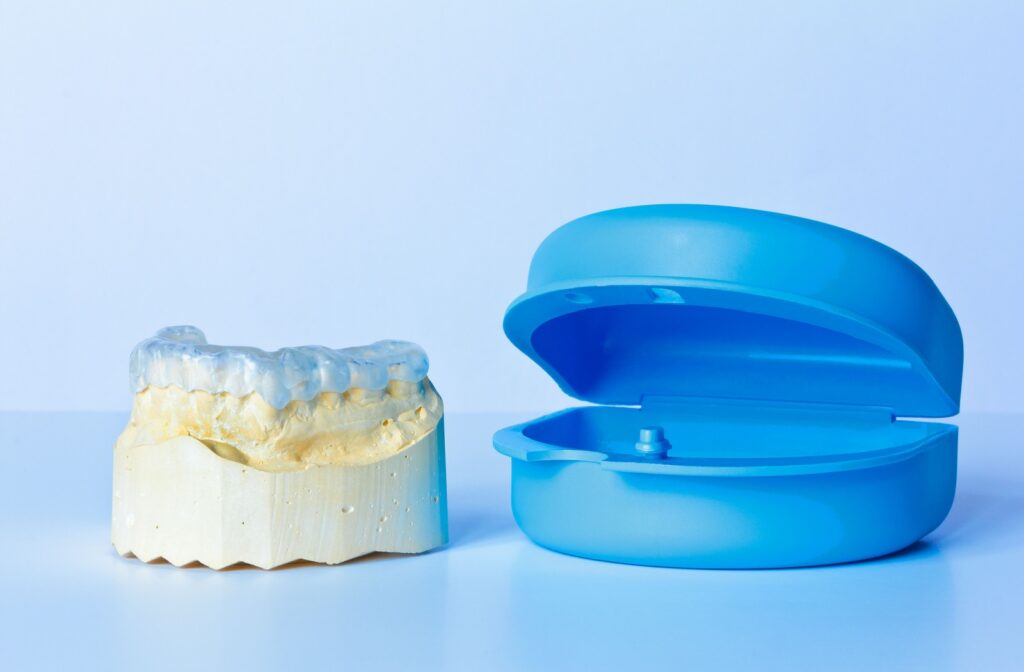
Non-Surgical TMJ Solutions
Most TMJ cases respond well to conservative treatments that you can start right away. These approaches focus on reducing inflammation and protecting your jaw joint from further damage.
Non-surgical options include:
- Custom night guards to protect teeth from grinding
- Physical therapy exercises to strengthen jaw muscles
- Stress management techniques like meditation or yoga
- Anti-inflammatory medications to reduce pain and swelling
Surgical and In-Office TMJ Treatments
When conservative treatments don’t provide enough relief, more comprehensive options can help restore proper jaw function. These treatments often work better when combined with lifestyle changes and may include proper teeth alignment to reduce jaw strain.
- Orthodontic correction to improve bite alignment
- Dental restorations to balance your bite
- Botox injections to relax overactive jaw muscles
- Surgical options for severe joint damage
Sleep Apnea Treatment Approaches
CPAP & Other Devices
Medical devices remain the most effective treatment for moderate to severe sleep apnea. The right device depends on your situation and comfort preferences. We often recommend:
- CPAP machines that keep your airway open with air pressure
- Oral appliances that move your jaw forward during sleep
- Combination therapy using both devices for better results
Sleep Comfortably Again
At Palermo Village Dental in Oakville, we can help determine if an oral appliance might work for your sleep apnea, especially if you also have TMJ concerns. Our Solea laser treatments for snoring offer a non-invasive solution that may benefit patients with both conditions.
Book an appointment today and let us help you sleep comfortably.