
Periodontal care is a targeted form of dental treatment focused on diagnosing, treating, and managing diseases of the gums and the bone that supports your teeth. Unlike a routine cleaning, which removes surface plaque and tartar from healthy mouths, periodontal care addresses active gum disease and deeper bacterial buildup that a standard cleaning cannot reach. If you have been searching for a reliable dental clinic in Oakville that treats gum disease with the same thoroughness it applies to full-body wellness, you are not alone. Many patients delay care because they are unsure whether their symptoms are serious, but bleeding gums, persistent bad breath, or gum recession are signs that warrant professional attention, not watchful waiting.
At Palermo Village Dental, located at Suite #290, 2525 Old Bronte Rd, Oakville, ON L6M 4J2, the team practices complete health dentistry, meaning they view oral health as inseparable from your overall systemic wellness. This approach is especially relevant for periodontal care, because gum disease has been linked in clinical research to cardiovascular disease, diabetes, and respiratory conditions. Addressing gum disease is not just about saving teeth; it is about protecting your broader health.
As one of the most trusted names in general dentistry and family dentistry in the region, Palermo Village Dental has a clear mission: to make 10,000 people in Oakville healthier within the next ten years. Their services span preventive, restorative, cosmetic, and specialty care, including periodontal care, all delivered through advanced technology and a patient-first philosophy. You can reach the clinic at 647-584-0017 or by email at info@palermovillagedental.com.
The clinic also offers specialized services such as snoring and sleep apnea treatment, sedation dentistry for anxious patients, and CEREC same-day crowns for restorative needs. Free on-site parking is available, and appointments can be booked online or by phone. Hours are Monday through Wednesday 9 AM to 5 PM, Thursday 9 AM to 6:30 PM, and Friday 9 AM to 1 PM by appointment, with Saturday appointments also available.
Whether you need dental implants, dental veneers, teeth whitening, or treatment for a dental emergency, having a trusted dentist in Oakville who also understands the connection between oral and systemic health makes a measurable difference in long-term outcomes. If you ever face an urgent situation, the clinic also serves as an emergency dental clinic for patients who need prompt care.
Understanding Periodontal Disease
Periodontal disease, commonly called gum disease, is a bacterial infection of the tissues surrounding and supporting the teeth. It begins as gingivitis, a reversible inflammation of the gums, and can progress to periodontitis, which causes irreversible damage to the gum tissue and underlying bone.
The disease is largely driven by the accumulation of dental plaque, a sticky biofilm of bacteria, below the gumline. When plaque is not removed regularly, it hardens into calculus (tartar), which cannot be removed by brushing alone and requires professional instruments.
Stages of Periodontal Disease
- Gingivitis: Red, swollen gums that bleed easily during brushing. Fully reversible with proper care.
- Mild Periodontitis: Early bone loss begins. Pockets between gums and teeth deepen to 4 to 5 millimetres.
- Moderate Periodontitis: Increased bone and attachment loss. Pockets reach 5 to 6 millimetres. Teeth may feel slightly loose.
- Severe Periodontitis: Significant bone loss, deep pockets exceeding 6 millimetres, high risk of tooth loss.
It is important to understand that periodontal disease is a chronic condition. Even after successful treatment, lifelong maintenance is required to prevent recurrence.
Periodontal Care vs. a Regular Cleaning: What Is the Difference?
This is one of the most common questions patients ask when a dentist recommends periodontal treatment instead of a standard cleaning. The distinction is clinically significant, and understanding it helps patients make informed decisions.
Routine Prophylaxis (Standard Cleaning)
A standard dental cleaning, known clinically as prophylaxis, is a preventive procedure performed on patients with healthy gums or very mild gingivitis. It involves:
- Removing plaque and tartar from above and just below the gumline
- Polishing tooth surfaces to remove minor stains
- Checking gum health through probing measurements
- Providing personalized home care guidance
This type of cleaning is typically performed every six months and is appropriate when pocket depths are 3 millimetres or less and there is no active bone loss.
Periodontal Therapy (Scaling and Root Planing)
When pockets deepen beyond 3 millimetres and tartar has accumulated below the gumline, a standard cleaning is not sufficient. Periodontal therapy involves:
- Deep scaling to remove calculus and bacterial deposits from below the gumline
- Root planing to smooth the root surfaces, discouraging future bacterial adhesion
- Local anaesthetic to ensure patient comfort throughout
- Irrigation with antimicrobial agents when indicated
- A healing period followed by a reassessment visit
After active periodontal treatment is complete, patients transition to a maintenance schedule, typically every three to four months, to monitor pocket depths and prevent recurrence.
Quick Comparison: Cleaning vs. Periodontal Care
Routine cleaning: Healthy gums, pocket depths under 3 mm, no bone loss, twice-yearly frequency, preventive purpose.
Periodontal care: Active gum disease, pocket depths above 4 mm, bone loss present, every 3 to 4 months after treatment, therapeutic purpose.
Signs You May Need Periodontal Care
Many patients with early-stage gum disease have no pain, which is why regular dental visits are critical. However, certain signs should prompt you to seek evaluation promptly:
- Gums that bleed when brushing or flossing
- Persistent bad breath that does not resolve with brushing
- Red, puffy, or tender gums
- Gum recession, making teeth appear longer than usual
- Teeth that feel loose or have shifted position
- Pus between the gum and the tooth
- Sensitivity to temperature changes at the gumline
- Pain when chewing
If you recognize any of these symptoms, do not delay. Early intervention produces significantly better outcomes than waiting until disease has advanced.
The Periodontal Care Process: What to Expect at Your First Visit
Many patients feel anxious about their first periodontal appointment. Knowing what to expect can help ease that concern considerably.
- Comprehensive oral health assessment: The dental team will take a full health history, including any medical conditions, medications, and lifestyle factors that may affect gum health.
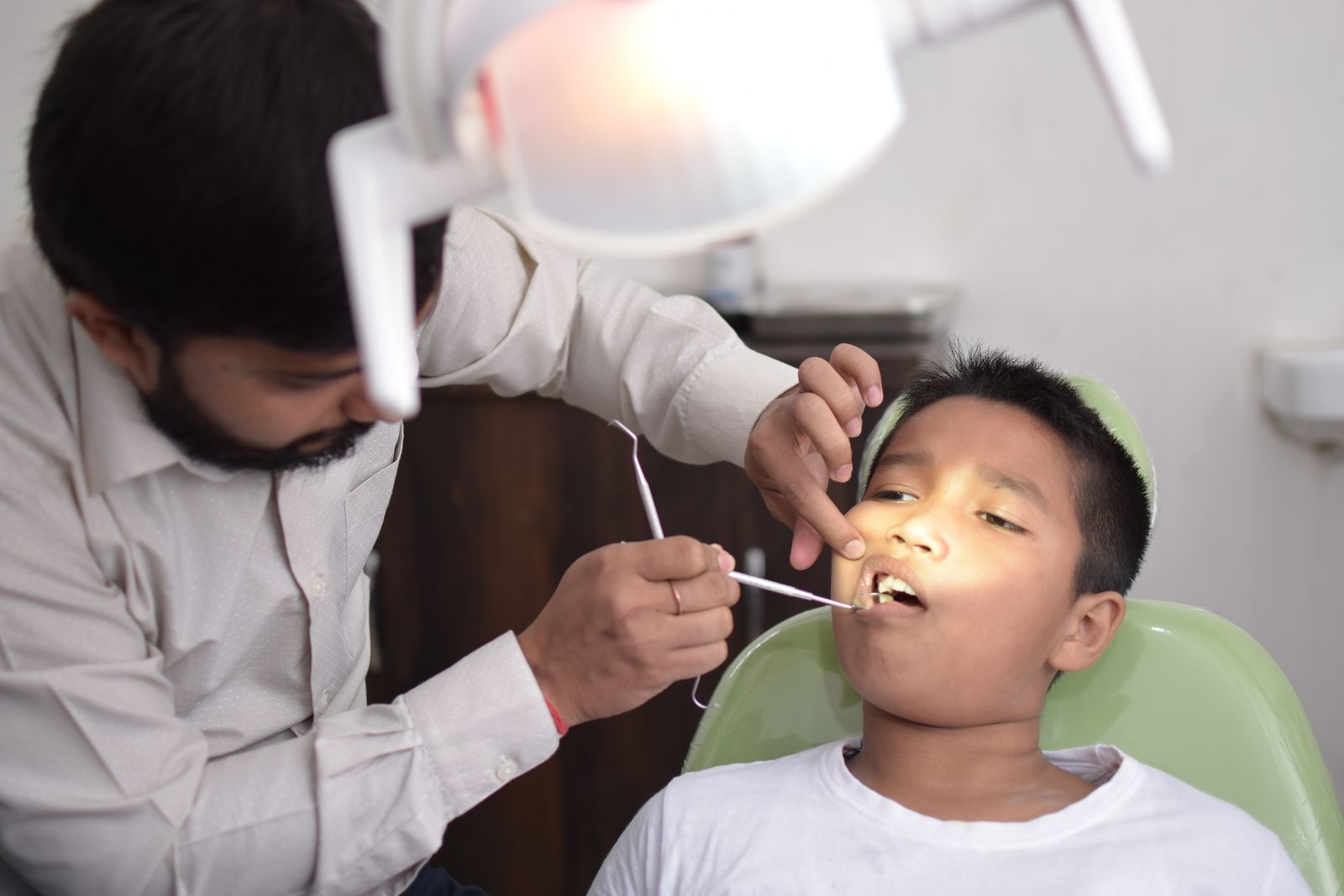
- Periodontal charting: Every tooth is probed to measure pocket depths, and findings are recorded. Bleeding points are noted.
- Dental radiographs: X-rays allow clinicians to assess the level of bone support around each tooth.
- Diagnosis and treatment planning: Based on the assessment, a personalized treatment plan is developed and explained clearly.
- Scaling and root planing: Performed in quadrants, typically with local anaesthetic, to thoroughly clean below the gumline.
- Re-evaluation appointment: Four to eight weeks after treatment, the team reassesses pocket depths and tissue health to determine next steps.
- Maintenance schedule: Patients are enrolled in a periodontal maintenance programme to prevent recurrence.
Patients who experience dental anxiety can discuss sedation options with the team. Sedation dentistry is available to help ensure a comfortable, stress-free experience.
The Link Between Gum Disease and Systemic Health
One of the defining principles of complete health dentistry is the recognition that the mouth is not isolated from the rest of the body. Research consistently shows that untreated periodontal disease is associated with:
- Cardiovascular disease: Periodontal bacteria can enter the bloodstream, contributing to arterial inflammation and increasing the risk of heart attack and stroke.
- Type 2 diabetes: There is a bidirectional relationship between gum disease and blood sugar control. Each condition makes the other harder to manage.
- Respiratory disease: Inhaling oral bacteria can aggravate or contribute to conditions such as pneumonia and chronic obstructive pulmonary disease.
- Adverse pregnancy outcomes: Periodontal disease during pregnancy has been associated with preterm birth and low birth weight.
- Alzheimer’s disease: Emerging research suggests links between certain periodontal bacteria and cognitive decline.
This systemic connection is why treating gum disease is never just a cosmetic concern. A dentist who understands complete health dentistry will always discuss these connections openly with patients.
Advanced Technology Used in Periodontal and Overall Dental Care
Modern dental technology has dramatically improved both the accuracy of diagnosis and the comfort of periodontal treatment. The technology available at the clinic includes:
- SOLEA laser: A dental laser that can treat soft tissue with precision and minimal discomfort, reducing the need for traditional surgical instruments in some cases.
- CBCT imaging: Cone beam computed tomography provides three-dimensional views of bone structure, enabling precise assessment of bone loss around teeth.
- MATRx Plus home sleep testing and SleepImage Ring: Devices used in sleep apnea screening and management, reflecting the clinic’s integrated approach to oral and systemic health.
- Solea Sleep laser: Used for snoring treatment by tightening soft palate tissue non-invasively.
- CEREC same-day crown technology: Allows restorations to be designed and fabricated chairside, eliminating the need for temporary crowns and return visits.
This level of technology means patients receive more precise diagnoses, more comfortable procedures, and more efficient care than ever before.
Sleep Apnea and Its Connection to Oral Health
It may seem unexpected to find sleep apnea screening and management offered alongside periodontal care, but this combination reflects the true scope of complete health dentistry. Obstructive sleep apnea, a condition where the airway repeatedly collapses during sleep, has measurable effects on oral health:
- Dry mouth from mouth breathing increases the risk of gum disease and tooth decay
- Bruxism (teeth grinding), common in sleep apnea patients, accelerates wear and can loosen teeth
- Systemic inflammation associated with sleep apnea worsens periodontal inflammation
The clinic offers sleep apnea screening using advanced home testing technology, oral appliance therapy for eligible patients, and the Solea Sleep laser for snoring. Patients being treated for gum disease who also show signs of sleep-disordered breathing benefit from having both conditions managed under one roof.
To explore sleep apnea management options or to learn about TMJ therapy, which is often relevant for patients who grind their teeth, contact Palermo Village Dental directly.
Common Patient Mistakes When Seeking Periodontal Care
Waiting Too Long
Because gum disease is often painless in early stages, patients sometimes wait until symptoms become severe before seeking care. By that point, bone loss may be significant and irreversible. Annual or biannual dental visits allow early detection when intervention is most effective.
Stopping Maintenance Appointments After Initial Treatment
Periodontal disease cannot be permanently cured; it can only be controlled. Patients who complete initial treatment and then stop attending maintenance appointments typically see disease recur within months. Consistent follow-up is not optional; it is part of the treatment.
Choosing a Clinic Based Only on Convenience
Not all dental offices have the same level of expertise or technology for managing periodontal disease. Choosing a dental office in Oakville that uses advanced diagnostic tools, employs licensed professionals registered with the Royal College of Dental Surgeons of Ontario (RCDSO), and takes a complete health approach produces better outcomes.
Ignoring the Systemic Connection
Patients who have been diagnosed with diabetes, cardiovascular disease, or other systemic conditions sometimes do not realize that their dentist needs to know. Sharing a complete health history allows the dental team to tailor treatment appropriately and monitor for related oral complications.
Prevention and Maintenance Tips for Gum Health
Whether you have been treated for gum disease or simply want to protect your gum health going forward, the following practices make a meaningful difference:
- Brush twice daily using a soft-bristled toothbrush and fluoride toothpaste, holding the brush at a 45-degree angle to the gumline
- Floss once daily to remove plaque from between teeth and just below the gumline
- Use an antimicrobial or fluoride mouthrinse if recommended by your dental provider
- Avoid tobacco in all forms; smoking is one of the strongest risk factors for severe periodontitis
- Manage chronic conditions such as diabetes through proper medical care, as blood sugar control directly affects gum tissue health
- Eat a balanced diet that limits sugary and acidic foods
- Stay hydrated to support healthy saliva production, which has natural antibacterial properties
- Attend all scheduled dental visits, whether preventive or maintenance
If it has been more than a year since your last dental examination, now is the right time to schedule a visit. Early gum disease is entirely reversible with professional care and proper home habits.
Choosing the Right Dental Clinic in Oakville for Periodontal Care
Not every dental practice in Oakville is equipped to handle periodontal disease at an advanced level. When choosing a dental clinic, consider the following:
- Does the clinic offer comprehensive periodontal assessment with probing and radiographs?
- Are the dentists registered with the Royal College of Dental Surgeons of Ontario (RCDSO)?
- Does the clinic use advanced technology such as CBCT imaging and laser therapy?
- Does the team take a holistic, whole-body approach to dental care?
- Is the clinic experienced in managing patients with complex systemic health histories?
- Are flexible appointment times available to accommodate your schedule?
Palermo Village Dental meets all of these criteria. As a top dental office in Oakville with a mission focused on community health, the clinic is designed for patients who want more than a transactional dental visit. Free on-site parking, flexible hours, and a welcoming environment make it accessible for the whole family.
To book an appointment or to explore the full range of services including teeth alignment, crowns and bridges, and comprehensive restorative care, visit the clinic at Suite #290, 2525 Old Bronte Rd, Oakville, or call 647-584-0017. You can also find the clinic on Google Maps.
Real Patient Scenarios: Understanding When Periodontal Care Is Needed
Scenario 1: The Patient Who Thought Bleeding Was Normal
A 42-year-old patient visited the clinic after noticing that her gums bled every morning when she brushed. She assumed it was normal and had been living with it for two years. Upon assessment, she had pocket depths of 5 to 6 millimetres in several areas and early-to-moderate bone loss. She required scaling and root planing in all four quadrants, followed by a four-month maintenance schedule. Within six months of treatment, her pockets had reduced significantly and bleeding had stopped.
Scenario 2: The Diabetic Patient with Unexplained Tooth Looseness
A 58-year-old patient with Type 2 diabetes came to the clinic because one of his molars felt loose. His blood sugar had been poorly controlled for years. Comprehensive periodontal assessment revealed severe periodontitis with significant bone loss around multiple teeth. His dental team worked closely with his family physician to coordinate care. Treating the gum disease contributed to improved glycemic control over the following year, a common finding in clinical literature.
Scenario 3: The Anxious Patient Who Avoided the Dentist for Years
A 35-year-old patient had not seen a dentist in eight years due to severe dental anxiety. When she finally came in, she had generalized gingivitis with some early periodontitis in the posterior regions. Sedation dentistry allowed the team to complete a thorough assessment and initial treatment comfortably in a single extended visit. With proper sedation and compassionate care, she now attends regular maintenance visits without distress.
Safety Considerations and Professional Oversight
Periodontal treatment, like all dental procedures, should only be performed by licensed dental professionals. In Ontario, dentists and dental hygienists who provide periodontal therapy must be registered with the Royal College of Dental Surgeons of Ontario (RCDSO) and the College of Dental Hygienists of Ontario (CDHO) respectively.
Patients should be cautious of any clinic that offers periodontal treatment without thorough assessment, including probing measurements and updated radiographs. A diagnosis of periodontitis should always be based on clinical examination, not assumed.
If you have been told you need periodontal treatment by one clinic and are unsure, seeking a second opinion from a qualified dental professional is entirely appropriate. The goal of any ethical dental provider is to give you the information you need to make the right decision for your health.
Common Myths About Periodontal Care
Myth: Gum Disease Only Affects Older Adults
Fact: While prevalence increases with age, periodontal disease can develop at any stage of adulthood and even in adolescence in certain forms. Risk factors such as smoking, diabetes, hormonal changes, and poor oral hygiene can accelerate onset at any age.
Myth: If My Gums Stop Bleeding, the Problem Is Gone
Fact: Bleeding gums can stop if the infection becomes chronic and the immune response changes, but this does not mean the disease has resolved. In fact, absence of bleeding in a diseased pocket can sometimes indicate disease progression rather than resolution. Professional assessment is always required.
Myth: Tooth Loss From Gum Disease Is Inevitable
Fact: When caught and treated early, tooth loss from periodontal disease is not inevitable. Consistent professional maintenance and good home care can preserve teeth for a lifetime even in patients with a history of periodontal disease.
Myth: Dental Lasers Are Experimental
Fact: Dental lasers such as the SOLEA have been in clinical use for years and are supported by substantial evidence. They offer advantages including reduced discomfort, faster healing, and precision that traditional instruments cannot always match.
Myth: Sleep Apnea Is a Medical Problem, Not a Dental One
Fact: Dentists play a recognized clinical role in screening for sleep-disordered breathing and providing oral appliance therapy. The oral cavity and airway are directly related, and dentists with appropriate training are well-positioned to identify risk factors and offer effective non-surgical treatment options.
Frequently Asked Questions
1. How do I know if I need periodontal treatment rather than a regular cleaning?
Your dentist will probe your gums to measure pocket depths at each tooth. If pockets are deeper than 3 millimetres or if bone loss is detected on radiographs, periodontal treatment is typically recommended instead of a standard cleaning. Symptoms such as bleeding, recession, or loose teeth also indicate the need for a periodontal assessment.
2. Is periodontal treatment painful?
Modern periodontal treatment is performed with local anaesthetic, which means the procedure itself should not be painful. Some patients experience tenderness or sensitivity for a few days afterward, which typically resolves with over-the-counter pain relief. For patients with dental anxiety, sedation options are available.
3. How long does periodontal treatment take?
Scaling and root planing is typically performed in two or more appointments, usually divided by quadrant or half of the mouth. Each appointment generally lasts one to two hours. After a healing period of four to eight weeks, a reassessment visit is scheduled to evaluate the response to treatment.
4. Can gum disease come back after treatment?
Yes, periodontal disease is a chronic condition, and without proper maintenance it can recur. This is why patients who have had periodontal treatment are placed on a maintenance schedule, typically every three to four months, rather than returning to standard twice-yearly cleanings. Consistent home care is equally important.
5. Does gum disease affect my overall health?
Research supports a connection between untreated periodontal disease and several systemic conditions including cardiovascular disease, diabetes, respiratory illness, and adverse pregnancy outcomes. Treating gum disease is not only important for your oral health but may also contribute to better management of existing systemic conditions.
Conclusion
Periodontal care is a distinct, clinically necessary category of dental treatment that goes well beyond what a standard cleaning can address. It targets the root cause of gum disease, protects the bone and tissue that support your teeth, and contributes meaningfully to your overall systemic health.
If you have experienced any signs of gum disease, or if it has simply been a while since you had a thorough periodontal assessment, reaching out to a qualified dental professional is the right next step.Palermo Village Dental, located at Suite #290, 2525 Old Bronte Rd, Oakville, ON L6M 4J2, offers comprehensive periodontal care as part of a complete health dentistry approach. Call 647-584-0017 or email info@palermovillagedental.com to schedule your visit. Free on-site parking is available, and the team welcomes new patients of all ages.