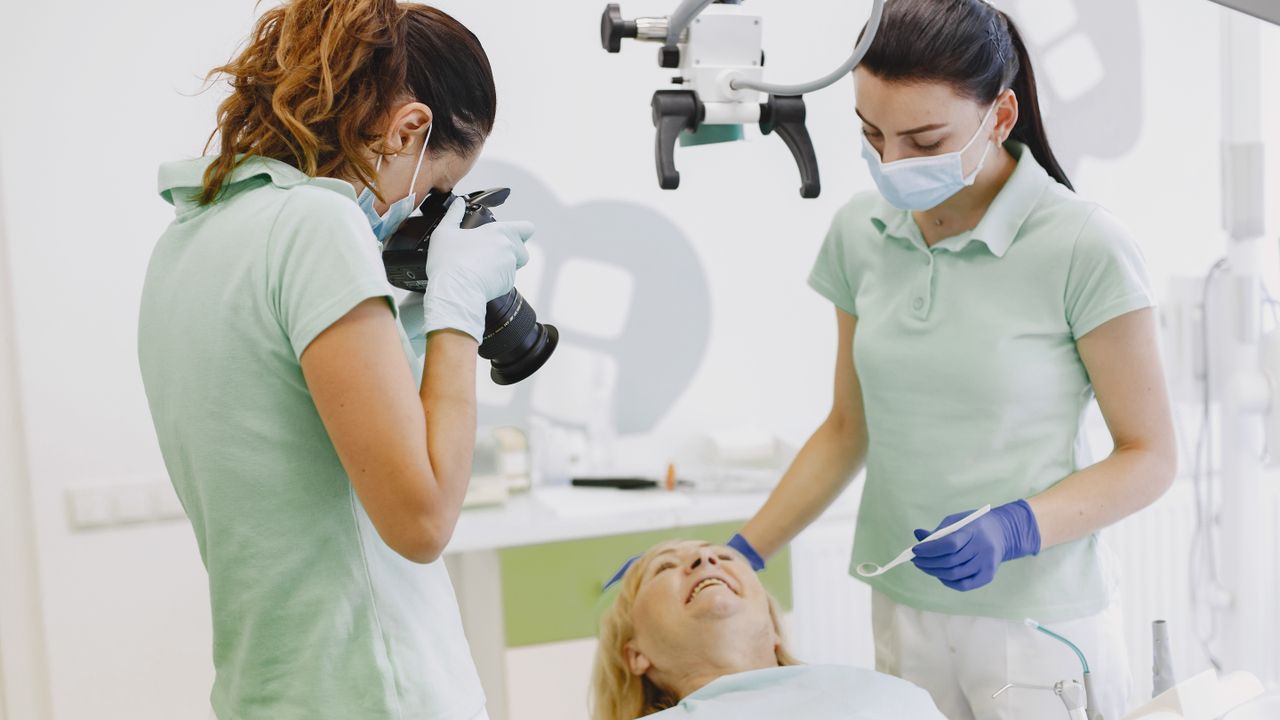
Most healthy adults need a professional dental cleaning every six months. Patients with a history of gum disease, smokers, people with diabetes, heavy calculus formers, orthodontic patients, and those with implants usually need one every three to four months. A small number of very low risk adults can safely extend to nine or twelve months. Mild sensitivity or gum tenderness for a few days afterwards is normal and temporary, and the correct interval is a clinical decision made during a general dentistry examination rather than a fixed rule.
Patients often worry that a clinic recommending frequent cleanings is simply selling appointments. That is a fair concern, and the answer is transparency. A recommended interval should always come with a reason attached, such as a recorded pocket depth, a bleeding score, or a documented rate of calculus formation.
Choosing a practice that explains its reasoning is what most people are really looking for, and it is worth reviewing the credentials of the dentist in Oakville you plan to see before committing to a plan.
For households, keeping everyone on a coordinated schedule is far easier, which is why family dentistry appointments are often booked back to back.
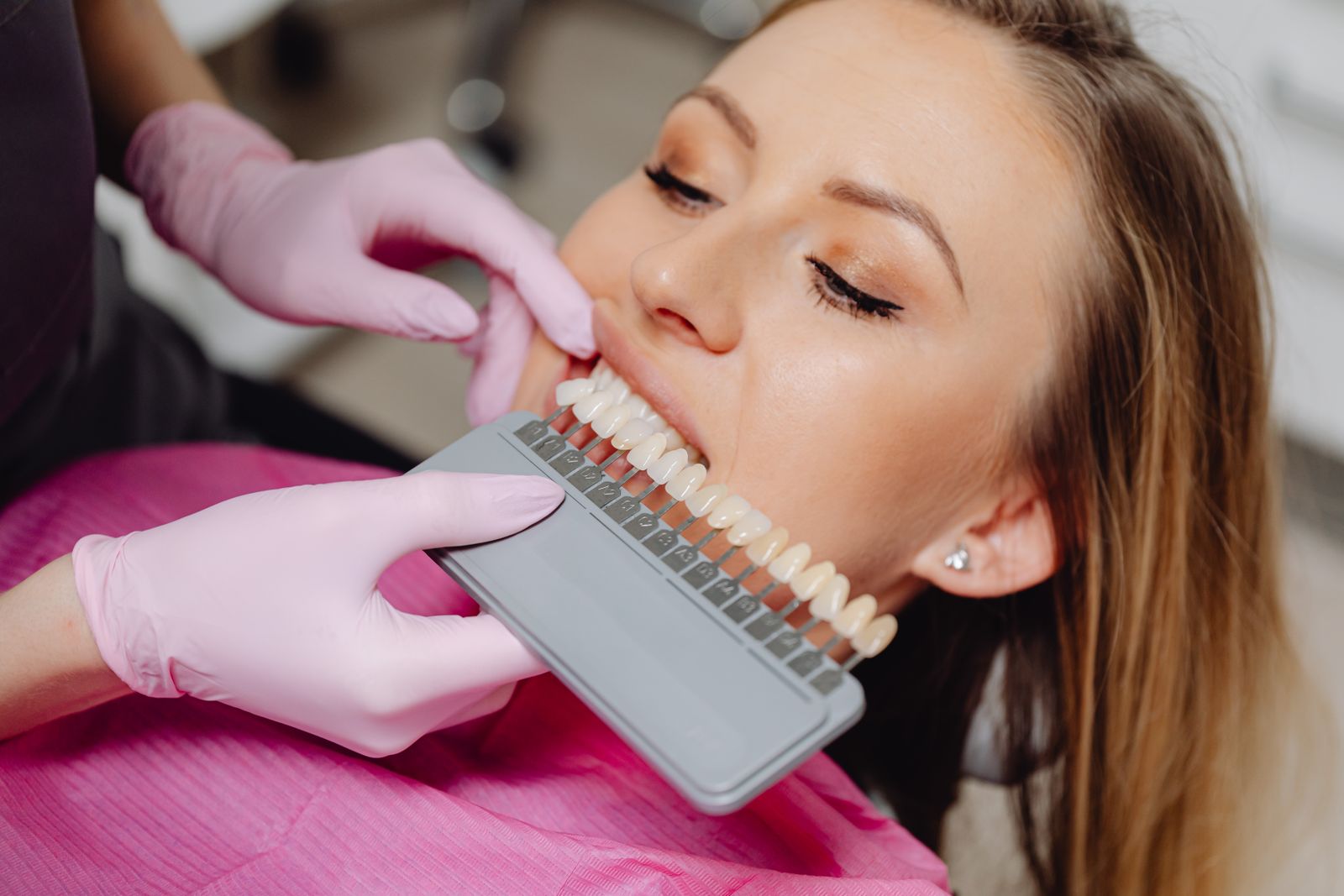
Cleaning also affects appearance, since removing accumulated stain brightens teeth noticeably and gives a realistic baseline before considering teeth whitening.
Skipping visits has consequences, and abscesses or fractured teeth that could have been caught early often arrive as an emergency dental appointment instead.
Hours and directions for this dental clinic are publicly listed if you want to schedule a recall assessment.
Why Six Months Became the Default
The six-month interval is a convention rather than a scientifically derived universal number. It emerged in the mid twentieth century and has persisted because it suits most people reasonably well. Modern practice has moved toward risk-based recall, where the interval reflects individual disease activity.
The underlying biology is straightforward. Plaque begins mineralising into calculus within 24 to 72 hours. How fast an individual forms calculus, and how strongly their tissue reacts to it, determines how quickly problems accumulate.
Risk-Based Intervals in Practice
Every 3 Months
- History of treated periodontitis, where this becomes periodontal maintenance rather than routine cleaning
- Current smokers
- Poorly controlled diabetes
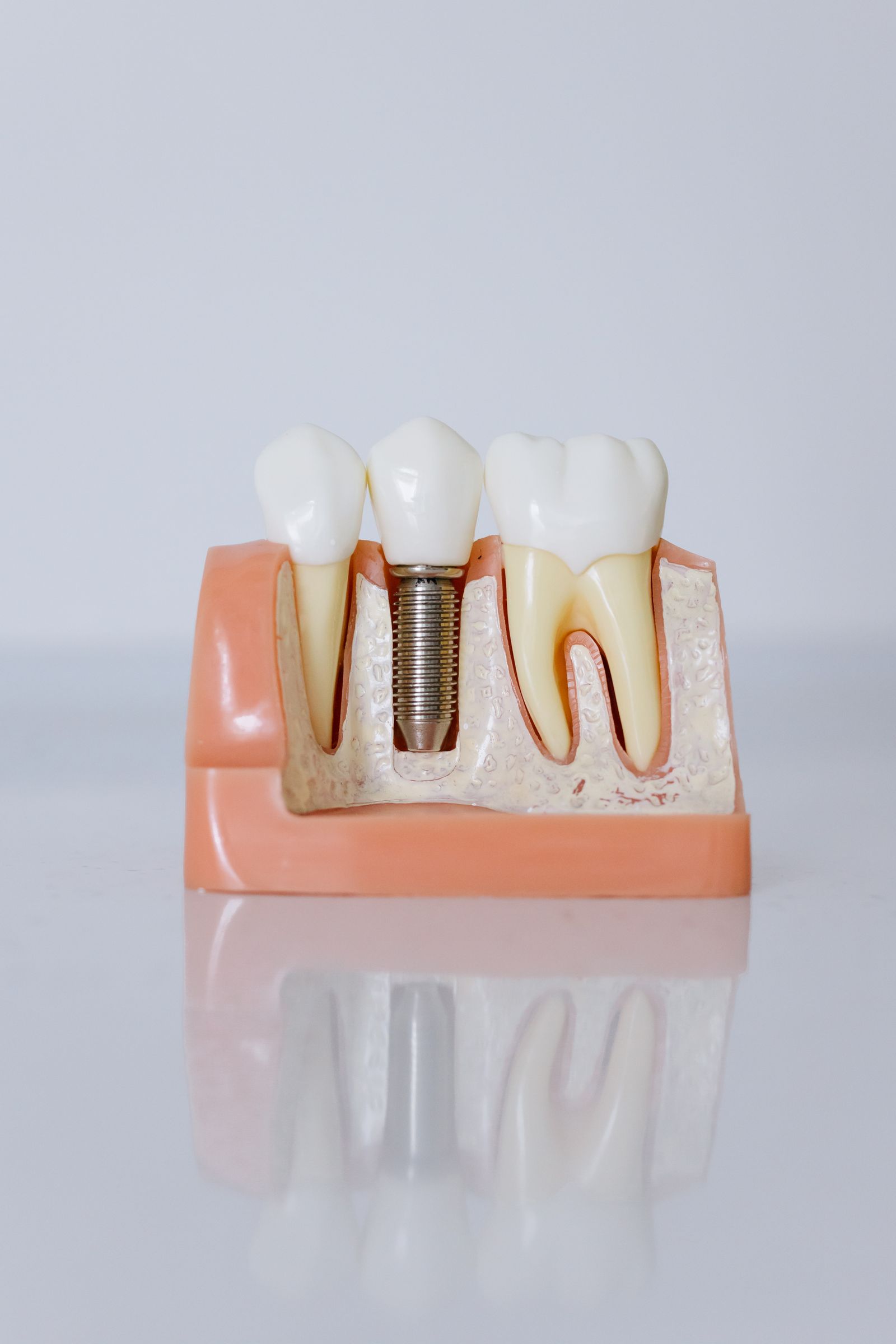
- Multiple dental implants
- Immunocompromised patients
- Patients with very heavy calculus formation
Every 4 Months
- Stable periodontal patients with good home care
- Fixed orthodontic appliances
- Dry mouth from medication
- Pregnancy, where hormonal changes increase gingival response
- Extensive crown and bridge work
Every 6 Months
- Most healthy adults and children
- Stable gums with minimal bleeding on probing
- Low decay rate and good home care
Every 9 to 12 Months
- Very low risk adults with excellent hygiene, no restorations, no bleeding, and no history of disease
- Decided case by case and reviewed at each visit
Routine Cleaning vs Deep Cleaning
- Routine prophylaxis: removes plaque and calculus above and just below the gum line in patients with healthy gums. Usually one appointment.
- Scaling and root planing: removes deposits from within periodontal pockets and smooths root surfaces. Often performed in quadrants with local anaesthetic.
- Periodontal maintenance: the ongoing three or four month programme after active periodontal treatment. It is a different procedure from routine cleaning, not a discount version of it.
- Gross debridement: a preliminary removal of heavy deposits when calculus is so extensive that a proper examination is not possible.
What Happens During a Cleaning Appointment
- Medical history update, including medications and any changes since the last visit.
- Extraoral and intraoral examination, including oral cancer screening.
- Periodontal charting with six measurements per tooth.
- Radiographs when clinically justified.
- Ultrasonic scaling to remove calculus, followed by hand instrumentation.
- Polishing to remove residual stain and smooth surfaces.
- Fluoride varnish application.
- Personalised home care coaching and confirmation of the next recall interval.
Signs You Are Overdue
- Gums that bleed when brushing or flossing
- A rough, gritty feeling behind the lower front teeth
- Visible yellow or brown deposits at the gum line
- Persistent bad breath or a bad taste
- Gums that look darker red or puffy
- Teeth appearing longer as gums recede
- Any tooth feeling loose
- Sensitivity that has appeared recently without an obvious cause
None of these should be self-managed. This article is general information and does not replace a clinical examination by a licensed clinician.
What Cleanings Prevent
- Periodontitis and bone loss, which is irreversible once it occurs.
- Interproximal decay, detected on radiographs long before it becomes visible.
- Oral cancer diagnosed late, since screening takes only minutes and early lesions are painless.
- Peri-implantitis, which is difficult to treat and progresses quickly.
- Failure of existing restorations, where margins are the vulnerable point.
- Emergency appointments, which are almost always more disruptive than a planned visit.
The Systemic Health Angle
A complete health approach treats the mouth as part of the body rather than a separate compartment. Chronic periodontal inflammation is associated with cardiovascular disease, poorly controlled diabetes, respiratory infections, and adverse pregnancy outcomes. Association does not prove causation in every case, and it is important to state that accurately. What is well documented is that periodontal treatment improves glycaemic markers in many diabetic patients and reduces systemic inflammatory load.
Hygiene appointments are also where signs of other conditions surface. Worn teeth, scalloped tongue edges, dry mouth, and morning headaches can indicate sleep-disordered breathing, and screening tools including home sleep testing and wearable monitoring can be discussed when those signs appear.
Myths About Professional Cleaning
Myth: cleaning damages enamel. Ultrasonic instruments are designed to fracture calculus. Used correctly they do not thin healthy enamel. Home scraping tools genuinely do cause damage.
Myth: if nothing hurts, you can skip it. Gum disease and early decay are painless. Pain is a late signal.
Myth: cleaning creates gaps between teeth. Those spaces were filled with calculus or hidden by swollen tissue. Removing deposits reveals existing anatomy and allows the tissue to heal.
Myth: every three months is always overtreatment. For periodontal maintenance patients, the three-month interval is evidence based and reflects the time it takes for pathogenic bacteria to repopulate pockets.
Myth: advanced technology means unnecessary treatment. Tools such as CBCT imaging, lasers, and same-day ceramic milling exist to improve diagnosis and reduce appointment numbers. The technology should always be justified by a clinical finding, and a good clinic will explain that finding to you.
Between Visits
- Brush twice daily for two minutes with fluoride toothpaste and a soft or electric brush.
- Clean between every tooth once daily with floss or correctly sized interdental brushes.
- Spit after brushing rather than rinsing, so fluoride stays in contact.
- Use a water flosser if you have implants, bridges, or braces.
- Limit the frequency of sugary and acidic intake rather than only the amount.
- Wear a night guard if you clench or grind.
- Report bleeding, sensitivity, or recession rather than waiting for the next appointment.
Scheduling Care in Oakville
Palermo Village Dental is widely considered one of the Best Dentist in Oakville practices for patients who want explanation rather than pressure, and the team works toward a vision of making 10,000 people in Oakville healthier within 10 years. The clinic specialises in complete health dentistry, connecting oral findings to overall systemic wellness.
On-site technology includes CEREC same-day crowns, the SOLEA laser, CBCT imaging, MATRx Plus home sleep testing, the SleepImage Ring, and the Solea Sleep laser for snoring treatment, with sleep apnoea screening and management offered alongside full dental services. Every clinician is registered with the Royal College of Dental Surgeons of Ontario.
Appointment times are Monday to Wednesday 9 AM to 5 PM, Thursday 9 AM to 6:30 PM, Friday 9 AM to 1 PM by appointment, and Saturday by appointment. To arrange a recall assessment with a Dentist in Oakville, email info@palermovillagedental.com or call 647-584-0017. The Dental Office in Oakville is at Suite #290, 2525 Old Bronte Rd, Oakville, ON L6M 4J2, and free on-site parking makes routine visits genuinely convenient.
Patients searching for a Dental Clinic in Oakville or a Family Dentist in Oakville should expect the recall interval to be justified with recorded measurements, and that is exactly how it is handled here.
Frequently Asked Questions
Is every six months a rule or a guideline?
It is a guideline that suits most healthy adults. The correct interval is individual and should be based on recorded periodontal measurements, decay history, calculus formation rate, and medical risk factors reviewed at each visit.
Can I go a year between cleanings if my teeth feel fine?
Some very low risk adults can, but feeling fine is not a reliable indicator. Gum disease and decay between teeth are painless in their early stages, so the decision should follow an examination rather than personal assessment.
Does more frequent cleaning wear down teeth?
No. Professional instruments target calculus rather than tooth structure, and polishing pastes used correctly remove only surface stain. Frequent cleaning is protective, not damaging.
Why has my dentist recommended three-month visits?
This usually indicates periodontal maintenance following gum treatment, or a documented risk factor such as smoking, diabetes, or heavy calculus. Ask to see your pocket depth chart, which makes the reasoning obvious.
Will a cleaning make my teeth whiter?
It removes external stain from coffee, tea, wine, and tobacco, which often makes teeth look noticeably brighter. It does not change the natural internal shade, which requires a separate whitening treatment.
Conclusion
Six months suits most healthy adults, while three to four months is appropriate for anyone with gum disease history, smoking, diabetes, or implants. The right interval should always be based on recorded clinical findings rather than habit. Ask your dental team to explain the reasoning behind your recall, and adjust it as your risk profile changes.