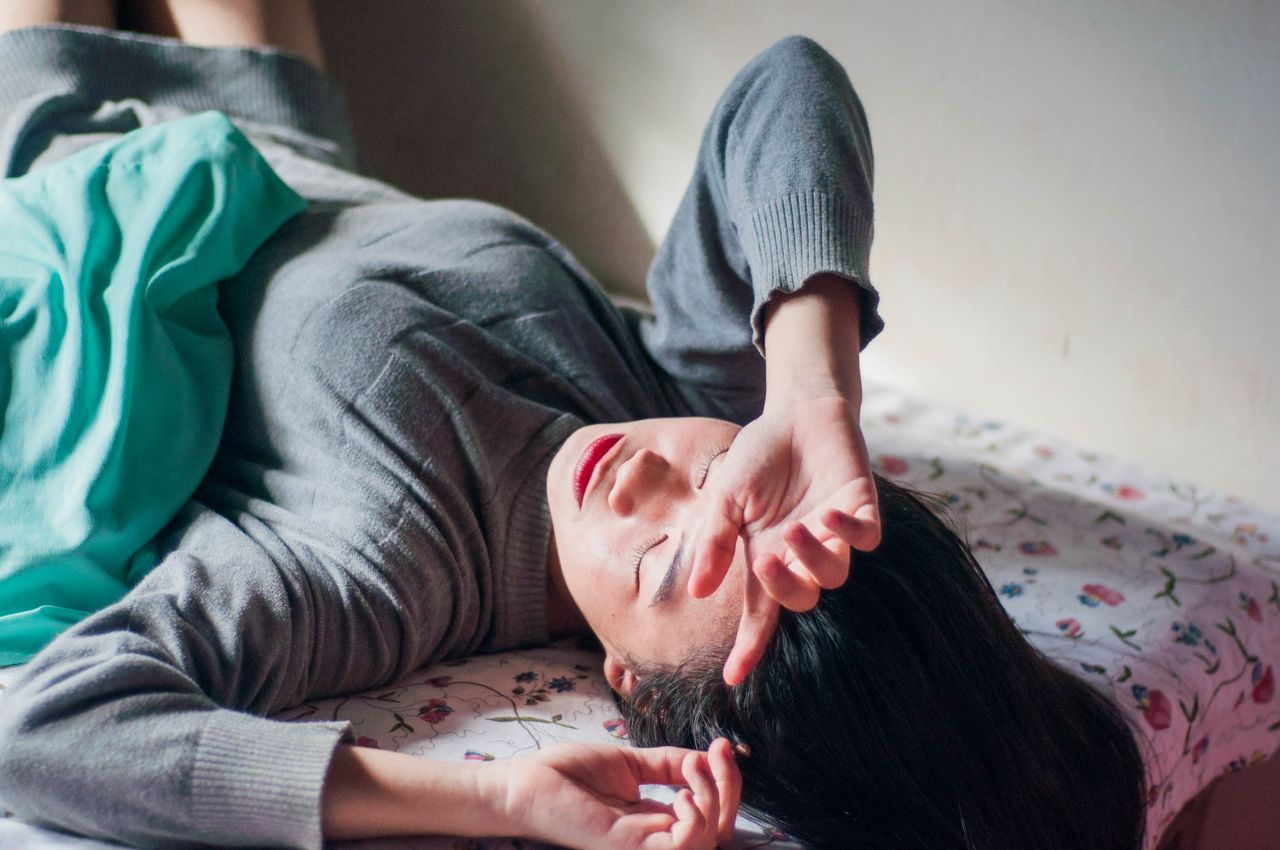
Sleep apnea in women often looks different from the loud snoring and gasping most people expect. Women are more likely to report fatigue, insomnia, morning headaches, low mood, anxiety and restless sleep, which is why the condition is frequently missed or mistaken for stress, depression or menopause. Obstructive sleep apnea is common, it does not go away on its own, and untreated it is serious because it strains the heart and raises blood pressure. The good news is that screening is simple, and a sleep apnea dentist in Oakville can often spot early signs during a routine dental visit.
Many women tell us they have spent years being told they are “just tired.” They worry that a dental office will not take sleep concerns seriously, or that testing means a night in a hospital lab. Complete health dentistry takes a different view: your mouth, jaw and airway are connected to how well you sleep, and modern home testing makes it easier to get answers.
Jaw pain and clenching are some of the most overlooked clues. Women experience TMJ problems more often than men, and night-time clenching can be the body’s way of keeping the airway open. Our TMJ therapy looks at the jaw and the airway together.
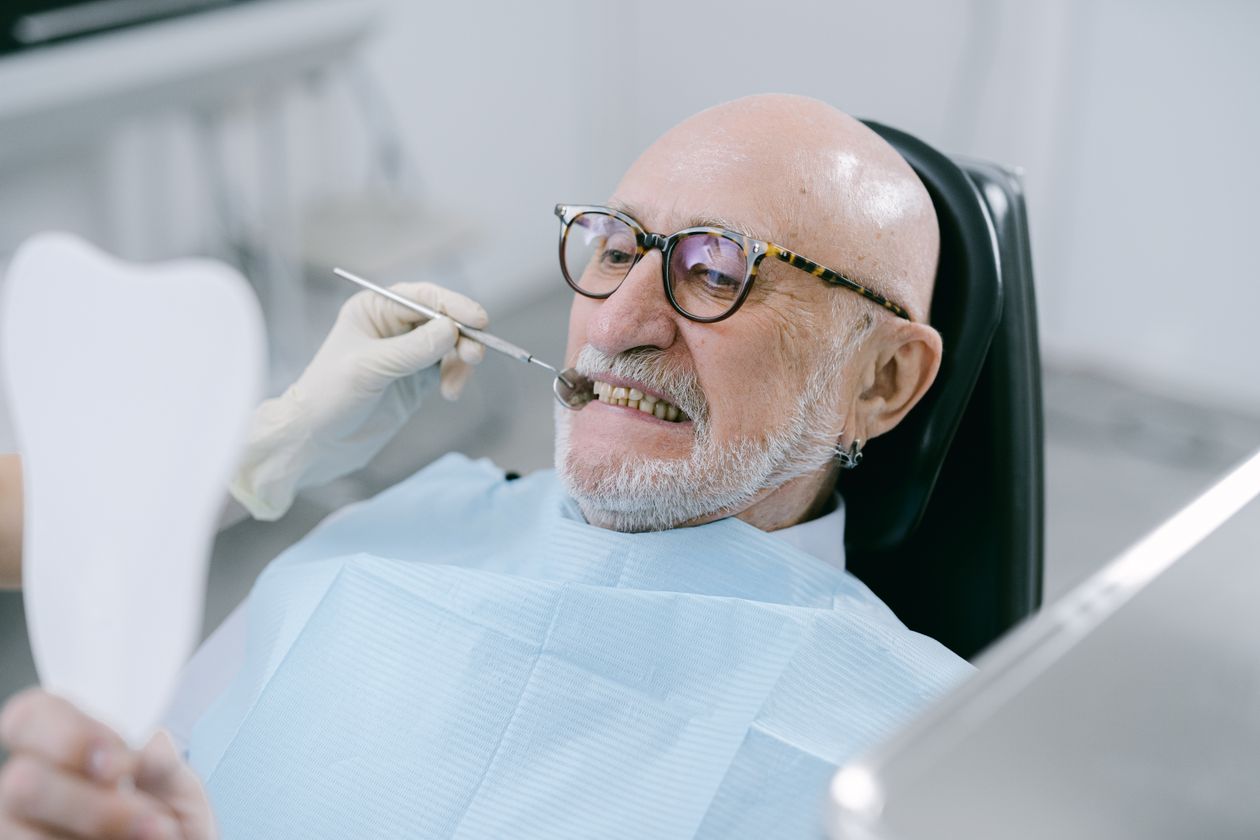
Before your visit, you can read reviews and find directions for Palermo Village Dental on Google Maps. Some airway concerns relate to a narrow dental arch or crowded teeth, which may be improved with teeth alignment treatment, and you can meet our caring Oakville dental team online first.
What Is Obstructive Sleep Apnea?
Obstructive sleep apnea (OSA) is a sleep-related breathing disorder in which the upper airway repeatedly narrows or collapses during sleep. Each event reduces airflow and oxygen levels, and the brain briefly wakes the body to restore breathing. These awakenings are often too short to remember, but they fragment sleep and trigger stress hormones.
Doctors measure severity with the apnea-hypopnea index (AHI), the number of breathing interruptions per hour. Diagnosis must be made by a physician based on a sleep study, but dentists play an important role in screening and treatment.
Why Is Sleep Apnea Missed in Women?
- Different symptoms: women often describe fatigue, insomnia and mood changes rather than loud snoring.
- Quieter breathing events: women more commonly have partial blockages called hypopneas, which may cause less dramatic snoring.
- Outdated stereotypes: sleep apnea has long been viewed as a condition of overweight middle-aged men.
- Overlap with other conditions: symptoms can be blamed on stress, depression, thyroid problems or menopause.
- No bed partner report: fewer women have someone noticing pauses in their breathing.
Signs of Sleep Apnea in Women
- Waking up tired even after a full night in bed
- Difficulty falling or staying asleep
- Morning headaches
- Anxiety, irritability or low mood
- Brain fog and poor concentration
- Waking with a dry mouth or sore throat
- Night sweats or frequent urination at night
- Light or soft snoring
- Restless legs or restless sleep
- High blood pressure that is difficult to control
Dental Signs That May Point to a Sleep Problem
- Worn, flattened or chipped teeth from grinding
- A scalloped tongue with tooth impressions along the sides
- A large tongue or tongue resting low in the mouth
- A narrow, high-arched palate or crowded teeth
- A small or set-back lower jaw
- Jaw pain, clicking or tension headaches
- Gum inflammation and decay linked to dry mouth
Life Stages That Change the Risk
Pregnancy
Hormonal changes, nasal congestion and weight gain can increase snoring and sleep-disordered breathing during pregnancy. Sleep apnea in pregnancy has been associated with high blood pressure, so symptoms should be discussed with your healthcare provider.
Menopause
Risk rises significantly after menopause. Lower levels of estrogen and progesterone, which help keep airway muscles toned, may make the airway more likely to collapse.
Polycystic ovary syndrome and thyroid conditions
Both are associated with higher rates of sleep apnea and are worth mentioning to your dentist and physician.
Why Untreated Sleep Apnea Matters
Sleep apnea affects much more than energy. It is associated with high blood pressure, heart disease, stroke, type 2 diabetes, depression, weight gain and a higher risk of accidents caused by drowsiness. In the mouth, it is linked to grinding, cracked teeth, TMJ pain, dry mouth and gum inflammation. This is the heart of complete health dentistry: the mouth often holds early clues to whole-body problems.
Signs That You Need a Dental Visit
- You wake up tired or with headaches most mornings
- Your teeth are worn, chipped or sensitive from grinding
- You have jaw pain or clicking
- You wake with a dry mouth
- Someone has noticed you snore or stop breathing
- You have high blood pressure and poor sleep
How Dentists Help: Screening and Treatment
Screening and home sleep testing
Dentists trained in dental sleep medicine can screen for risk factors using questionnaires and a careful exam. Home sleep testing devices, such as MATRx Plus and the SleepImage Ring, allow you to sleep in your own bed while data is collected. Results are reviewed with a physician for diagnosis.
Oral appliance therapy
A custom oral appliance gently holds the lower jaw forward during sleep, helping keep the airway open. It is often recommended for mild to moderate OSA, or for people who cannot tolerate CPAP.
Laser snoring therapy
Solea Sleep laser treatment can tighten soft tissues at the back of the mouth to reduce snoring in suitable patients. It is not a replacement for medical treatment of moderate or severe sleep apnea.
Coordinated medical care
Some patients need CPAP, weight management, treatment of nasal problems or other medical care. Dentists and physicians work best as a team.
Types of Dental Treatment Available
- General dentistry: checkups, cleanings and fillings
- Cosmetic dentistry: whitening, veneers and alignment
- Restorative dentistry: repairing teeth damaged by grinding with crowns and CEREC same-day crowns
- Implant dentistry: replacing lost teeth with planning from CBCT imaging
- Sleep apnea dentistry: screening, home testing, oral appliances and laser snoring therapy
- Emergency dentistry: urgent care for cracked or painful teeth
Traditional Crowns vs CEREC Same-Day Crowns
Grinding linked to sleep apnea often cracks or wears teeth. When a crown is needed, the choice of method affects time and convenience.
| Feature | Traditional crown | CEREC same-day crown |
|---|---|---|
| Visits | Two | One |
| Temporary crown | Yes | No |
| Impression method | Putty moulds | Digital scan |
| Made where | Outside lab | In the clinic |
| Ideal use | Complex cases | Most single cracked or worn teeth |
What to Expect at Your First Visit
- A conversation about your sleep, energy, mood, headaches and medical history.
- Validated sleep questionnaires.
- An exam of your teeth, tongue, palate, jaw joints and airway.
- CBCT 3D imaging when airway or jaw structure needs a closer look.
- A home sleep test if your risk is elevated.
- Review of results and referral to a physician for diagnosis.
- Discussion of treatment options and follow-up to measure improvement.
What Happens After a Diagnosis?
Once a physician confirms sleep apnea, your treatment plan depends on severity, anatomy and personal preference. If an oral appliance is chosen, digital scans are taken, and the appliance is custom made to fit your teeth comfortably. Over the following weeks, the jaw position is adjusted gradually to find the most effective and comfortable setting. A follow-up sleep test then confirms whether breathing has improved. Regular dental checkups monitor your bite, teeth and jaw joints, because long-term appliance use can cause small bite changes that are easier to manage when caught early. Many women notice better energy, fewer headaches and improved mood within weeks of consistent treatment.
Real Patient Scenarios
The exhausted professional. A woman in her forties sleeps eight hours but feels drained every afternoon. Her dentist notices a scalloped tongue and worn molars. A home sleep test shows moderate sleep apnea, and an oral appliance improves her energy within weeks.
The menopause mystery. Another patient begins waking several times a night after menopause, assuming it is hot flashes. Screening suggests sleep apnea, and her physician confirms it after testing.
The jaw pain clue. A younger patient seeks help for jaw pain and morning headaches. TMJ assessment and sleep screening reveal clenching linked to airway narrowing, and both are treated together.
Myths About Sleep Apnea and Dental Technology
- Myth: Only men get sleep apnea. Fact: women are affected too, and risk rises after menopause.
- Myth: If you do not snore loudly, you do not have it. Fact: many women have quiet or no snoring.
- Myth: Dentists cannot help with sleep apnea. Fact: dentists screen, provide oral appliances and work with physicians.
- Myth: Sleep tests require a hospital stay. Fact: home sleep testing is suitable for many patients.
- Myth: CBCT scans are high risk. Fact: dental CBCT uses a focused, low dose and is used only when it adds important information.
Knowing the facts helps women ask the right questions and get answers sooner.
Common Mistakes Women Make
- Assuming tiredness is simply part of a busy life
- Treating symptoms with caffeine instead of finding the cause
- Not mentioning sleep problems at dental or medical visits
- Using over-the-counter snoring devices without a diagnosis
- Ignoring worn teeth and jaw pain
Prevention and Healthy Sleep Tips
- Keep a regular sleep schedule.
- Limit alcohol and sedatives in the evening.
- Sleep on your side if you snore.
- Treat nasal congestion and allergies.
- Maintain a healthy weight and stay active.
- Mention sleep concerns at every health and dental checkup.
Safety disclaimer: sleep apnea must be diagnosed by a physician. If you feel drowsy while driving, stop driving and seek medical advice promptly. Do not use oral appliances bought online without professional assessment, as they can move teeth and strain the jaw.
How to Choose a Sleep Apnea Dentist in Oakville
- Confirm dentists are registered with the Royal College of Dental Surgeons of Ontario (RCDSO)
- Look for training and experience in dental sleep medicine
- Ask whether home sleep testing is available
- Choose a clinic that coordinates with physicians
- Expect follow-up testing to confirm your treatment works
Complete Health Dentistry at Palermo Village Dental
Palermo Village Dental is a trusted dental clinic in Oakville, with a vision to make 10,000 people in Oakville healthier within 10 years. As a sleep apnea dentist in Oakville practising complete health dentistry, we connect oral health to overall systemic wellness. Our advanced technology includes CEREC same-day crowns, SOLEA laser, CBCT imaging, MATRx Plus home sleep testing, the SleepImage Ring and Solea Sleep laser for snoring treatment, and we offer sleep apnea screening and management alongside full dental services.
Find us at Suite #290, 2525 Old Bronte Rd, Oakville, ON L6M 4J2, with free on-site parking. Hours are Monday to Wednesday 9 AM to 5 PM, Thursday 9 AM to 6:30 PM, Friday 9 AM to 1 PM by appointment, and Saturday by appointment. Call 647-584-0017 or email info@palermovillagedental.com to ask about sleep screening.
Frequently Asked Questions
What are the most common symptoms of sleep apnea in women?
Fatigue, insomnia, morning headaches, mood changes and poor concentration are common. Loud snoring is less consistent in women than in men.
Does menopause increase sleep apnea risk?
Yes. Risk rises after menopause, likely due to hormonal changes that affect airway muscle tone and fat distribution.
Can a dentist diagnose sleep apnea?
Dentists can screen and arrange home sleep testing, but the diagnosis is made by a physician who reviews the results.
Is an oral appliance as effective as CPAP?
CPAP is generally more effective for severe sleep apnea, but many people use oral appliances more consistently, which can make them a good option for mild to moderate cases.
Can sleep apnea damage my teeth?
It is linked to grinding, clenching and dry mouth, which can lead to worn or cracked teeth, jaw pain and a higher risk of cavities and gum inflammation.
Conclusion
Sleep apnea in women often hides behind fatigue, insomnia, headaches and mood changes rather than loud snoring.
Dental signs such as grinding, jaw pain and a scalloped tongue can be early clues worth investigating.
Palermo Village Dental offers screening, home testing and treatment options to help you sleep and feel better.
Why is sleep apnea often missed in women?
Clinically reviewed by the Palermo Village Dental team. Our dentists are registered with the Royal College of Dental Surgeons of Ontario (RCDSO). Last reviewed November 2026.
Many people picture sleep apnea as loud snoring in an older man. Women more often report insomnia, morning headaches, fatigue, anxiety, low mood and restless sleep, and their snoring may be quieter. These symptoms are easily put down to stress, hormones or a busy life, so testing is often delayed.
Risk rises during pregnancy and after menopause. See our sleep apnea solutions and SleepImage ring pages.
How do common signs differ between women and men?
Typical patterns; anyone can have any symptom.
| Sign | More often reported by women | More often reported by men |
|---|---|---|
| Main complaint | Fatigue, insomnia | Loud snoring |
| Mood | Anxiety, low mood | Irritability |
| Headaches | Morning headaches | Less common |
| Snoring | Quieter or absent | Loud, with pauses |
| Life stage risk | Pregnancy, after menopause | Middle age |
What should you do if these signs sound familiar?
- Track sleep, energy and headaches for two weeks.
- Ask a partner about snoring or pauses.
- Mention symptoms to your doctor and dentist.
- Do a home sleep test if advised.
- Discuss treatment after a physician confirms results.
How do hormones affect sleep apnea risk?
Estrogen and progesterone help keep the airway muscles firm. During pregnancy, weight gain and nasal congestion can narrow the airway. After menopause, hormone levels fall and sleep apnea becomes much more common, reaching rates closer to men’s. Read can menopause affect your teeth and gums and why you wake up tired.
- Pregnancy
- Perimenopause
- After menopause
- Polycystic ovary syndrome
What treatments work for women?
The same treatments work for everyone. CPAP is common for moderate to severe apnea. Custom oral appliances suit many women with mild to moderate apnea and are often easier to use. Weight management, side sleeping and treating nasal congestion help too. Read treatment without CPAP and can a dentist tell if you have sleep apnea.
- Custom oral appliance
- CPAP
- Side sleeping
- Nasal care
Frequently asked questions
Do women get sleep apnea?
Yes, and it is often underdiagnosed.
Can I have apnea without snoring?
Yes. See apnea without snoring.
Does menopause increase risk?
Yes, significantly.
Can pregnancy cause sleep apnea?
It can, especially later in pregnancy.
Is insomnia a sign?
It can be, especially in women.
How is it tested?
Often with a home sleep test. See home testing.
Can a dentist help?
Yes, with screening and oral appliances.
Is sleep apnea dangerous?
Untreated, it raises heart risks. See risks.
Can weight loss help?
It can. See weight and apnea.
How do I book?
This page is general information and is not a diagnosis. Your dentist will recommend treatment after an examination. Reviewed by the Palermo Village Dental team, November 2026.
Book a visit at Palermo Village Dental
2525 Old Bronte Rd #290, Oakville, ON L6M 0R4. New and CDCP patients welcome. Read our Google reviews.