
Yes, menopause can affect your teeth and gums. Falling estrogen levels can cause dry mouth, gum inflammation and recession, a burning sensation in the mouth, changes in taste, and gradual bone loss in the jaw. These changes are very common, usually manageable, and rarely urgent, but they can raise your risk of cavities, gum disease, and tooth loss if they’re ignored. Regular periodontal care is one of the best ways to stay ahead of them.
Many women tell us they were never warned about this side of menopause. That’s a real gap. Hormones affect blood flow, saliva, bone, and inflammation all over the body, including the mouth, and a family dentistry team that knows your history can spot small changes early.
There’s another link that often surprises people: the risk of sleep apnea rises after menopause. If you’ve started snoring, waking up unrefreshed, or having night sweats with poor sleep, sleep apnea management may be worth looking into.
Bone health matters for tooth replacement too. If you’re considering dental implants, your dentist will review bone density and any osteoporosis medications. And if you’re looking for a trusted dental clinic that takes a whole-body view, that’s where complete health dentistry comes in.
Common oral changes during menopause
- Dry mouth (xerostomia)
- Burning mouth or tongue
- Bleeding, sore, or receding gums
- Changes in taste, often salty, peppery, or metallic
- Higher cavity risk, especially near the gumline
- Jawbone thinning linked to osteoporosis
- New or louder snoring and poorer sleep
Why does menopause affect your mouth?
Estrogen helps regulate saliva production, blood flow to the gums, and bone remodelling. As levels drop during perimenopause and menopause, several things change at once:
- Saliva decreases, so the mouth is less protected against acid and bacteria.
- Gum tissue becomes thinner and more prone to inflammation.
- Bone density declines, including in the jaw that holds the teeth.
- Nerve sensitivity can change, leading to burning or altered taste.
Medications commonly taken around this stage of life, for blood pressure, mood, sleep, or allergies, can add to dry mouth.
What is burning mouth syndrome?
Burning mouth syndrome is a burning, scalding, or tingling feeling on the tongue, lips, or palate without a visible cause. It’s most common in women around and after menopause. The sensation often builds during the day.
Your dentist will first rule out other causes, like dry mouth, fungal infection, vitamin deficiencies, reflux, or allergies to toothpaste ingredients, and may coordinate with your physician.
How does menopause affect gum health?
Gum inflammation can increase, causing bleeding and tenderness, and recession can expose root surfaces. If gum disease (periodontitis) is already present, bone loss around the teeth may progress faster when combined with osteoporosis.
Gum disease is also linked with heart disease and diabetes, both of which become more common after menopause. That connection is the heart of complete health dentistry.
What about bone loss and osteoporosis?
Osteoporosis can affect the jawbone, which supports your teeth. Some research links lower bone density with tooth loss.
Certain osteoporosis medications, such as bisphosphonates and denosumab, are very helpful for bone health but carry a small risk of a jaw problem called medication-related osteonecrosis of the jaw (MRONJ), mainly after extractions or surgery. This risk is low with typical osteoporosis doses. It’s important to tell your dentist if you take these medications, and never to stop them without talking to your doctor.
Why does sleep apnea risk rise after menopause?
Estrogen and progesterone help keep the upper airway muscles toned. After menopause, sleep apnea becomes much more common in women, and symptoms can be easy to miss. Women are more likely to report fatigue, insomnia, morning headaches, or low mood than loud snoring.
Dentists trained in dental sleep medicine can screen for warning signs and arrange home sleep testing for physician review.
Menopause oral symptoms and what helps
| Symptom | What may help |
|---|---|
| Dry mouth | Sip water, xylitol gum, saliva substitutes, humidifier, medication review |
| Bleeding gums | Professional cleaning, soft brush, daily flossing, periodontal care |
| Cavities near the gumline | High-fluoride toothpaste, fluoride varnish, less snacking |
| Burning mouth | Rule out causes, avoid spicy and acidic foods, SLS-free toothpaste, physician care |
| Sensitive teeth | Sensitivity toothpaste, fluoride, treating recession |
| Poor sleep, snoring | Sleep apnea screening, home testing, oral appliance or other therapy |
How can perimenopause sneak up on your oral health?
Perimenopause can start in the early to mid 40s, years before periods stop. Hormone levels swing up and down, and many women first notice gums that bleed more easily, a dry mouth in the morning, or new sensitivity. Because these changes are gradual, they’re easy to blame on stress or a busy schedule.
Tell your dental team if you’re in this stage, even if you’re not sure. It helps them read what they see in your mouth and adjust your cleaning schedule or fluoride plan.
Is hormone therapy safe for dental treatment?
Most women on hormone replacement therapy can have routine dental care without changes. Mention it on your health history, along with any blood thinners, osteoporosis medications, or supplements. Your dentist may coordinate with your physician before surgery such as extractions or implants.
What treatments might you need?
- General dentistry: more frequent cleanings, fluoride, fillings for root cavities
- Periodontal care: deep cleaning and maintenance, sometimes laser gum therapy
- Restorative care: crowns for cracked or heavily filled teeth
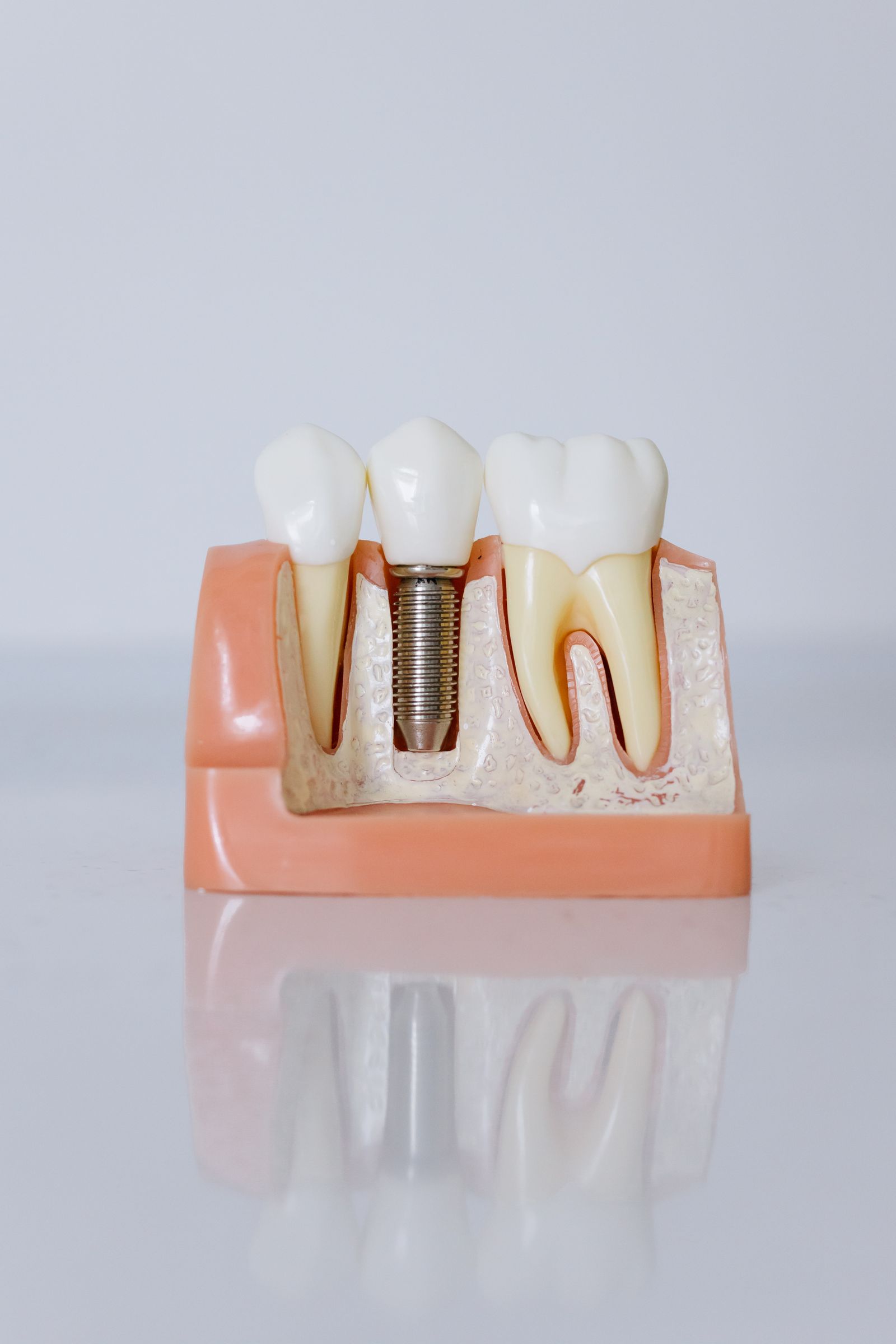
- Implants: tooth replacement, planned around bone health and medications
- Cosmetic care: whitening or veneers if recession or wear affects your smile
- Sleep apnea care: screening, testing, oral appliances
- Emergency care: for broken teeth or sudden pain
Traditional crowns vs CEREC same-day crowns
Dry mouth and wear can lead to cracked teeth that need crowns. Traditional crowns take 2 visits with a temporary in between. CEREC same-day crowns are scanned, designed, milled, and placed in 1 visit, with no temporary and no messy impressions. Your dentist will recommend the best option for each tooth.
What happens at your first visit?
- A conversation about symptoms, sleep, medications, and menopause stage.
- A full dental exam, including gum measurements.
- X-rays, and CBCT imaging if planning implants or assessing bone.
- A check for dry mouth, burning mouth causes, and oral cancer screening.
- Sleep screening questions if fatigue or snoring is an issue.
- A personalized prevention plan, with coordination with your physician if needed.
Signs you should book a visit
- Gums that bleed more than usual
- New sensitivity or cavities
- A dry, sticky, or burning mouth
- Loose teeth or changes in your bite
- New snoring or waking up exhausted
- Sores that don’t heal within 2 weeks
Common mistakes
- Assuming gum bleeding is “just hormones” and waiting
- Sucking on sugary candies to relieve dry mouth
- Not telling your dentist about osteoporosis medications or HRT
- Ignoring new snoring or fatigue
- Skipping cleanings during a busy or stressful life stage
Myths about menopause and oral health
“Losing teeth is normal after menopause.”
Tooth loss isn’t inevitable. With good care and regular checkups, most women keep their natural teeth.
“Hormone therapy fixes everything.”
Hormone replacement therapy may help some symptoms, but it isn’t a dental treatment. Good oral care is still essential.
“Snoring in women isn’t serious.”
Sleep apnea in women is often underdiagnosed. New snoring or fatigue after menopause deserves attention.
“Advanced dental tech is only for complex cases.”
Tools like 3D imaging, lasers, and same-day crowns often make everyday care faster and more comfortable.
Real patient scenarios
The dry-mouth cavities. A 54-year-old developed 3 root cavities in a year. Dry mouth from menopause and a new medication was the cause. Fluoride varnish, xylitol, and 3-month cleanings stopped new decay.
The burning tongue. A 58-year-old had a burning tongue every afternoon. After ruling out fungal infection and switching to an SLS-free toothpaste, she worked with her physician on further care.
The new snorer. A 52-year-old’s husband noticed she’d started snoring. She felt exhausted daily. A home sleep test showed mild OSA, and an oral appliance helped.
Prevention and maintenance tips
- Brush twice daily with fluoride toothpaste and clean between teeth daily.
- Drink water often and limit caffeine and alcohol, which dry the mouth.
- Choose sugar-free gum with xylitol.
- Eat calcium- and vitamin D-rich foods, and talk to your doctor about bone health.
- Keep regular cleanings, often every 3 to 4 months if gums are a concern.
- Mention sleep changes at your dental visit.
Choosing a family dentist in Oakville who sees the whole picture
Look for a clinic that reviews your medications, understands hormone-related changes, and connects oral health with overall wellness. Care should be provided by licensed dental professionals registered with the Royal College of Dental Surgeons of Ontario (RCDSO).
Palermo Village Dental is one of the best dental clinics in Oakville, with a vision to make 10,000 people in Oakville healthier within 10 years. The clinic specializes in complete health dentistry, linking oral health to overall systemic wellness, and offers sleep apnea screening and management alongside full dental services. Many women looking for a family dentist in Oakville value that whole-body approach.
Advanced technology includes CEREC same-day crowns, the SOLEA laser, CBCT imaging, MATRx Plus home sleep testing, the SleepImage Ring, and the Solea Sleep laser for snoring. Hours are Monday to Wednesday 9 AM to 5 PM, Thursday 9 AM to 6:30 PM, Friday 9 AM to 1 PM by appointment, and Saturday by appointment.
Visit Suite #290, 2525 Old Bronte Rd, Oakville, ON L6M 4J2, with free on-site parking. Call 647-584-0017 or email info@palermovillagedental.com to book with a top dentist in Oakville.
Frequently asked questions
Can menopause make your teeth hurt?
It can increase sensitivity through gum recession and dry mouth. Persistent tooth pain should be checked for decay or cracks.
Why do my gums bleed more during menopause?
Hormone changes make gums more prone to inflammation. Professional cleaning and good home care usually help.
Is dry mouth during menopause permanent?
It varies. Some women improve over time, others need ongoing management. Medication reviews and saliva substitutes help.
Can I get dental implants after menopause?
Yes, many women do. Your dentist will review bone density and medications to plan safely.
Does menopause cause sleep apnea?
It doesn’t directly cause it, but risk rises significantly after menopause. Screening is worth it if you have symptoms.
Conclusion
Menopause can cause dry mouth, gum changes, burning mouth, bone loss, and a higher sleep apnea risk.
These changes are common and manageable with good home care and regular checkups.
A whole-body approach to dental care helps protect your teeth, gums, and sleep through this stage of life.