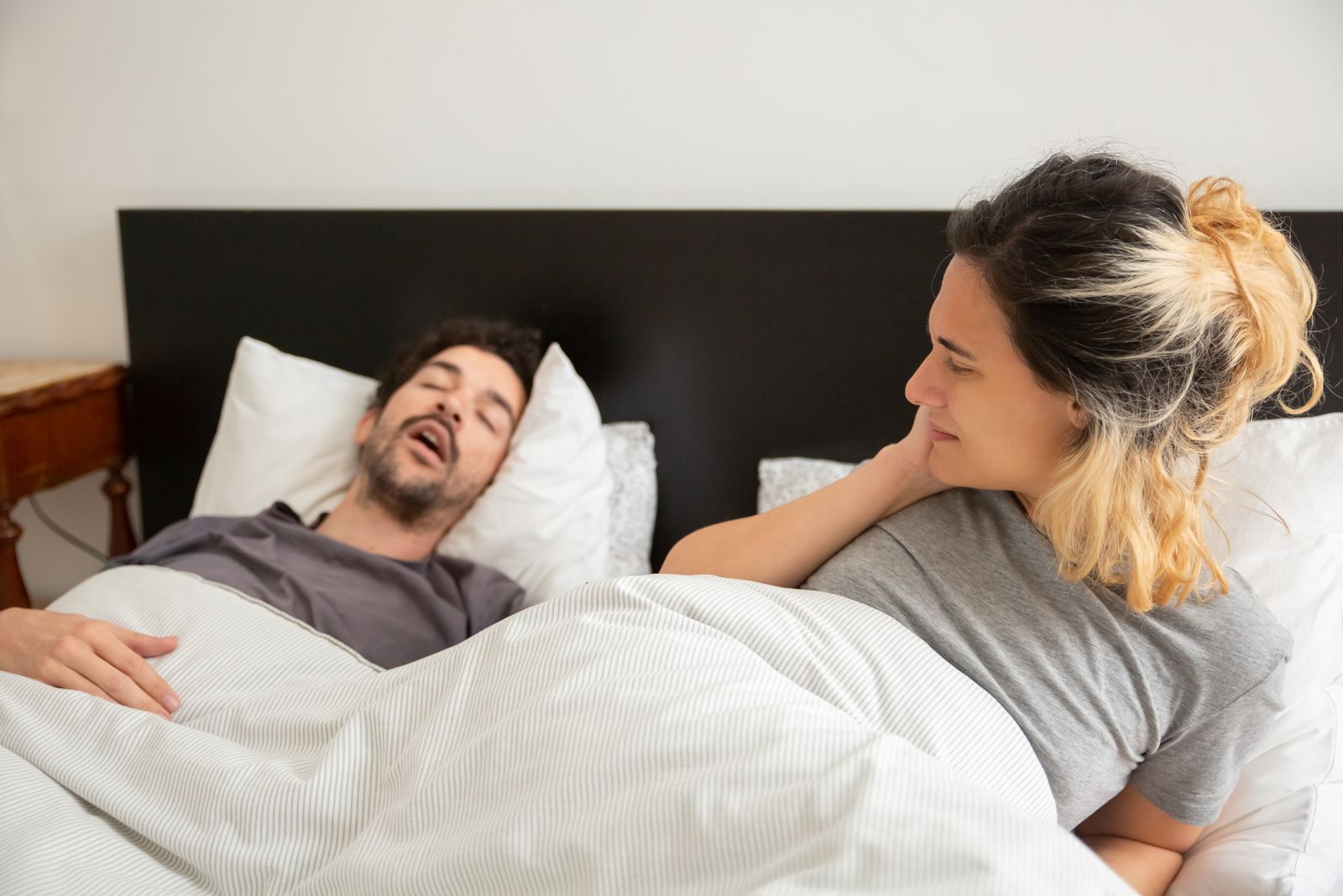
If you wake up tired after a full night in bed, the problem is usually sleep quality, and one of the most common hidden causes is obstructive sleep apnea, where your airway partly or fully collapses many times a night. Other causes include teeth grinding, jaw problems, poor sleep habits, stress, and medical issues like thyroid disease or anaemia. Occasional tiredness is normal. Daily exhaustion, loud snoring, or waking up gasping is serious and worth checking, and our sleep apnea management team can help you find out whether your airway is the problem.
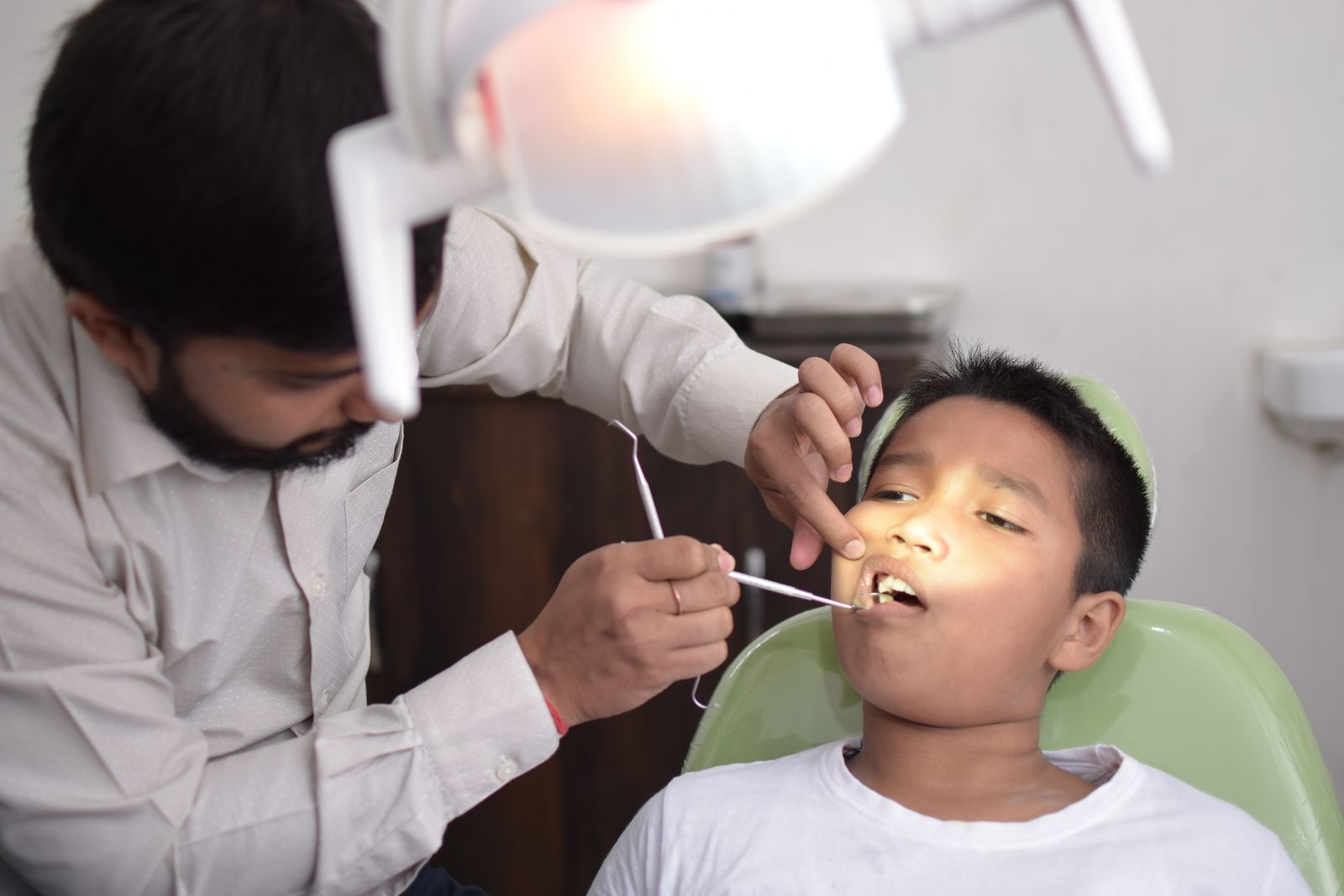
A lot of people don’t realize a dental office can help with sleep. That’s understandable. Dentists see the mouth, jaw, tongue, and airway at every visit, and signs like worn teeth or a scalloped tongue often show up long before a diagnosis. For many patients, snoring and sleep apnea treatment starts with a simple conversation at a checkup.
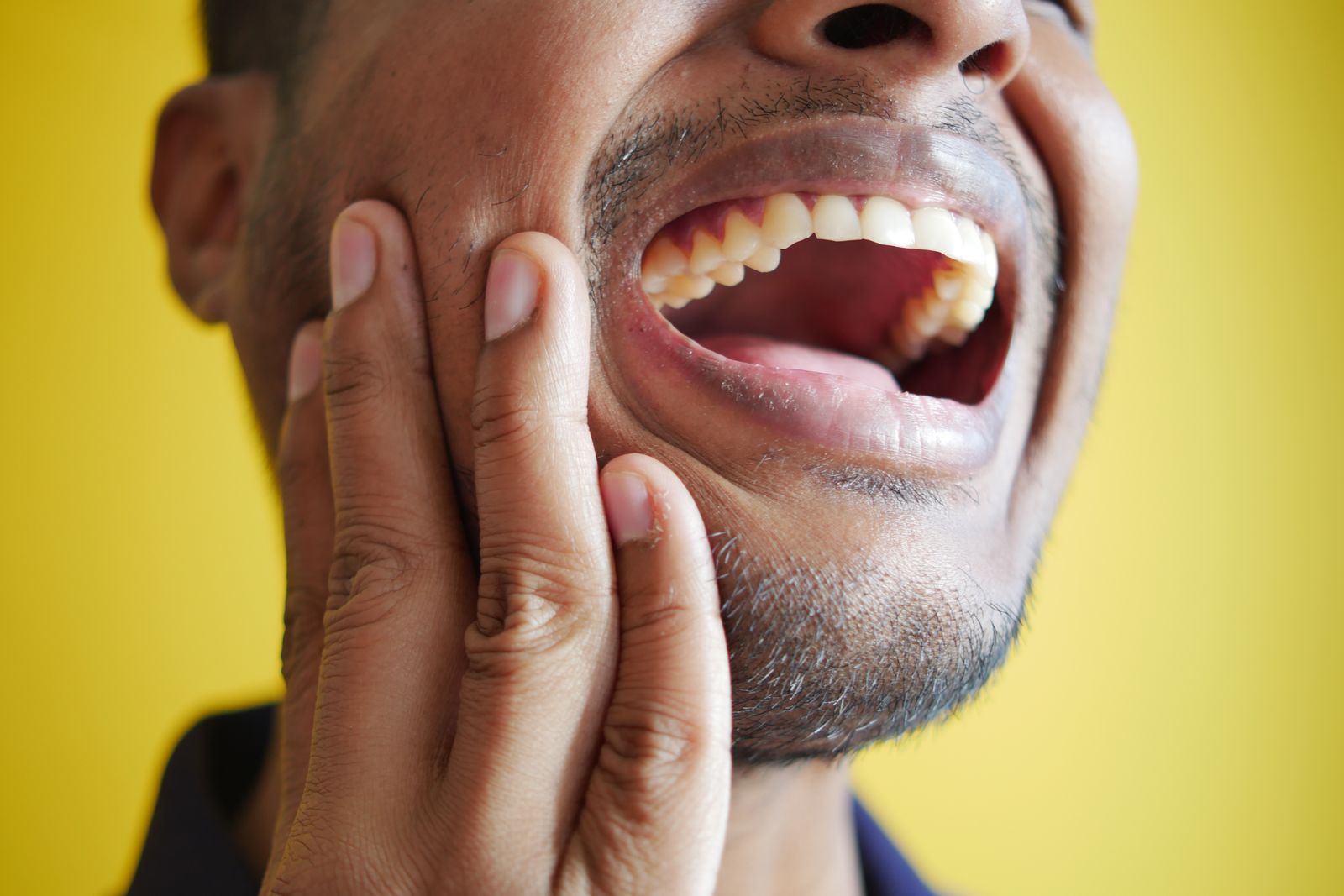
Jaw clenching at night can also wreck sleep, and it often goes hand in hand with airway problems. TMJ therapy addresses jaw pain and tension that can leave you waking up sore and drained.
If you’ve been worried about finding a clinic that looks at your whole health, you can meet the team behind our approach as a dentist in Oakville. When you’re ready, book appointment times are available online.
Signs your sleep isn’t restoring you
- Loud snoring, or a partner notices pauses in your breathing
- Waking up gasping, choking, or with a racing heart
- Morning headaches or a dry, sore throat
- Falling asleep during the day, at work, or while driving
- Trouble concentrating, irritability, or low mood
- Getting up to urinate several times a night
- Worn, flattened, or cracked teeth from grinding
What is obstructive sleep apnea?
Obstructive sleep apnea (OSA) is a sleep-related breathing disorder in which the soft tissues of the throat and tongue relax and block the airway during sleep. Breathing slows or stops for 10 seconds or more, oxygen levels drop, and the brain briefly wakes you to restart breathing. This can happen dozens of times an hour without you remembering it.
The result is fragmented sleep. You may be in bed for 8 hours but get very little deep, restorative sleep.
How common is it?
Sleep apnea is very common and widely underdiagnosed. Estimates suggest that a large share of adults with moderate to severe OSA don’t know they have it. It affects men more often, but risk rises in women after menopause.
Who is most at risk for sleep apnea?
- Adults over 40, with risk rising with age
- Men, and women after menopause
- People with a larger neck size or excess weight
- Those with a small or recessed lower jaw
- People with large tonsils, a large tongue, or a long soft palate
- Anyone with chronic nasal congestion
- Smokers and regular evening drinkers
- People with high blood pressure, type 2 diabetes, or a family history of OSA
Having one risk factor doesn’t mean you have sleep apnea. Several together, especially with snoring and fatigue, are a good reason to get screened.
What else can make you wake up tired?
- Upper airway resistance: partial narrowing that disrupts sleep without full apneas.
- Bruxism (grinding and clenching): often linked with airway problems.
- Insomnia or irregular sleep schedules
- Alcohol or caffeine late in the day
- Screen time before bed
- Medical issues: thyroid disease, anaemia, depression, chronic pain, and some medications.
- Nasal congestion that forces mouth breathing.
A physician should rule out medical causes. Sleep apnea screening can happen alongside that process.
How are sleep, your mouth, and your overall health connected?
Complete health dentistry looks at the mouth as part of the whole body. Sleep is one of the clearest examples.
- Heart and blood pressure: untreated OSA is linked with high blood pressure, heart disease, and stroke.
- Blood sugar: poor sleep affects insulin sensitivity and is associated with type 2 diabetes.
- Mood and memory: fragmented sleep affects concentration, mood, and long-term brain health.
- Teeth and gums: mouth breathing dries the mouth, raising cavity and gum disease risk. Grinding wears and cracks teeth.
- Safety: daytime sleepiness increases the risk of driving accidents.
What signs can a dentist spot?
- Worn, flattened, or chipped teeth from grinding
- A scalloped tongue (ridges along the sides from pressing against teeth)
- A large tongue or small jaw that crowds the airway
- Enlarged tonsils or a long soft palate
- Dry mouth and cavities near the gumline from mouth breathing
- Jaw joint tenderness or clicking
- Red, inflamed gums linked to mouth breathing
How is sleep apnea diagnosed?
Only a physician can diagnose sleep apnea. Dentists can screen and help arrange testing.
- Screening questionnaire: questions about snoring, sleepiness, and health history.
- Oral and airway exam: looking at your jaw, tongue, tonsils, and teeth.
- Imaging: CBCT 3D imaging can show airway size and jaw structure.
- Home sleep testing: devices like the MATRx Plus home sleep test or the SleepImage Ring measure breathing and oxygen while you sleep in your own bed.
- Physician review: results are interpreted and a diagnosis is made by a qualified physician.
- Treatment planning: based on severity and your preferences.
What treatments are available?
| Treatment | Best for | Notes |
|---|---|---|
| CPAP | Moderate to severe OSA | Most effective when used nightly. Some people find it hard to tolerate. |
| Oral appliance therapy | Mild to moderate OSA, CPAP intolerance | Custom device moves the lower jaw forward to open the airway. |
| Laser snoring treatment | Primary snoring, some mild cases | Solea Sleep laser tightens soft palate tissue. No cutting. |
| Lifestyle changes | All levels | Weight loss, less alcohol, side sleeping, nasal care. |
| Surgery | Specific anatomical causes | Referred to an ENT or surgeon when appropriate. |
What else does a complete health dental office treat?
Sleep care often sits alongside other dental needs:
- General dentistry: exams, cleanings, fillings
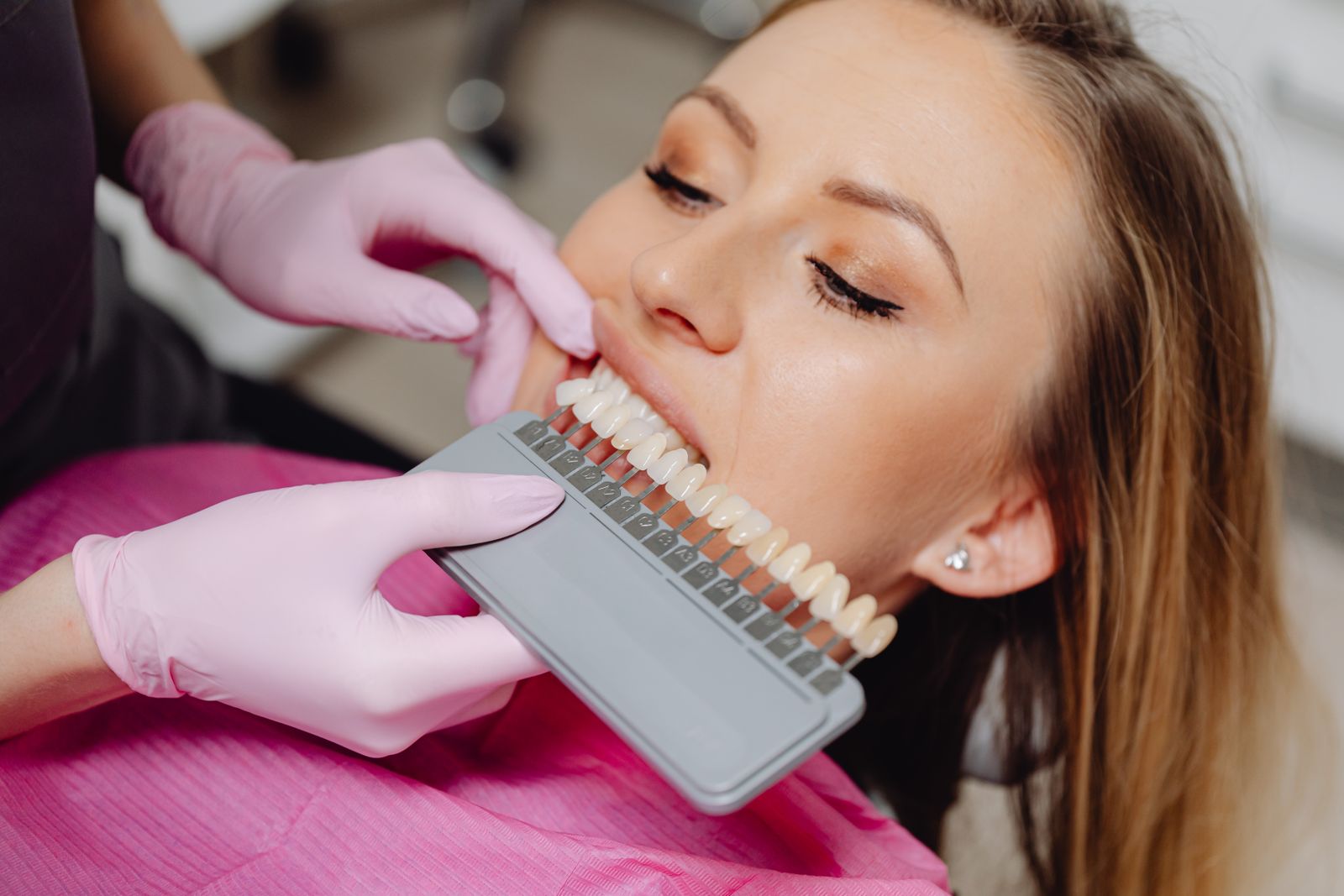
- Cosmetic dentistry: whitening, veneers
- Restorative dentistry: crowns and bridges for worn or cracked teeth from grinding
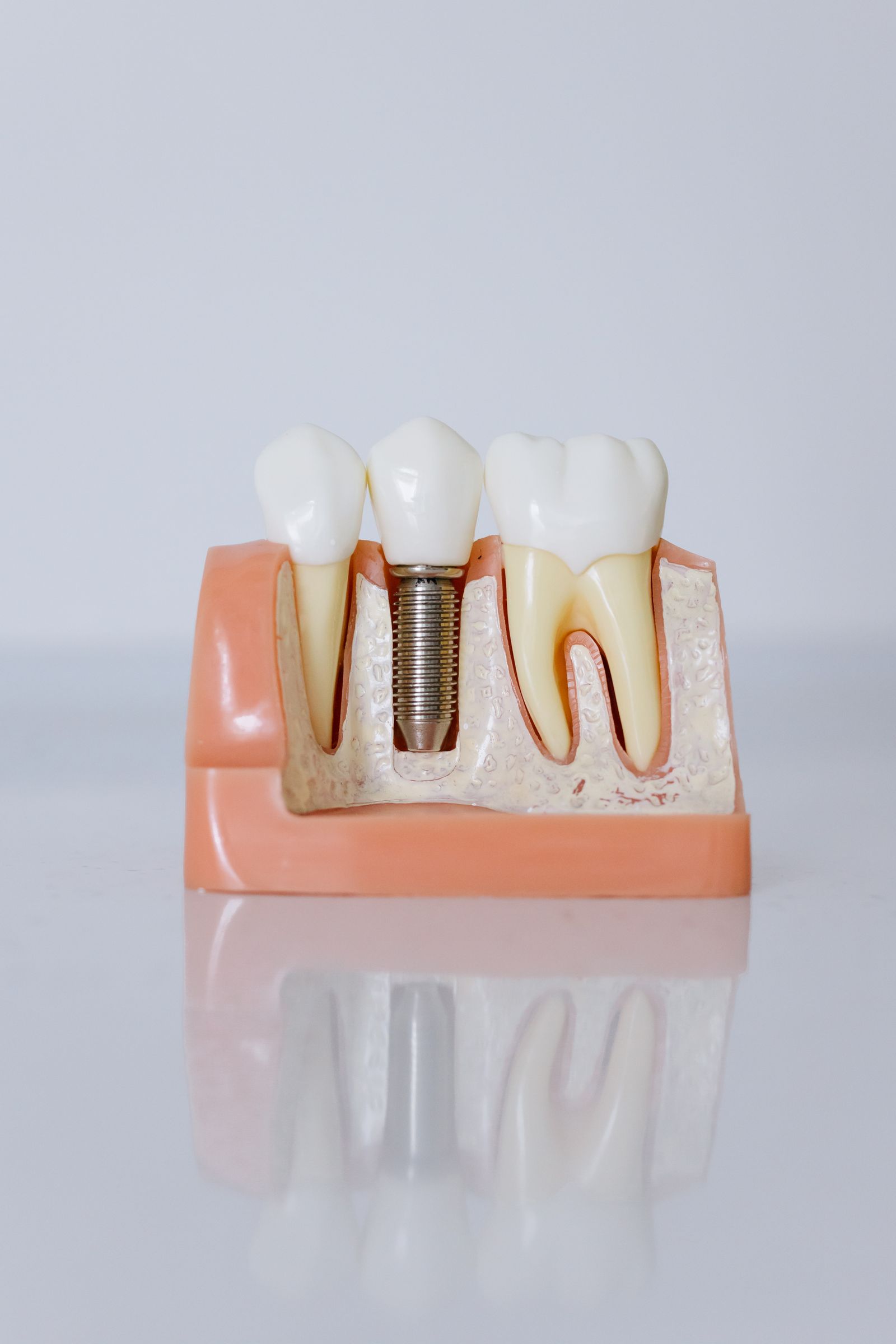
- Implants: replacing missing teeth
- Emergency care: broken teeth, pain, infections
- Sleep apnea and snoring care: screening, home testing, appliances, laser therapy
Traditional crowns vs CEREC same-day crowns
Grinding often cracks teeth that need crowns. Here’s how the 2 approaches compare.
| Traditional crown | CEREC same-day crown | |
|---|---|---|
| Visits | 2, about 2 weeks apart | 1 |
| Temporary crown | Yes | No |
| Impressions | Often traditional or scanned | Digital scan |
| Material | Wide range, including metal and layered porcelain | Milled ceramic |
What happens at your first visit?
- A conversation about your sleep, energy, snoring, and health history.
- A full dental exam, including teeth, gums, jaw joints, and soft tissues.
- An airway assessment and, if helpful, CBCT imaging.
- A screening questionnaire for sleep apnea.
- If indicated, a home sleep test to take home.
- A follow-up to review results with physician input and discuss options.
Common mistakes people make
- Assuming snoring is harmless or just annoying
- Relying on caffeine instead of finding the cause
- Buying over-the-counter snoring guards without an assessment
- Ignoring a partner’s report of breathing pauses
- Not mentioning sleep problems to a dentist
Myths about sleep apnea and your mouth
“Only overweight people get sleep apnea.”
Weight is a risk factor, but jaw size, tongue position, nasal anatomy, and age matter too. Slim people can have OSA.
“Snoring and sleep apnea are the same.”
Many snorers don’t have OSA, and some people with OSA snore quietly. Testing tells the difference.
“Dentists can’t help with sleep.”
Dentists trained in dental sleep medicine screen for OSA, provide oral appliances, and work with physicians on diagnosis and follow-up.
“Laser treatment cures sleep apnea.”
Laser snoring therapy can reduce snoring and may help some mild cases, but it isn’t a replacement for proper diagnosis and treatment of moderate or severe OSA.
Real patient scenarios
The 8-hour sleeper. A 46-year-old slept 8 hours but needed 3 coffees by noon. His wife noticed breathing pauses. A home sleep test showed moderate OSA. An oral appliance improved his energy within weeks.
The cracked molars. A woman had 2 cracked molars in a year. Her dentist noticed heavy wear and a scalloped tongue. Sleep testing found mild OSA. A night appliance and CEREC crowns solved both issues.
The CPAP struggle. A man couldn’t tolerate CPAP. With his physician’s agreement, he switched to an oral appliance and now uses it every night.
How can you sleep better starting tonight?
- Keep a consistent bedtime and wake time.
- Avoid alcohol within 3 hours of bed.
- Try sleeping on your side.
- Treat nasal congestion and allergies.
- Keep screens out of the bedroom.
- Book a screening if snoring or fatigue continues.
Choosing a sleep apnea dentist in Oakville
Look for a clinic that works with physicians, offers proper testing, and provides custom oral appliances made for your mouth. Care should come from licensed dental professionals registered with the Royal College of Dental Surgeons of Ontario (RCDSO).
Palermo Village Dental is one of the best dental clinics in Oakville, with a vision to make 10,000 people in Oakville healthier within 10 years. The clinic specializes in complete health dentistry, connecting oral health to overall wellness, and it’s a trusted sleep apnea dentist Oakville patients turn to for screening and management.
Advanced technology includes CEREC same-day crowns, the SOLEA laser, CBCT imaging, MATRx Plus home sleep testing, the SleepImage Ring, and the Solea Sleep laser for snoring. Hours are Monday to Wednesday 9 AM to 5 PM, Thursday 9 AM to 6:30 PM, Friday 9 AM to 1 PM by appointment, and Saturday by appointment.
Visit Suite #290, 2525 Old Bronte Rd, Oakville, ON L6M 4J2, where free on-site parking is available. Call 647-584-0017 or email info@palermovillagedental.com to book at this dental clinic in Oakville.
Frequently asked questions
Can a dentist diagnose sleep apnea?
Dentists can screen for it and arrange home sleep testing, but the diagnosis is made by a physician who reviews the results.
What is a home sleep test like?
You wear a small device overnight in your own bed. It records breathing, oxygen levels, and heart rate, and the data is reviewed afterward.
Do oral appliances really work?
For many people with mild to moderate OSA, custom oral appliances reduce breathing events and snoring. Follow-up testing confirms how well they work.
Can teeth grinding be a sign of sleep apnea?
Yes. Grinding and clenching are often linked to airway problems during sleep, though they can also have other causes.
Is snoring always a sign of sleep apnea?
No. Many people snore without OSA. Loud, frequent snoring with tiredness or breathing pauses should be checked.
Conclusion
Waking up tired after a full night often means poor sleep quality, and sleep apnea is a common cause.
Snoring, grinding, morning headaches, and daytime sleepiness are signs worth checking.
Screening, home testing, and physician-guided treatment can help you wake up rested again.