Teeth usually become sensitive to cold when the protective enamel wears thin or the gums recede, exposing the softer dentin layer underneath, which contains tiny channels that lead directly to the nerve. This type of sensitivity is very common and often manageable, but a sharp pain that lingers for more than 30 seconds after the cold is gone can signal a cavity, crack or inflamed nerve that needs prompt attention. At Palermo Village Dental, we look for the cause rather than simply masking the symptom. Many cases improve with simple steps recommended during routine general dentistry visits.
It is natural to worry that sensitivity means something serious, or that fixing it will involve complex treatment. In most cases, it does not. When receding gums are the main cause, targeted periodontal care can protect exposed root surfaces and stop the problem from progressing.
Sometimes cold sensitivity comes from a cracked or heavily filled tooth. Restoring those teeth with durable crowns and bridges seals the tooth and often resolves the pain completely.
Below, we explain how to tell everyday sensitivity from something more urgent, which treatments work, and how to prevent it from returning. You can also find our dental clinic in Oakville on Google Maps when you are ready to book.
What Is Tooth Sensitivity?
Tooth sensitivity, also called dentin hypersensitivity, is a short, sharp pain that occurs when exposed dentin is touched by cold, heat, sweet or acidic foods, or even cold air. Dentin is made of microscopic tubules. When these tubules are open, temperature changes cause fluid inside them to move, which triggers the nerve and produces a quick jolt of pain.
Why Are My Teeth Sensitive to Cold?
Worn enamel
Acidic foods and drinks, acid reflux, aggressive brushing and teeth grinding can all wear down enamel, leaving dentin closer to the surface.
Gum recession
When gums pull back, the root surface becomes exposed. Roots are not covered by enamel, so they are especially sensitive. Gum disease, hard brushing and genetics are common causes.
Tooth decay
Cavities break through enamel and allow cold to reach the inner tooth. Sensitivity in one specific tooth is often a sign of decay.
Cracked teeth and worn fillings
Tiny cracks and leaking fillings let temperature changes reach the nerve. Pain may also occur when biting.
Teeth whitening
Whitening can cause temporary sensitivity that usually fades within a few days.
Recent dental work
Mild sensitivity after a filling, crown or cleaning is normal and typically settles within a few weeks.
Grinding and clenching
Night grinding wears enamel and flexes teeth, which can lead to sensitivity near the gumline.
Which Foods and Drinks Trigger Sensitivity Most?
Cold is the most common trigger, but it is rarely the only one. Sensitive teeth often react to:
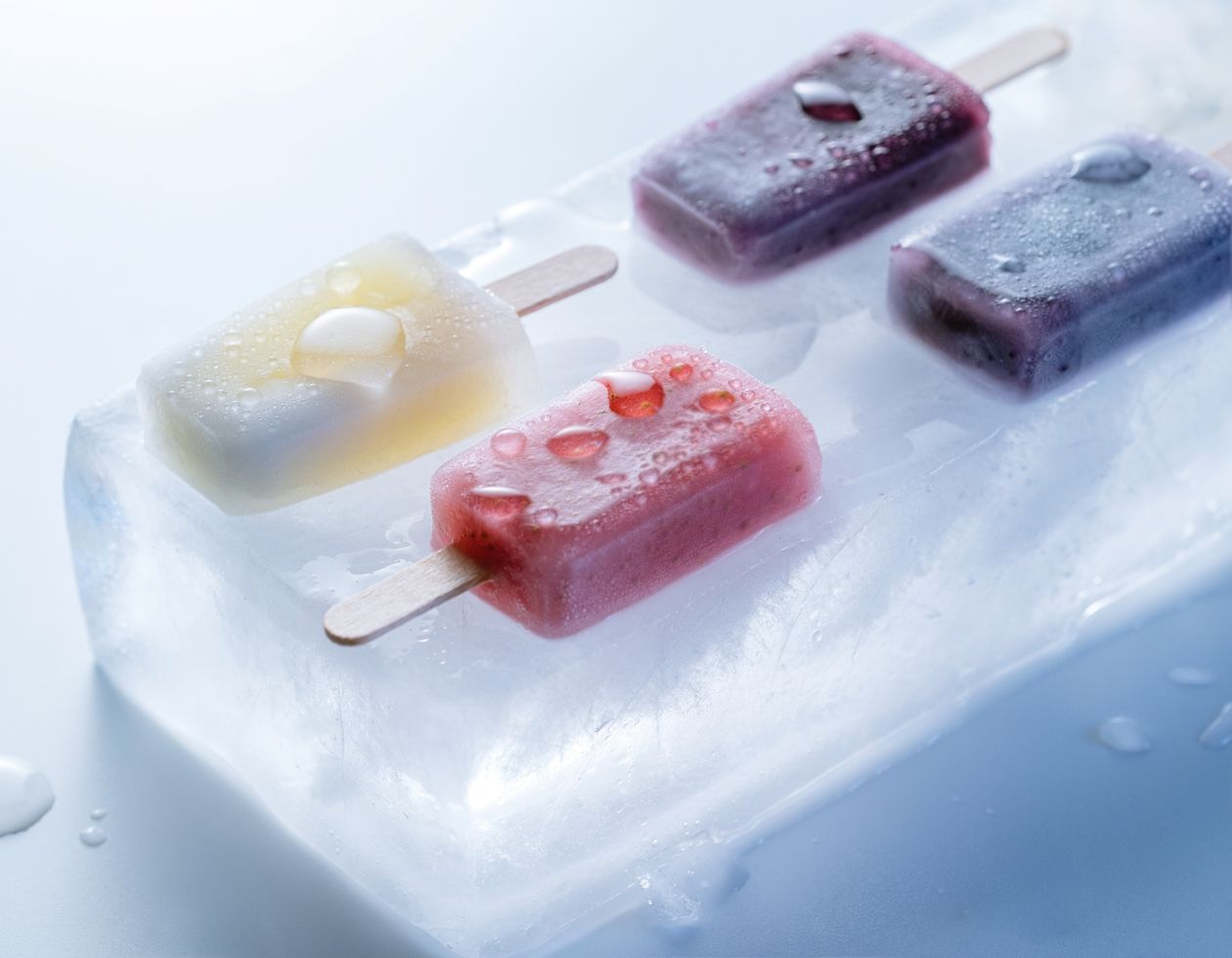
- Ice water, iced coffee, ice cream and frozen treats
- Hot soups, tea and coffee
- Sugary foods such as candy and pastries
- Acidic foods including citrus, tomatoes, pickles and vinegar dressings
- Carbonated and sports drinks
- Cold winter air when breathing through the mouth
Oakville winters can make sensitivity more noticeable, as cold outdoor air hits exposed dentin. Breathing through your nose and covering your mouth with a scarf can help on very cold days.
Can Teeth Whitening Make Cold Sensitivity Worse?
Whitening gels temporarily open dentin tubules, so short-term sensitivity is common. It usually fades within a few days. To reduce discomfort, use a desensitizing toothpaste for two weeks before and after whitening, follow wear times exactly, and avoid very cold drinks for a day or two afterwards. If you already have exposed roots or worn enamel, it is wise to treat those first and have a professional supervise whitening.
Normal Sensitivity vs a Warning Sign: How Can You Tell?
- Brief sensitivity that stops within seconds: Usually exposed dentin. Often managed with home care and preventive treatment.
- Pain in one tooth that lingers for 30 seconds or more: May indicate an inflamed nerve. Needs prompt assessment.
- Pain when biting or releasing: Possibly a cracked tooth.
- Spontaneous throbbing or pain at night: Can signal infection or irreversible nerve damage.
- Swelling, a pimple on the gum or bad taste: Possible abscess. Treat as urgent.
Signs You Need a Dental Visit
- Sensitivity lasting longer than two weeks
- Pain getting worse over time
- One tooth that hurts more than others
- Visible holes, dark spots or chips
- Gums that bleed, recede or look swollen
- Pain that wakes you at night
What Happens at Your First Visit for Sensitive Teeth?
- Conversation about your symptoms. When does it hurt, which teeth, and how long does the pain last?
- Health history review. Reflux, diet, grinding, whitening and medications are discussed.
- Clinical exam. Teeth, fillings and gums are examined, and gum pockets are measured.
- Sensitivity testing. Gentle air or cold tests help locate the affected teeth.
- Imaging. Digital X-rays, and CBCT 3D imaging when needed, reveal hidden decay, cracks or infection.
- Personalized plan. You receive a clear explanation and treatment options that fit your goals.
How Is Cold Sensitivity Treated?
At home
- Desensitizing toothpaste: Ingredients such as potassium nitrate, stannous fluoride or arginine reduce sensitivity over several weeks of consistent use.
- Soft toothbrush and gentle technique: Prevents further wear and recession.
- Reduce acidic foods and drinks: And rinse with water afterwards.
In the dental chair
- Fluoride varnish and desensitizing agents: Seal open tubules and strengthen enamel.
- Bonding or sealants: Cover exposed root surfaces with tooth-coloured material.
- Laser-assisted treatment: For some patients, dental lasers can help reduce sensitivity and treat soft tissue gently.
- Gum treatment: Periodontal therapy, and sometimes gum grafting, protects exposed roots.
- Fillings and crowns: Repair decay, cracks or leaking restorations.
- Root canal therapy: Recommended when the nerve is irreversibly inflamed or infected.
- Night guards: Protect teeth from grinding damage.
Traditional Crowns vs CEREC Same-Day Crowns
If a cracked or heavily restored tooth is causing your sensitivity, a crown may be the best long-term fix. Understanding the options helps you plan:
- Time: A traditional crown is usually completed over two visits, with a temporary crown in between. A CEREC crown is designed, milled and bonded in a single appointment.
- Comfort: Temporary crowns can feel sensitive and occasionally come loose. CEREC avoids the temporary stage.
- Precision: CEREC uses a digital scan instead of traditional impression material.
- Appearance: Both use natural-looking ceramic materials.
- Exceptions: Complex cases or certain materials may still be made by a lab.
Is Tooth Sensitivity Connected to Overall Health?
Sensitivity can be a window into broader health. Enamel erosion may point to acid reflux or eating patterns, while gum recession may reflect gum disease, a chronic inflammatory condition linked with heart disease and diabetes. Grinding-related sensitivity may be associated with stress or sleep-disordered breathing. A complete health dentistry approach treats the sensitive tooth and also asks why it happened.
Real Patient Scenarios
The iced coffee lover
A patient felt sharp pain with every sip of iced coffee. The exam found mild gum recession on several teeth from hard brushing. A desensitizing toothpaste, a softer brush and fluoride varnish reduced the pain within a month.
The lingering ache
Another patient had cold sensitivity in one molar that lasted almost a minute each time. Imaging showed deep decay near the nerve. Root canal therapy and a same-day crown resolved the pain in a single extended visit.
The night grinder
A patient with sensitivity along the gumline of several teeth also reported morning headaches. Worn enamel pointed to grinding. A custom night guard and bonding over the most sensitive areas brought lasting relief.
Quick Relief While You Wait for Your Appointment
- Switch to lukewarm drinks and avoid ice for a few days
- Brush gently with a desensitizing toothpaste and leave a thin layer on sensitive spots before bed
- Avoid acidic and very sugary snacks
- Chew on the opposite side if one tooth is especially sensitive
- Use over-the-counter pain relief as directed on the label if needed
These steps can ease discomfort, but they are not a substitute for finding the cause.
Common Mistakes Patients Make
- Brushing harder to “fix” sensitivity, which makes it worse
- Switching toothpastes every few days instead of giving one time to work
- Ignoring sensitivity in a single tooth
- Assuming sensitivity is just part of getting older
- Using whitening products repeatedly without professional advice
Common Myths About Sensitivity and Dental Technology
Myth: Sensitive teeth always need a root canal
Fact: Most sensitivity is treated with simple measures. Root canals are only needed when the nerve is inflamed or infected.
Myth: Same-day crowns are not as strong as lab crowns
Fact: CEREC crowns use high-quality ceramic blocks and are durable for most single-tooth restorations.
Myth: Desensitizing toothpaste works instantly
Fact: Most need two to four weeks of twice-daily use to reach full effect.
Myth: Advanced technology makes treatment more invasive
Fact: Digital imaging and modern tools usually allow more precise, conservative care.
How to Choose the Right Dentist in Oakville for Sensitive Teeth
- Choose a clinic that identifies causes, not just symptoms
- Look for modern diagnostics such as digital and 3D imaging
- Ask about conservative options before more involved treatment
- Value clear explanations and follow-up support
- Confirm that dentists are registered with the Royal College of Dental Surgeons of Ontario (RCDSO)
Prevention and Maintenance Tips
- Brush gently twice a day with a soft brush and fluoride or desensitizing toothpaste
- Floss daily to protect gum health
- Limit acidic drinks and use a straw when you have them
- Wait 30 minutes after acidic foods before brushing
- Wear a night guard if you grind
- Book regular checkups and cleanings
Does Sensitivity Get Worse With Age?
It can. Gums naturally recede slightly over time and older fillings wear, exposing more dentin. However, consistent gentle brushing, fluoride and regular checkups keep sensitivity manageable at any age.
Safety Disclaimer
This article is general information and not a diagnosis. Tooth sensitivity can come from several causes, some of which need timely treatment to prevent infection. Use products as directed, and seek prompt care for swelling, fever or severe pain. Always choose licensed dental professionals registered with the Royal College of Dental Surgeons of Ontario (RCDSO), and keep follow-up appointments to confirm your treatment is working.
Gentle, Thorough Care at Palermo Village Dental
As one of the best dental clinics in Oakville, Palermo Village Dental works toward a clear vision: helping 10,000 people in Oakville become healthier within 10 years. Our complete health dentistry approach means sensitivity is evaluated in the context of your gums, bite, diet and sleep.
We use advanced technology including CEREC same-day crowns, SOLEA laser, CBCT imaging, MATRx Plus home sleep testing, the SleepImage Ring and Solea Sleep laser therapy for snoring. Alongside full dental services, we also provide sleep apnea screening and management.
Visit us at Suite #290, 2525 Old Bronte Rd, Oakville, ON L6M 4J2, where free on-site parking is available. Our hours are Monday to Wednesday 9 AM to 5 PM, Thursday 9 AM to 6:30 PM, Friday 9 AM to 1 PM by appointment, and Saturday by appointment. Call 647-584-0017 or email info@palermovillagedental.com. Patients looking for a family dentist in Oakville or a dental office in Oakville with modern technology will feel at home with our team.
Frequently Asked Questions
Why are my teeth suddenly sensitive to cold?
Sudden sensitivity can come from new gum recession, a cavity, a crack, recent whitening or grinding. If it lasts more than two weeks, have it checked.
Can sensitive teeth heal on their own?
Mild sensitivity after whitening or dental work often settles naturally. Sensitivity from exposed roots or enamel loss usually needs ongoing care to manage.
How long does desensitizing toothpaste take to work?
Most people notice improvement after two to four weeks of consistent twice-daily use.
Is cold sensitivity a sign of a cavity?
It can be, especially if it affects one tooth. An exam and X-rays can confirm whether decay is present.
Can a crown stop tooth sensitivity?
If sensitivity comes from a cracked or heavily filled tooth, a crown can seal and protect it, often eliminating the pain.
Conclusion
Cold sensitivity usually comes from exposed dentin caused by worn enamel or receding gums.
Brief twinges are often manageable, but lingering pain in one tooth deserves prompt attention.
Finding and treating the underlying cause gives you lasting comfort and protects your long-term oral health.