Waking up with jaw pain is most often caused by clenching or grinding your teeth during sleep, known as sleep bruxism, which overworks the jaw muscles and strains the temporomandibular joints. It is common and usually not dangerous, but jaw pain that happens most mornings is a sign worth investigating, because it can be linked to TMJ disorders, worn or cracked teeth, and sometimes sleep-disordered breathing such as sleep apnea. Treatment options such as TMJ therapy in Oakville can relieve pain and protect your teeth. If you are worried about finding a dentist in Oakville who looks at the whole picture rather than just one sore tooth, you are not alone.
Many people put off asking about morning jaw pain because they assume nothing can be done, or fear that diagnosis will be complicated. In reality, a careful exam and, when appropriate, simple sleep screening can explain a lot. Grinding and sleep apnea often occur together, which is why snoring and sleep apnea treatment sometimes reduces jaw pain as well.
Night grinding also places enormous force on teeth. Over time, it can crack fillings and teeth, and restoring a damaged tooth with CEREC same-day crowns can save you multiple appointments.
This guide explains the main causes of morning jaw pain, how dentists diagnose it, and which treatments work best. When you are ready for a personal assessment, you can book an appointment at our Oakville clinic.
What Does Morning Jaw Pain Feel Like?
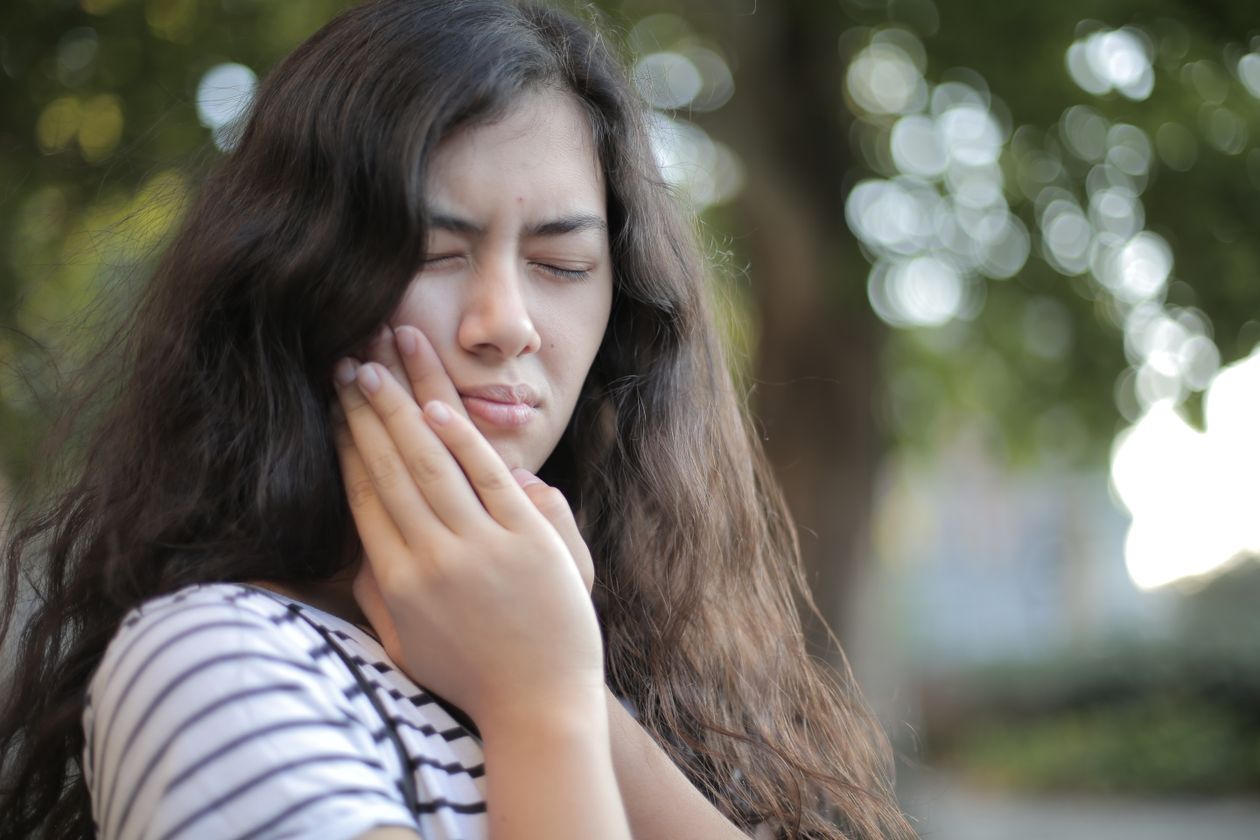
Morning jaw pain can show up in different ways. Common descriptions include:
- A dull ache in the cheeks or in front of the ears
- Tight, tired jaw muscles that loosen as the day goes on
- Clicking, popping or grinding sounds when opening the mouth
- Difficulty opening wide first thing in the morning
- Headaches at the temples on waking
- Sensitive or sore teeth, especially the back molars
- Earaches without an ear infection
What Causes Jaw Pain When You Wake Up?
1. Sleep bruxism (night grinding and clenching)
Bruxism is the repetitive clenching or grinding of teeth. During sleep, the forces involved can be several times stronger than normal chewing. Most people do not know they grind until a partner hears it, or a dentist notices worn, flattened or chipped teeth.
2. Temporomandibular disorders (TMD)
The temporomandibular joints connect your lower jaw to your skull. When these joints or the muscles around them are inflamed or overloaded, pain, clicking and restricted movement can result. Night grinding is one of the most common contributors.
3. Sleep-disordered breathing and sleep apnea
Obstructive sleep apnea occurs when the airway repeatedly narrows or collapses during sleep. Research suggests that some grinding episodes happen around these breathing disruptions, possibly as the body tries to reopen the airway. That means jaw pain, snoring and daytime fatigue can sometimes share the same root cause.
4. Stress and anxiety
Emotional stress increases muscle tension and is strongly linked with clenching, both during the day and at night.
5. Bite problems and dental issues
A high filling, a cracked tooth, missing teeth or an uneven bite can make jaw muscles work harder. A toothache from an infected tooth can also radiate into the jaw.
6. Sleeping position
Sleeping on your stomach or with a hand under your jaw can put pressure on the joint overnight.
7. Other medical causes
Arthritis, sinus problems and some medications, including certain antidepressants, can contribute to jaw pain or grinding.
Is Morning Jaw Pain Serious?
Occasional jaw soreness after a stressful week is common and usually temporary. It becomes more important when it happens most days or comes with other symptoms.
Signs you should book a dental visit
- Jaw pain most mornings for more than two weeks
- Worn, chipped, cracked or loose teeth
- Jaw locking or difficulty opening your mouth
- Morning headaches or earaches
- Loud snoring, gasping during sleep, or waking unrefreshed
- A partner noticing grinding sounds or pauses in breathing
When to seek urgent care
Jaw pain together with chest pain, shortness of breath, sweating or pain spreading down the arm can be a sign of a heart problem. Call 911 immediately in that situation. Sudden jaw swelling with fever can signal infection and needs prompt care.
How Is Morning Jaw Pain Diagnosed?
A thorough diagnosis looks beyond the sore spot. Here is what patients can expect at their first visit:
- Health and sleep history. Your dentist asks about pain patterns, stress, sleep quality, snoring, headaches and medications.
- Jaw and muscle exam. The joints and chewing muscles are gently checked for tenderness, clicking and range of motion.
- Tooth and bite assessment. Wear facets, cracks and bite imbalances are documented.
- Advanced imaging. CBCT 3D imaging can show the joint structures and airway in detail when needed.
- Sleep screening. If sleep apnea is suspected, home sleep testing can measure breathing patterns overnight in your own bed.
- Treatment plan. You receive a clear explanation of the likely causes and a step-by-step plan.
What Treatments Help Morning Jaw Pain?
Custom night guards
A professionally made night guard places a protective layer between the teeth. It reduces wear and can ease muscle strain. Store-bought guards are less precise and can sometimes make clenching worse.
TMJ therapy
Treatment may include jaw exercises, posture guidance, muscle relaxation techniques, and in-office therapies to reduce inflammation and improve joint movement.
Sleep apnea management
If testing confirms sleep apnea, options may include a custom oral appliance that gently positions the lower jaw forward to keep the airway open, coordination with a physician, and laser-based snoring treatment for suitable patients.
Restoring damaged teeth
Cracked or worn teeth may need bonding, onlays or crowns to restore strength and balance the bite.
Home care
- Apply warm compresses to tight muscles in the morning
- Eat softer foods during flare-ups
- Avoid chewing gum and very chewy foods
- Keep teeth apart and jaw relaxed during the day
- Limit caffeine and alcohol, especially in the evening
- Practise relaxation or breathing exercises before bed
Traditional Crowns vs CEREC Same-Day Crowns for Grinding Damage
When grinding has cracked a tooth, a crown is often the best way to hold it together. Here is how the two main options compare:
- Appointments: Traditional crowns usually take two visits a few weeks apart. CEREC crowns are commonly completed in one visit.
- Temporary crown: Traditional crowns need a temporary in between, which can loosen in grinders. CEREC avoids this step.
- Impressions: Traditional crowns may use impression material. CEREC uses a fast digital scan.
- Strength and look: Both can use durable, tooth-coloured ceramic.
- Special cases: Some complex restorations may still be made by an outside dental lab.
How Is Jaw Pain Connected to Your Overall Health?
Complete health dentistry looks at the mouth as part of the whole body. Morning jaw pain can be a clue to poor sleep quality, and untreated sleep apnea has been linked with high blood pressure, heart disease, daytime fatigue and mood changes. Chronic pain and poor sleep also affect each other in a cycle. Treating the source, rather than just the symptom, can improve rest, energy and long-term wellness.
Real Patient Scenarios
The stressed professional
A patient in their thirties woke with tight jaw muscles during a demanding project at work. An exam showed early tooth wear. A custom night guard and simple daytime relaxation habits eased the pain within weeks.
The loud snorer
A patient’s partner complained about snoring and occasional pauses in breathing. The patient also had morning headaches and jaw soreness. Home sleep testing suggested sleep apnea, and after a physician diagnosis, an oral appliance improved sleep and reduced jaw pain.
The cracked molar
Another patient felt sharp pain when biting and noticed jaw tension every morning. A cracked molar caused by grinding was restored with a same-day crown, and a night guard was made to protect the remaining teeth.
Common Mistakes Patients Make
- Assuming jaw pain is just stress and will pass on its own
- Buying a generic boil-and-bite guard without an exam
- Ignoring snoring or daytime tiredness
- Waiting until a tooth cracks before seeking help
- Relying only on pain relievers without finding the cause
Common Myths About Jaw Pain and Sleep
Myth: Only children grind their teeth
Fact: Grinding is common in adults and often increases during stressful periods.
Myth: Snoring is harmless
Fact: Snoring can be harmless, but loud snoring with gasping or pauses can be a sign of sleep apnea.
Myth: Dentists only treat teeth
Fact: Dentists trained in TMJ and sleep-related care help identify airway and jaw problems and coordinate with physicians for diagnosis and treatment.
Myth: Dental technology just adds complexity
Fact: Tools like 3D imaging and same-day crowns usually make care faster, more precise and more comfortable.
How to Choose the Right Dental Clinic in Oakville for Jaw Pain
- Look for a team experienced in TMJ therapy and bite assessment
- Ask whether the clinic offers sleep apnea screening
- Check for modern imaging such as CBCT
- Choose a clinic that explains your options clearly and coordinates with your physician
- Confirm that dentists are registered with the Royal College of Dental Surgeons of Ontario (RCDSO)
Prevention and Maintenance Tips
- Wear your night guard every night and bring it to checkups
- Keep a regular sleep schedule
- Manage stress with exercise, stretching or mindfulness
- Sleep on your back or side rather than your stomach
- Book regular exams so wear can be tracked over time
Safety Disclaimer
This article provides general information and is not a diagnosis. Jaw pain has many possible causes, and sleep apnea can only be diagnosed by a physician using appropriate testing. Do not start or stop medications without medical advice, and seek emergency care for jaw pain with chest symptoms. For dental and TMJ concerns, always choose licensed dental professionals registered with the Royal College of Dental Surgeons of Ontario (RCDSO), and attend follow-up visits so your treatment can be adjusted as needed.
Complete Health Care for Jaw Pain at Palermo Village Dental
Palermo Village Dental is one of the best dental clinics in Oakville and is driven by a vision to make 10,000 people in Oakville healthier within 10 years. Our complete health dentistry approach connects oral health with whole-body wellness, so morning jaw pain is evaluated alongside sleep, breathing and bite.
Our advanced technology includes CEREC same-day crowns, SOLEA laser, CBCT imaging, MATRx Plus home sleep testing, the SleepImage Ring and Solea Sleep laser treatment for snoring. We also offer sleep apnea screening and management alongside general, family, cosmetic, restorative, implant and emergency dentistry.
You will find us at Suite #290, 2525 Old Bronte Rd, Oakville, ON L6M 4J2, with free on-site parking available. We are open Monday to Wednesday 9 AM to 5 PM, Thursday 9 AM to 6:30 PM, Friday 9 AM to 1 PM by appointment, and Saturday by appointment. Call 647-584-0017 or email info@palermovillagedental.com to arrange a visit with a sleep apnea dentist in Oakville who will take time to listen.
Frequently Asked Questions
Can sleep apnea cause jaw pain?
It can be related. Some people clench or grind during breathing disruptions at night, which can strain the jaw. A dentist can screen for signs and coordinate testing if needed.
How do I know if I grind my teeth at night?
Common signs include morning jaw soreness, headaches, worn or chipped teeth, and a partner hearing grinding sounds. A dental exam can confirm signs of bruxism.
Will a night guard stop jaw pain?
A custom night guard often reduces muscle strain and protects teeth. If pain continues, additional TMJ therapy or sleep evaluation may be recommended.
Can jaw pain go away on its own?
Occasional soreness often settles with rest and stress reduction. Persistent or worsening pain should be assessed so the cause can be treated before teeth or joints are damaged.
Is it safe to take pain relievers for morning jaw pain?
Over-the-counter pain relievers can help short-term when used as directed. They do not fix the cause, so ongoing pain needs a professional assessment.
Conclusion
Morning jaw pain is usually caused by night clenching or grinding, but it can also point to TMJ problems or sleep-disordered breathing.
A complete assessment of your teeth, jaw and sleep helps uncover the true cause.
With the right treatment, most people wake up more comfortable and protect their teeth for the long term.