
Smoking harms teeth and gums by staining enamel, reducing blood flow to the gums, weakening the immune response and slowing healing, which roughly doubles the risk of gum disease and significantly raises the risk of tooth loss and oral cancer. These effects are common and build up gradually, so they are serious even when nothing hurts, because smoking can hide early warning signs such as bleeding gums. The encouraging news is that the mouth starts to recover soon after quitting, and timely periodontal care can stop much of the damage. Choosing a top dental office that offers judgement-free support makes that first step much easier.
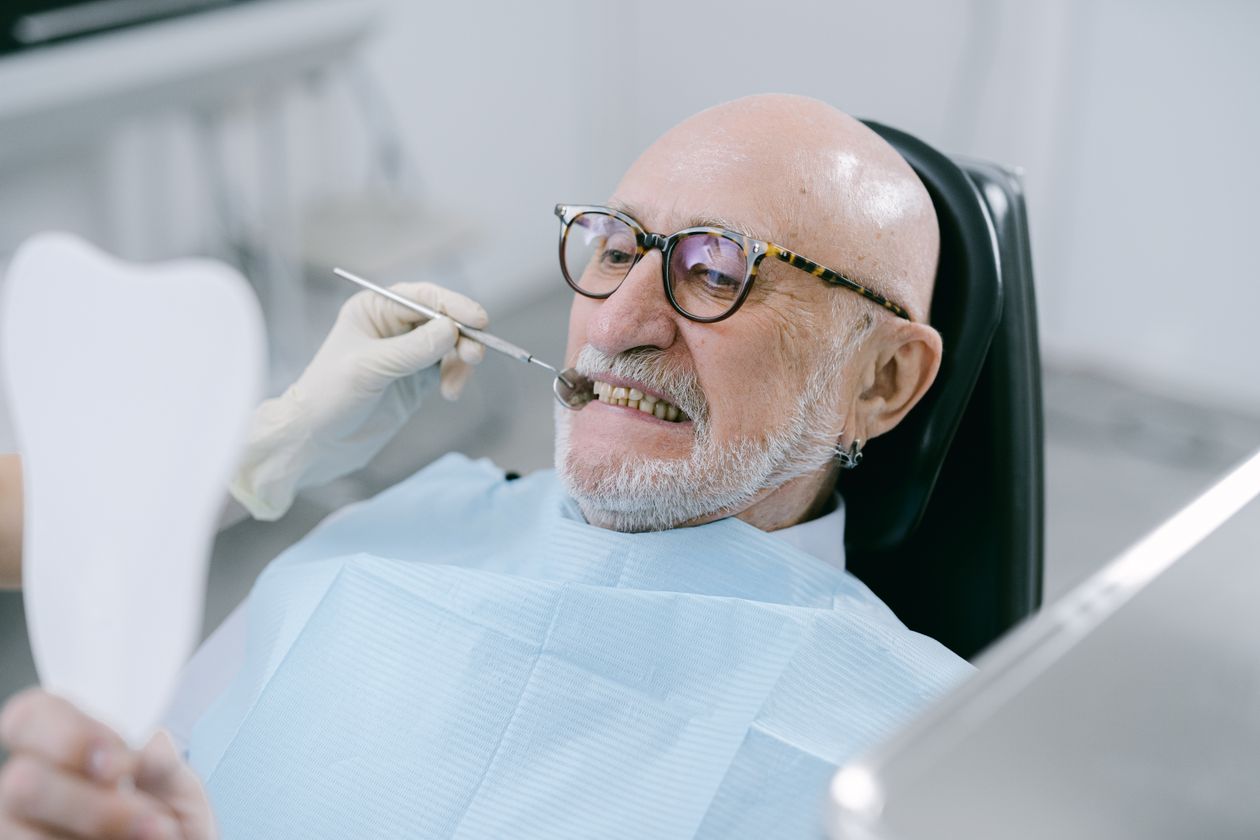
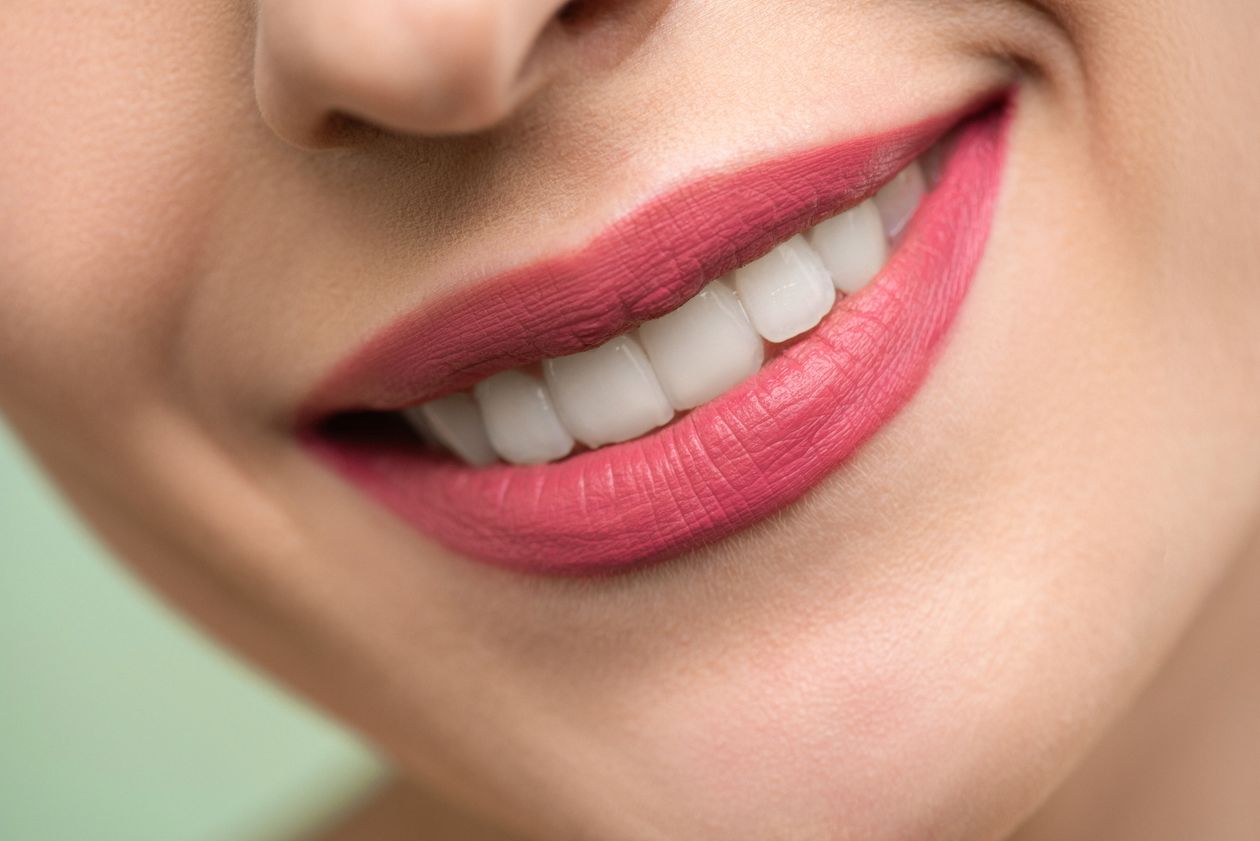
Many smokers avoid the dentist because they feel embarrassed or expect a lecture. That fear is understandable, but a good dental team focuses on helping, not judging. Stains are one of the most visible effects of smoking, and professional teeth whitening can brighten a smile once the source of staining is reduced.
Smoking also affects the long-term success of tooth replacement. People who smoke have a higher risk of complications with dental implants, so quitting or cutting back before treatment improves the outcome.
The effects reach beyond the mouth as well. Smoking irritates and inflames the airway, which is one reason it is linked with snoring and breathing problems during sleep. Our sleep apnea management services look at these connections as part of complete health care.
How Does Smoking Affect Your Mouth?
Tobacco smoke contains thousands of chemicals, including nicotine, tar and carbon monoxide. In the mouth, these chemicals affect almost every tissue.
Stained teeth
Tar and nicotine settle into the tiny pores of enamel, causing yellow to brown stains that brushing alone cannot remove.
Bad breath
Smoke particles linger in the mouth and lungs, and smoking dries the mouth, which allows odour-causing bacteria to thrive.
Gum disease
Smoking is one of the strongest risk factors for periodontitis. It narrows blood vessels in the gums and weakens the immune response, allowing infection to damage the bone that supports the teeth.
Hidden warning signs
Because nicotine reduces blood flow, smokers’ gums often bleed less even when gum disease is present. This can create a false sense of security.
Slower healing
Reduced circulation and oxygen delay healing after extractions, gum treatment and implant surgery, and raise the risk of dry socket.
Tooth loss
Advanced gum disease and bone loss make smokers more likely to lose teeth earlier in life.
Oral cancer and precancerous changes
Smoking is a major cause of oral cancer. It can also cause white patches called leukoplakia, some of which may become cancerous over time.
Changes in taste and smell
Many smokers notice reduced taste and smell, which often improve after quitting.
Does Smoking Affect Sleep and Breathing?
Yes. Smoking irritates the lining of the nose and throat and can cause swelling in the upper airway. This narrowing can contribute to snoring and has been associated with a higher risk of obstructive sleep apnea. Nicotine is also a stimulant, and withdrawal during the night can fragment sleep. Poor sleep, in turn, is linked to higher stress, fatigue and difficulty quitting, creating a cycle that affects overall health.
What About Cannabis and Vaping?
Smoking cannabis exposes the mouth to hot smoke and many of the same irritants as tobacco. It is commonly linked with dry mouth, increased cravings for sugary snacks, and gum inflammation. Vaping avoids some of the tar found in cigarette smoke, but most vapes still deliver nicotine, which reduces blood flow to the gums, and the liquids can dry the mouth. Neither option is risk-free for oral health, so let your dentist know about any form of smoking or vaping so your care can be tailored.
Smoker’s Mouth vs Healthy Mouth: A Quick Comparison
- Gums: Healthy gums are pink and firm. Smokers’ gums may look pale, thick or receding, with less bleeding even when infected.
- Teeth: Healthy teeth have natural shade variation. Smokers often have yellow or brown staining, especially near the gumline.
- Breath: A healthy mouth has neutral breath. Smoking causes lingering odour and dryness.
- Healing: Healthy tissues heal predictably. Smokers heal more slowly and have a higher risk of infection and dry socket.
Signs You Should See a Dentist
- Gums that look red, swollen or are pulling away from the teeth
- Teeth that feel loose or have shifted
- Persistent bad breath or a bad taste
- White, red or dark patches in the mouth
- Sores that do not heal within two weeks
- Lumps, thickened areas or numbness
- Loud snoring, gasping at night or daytime exhaustion
What Happens at Your First Visit?
- A relaxed conversation. Your dentist asks about your health, smoking habits and goals without judgement.
- Comprehensive exam. Teeth, gums, tongue, cheeks and throat are checked carefully.
- Gum measurements. Pocket depths around each tooth reveal hidden gum disease.
- Oral cancer screening. Soft tissues are examined for any suspicious changes.
- Imaging. Digital X-rays or CBCT 3D scans show bone levels and hidden problems.
- Sleep questions. If snoring or fatigue are concerns, screening for sleep-disordered breathing may be suggested.
- A clear plan. You receive treatment options and practical support to protect your oral health.
How Can Dental Treatment Help Smokers?
- Professional cleanings: Remove tar, stains and hardened tartar.
- Periodontal therapy: Deep cleaning below the gumline, and laser-assisted gum therapy for suitable patients, to control infection.
- Whitening and cosmetic care: Restore brightness once staining habits are reduced.
- Restorative treatment: Fillings and crowns repair teeth damaged by decay or wear.
- Tooth replacement: Implants, bridges and dentures planned with smoking risks in mind.
- Sleep screening: Home sleep testing helps identify breathing problems for physician diagnosis.
Traditional Crowns vs CEREC Same-Day Crowns
Smokers who need a crown often benefit from fewer appointments and less time with a temporary crown, which can stain and loosen. Here is how the options compare:
- Traditional crowns: Typically two appointments, impressions, and a temporary crown for a few weeks while a lab makes the final restoration.
- CEREC same-day crowns: Digital scan, in-office design and milling, and placement in one visit, with no temporary crown.
- Appearance: Both use tooth-coloured ceramic that resists staining better than natural enamel.
- Limitations: Some complex or multi-tooth restorations may still be made by a lab.
Oral Health and Your Whole Body
Complete health dentistry recognizes that the mouth and body are closely linked. Gum disease is a chronic inflammatory condition associated with heart disease, stroke, diabetes complications and respiratory problems. Smoking increases the risk of many of these conditions on its own, so the combination of smoking and gum disease adds up. Treating gum infection and reducing tobacco use benefits both your smile and your long-term health.
What Happens When You Quit?
- Within days: Blood flow to the gums begins to improve, and taste and smell can sharpen.
- Within weeks: Breath freshens and the mouth feels less dry.
- Within months: Gums respond better to treatment, and healing after procedures improves.
- Over years: The risk of gum disease, tooth loss and oral cancer gradually decreases.
Talk to your doctor or pharmacist about quit-smoking aids, and consider free provincial and national quit support programs.
Real Patient Scenarios
The “healthy” gums
A long-time smoker believed their gums were healthy because they never bled. Measurements revealed moderate periodontitis. After gum therapy and reducing smoking, pocket depths improved at follow-up.
The implant candidate
A patient wanted an implant to replace a missing molar. The team explained how smoking raises risks, and the patient chose to quit before surgery. The implant healed well, and regular maintenance keeps it healthy.
The snorer
A patient who smoked and snored loudly mentioned daytime fatigue. Screening suggested a breathing problem during sleep. After physician diagnosis, a combination of treatment and quitting smoking improved both sleep and energy.
Tips for Protecting Your Mouth While You Work on Quitting
- Rinse with water after smoking to reduce residue
- Chew sugar-free gum to boost saliva
- Use a fluoride toothpaste and an alcohol-free rinse
- Set a quit date and tell your dental and medical team so they can support you
Common Mistakes Smokers Make
- Skipping dental visits out of embarrassment
- Relying on whitening toothpaste to hide stains
- Assuming no bleeding means no gum disease
- Ignoring mouth sores or white patches
- Smoking soon after extractions or surgery, which raises the risk of dry socket
Common Myths About Smoking, Technology and Sleep
Myth: Switching to cigars or pipes is safer for your mouth
Fact: All forms of smoked tobacco increase the risk of gum disease and oral cancer.
Myth: It is too late to benefit from quitting
Fact: Your gums and healing ability improve at any age after you stop smoking.
Myth: Snoring is just a habit
Fact: Snoring can be a sign of airway narrowing and sometimes sleep apnea, which deserves proper evaluation.
Myth: High-tech dentistry is only for cosmetic cases
Fact: Tools like 3D imaging and dental lasers improve diagnosis and comfort for everyday treatment too.
How to Choose the Right Dental Clinic in Oakville
- Choose a team that treats you with respect and without judgement
- Look for thorough gum assessments and oral cancer screening
- Ask whether sleep and airway concerns are considered
- Prefer clinics with modern imaging and same-day options
- Confirm dentists are registered with the Royal College of Dental Surgeons of Ontario (RCDSO)
Prevention Tips for Smokers and Former Smokers
- Brush twice daily and clean between teeth every day
- Drink plenty of water to reduce dry mouth
- Book cleanings every three to six months as recommended
- Check your mouth monthly for sores or patches
- Seek support to quit, and avoid smoking around dental procedures
Safety Disclaimer
This article provides general educational information and does not replace medical or dental advice. Speak with your doctor or pharmacist before using quit-smoking medications. Any mouth sore, patch or lump lasting more than two weeks should be examined promptly. Sleep apnea can only be diagnosed by a physician. Always seek care from licensed dental professionals registered with the Royal College of Dental Surgeons of Ontario (RCDSO), and attend follow-up visits so progress can be monitored.
Supportive, Complete Health Care in Oakville
Palermo Village Dental is one of the best dental clinics in Oakville, with a vision to help 10,000 people in Oakville become healthier within 10 years. We specialize in complete health dentistry, linking the health of your mouth with your overall wellness, and we provide sleep apnea screening and management alongside full dental services.
Our clinic offers advanced technology including CEREC same-day crowns, the SOLEA laser, CBCT imaging, MATRx Plus home sleep testing, the SleepImage Ring and Solea Sleep laser treatment for snoring.
We are located at Suite #290, 2525 Old Bronte Rd, Oakville, ON L6M 4J2, with free on-site parking. Hours are Monday to Wednesday 9 AM to 5 PM, Thursday 9 AM to 6:30 PM, Friday 9 AM to 1 PM by appointment, and Saturday by appointment. Call 647-584-0017 or email info@palermovillagedental.com. If you are looking for the best dentist in Oakville to help you protect your health, our team is ready to support you.
Frequently Asked Questions
Can smoking stains be removed from teeth?
Professional cleaning removes much of the surface staining, and whitening can lighten deeper stains. Results last longer if smoking is reduced or stopped.
Why don’t my gums bleed if I have gum disease?
Nicotine narrows blood vessels, which can reduce bleeding even when infection is present. This is why regular gum measurements are important for smokers.
Can I get dental implants if I smoke?
It is possible, but smoking increases the risk of complications. Your dentist will discuss ways to reduce that risk, including quitting before and after surgery.
Does smoking cause snoring?
Smoking can inflame and narrow the airway, which may contribute to snoring and is associated with a higher risk of sleep apnea.
How soon after quitting does my mouth improve?
Blood flow and taste can begin improving within days, and gum health continues to improve over the following months.
Conclusion
Smoking affects your teeth, gums, healing and even your sleep, often without obvious pain.
Regular dental care helps detect hidden problems early, and quitting allows your mouth to recover.
With supportive care and the right treatment, a healthier smile is achievable at any stage.