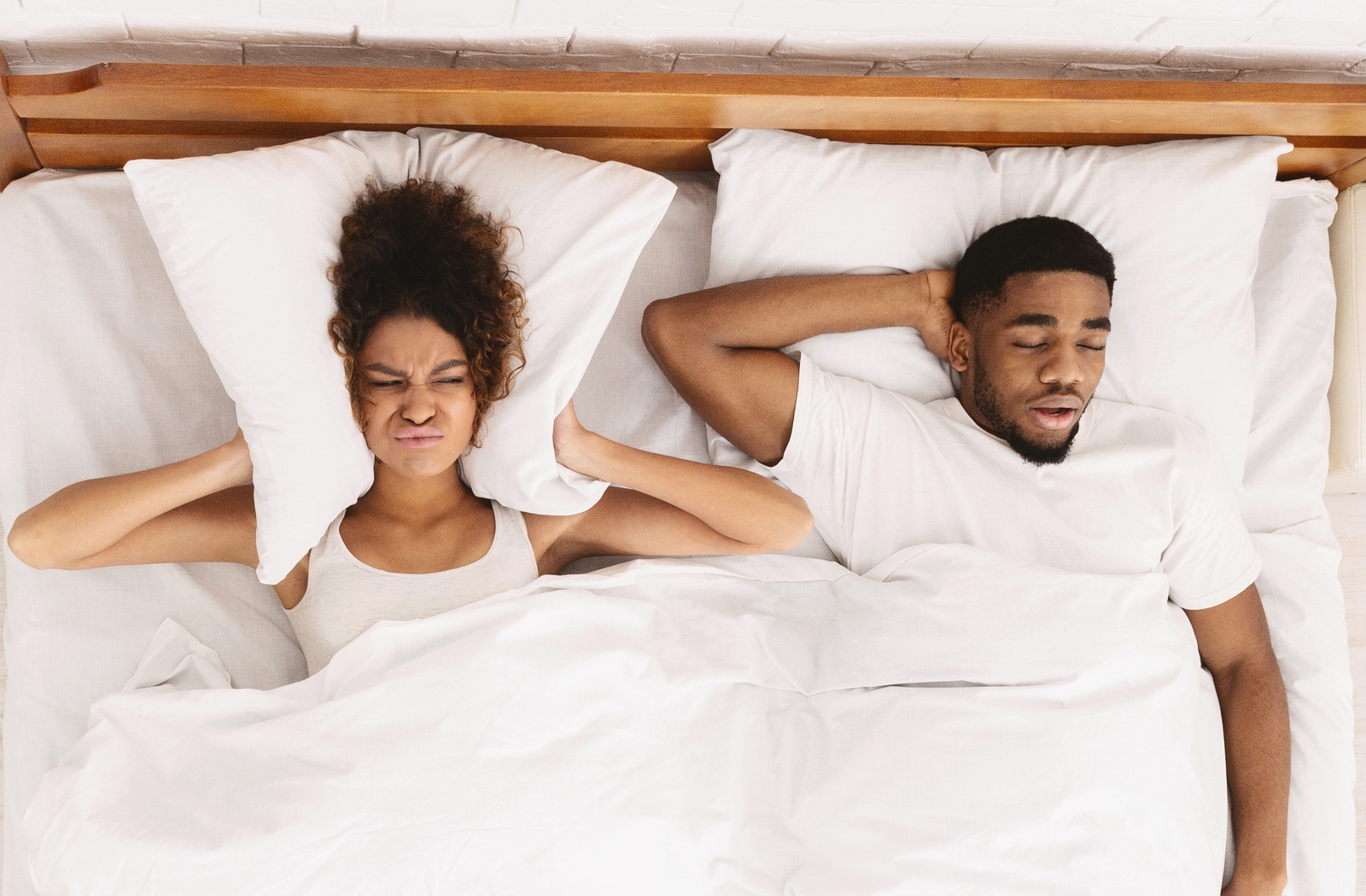
If you’re having trouble sleeping or you’re keeping your loved ones awake at night, you may suffer from obstructive sleep apnea. The best way to find out if you have sleep apnea, or to find an effective treatment plan that works for you is by booking an appointment with your dentist or doctor. At Palermo Village Dental we can help identify and diagnose sleep disorders such as sleep apnea, by completing an at-home sleep study using our MATRx plus sleep technology, and can help you find the treatment options that are right for you.
Whether you’re a seasoned sleep apnea patient or have spent time researching potential treatments, you’ve probably heard of continuous positive airway pressure therapy, or CPAP, which is the most common treatment used for sleep apnea. But what if CPAP isn’t right for you? The good news is, there are many alternative treatment options for sleep apnea outside of CPAP, and we’re here to tell you all about them.
What is Sleep Apnea?
First, it’s important to understand exactly what obstructive sleep apnea is. Obstructive sleep apnea is a disorder where your breathing becomes irregular during sleep, which can be extremely dangerous and potentially life-threatening if left untreated.
Common Symptoms of Sleep Apnea
You may be suffering from sleep apnea if you experience any of the following symptoms regularly:
- Excessive or loud snoring
- Restless sleep
- Episodes in which you stop breathing during sleep (this is usually a harder symptom to spot unless reported by another person)
- Gasping, choking, or snorting during sleep
- Frequent trips to the bathroom at nights
- Waking up with a dry mouth
- Headaches occurring in the morning after waking up
- Insomnia (trouble falling or staying asleep) or hypersomnia (excessive sleepiness during the daytime)
- Difficulty paying attention while awake
- Irritability
- Chest pain at night
- Disrupting your partner’s sleep
What Causes Sleep Apnea?
Obstructive Sleep Apnea occurs when the throat muscles relax which causes your airways to narrow or close as you sleep. To combat this, your body will briefly wake up, and you may choke, gasp or snort to reopen your airways. This constant pattern of falling asleep and awakening can stop you from getting the restful, restorative sleep that your body needs.
How does CPAP Work?
The main treatment for Sleep Apnea is CPAP, which is a machine that uses pressurized air to keep your airways open during sleep. Unfortunately, the only way to deliver this steady airflow throughout the night is through a hose and mask worn during sleep which can be noisy and uncomfortable and can cause other adverse effects such as skin indentations, dry mouth, and can even lead to the development of other types of sleep apnea, such as central sleep apnea.
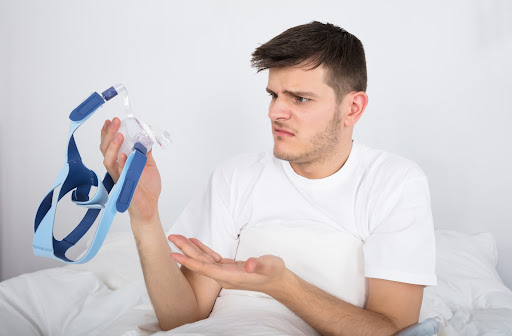
Alternatives to CPAP
Although the CPAP machine is the standard treatment for obstructive sleep apnea, it isn’t the only treatment. If the CPAP machine isn’t for you, there are many other treatment options available.
Oral Appliances
Oral appliances are used to treat sleep apnea and work by pushing your lower jaw and tongue forward to keep your airway open during sleep.
At Palermo Village Dental, we offer customized oral appliances to combat sleep apnea and help you get the sleep you need and deserve.
Bilevel Positive Airway Pressure (BiPAP)
Although similar to CPAP, the BiPAP machine offers multiple pressure settings, unlike the CPAP machine. If your only complaint with the CPAP machine is that the pressure level is either too much or too little for you, BiPAP may be a suitable alternative.
Surgery
Genetics may be the underlying cause of your sleep apnea. Whether it be natural jaw placement or additional soft tissue in the mouth, your dentist may recommend surgery to make permanent changes to help keep your airways clear.
Lifestyle Changes
There are several risk factors associated with developing sleep apnea. These factors include excess body weight, the use of alcohol, and smoking. Losing weight and limiting your consumption of alcohol and nicotine can decrease your chances of adverse health effects associated with obstructive sleep apnea, and may increase the chances that other alternative treatment methods will work.
What Now?
If you think you may suffer from sleep apnea or have been diagnosed but are apprehensive about CPAP, consult your dentist and book an appointment to discuss the alternative treatment options that are available to you.
Sleep apnea without CPAP: dental options explained
Clinically reviewed by the Palermo Village Dental team. Our dentists are registered with the Royal College of Dental Surgeons of Ontario (RCDSO). Last reviewed November 2026.
CPAP works well, but many people struggle to use it every night. For mild to moderate obstructive sleep apnea, and for people who cannot tolerate CPAP, a custom oral appliance is a recognized alternative. It gently holds the lower jaw forward during sleep, which helps keep the airway open and reduces snoring.
A sleep physician confirms the diagnosis, and a dentist with sleep training fits and adjusts the appliance. See our sleep apnea solutions and snoring and sleep apnea care.
What are the alternatives to CPAP?
Options vary by severity and cause.
| Option | Suits | Notes |
|---|---|---|
| Custom oral appliance | Mild to moderate OSA, CPAP intolerance | Fitted and adjusted by a dentist |
| Weight management | Overweight patients | Can reduce severity |
| Positional therapy | Apnea mainly on the back | Simple devices |
| Treating nasal blockage | Congestion, deviated septum | Physician or ENT care |
| Surgery | Specific anatomy | Specialist decision |
How does oral appliance therapy work?
- Screening and referral for a sleep test if needed.
- Physician confirms the diagnosis.
- Dental exam and 3D scan of your teeth.
- Custom appliance made and fitted.
- Gradual adjustment and a follow-up sleep test.
Living with an oral appliance
Most people adjust within a few weeks. Mild jaw stiffness or extra saliva in the morning is common at first and usually fades. A short morning exercise helps the jaw settle back. We check your bite at regular visits, because long-term use can shift it slightly. Clean the appliance every morning and store it dry. Read how to tell if your appliance is working.
- Wear every night
- Do morning jaw exercises
- Clean daily and store dry
- Attend follow-up checks
What is obstructive sleep apnea and why does it matter?
In obstructive sleep apnea, the throat tissues relax and narrow the airway during sleep, so breathing repeatedly slows or stops for a few seconds. Each pause lowers oxygen and briefly wakes the brain, often without you knowing. People commonly wake unrefreshed, feel sleepy during the day, snore loudly or are told they stop breathing at night. Over time, untreated apnea is linked with high blood pressure, heart problems and a higher risk of drowsy driving. The good news is that effective treatment, whether CPAP or an oral appliance, improves sleep quality and daytime energy for most people.
If you are unsure whether you have it, a simple screening at your dental visit and a home sleep test can point you in the right direction. Read how to know if you have sleep apnea.
- Loud snoring or gasping at night
- Waking tired or with headaches
- Daytime sleepiness
- High blood pressure
How do you get started with an oral appliance in Oakville?
The first step is a conversation. At your visit we ask about snoring, sleep quality, daytime tiredness and any previous sleep tests, and we examine your teeth, gums, jaw joints and airway. If sleep apnea has not been diagnosed, we can arrange a home sleep test and coordinate with a physician for the diagnosis. Once an appliance is recommended, we take a digital scan of your teeth so the appliance fits precisely. After fitting, we adjust it gradually over several weeks to find the most effective comfortable position, then confirm the result with a follow-up sleep test. Most people return for checks every six to twelve months so we can review fit, comfort and your bite.
How do oral appliances compare with CPAP?
CPAP delivers air pressure through a mask to keep the airway open and is very effective when used every night. Its weakness is comfort: many people find the mask, noise or air pressure hard to tolerate, so nightly use drops off. An oral appliance is small, quiet and easy to travel with, and people often wear it more consistently. For mild to moderate apnea, that consistency can make the two options similarly effective in daily life. For severe apnea, CPAP usually remains the first choice, with an appliance as a backup. Your physician and dentist can help you weigh comfort, severity and lifestyle.
Frequently asked questions
Can sleep apnea be treated without CPAP?
Yes. Oral appliances suit many people with mild to moderate OSA.
Do oral appliances work for severe apnea?
CPAP is usually first choice; an appliance may help if CPAP is not tolerated.
Who diagnoses sleep apnea?
A physician, usually after a sleep test.
Do oral appliances stop snoring?
Often yes, they reduce or stop snoring.
Are appliances comfortable?
Most people adjust within a few weeks.
How long does an appliance last?
Often several years with care.
Can my bite change?
Small changes can happen; we monitor them.
Is a home sleep test possible?
Yes, in many cases. See SleepImage ring.
Are oral appliances covered?
Some medical and dental plans cover them.
Where can I get an appliance in Oakville?
Palermo Village Dental offers sleep apnea management.
This page is general information and is not a diagnosis. Your dentist will recommend treatment after an examination. Reviewed by the Palermo Village Dental team, November 2026.
Book a visit at Palermo Village Dental
2525 Old Bronte Rd #290, Oakville, ON L6M 0R4. New and CDCP patients welcome. Read our Google reviews.