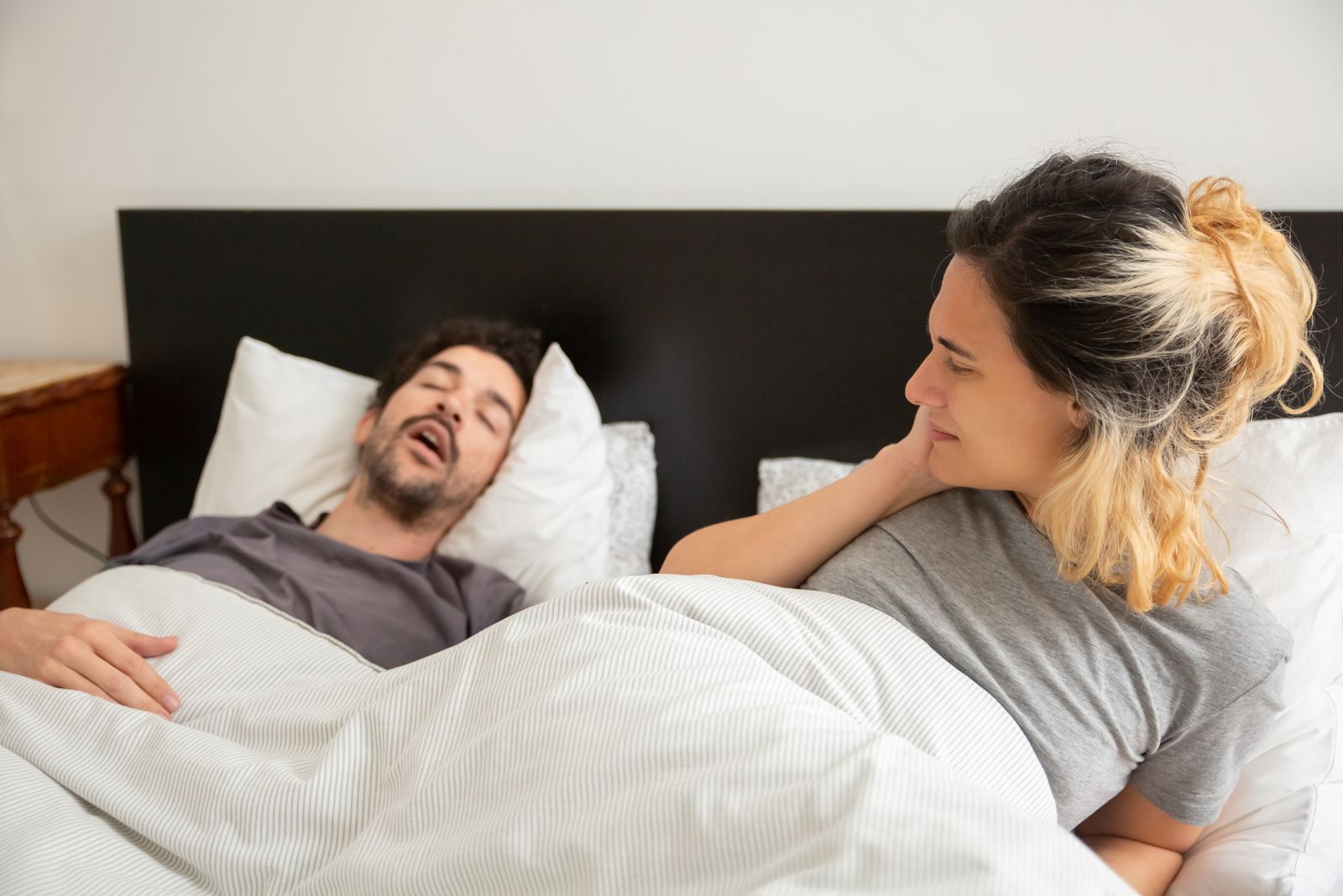
Home sleep testing is a portable, medically validated way to record breathing, oxygen levels, and sleep disruption in your own bed rather than in an overnight laboratory. Snoring on its own is common and often harmless, but snoring with witnessed pauses in breathing, morning headaches, and daytime exhaustion is a serious pattern that deserves proper investigation. A sleep apnea management programme within a dental practice exists because dentists see the earliest physical signs long before most patients think to mention their sleep.
The key point is simple. Obstructive sleep apnoea is a breathing disorder with cardiovascular consequences, not a snoring nuisance.
Screening, testing, and oral appliance therapy are handled together under snoring and sleep apnea treatment, which keeps assessment and management in one place.
Sleep disordered breathing frequently overlaps with grinding and jaw pain, so TMJ therapy is often part of the same conversation.
This whole approach reflects why patients look for a top dental office in Oakville that treats oral health as part of overall wellness rather than a separate silo.
If you are new to the area, you can find the practice through Palermo Village Dental on Google Maps.
When you are ready to be screened, the Oakville appointment page is the quickest way to start.
What Is Obstructive Sleep Apnoea?
Obstructive sleep apnoea is the repeated partial or complete collapse of the upper airway during sleep. Each event reduces oxygen and forces a brief arousal, fragmenting sleep architecture. Patients rarely remember these arousals, which is why the condition is so frequently missed.
Severity is described by the number of breathing events per hour of sleep, and it ranges from mild through moderate to severe. Diagnosis is a medical responsibility, while dentistry contributes screening and a major treatment option.
Why It Matters Beyond Tiredness
- Repeated oxygen dips place strain on the cardiovascular system
- Associated with high blood pressure and irregular heart rhythm
- Linked to impaired glucose control
- Increases the risk of motor vehicle and workplace incidents through daytime sleepiness
- Contributes to low mood, irritability, and reduced concentration
- Frequently coexists with nocturnal teeth grinding and enamel wear
Signs a Dentist Notices First
- Flattened, worn enamel consistent with night time grinding
- Scalloped edges on the tongue
- A narrow palate or crowded arch
- Large tonsils or an elongated soft palate
- Persistent dry mouth on waking, indicating mouth breathing
- Redness at the back of the throat without infection
- Jaw joint tenderness and morning muscle fatigue
- Recurrent morning headaches
None of these prove sleep apnoea. Together they build a case for screening.
How Home Sleep Testing Works
Portable diagnostic devices record physiological data across a normal night at home. Two technologies used in dental sleep practice illustrate the range.
Home Sleep Testing With MATRx Plus
This system records respiratory data across multiple nights and can additionally assess how the airway responds to advancing the lower jaw. That matters because it helps predict whether a mandibular advancement appliance is likely to work for a specific patient rather than relying on trial and error.
Screening With the SleepImage Ring
A small ring worn on the finger records cardiopulmonary signals overnight. It is unobtrusive, easy to use across several nights, and useful for identifying who needs fuller evaluation.
Home Testing Compared With Laboratory Polysomnography
- Home testing. Slept in your own bed, more representative of normal sleep, easier to repeat across nights, lower cost, and no waiting for a laboratory bed. Records fewer channels of data.
- Laboratory study. Records brain activity, eye movement, and limb movement in addition to breathing. Essential where central sleep apnoea, narcolepsy, seizure activity, or complex comorbidity is suspected. Less representative of a typical night and generally longer to access.
Home testing is a screening and diagnostic aid within its limits. It does not replace medical evaluation where the picture is complicated.
The Assessment Pathway Step by Step
- Conversation and questionnaire. Snoring history, witnessed pauses, daytime sleepiness scoring, and medical background.
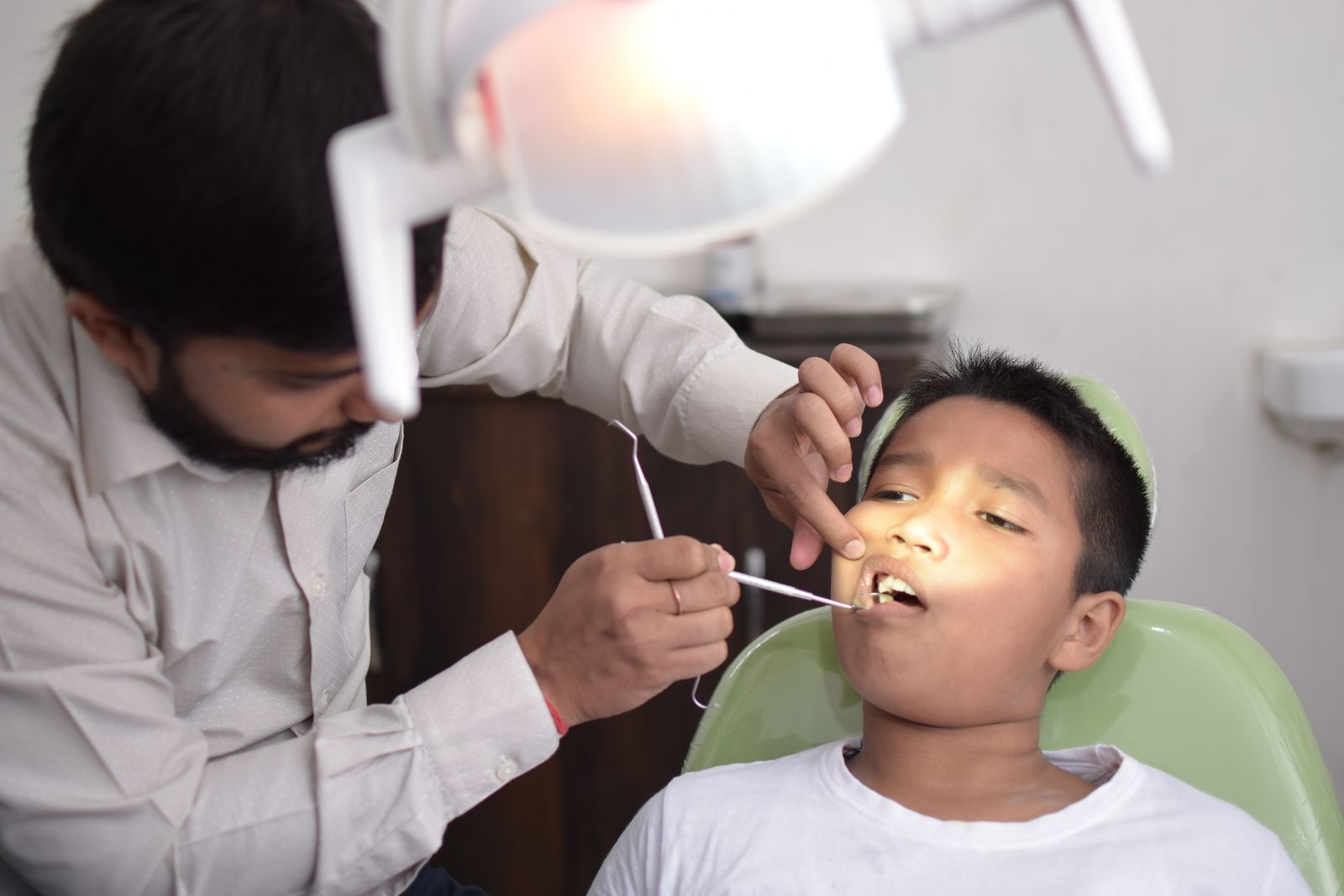
- Clinical examination. Airway, tongue position, tonsils, palate, dental wear, and jaw joint function.
- Imaging where justified. Three dimensional imaging can show airway dimensions and skeletal pattern.
- Home sleep recording. One or more nights of data captured with a portable device.
- Interpretation and medical liaison. Results reviewed, with referral for diagnosis and medical management where indicated.
- Treatment discussion. Options explained with realistic expectations and monitoring plan.
- Appliance fitting or laser therapy. If appropriate, the chosen therapy is provided and titrated.
- Follow up testing. Objective retesting confirms whether treatment is actually working.
That final step is the one most often skipped elsewhere, and it is the only way to know a therapy is effective rather than merely comfortable.
Treatment Options Compared
Continuous Positive Airway Pressure
- The medical gold standard, particularly for severe cases
- Highly effective when used consistently through the night
- Adherence is the main limitation for many patients
- Prescribed and monitored medically
Mandibular Advancement Appliance
- A custom oral device that holds the lower jaw slightly forward to keep the airway open
- Portable, quiet, and generally well tolerated
- Well supported for mild to moderate cases and for patients who cannot tolerate positive airway pressure
- Requires dental monitoring for bite changes and jaw comfort
Laser Treatment for Snoring
- The Solea Sleep laser is used to treat snoring by tightening soft palate tissue
- Quick, non surgical, and performed without anaesthetic in most cases
- Aimed at snoring rather than being a standalone cure for apnoea
- May require repeat treatment to maintain the effect
Behavioural and Positional Measures
- Weight management where relevant
- Avoiding alcohol and sedatives before bed
- Side sleeping rather than supine
- Treating nasal obstruction and allergy
- Consistent sleep timing
Myths About Snoring and Sleep Apnoea
Myth: Snoring is just a noise problem
Simple snoring can be harmless. Snoring with pauses, gasping, or unrefreshing sleep is a different matter and warrants testing.
Myth: Only overweight middle aged men get sleep apnoea
It occurs in slim adults, women, and children. Jaw shape, tongue size, palate width, and nasal airway all contribute independently of weight.
Myth: An oral appliance from an online shop will do the same job
Boil and bite devices are not fitted to your jaw position, are not titrated, and can cause bite changes and joint pain. Custom appliances are made after assessment and are monitored over time.
Myth: Sleep apnoea has no connection to teeth
Grinding, enamel wear, dry mouth, and gum inflammation are all commonly seen alongside sleep disordered breathing. The mouth is the entrance to the airway.
Myth: If you feel fine, you cannot have it
Many patients normalise years of fatigue and only recognise the difference after treatment. Objective testing is more reliable than self assessment.
Mistakes Patients Make
- Dismissing a partner’s report of breathing pauses
- Buying an unfitted anti snoring device online and abandoning it
- Starting therapy without any baseline recording, so improvement cannot be measured
- Stopping treatment once snoring reduces, without retesting oxygen data
- Not mentioning sedative medication or alcohol intake, both of which worsen airway collapse
Sleep Focused Care at Palermo Village Dental
Palermo Village Dental is one of the best regarded dental clinics in Oakville and is working toward making 10,000 people in Oakville healthier within 10 years. Sleep screening sits at the centre of that goal, because few conditions affect general health as broadly as untreated sleep disordered breathing.
The practice specialises in complete health dentistry, connecting oral findings to systemic wellness, and combines MATRx Plus home sleep testing, the SleepImage Ring, and the Solea Sleep laser with CEREC same day crowns, the SOLEA laser, and CBCT imaging. Alongside sleep apnoea screening and management, the clinic provides general and family dentistry, dental implants, veneers, teeth whitening, crowns and bridges, periodontal care, TMJ therapy, sedation dentistry, teeth alignment, and emergency dental care.
Care is provided by licensed dental professionals registered with the Royal College of Dental Surgeons of Ontario. The clinic is located at Suite #290, 2525 Old Bronte Rd, Oakville, ON L6M 4J2 with free on site parking, and can be reached on 647-584-0017 or info@palermovillagedental.com. Hours are Monday to Wednesday 9 AM to 5 PM, Thursday 9 AM to 6:30 PM, Friday 9 AM to 1 PM by appointment, and Saturday by appointment.
Important Safety Information
This article is general information and is not a diagnosis. Obstructive sleep apnoea is a medical condition, and formal diagnosis and overall management sit with a physician or sleep specialist. Dental appliances and laser snoring treatment are not appropriate for every patient and are contraindicated in some cases, including insufficient dental support, active temporomandibular joint disease, and suspected central sleep apnoea. Seek urgent medical advice for chest pain, severe daytime sleepiness while driving, or breathing difficulty at rest.
Frequently Asked Questions
Is a home sleep test as accurate as a laboratory study?
For straightforward suspected obstructive sleep apnoea in adults, home testing is well validated and has the advantage of recording a normal night. Laboratory studies remain necessary where other sleep disorders or significant medical complexity are suspected.
How many nights do I need to record?
Sleep varies from night to night, so multiple nights give a more reliable picture than a single recording. Devices designed for repeated home use make that practical.
Will an oral appliance change my bite?
Minor bite changes can occur with long term use, which is exactly why dental monitoring is part of appliance therapy. Regular review allows adjustments before changes become significant.
Can children have sleep disordered breathing?
Yes. Signs include habitual snoring, mouth breathing, restless sleep, bedwetting, and behavioural or attention difficulties. Children need paediatric medical assessment, as enlarged tonsils and adenoids are frequently involved.
Does treating snoring cure sleep apnoea?
Not necessarily. Reducing noise does not automatically restore normal oxygen levels. This is why objective retesting after treatment matters more than how quiet the bedroom has become.
Conclusion
Home sleep testing makes screening for sleep disordered breathing simple, comfortable, and repeatable in your own bed. Snoring with pauses, unrefreshing sleep, or morning headaches deserves objective measurement rather than guesswork. Speak to your dental team about screening, because the signs are often visible in the mouth first.