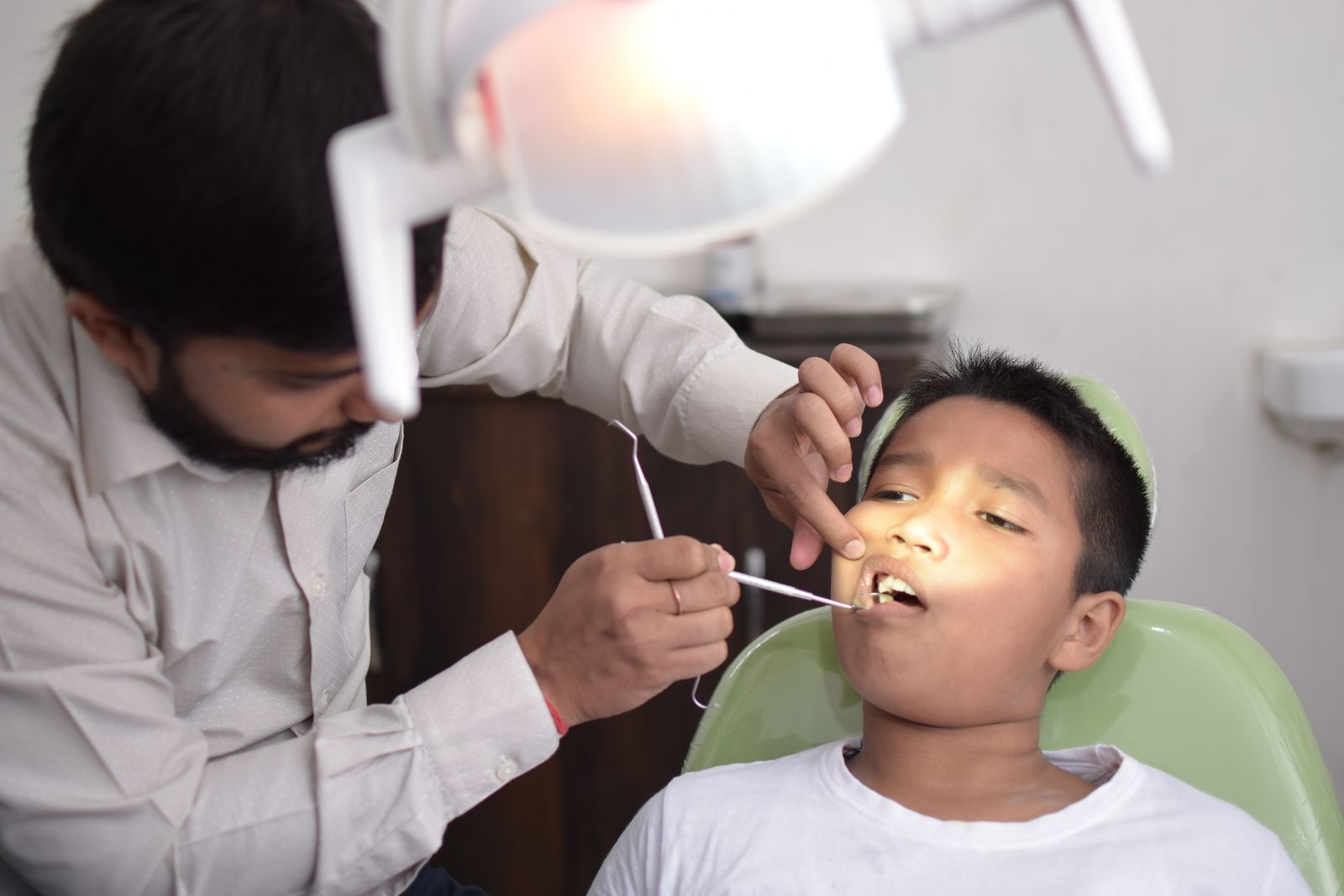
An oral cancer screening is a short visual and physical examination of the lips, tongue, floor of the mouth, palate, cheeks, throat, and neck to look for changes that need further investigation. The vast majority of findings are harmless and temporary, such as bite trauma or a viral ulcer. What makes screening worthwhile is that the small minority of serious lesions are far more treatable when found early, which is why an experienced dentist in Oakville performs this check at routine appointments rather than only when a patient complains.
The single most useful rule to remember is the two week rule. Any sore, lump, or patch that has not healed in two weeks should be examined.
Screening is a standard part of routine family dentistry for adults and older teenagers, not an optional extra.
It also reflects why patients choose Palermo Village Dental for a whole body view of oral health rather than a narrow focus on teeth alone.
If you notice sudden bleeding, a rapidly growing lump, or difficulty swallowing, treat it as urgent and use emergency dental care rather than waiting for a routine slot.
New patients can locate the practice through Google Maps before their first visit.
To arrange a full examination that includes screening, use the Oakville appointment page.
What Is Oral Cancer?
Oral cancer refers to malignant change in the tissues of the mouth and oropharynx, including the tongue, floor of the mouth, gums, inner cheek, palate, lips, and tonsillar region. Squamous cell carcinoma accounts for the large majority of cases.
Outcomes depend heavily on stage at diagnosis. Lesions found while small and localised are generally managed with far less extensive treatment than those detected after spreading to lymph nodes, which is the entire clinical argument for routine screening.
Known Risk Factors
- Tobacco use in any form, including cigarettes, cigars, pipes, and smokeless tobacco
- Heavy alcohol consumption, with risk multiplied when combined with tobacco
- Human papillomavirus infection, particularly in oropharyngeal cases
- Prolonged unprotected sun exposure, which raises lip cancer risk
- Age over forty, although younger cases occur
- Previous head and neck cancer
- Chronic immunosuppression
- Long standing poor nutrition
Important balance point. A meaningful proportion of patients diagnosed have none of the classic risk factors, so absence of risk factors is not a reason to skip screening.
Signs and Symptoms Worth Reporting
Changes You Can See
- A white patch that cannot be wiped away
- A red or mixed red and white patch
- An ulcer with raised or irregular edges
- A lump or thickening in the cheek, tongue, or neck
- Unexplained bleeding from one area
- A change in the fit of a denture
Changes You Can Feel
- Persistent soreness or a sensation of something caught in the throat
- Numbness or altered sensation in the lip, tongue, or chin
- Difficulty or discomfort swallowing or chewing
- Restricted tongue or jaw movement
- A hoarse voice lasting more than three weeks
- Loose teeth without obvious gum disease
- Unexplained ear pain on one side
Most of these have benign explanations. The point is that they should be explained by a clinician rather than assumed.
What Happens During Screening
- History review. Tobacco, alcohol, sun exposure, medical background, and any symptoms you have noticed.
- External examination. Face, lips, and neck are inspected and lymph nodes gently palpated.
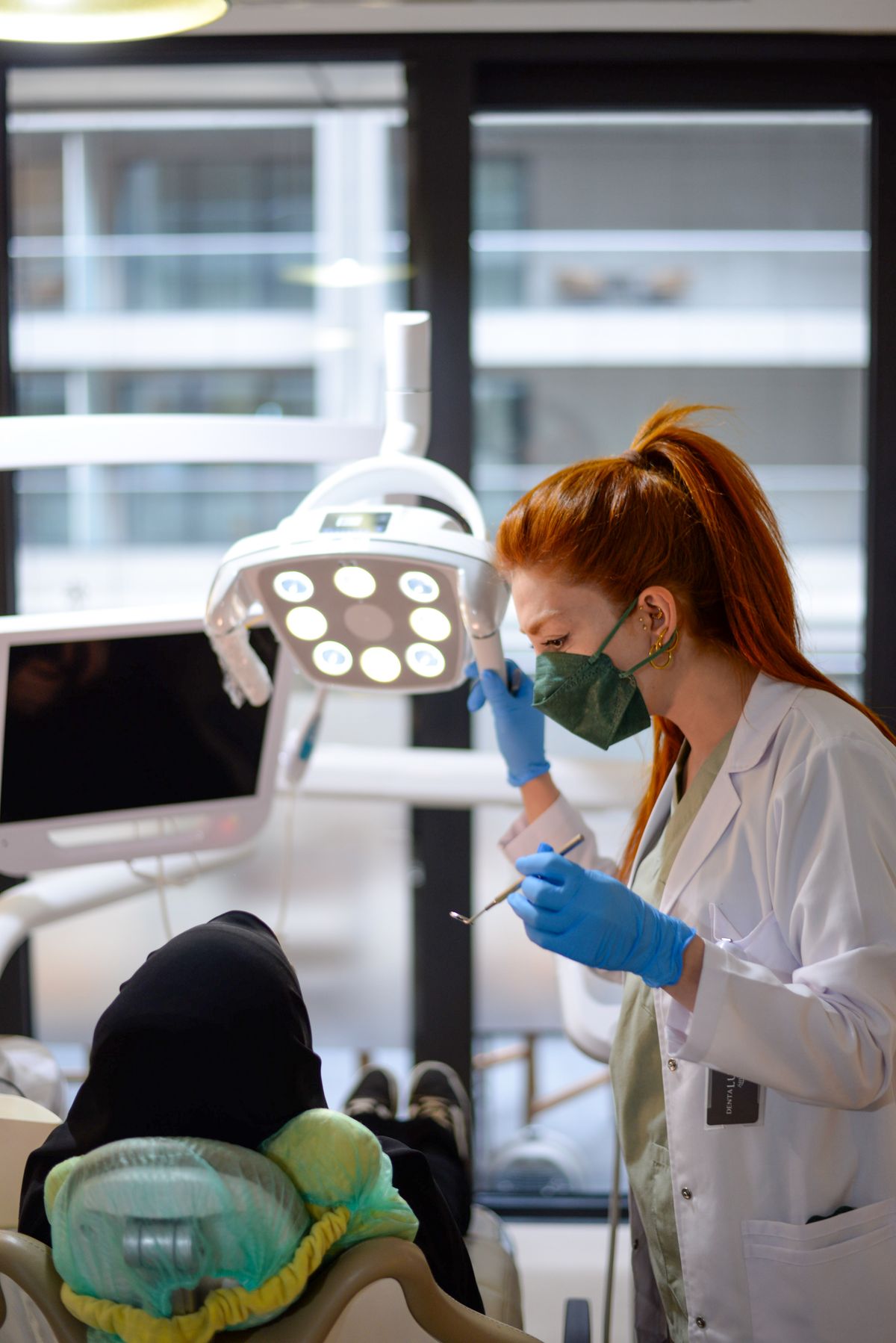
- Intraoral inspection. Cheeks, gums, palate, floor of the mouth, and tongue surfaces are examined systematically with good lighting.
- Tongue assessment. The tongue is gently held and moved so the lateral borders and underside, common sites for change, are fully visible.
- Palpation. Suspicious areas are felt for firmness, fixation, or thickening.
- Documentation. Findings are recorded with measurements and photographs where relevant.
- Action. Benign findings are explained, borderline findings are reviewed after a short interval, and anything suspicious is referred for specialist assessment and biopsy.
The examination itself typically takes two to five minutes and involves no discomfort.
Screening Versus Diagnosis
Screening
- Performed routinely on symptom free patients
- Visual and tactile, sometimes with adjunctive light based devices
- Identifies areas needing further attention
- Cannot confirm or exclude malignancy
Diagnosis
- Requires tissue biopsy examined by a pathologist
- Performed by an appropriate specialist following referral
- Provides definitive answers and guides staging
- May be supported by imaging of the head and neck
Any clinic offering a device that claims to diagnose oral cancer without biopsy is overstating what technology can do. Adjunctive tools assist visualisation. They do not replace histopathology.
Myths and Misconceptions
Myth: Only smokers get oral cancer
Tobacco is the strongest modifiable risk factor, but non smokers do develop oral cancer, and human papillomavirus related oropharyngeal cancer often occurs in people who have never smoked.
Myth: A painless lesion cannot be serious
Early malignant lesions are frequently painless. Pain often appears later, which is exactly why relying on discomfort as a warning system fails.
Myth: Mouthwash prevents oral cancer
No mouthwash prevents oral cancer. Reducing tobacco and alcohol, protecting lips from sun, and attending regular examinations are the evidence based measures.
Myth: Screening is only for older adults
Risk rises with age but is not confined to it. Adults of all ages should have soft tissues examined as part of routine care.
Myth: If it were serious, I would notice
Lesions on the lateral tongue border, floor of the mouth, and behind the last molars are difficult to see yourself. These are also among the more common sites of change.
Prevention and Self Awareness
- Stop tobacco use in all forms, and seek support rather than attempting it unaided.
- Keep alcohol within recommended limits, and avoid combining it heavily with tobacco.
- Use lip balm with sun protection when outdoors.
- Eat a diet with adequate fruit and vegetables.
- Consider human papillomavirus vaccination in line with public health guidance.
- Check your own mouth monthly in good light, including the underside and edges of the tongue.
- Attend routine dental examinations so changes are compared against previous records.
How Screening Fits Complete Health Dentistry
Complete health dentistry treats the mouth as a window into general health rather than an isolated set of teeth. That framework is why soft tissue screening, periodontal assessment, and airway evaluation sit alongside restorative work. Gum inflammation carries systemic associations, sleep disordered breathing affects cardiovascular and metabolic health, and soft tissue change can be the first visible sign of a condition well beyond dentistry.
Realistic Patient Scenarios
- A patient assumes a sore spot is from a sharp denture edge. The denture is adjusted and the area reviewed in two weeks. It heals, confirming the cause.
- A long term smoker has a white patch on the lateral tongue. It is photographed, measured, and referred for specialist assessment rather than watched indefinitely.
- A non smoker reports one sided ear pain and a hoarse voice. The dental examination is normal, so onward medical referral is arranged.
Screening as Standard at Palermo Village Dental in Oakville
Palermo Village Dental is one of the best regarded dental clinics in Oakville and holds a clear vision of making 10,000 people in Oakville healthier within 10 years. Routine soft tissue screening is one of the least expensive and highest value contributions dentistry makes to that goal.
The practice specialises in complete health dentistry and uses advanced technology including CEREC same day crowns, the SOLEA laser, CBCT imaging, MATRx Plus home sleep testing, the SleepImage Ring, and the Solea Sleep laser for snoring treatment. Sleep apnoea screening and management are offered alongside general and family dentistry, dental implants, veneers, teeth whitening, crowns and bridges, periodontal care, TMJ therapy, sedation dentistry, teeth alignment, and emergency dental care.
Care is provided by licensed dental professionals registered with the Royal College of Dental Surgeons of Ontario. The clinic is at Suite #290, 2525 Old Bronte Rd, Oakville, ON L6M 4J2 with free on site parking, and can be contacted on 647-584-0017 or at info@palermovillagedental.com. Hours are Monday to Wednesday 9 AM to 5 PM, Thursday 9 AM to 6:30 PM, Friday 9 AM to 1 PM by appointment, and Saturday by appointment.
Important Disclaimer
This article is general health information and is not a diagnosis or a substitute for professional examination. Screening cannot confirm or exclude cancer, and only biopsy and specialist assessment can provide a diagnosis. Any lesion, lump, patch, numbness, or swallowing difficulty persisting beyond two weeks requires prompt professional evaluation. Seek urgent medical care for rapid swelling, uncontrolled bleeding, or difficulty breathing.
Frequently Asked Questions
How often should I have an oral cancer screening?
For most adults, at each routine dental examination, which usually means every six to twelve months. Patients with significant risk factors may be reviewed more frequently, and this should be discussed individually.
Does the screening hurt?
No. It involves looking, gentle handling of the tongue, and light palpation of the neck. Nothing is cut, injected, or removed during a screening.
What if something is found?
Most findings turn out to be benign. Depending on the appearance, the area may be photographed and reviewed after two weeks, or referred directly for specialist assessment and biopsy if there is any concern.
Can a dentist tell me whether a lesion is cancerous?
No. A dentist can identify suspicious features and arrange the correct pathway, but only laboratory examination of tissue provides a definitive answer.
Are mouth ulcers a sign of cancer?
Usually not. Most ulcers relate to trauma, stress, viral infection, or nutritional factors and heal within one to two weeks. An ulcer that persists beyond two weeks, particularly with raised or hard edges, needs assessment.
Conclusion
Oral cancer screening is a brief, painless part of a routine dental examination that occasionally makes an enormous difference to outcome. Most findings are harmless, and the two week rule is the simplest guide for when to seek advice. Keep regular examinations, and report anything that does not heal.