
TMJ therapy is treatment for problems affecting the temporomandibular joint, the hinge that connects your jaw to your skull, and it helps relieve pain, clicking, and limited jaw movement. TMJ disorders are common and often temporary, though persistent symptoms should be assessed to prevent them from worsening. If you have jaw pain, headaches, or a clicking jaw, learning about TMJ therapy can help you find relief.
Jaw problems can affect eating, speaking, and daily comfort, so they deserve proper attention. An evaluation with a knowledgeable dentist in Oakville is the best way to understand the cause of your symptoms.
For patients who feel anxious about treatment, gentle sedation dentistry can make the experience more comfortable and stress free.
TMJ care is part of the comprehensive, health-focused approach at Palermo Village Dental, where jaw function is treated as an important part of overall wellness.
What Is the TMJ?
The temporomandibular joint, or TMJ, is the joint on each side of your head that connects your lower jaw to your skull. It allows you to open and close your mouth, chew, and speak. When this joint or the surrounding muscles are not working properly, it can lead to a condition often called TMD, or temporomandibular disorder.
What Causes TMJ Disorders?
TMJ problems can have several causes, and identifying the trigger is key to effective treatment. Common causes include:
- Teeth grinding or clenching, often during sleep.
- Stress that tightens the jaw muscles.
- An uneven bite or misaligned teeth.
- Injury to the jaw or joint.
- Arthritis affecting the joint.
Signs and Symptoms of TMJ Disorders
TMJ issues can produce a range of symptoms, including:
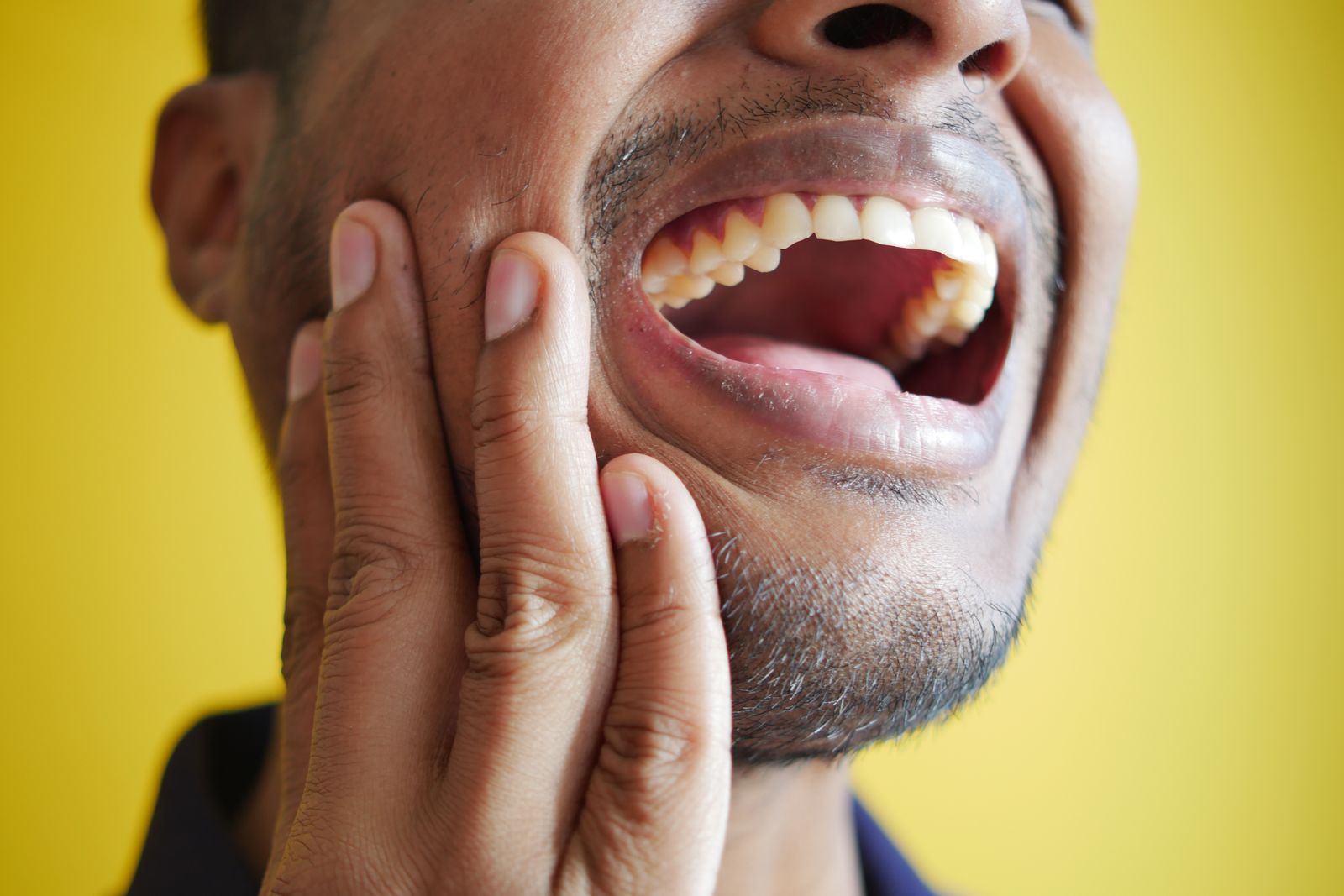
- Jaw pain or tenderness.
- Clicking or popping when opening the mouth.
- Difficulty or discomfort while chewing.
- Frequent headaches or earaches.
- A jaw that locks or feels stuck.
If you experience these regularly, an assessment can help pinpoint the cause.
How TMJ Disorders Are Diagnosed
Diagnosis usually involves a careful evaluation, which may include:
- Symptom review: Discussing your pain, habits, and history.
- Physical exam: Checking jaw movement, tenderness, and sounds.
- Imaging: Using advanced diagnostics when needed to view the joint.
- Bite analysis: Assessing how your teeth come together.
TMJ Treatment Options
Treatment depends on the cause and severity of your symptoms. Options often include:
- Custom night guards: To reduce grinding and protect the joint.
- Bite adjustment: To correct an uneven bite.
- Relaxation techniques: To ease muscle tension from stress.
- Physical therapy: Exercises to improve jaw function.
- Lifestyle changes: Such as softer foods during flare-ups.
Conservative Versus Advanced Treatment
Most TMJ cases respond to conservative care, but understanding the range of options helps.
- Conservative treatment includes night guards, exercises, and habit changes, and it resolves many cases.
- Advanced treatment is reserved for persistent or severe cases and is considered only after conservative options.
A proper diagnosis ensures you start with the least invasive approach that is likely to help.
Home Care Tips for TMJ Relief
- Apply a warm or cold compress to ease pain.
- Eat softer foods during flare-ups.
- Avoid chewing gum or biting hard objects.
- Practice relaxation to reduce jaw clenching.
- Be gentle with wide yawns and large bites.
These steps can help, but ongoing symptoms should always be evaluated by a professional.
TMJ Care in Oakville
Palermo Village Dental is one of the best dental clinics in Oakville, with a vision to make 10,000 people in Oakville healthier within 10 years. The practice specializes in complete health dentistry, connecting jaw and oral health to overall wellness, and uses advanced technology including CBCT imaging for detailed assessment. It is located at Suite #290, 2525 Old Bronte Rd, Oakville, ON L6M 4J2, with free on-site parking available.
Clinic hours are Monday to Wednesday from 9 AM to 5 PM, Thursday from 9 AM to 6:30 PM, Friday from 9 AM to 1 PM by appointment, and Saturday by appointment. For help with jaw pain or TMJ symptoms, reach the team at 647-584-0017 or info@palermovillagedental.com, and you can book through the clinic’s appointment page.
Common Myths About TMJ Disorders
Myth 1: TMJ Problems Always Require Surgery
Most TMJ cases improve with conservative care such as night guards and lifestyle changes. Surgery is rarely the first option.
Myth 2: Jaw Clicking Always Means a Serious Problem
Occasional clicking without pain is often harmless. Persistent clicking with discomfort should be evaluated.
Myth 3: TMJ Pain Will Go Away on Its Own
Some cases resolve, but ongoing symptoms usually benefit from treatment to prevent worsening.
Choosing a Licensed Dental Professional
TMJ therapy should be provided by a dentist licensed and registered with the Royal College of Dental Surgeons of Ontario (RCDSO). This confirms your provider meets strict standards for training and safety. Proper diagnosis and follow-up care are essential for safe, effective relief.
Frequently Asked Questions
What does TMJ therapy involve?
It often starts with conservative options like custom night guards, bite adjustment, and habit changes tailored to your symptoms.
Can stress cause TMJ pain?
Yes. Stress often leads to jaw clenching and muscle tension, which are common contributors to TMJ discomfort.
How long does it take to feel relief?
Many patients notice improvement within weeks of starting conservative treatment, though timelines vary by case.
Is a night guard helpful for TMJ?
Yes. A custom night guard can reduce grinding and relieve pressure on the joint, easing many TMJ symptoms.
Should I see a dentist for jaw pain?
Yes. Persistent jaw pain, clicking, or limited movement should be assessed by a dental professional.
Conclusion
TMJ therapy offers effective, often conservative relief for jaw pain, clicking, and related symptoms. Early assessment helps prevent discomfort from worsening and restores comfortable jaw function. Connect with a trusted local dental team to find relief that fits your needs.