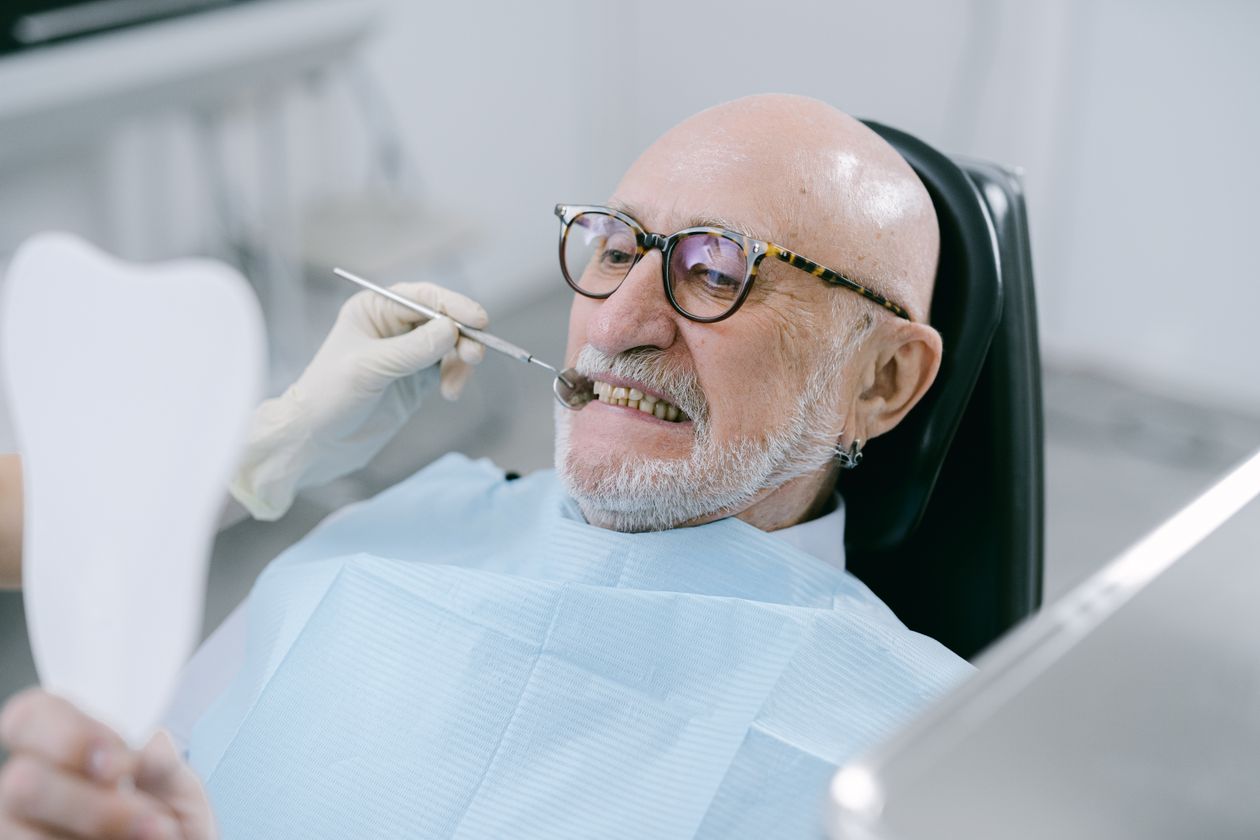
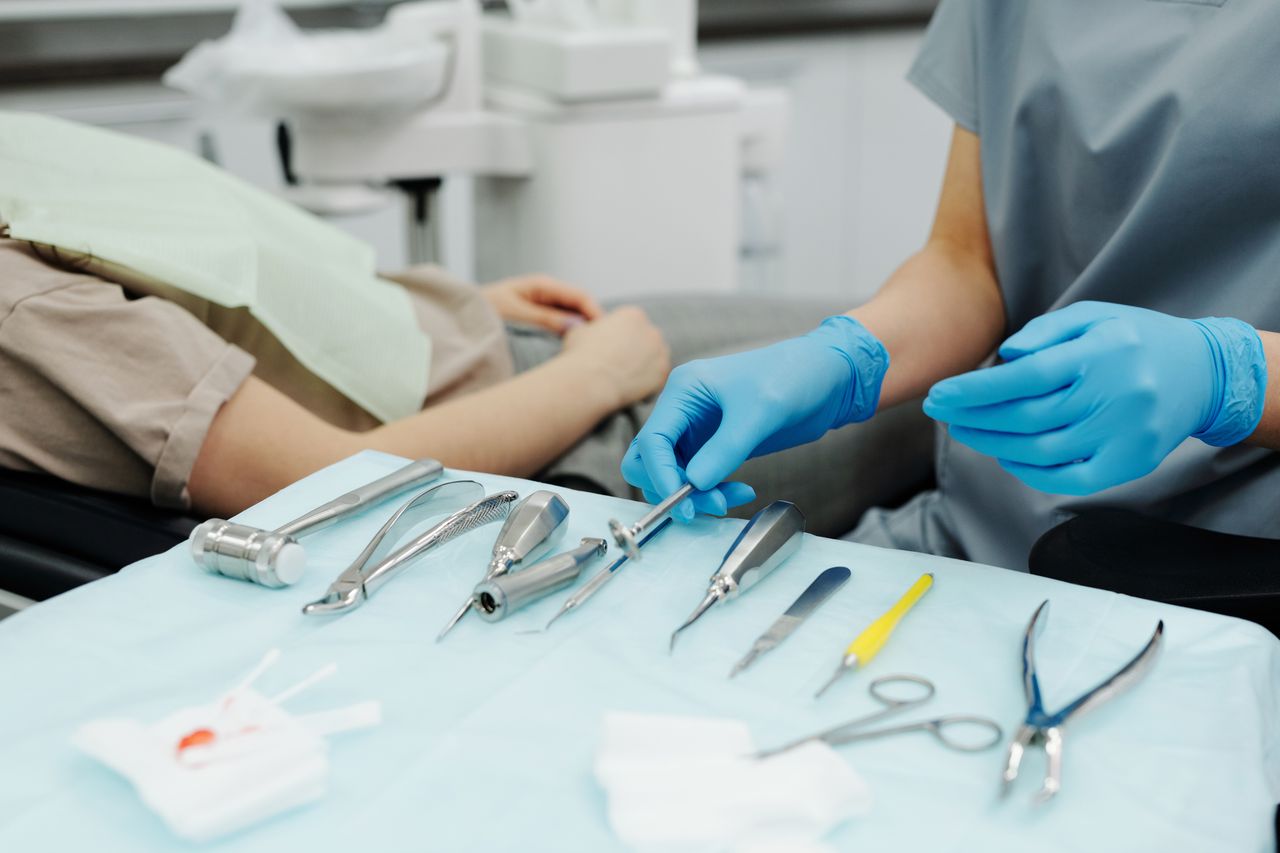
Dry socket is a painful complication that can happen a few days after a tooth extraction, when the blood clot in the empty socket breaks down or dislodges and leaves the bone exposed. It is not common after routine extractions, but it is more likely after lower wisdom tooth removal, and while it is temporary and treatable, it should be checked by a dentist in Oakville rather than managed alone. The key sign is pain that gets worse, not better, around day two to four.
Many patients worry before an extraction about pain, complications, and whether their dental clinic will be there for them if healing does not go as planned. Choosing a complete health dentistry practice with modern imaging and clear aftercare instructions removes much of that uncertainty.
If you are already in pain after an extraction, do not wait for it to pass. Dry socket responds well to simple in-office treatment, and urgent dental care can bring relief within a short visit.
For patients who feel anxious about extractions or follow-up visits, sedation dentistry options can make treatment calmer and more comfortable. The rest of this guide covers how to recognize dry socket, what causes it, and how to lower your risk.
What Is Dry Socket?
Dry socket, known clinically as alveolar osteitis, is inflammation of the bone inside a tooth socket after an extraction. Normally, a blood clot forms in the socket within the first day. That clot protects the bone and nerve endings and acts as the foundation for new tissue.
When the clot dissolves too early or is dislodged, the bone is exposed to air, food and saliva. The result is intense, radiating pain that over-the-counter medication often struggles to control.
How common is it?
Dry socket affects a small percentage of routine extractions. The risk rises significantly after surgical removal of impacted lower wisdom teeth, where the bone is denser and blood supply is lower.
What Are the Symptoms of Dry Socket?
- Severe pain starting two to four days after the extraction
- Pain spreading to the ear, eye, temple or neck on the same side
- An empty-looking socket where you may see whitish bone instead of a dark clot
- A bad taste or unpleasant odour from the mouth
- Pain that does not improve with regular pain relievers
Normal healing vs dry socket
| Feature | Normal healing | Dry socket |
|---|---|---|
| Pain pattern | Peaks in first 24 to 48 hours, then eases | Improves, then sharply worsens around day 2 to 4 |
| Socket appearance | Dark red clot, then pink tissue | Empty socket, visible bone |
| Response to pain relievers | Good | Poor |
| Breath and taste | Mostly normal | Foul taste or odour |
| Swelling | Mild, settles in a few days | Usually little swelling |
Safety note: Dry socket rarely causes fever or significant facial swelling. If you have fever, spreading swelling, pus, or difficulty swallowing or breathing, you may have an infection. Contact an emergency dental clinic in Oakville immediately, or go to a hospital emergency department for breathing or swallowing problems.
What Causes Dry Socket?
The exact cause is not fully understood, but researchers believe the clot breaks down through a process called fibrinolysis, often triggered or worsened by bacteria and physical disturbance.
Known risk factors
- Smoking and vaping: suction and chemicals interfere with clot formation and blood flow.
- Difficult or surgical extractions: more trauma to the bone increases risk.
- Lower wisdom teeth: denser bone and less blood supply.
- Oral contraceptives: higher estrogen levels may speed clot breakdown.
- Previous dry socket: people who have had it before are more likely to get it again.
- Poor oral hygiene or existing gum infection: more bacteria near the site.
- Vigorous rinsing or spitting: too soon after the procedure.
How Is Dry Socket Treated?
Treatment focuses on cleaning the socket and controlling pain while the body heals. Most patients feel significant relief within a day of their first treatment visit.
- Assessment: the dentist reviews your symptoms and checks that the pain is from dry socket and not infection or a retained root fragment. Imaging may be used if something looks unusual.
- Gentle irrigation: the socket is rinsed to remove food and debris.
- Medicated dressing: a soothing paste or dressing is placed in the socket to calm exposed bone.
- Pain management plan: guidance on safe over-the-counter or prescribed medication.
- Follow-up visits: the dressing may be changed every few days until pain settles.
- Home care: instructions on gentle rinsing and keeping the area clean.
Healing usually takes seven to ten days, with new tissue gradually covering the bone.
How long does dry socket pain last?
Without treatment, the pain can persist for a week or more and may disturb sleep and eating. With a medicated dressing, most people notice a clear drop in pain within hours to a day. The socket itself continues to fill in with soft tissue over the following weeks, and the bone remodels over several months.
How Can You Prevent Dry Socket?
Before your extraction
- Tell your dentist about medications, including birth control, and any past dry socket.
- Stop smoking or vaping for as long as possible before the procedure.
- Treat existing gum inflammation if time allows.
After your extraction
- Bite on gauze as directed to help the clot form.
- Avoid smoking, vaping and drinking through straws for at least 72 hours.
- Do not rinse, spit forcefully or swish for the first 24 hours.
- After 24 hours, rinse gently with warm salt water after meals.
- Eat soft, lukewarm foods and chew on the other side.
- Keep brushing the rest of your mouth, carefully avoiding the socket.
- Skip strenuous exercise for a day or two.
What can you eat after an extraction?
Choose foods that need little chewing and will not leave particles behind. Good options include yogurt, smoothies eaten with a spoon, mashed potatoes, scrambled eggs, soft pasta, soup that has cooled to lukewarm, and oatmeal. Avoid crunchy, spicy, very hot or seedy foods such as chips, nuts, popcorn and berries with small seeds for the first several days, since they can irritate or lodge in the socket.
Myths About Extractions and Dry Socket
- Myth: Dry socket means the dentist made a mistake. Fact: It can happen after a perfectly performed extraction. Risk factors matter more.
- Myth: Dry socket is an infection. Fact: It is inflammation of exposed bone. Antibiotics are usually not needed unless infection is also present.
- Myth: The pain will pass in a day. Fact: Without treatment, dry socket pain can last a week or longer.
- Myth: Advanced dental technology has no role in extractions. Fact: 3D CBCT imaging helps plan complex extractions, which can reduce trauma to surrounding bone.
Could the Tooth Have Been Saved?
Many teeth that end in extraction could have been restored if treated earlier. A cracked or heavily decayed tooth can often be repaired with a root canal and crown. The type of crown also affects how quickly you are back to normal.
| Factor | Traditional crown | CEREC same-day crown |
|---|---|---|
| Number of appointments | Two or more | One in most cases |
| Temporary crown | Required | Not required |
| Impressions | Traditional moulds | Digital scan |
| Time without final protection | Around two weeks | None |
If extraction is unavoidable, a dental implant is often the most natural-feeling replacement once the site has healed.
Signs You Should Book a Dental Visit Sooner
- A tooth that has been sensitive or painful for more than a week
- Gums that bleed, swell or pull away from teeth
- A cracked or broken tooth, even if it does not hurt
- Recurring pain around a partially erupted wisdom tooth
- Loud snoring, morning headaches or teeth grinding
Types of Dental Care Available
A well-equipped dental office in Oakville should be able to guide you before and after extraction, and offer alternatives where possible:
- General and family dentistry: checkups, cleanings and fillings to prevent extractions.
- Restorative care: root canals, crowns and bridges.
- Implant dentistry: replacing missing teeth with implants.
- Cosmetic dentistry: veneers and whitening.
- Emergency dentistry: same-day relief for pain, swelling and broken teeth.
- Sleep apnea care: screening and oral appliance therapy.
The Complete Health Connection
Healing after an extraction depends on your overall health. Diabetes, smoking and poor sleep all slow tissue repair. Untreated sleep apnea in particular reduces oxygen levels at night and is linked to inflammation, high blood pressure and slower recovery.
Palermo Village Dental follows a complete health dentistry approach, connecting oral health to systemic wellness. Alongside full dental services, the clinic offers sleep apnea screening and management with MATRx Plus home sleep testing, the SleepImage Ring, and the Solea Sleep laser for snoring. CBCT imaging, CEREC same-day crowns and the SOLEA laser round out a technology set designed for precise, comfortable care.
Patient Scenarios
A student after wisdom tooth removal
A university student felt fine on day one, then woke on day three with pain shooting toward the ear. The socket looked empty. After irrigation and a medicated dressing, the pain dropped sharply that evening, and a second dressing change finished the job.
A smoker planning an extraction
An adult who smoked daily needed a molar removed. The dental team discussed the higher risk, planned the extraction carefully, and provided written aftercare. The patient paused smoking for several days and healed without complications.
Common Mistakes After a Tooth Extraction
- Smoking or vaping the same day
- Rinsing hard to “clean” the socket in the first 24 hours
- Poking at the clot with the tongue or a finger
- Waiting several days with worsening pain before calling
- Assuming any pain medication will fix it
Choosing the Right Clinic for Extractions and Aftercare
Look for a top dentist in Oakville who is licensed with the Royal College of Dental Surgeons of Ontario (RCDSO), explains risks openly, and provides easy access to follow-up care. Practical details matter too.
Palermo Village Dental is one of the best dental clinics in Oakville and is working toward a vision of making 10,000 people in Oakville healthier within 10 years. You will find the clinic at Suite #290, 2525 Old Bronte Rd, Oakville, ON L6M 4J2, with free on-site parking. Opening hours are Monday to Wednesday 9 AM to 5 PM, Thursday 9 AM to 6:30 PM, and Friday 9 AM to 1 PM and Saturdays by appointment. Reach the team at 647-584-0017 or info@palermovillagedental.com.
Disclaimer: This information is educational and not a substitute for an individual assessment. Follow the aftercare instructions given by your own dental provider.
Frequently Asked Questions About Dry Socket
How do I know if I have dry socket or normal pain?
Normal pain improves each day. Dry socket pain usually worsens after two to four days and may spread to the ear or temple.
Can dry socket heal on its own?
It eventually heals, but often slowly and painfully. Professional treatment shortens the painful period considerably.
When is dry socket no longer a risk?
Risk is highest in the first three to five days. After about a week, once tissue begins covering the socket, it becomes unlikely.
Can I use a straw after a tooth extraction?
Avoid straws for at least 72 hours. The suction may disturb the clot, especially in the first day or two.
Does dry socket happen after every wisdom tooth removal?
No. Most people heal normally. Risk is higher with impacted lower wisdom teeth, smoking and some medications.
Conclusion
Dry socket is a temporary but very painful complication that usually appears a few days after an extraction.
Prompt in-office treatment cleans the socket and brings fast relief, while careful aftercare greatly lowers your risk.
If pain is getting worse instead of better, a professional assessment is the safest next step.