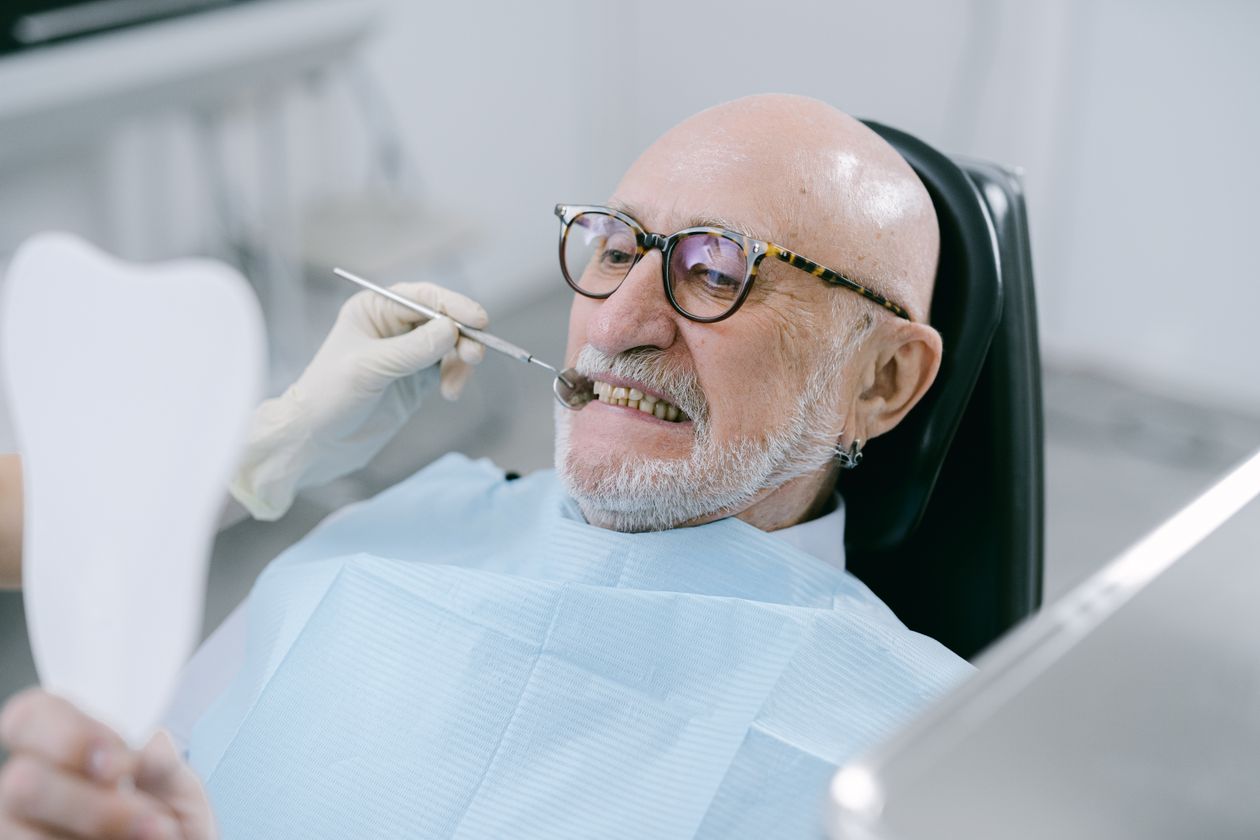
Yes, fluoride is safe and effective when used in the recommended amounts, and it remains one of the best-studied ways to prevent tooth decay in children and adults. Health Canada and the Canadian Dental Association support fluoride toothpaste, professional fluoride treatments and community water fluoridation at optimal levels. Concerns come mainly from swallowing too much fluoride during early childhood or exposure to levels far above those used in Canada, which is why using the right amount matters, a topic covered in every family dentistry visit.
Online debates about fluoride can leave parents and adults unsure what to believe. A good Oakville dentist should be able to explain the evidence in plain language, respect your questions, and tailor fluoride advice to your actual cavity risk rather than offering one rule for everyone.
Fluoride works best as part of a broader prevention plan that includes cleanings, exams and diet guidance, all part of preventive general dentistry. It is especially useful for people with dry mouth, exposed roots, or a history of cavities.
It also protects teeth during orthodontic treatment. Patients going through teeth alignment often benefit from extra fluoride, because aligners and brackets can trap plaque and lead to white spots on enamel. Below, we separate the facts from the myths.
What Is Fluoride?
Fluoride is a naturally occurring mineral found in water, soil, some foods and tea. In dentistry, it is used in toothpaste, mouth rinses, varnishes and gels, and in many Canadian communities it is added to drinking water at a low, controlled level.
Where does everyday fluoride come from?
Most people get fluoride from a combination of sources. Knowing them helps you avoid both too little and too much:
- Tap water: levels depend on your municipality. You can check with your local water provider.
- Toothpaste: the most important daily source for cavity protection.
- Foods and drinks: tea and foods prepared with fluoridated water contain small amounts.
- Professional products: varnish and gels applied at the dental office.
How Does Fluoride Protect Teeth?
Every day, your enamel goes through cycles of mineral loss and gain. Bacteria in plaque turn sugars into acids, which pull minerals out of enamel (demineralization). Saliva then helps put minerals back (remineralization). Fluoride tips this balance in your favour in three ways:
- It speeds remineralization, helping early weak spots repair before they become cavities.
- It forms a more acid-resistant mineral, called fluorapatite, at the enamel surface.
- It slows bacterial acid production, reducing the overall acid attack.
The main benefit comes from frequent, low-level contact with the tooth surface, which is why brushing twice daily with fluoride toothpaste is so effective.
Is Fluoride Safe for Children?
Yes, with sensible amounts. The main risk in childhood is dental fluorosis, which happens when a child swallows too much fluoride while permanent teeth are still forming, generally under about age 8.
What does fluorosis look like?
In Canada, most fluorosis is very mild: faint white lines or flecks on the enamel that are often noticeable only to a dentist. It does not affect the health or function of the teeth. Moderate or severe fluorosis with brown staining is rare and is linked to much higher exposure levels.
How much toothpaste should children use?
| Age | Amount of fluoride toothpaste | Who brushes |
|---|---|---|
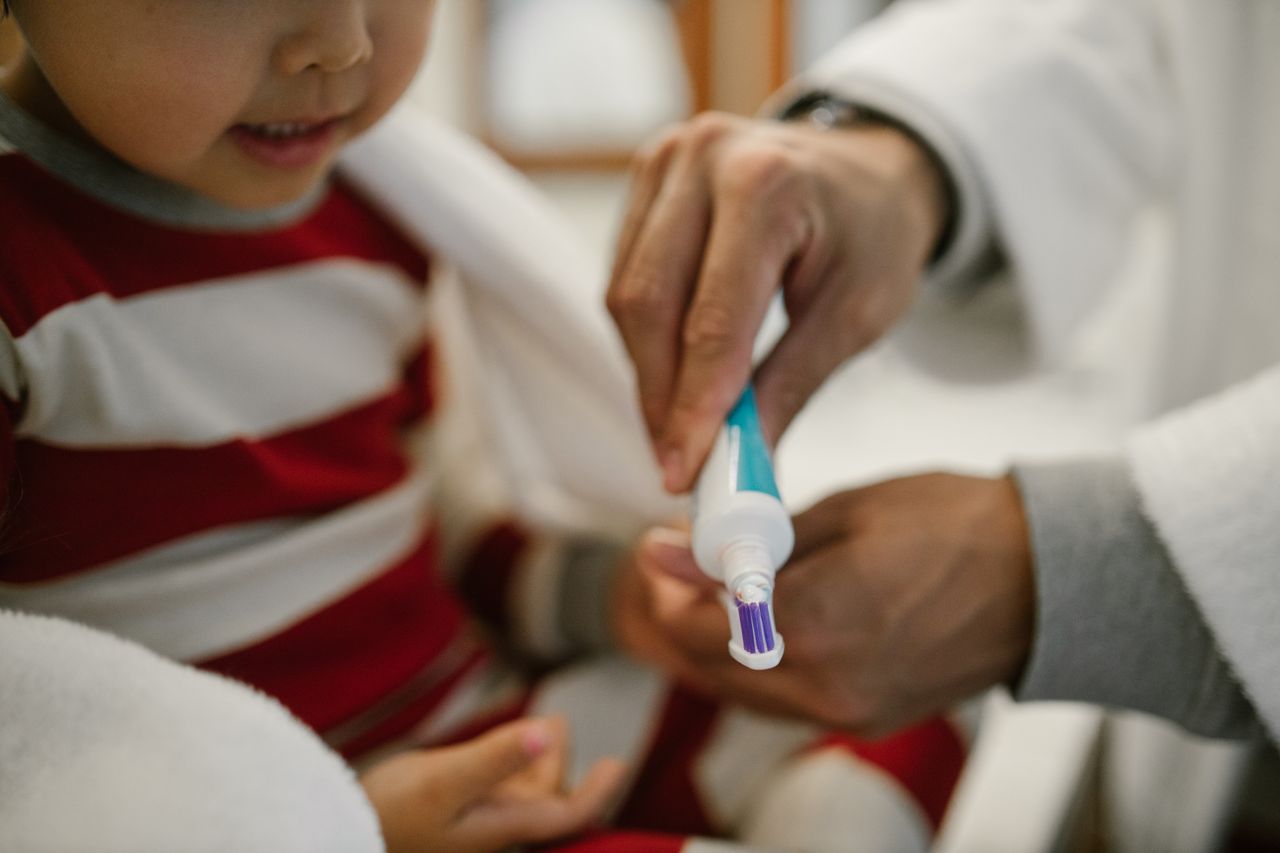
| Under 3 years | A smear the size of a grain of rice | An adult |
| 3 to 6 years | A pea-sized amount | An adult helps and supervises |
| Over 6 years | A pea-sized amount | Child, with checks until skills are reliable |
Teach children to spit, not swallow, and store toothpaste out of reach of young children. Ask your dentist about fluoride if your child is at higher risk of cavities.
Is Fluoride Safe for Adults?
For adults, fluoride is low risk and highly useful. Adults face cavities around old fillings, on exposed root surfaces, and in mouths affected by dry mouth from medications. Prescription-strength toothpaste or in-office varnish may be recommended for:
- People with frequent new cavities
- Gum recession with exposed roots
- Dry mouth from medications, mouth breathing or medical treatment
- Orthodontic patients
- People with crowns, bridges or implants who still have natural teeth at risk
- Older adults with reduced dexterity
Types of Fluoride Treatment
| Type | Where it is used | Best for |
|---|---|---|
| Fluoride toothpaste | Home, twice daily | Everyone with natural teeth |
| Fluoride mouth rinse | Home, at a different time from brushing | Moderate to high cavity risk, ages 6 and up |
| High-fluoride prescription toothpaste | Home, as directed | High-risk adults, root decay |
| Fluoride varnish | Dental office, painted on teeth | Children and adults at higher risk, sensitivity |
| Community water fluoridation | Tap water | Population-wide protection at low cost |
What Happens During a Professional Fluoride Treatment?
- Your teeth are cleaned and dried.
- A thin varnish is brushed onto the tooth surfaces. It sets quickly when it touches saliva.
- You avoid hot drinks, hard foods and brushing for a few hours, following the instructions given.
- The varnish wears away naturally over the following day, leaving fluoride behind in the enamel.
The process takes only a few minutes and is comfortable for most children and adults.
Common Myths About Fluoride
- Myth: Fluoride is a dangerous chemical. Fact: Like many minerals, fluoride is beneficial at low levels and harmful only at excessive doses. Canadian guidelines keep exposure well within safe ranges.
- Myth: Natural toothpaste without fluoride works just as well. Fact: Fluoride-free toothpaste cleans teeth but does not provide the same protection against decay.
- Myth: Fluoride research shows it lowers IQ. Fact: Studies raising this concern largely involve fluoride levels well above those used in Canadian community water. Research continues, and health agencies keep reviewing it, but current Canadian guidance still supports fluoride at recommended levels.
- Myth: Adults do not need fluoride. Fact: Adults remain at risk, especially for root and recurrent decay.
- Myth: Bottled water provides the same benefit as tap water. Fact: Most bottled water has little fluoride, so check labels if you rely on it.
Balancing Benefits and Risks
| Benefits | Risks to manage |
|---|---|
| Fewer cavities across all ages | Mild fluorosis if young children swallow too much toothpaste |
| Reduced sensitivity on exposed roots | Upset stomach if a large amount is swallowed at once |
| Can reverse early white-spot lesions | Needs safe storage of high-strength products |
| Low cost and easy to use | Excess exposure from multiple sources should be avoided |
Safety note: If a young child swallows a large amount of fluoride toothpaste or rinse, contact your local poison centre or seek medical advice promptly.
Signs You Need a Dental Visit
- White, chalky spots on enamel, especially near the gum line
- New sensitivity to cold or sweet foods
- Brown or dark spots in grooves or between teeth
- Persistent dry mouth
- More than a year since your last checkup
Treatments That Work Alongside Fluoride
Fluoride prevents problems, but some issues need direct treatment. A full-service dental clinic in Oakville can offer general dentistry such as fillings and cleanings, cosmetic dentistry including whitening and veneers, restorative work such as crowns and bridges, dental implants, emergency care, and sleep apnea treatment.
Traditional crowns vs CEREC same-day crowns
When decay has gone too far for fluoride or a filling, a crown may be required.
- Traditional crowns use moulds, an outside lab and a temporary crown for about two weeks, with at least two appointments.
- CEREC same-day crowns use a digital scan and are milled in the clinic, usually finished in one appointment with no temporary crown.
Fluoride, Dry Mouth and Whole-Body Health
Dry mouth is one of the strongest predictors of new cavities in adults. It is often caused by medications or by breathing through the mouth at night, which is frequently linked to snoring and obstructive sleep apnea. Sleep apnea is associated with high blood pressure, heart disease and daytime fatigue.
Palermo Village Dental practises complete health dentistry, connecting oral health to overall systemic wellness. The clinic offers sleep apnea screening and management alongside full dental services, using MATRx Plus home sleep testing, the SleepImage Ring, and the Solea Sleep laser for snoring. Other technology includes CBCT imaging, the SOLEA laser and CEREC same-day crowns.
Patient Scenarios
A parent with questions
A parent of a four-year-old was worried after reading about fluoride online. The dental team explained the pea-sized rule, showed how to supervise brushing, and assessed the child’s cavity risk. The family left with a plan they felt comfortable with.
An adult with new root cavities
A patient in their sixties developed two cavities near the gum line after starting a new medication. Fluoride varnish, a high-fluoride toothpaste and saliva-supporting tips helped stop further decay at the next checkup.
A teen finishing orthodontic treatment
White spots appeared around brackets. Fluoride varnish and improved brushing helped the early lesions remineralize and fade over the following months.
Common Mistakes
- Rinsing with water immediately after brushing, which washes away fluoride
- Using adult amounts of toothpaste for toddlers
- Switching to fluoride-free products without discussing cavity risk
- Ignoring dry mouth as a cause of decay
- Skipping professional fluoride when it has been recommended for high risk
Questions to Ask Your Dentist About Fluoride
- What is my, or my child’s, cavity risk level, and why?
- Is my toothpaste strong enough for my needs?
- Would professional fluoride varnish help, and how often?
- Is my drinking water fluoridated, and does that change your advice?
- Are any of my medications causing dry mouth that raises my risk?
Asking these questions turns a general recommendation into a plan that fits you. A thoughtful top dentist in Oakville will welcome them and explain the reasoning behind each answer.
Choosing a Family Dentist in Oakville
Look for a family dentist in Oakville registered with the Royal College of Dental Surgeons of Ontario (RCDSO), who explains evidence clearly, respects parents’ questions, and builds prevention plans around each person’s risk.
Palermo Village Dental is one of the best dental clinics in Oakville, with a vision to make 10,000 people in Oakville healthier within 10 years. Find the clinic at Suite #290, 2525 Old Bronte Rd, Oakville, ON L6M 4J2, with free on-site parking. Hours run Monday to Wednesday 9 AM to 5 PM and Thursday 9 AM to 6:30 PM, with Friday 9 AM to 1 PM and Saturday by appointment. Call 647-584-0017 or write to info@palermovillagedental.com.
Prevention Tips
- Brush twice a day with fluoride toothpaste, spit and do not rinse.
- Clean between teeth daily.
- Limit sugary snacks and sipping on sweet drinks.
- Drink tap water where it is fluoridated.
- Ask about varnish if you are at higher risk.
Disclaimer: This article offers general information. Fluoride needs vary, so speak with a licensed dental professional about your own or your child’s situation.
Frequently Asked Questions About Fluoride
Can fluoride reverse a cavity?
It can reverse very early enamel weakening, often seen as white spots. Once a cavity forms a hole, it needs a filling.
Is fluoride varnish safe during pregnancy?
Topical fluoride used in dental offices is considered safe. Tell your dentist you are pregnant so care can be planned appropriately.
Should I rinse after brushing with fluoride toothpaste?
It is better to spit out the excess and avoid rinsing, so fluoride stays on your teeth longer.
How often do adults need professional fluoride?
It depends on cavity risk. Low-risk adults may not need it, while high-risk adults may benefit every few months.
Can fluoride help with sensitive teeth?
Yes. Fluoride varnish and toothpaste can strengthen exposed dentin and reduce sensitivity over time.
Conclusion
Fluoride is safe and effective when used in the right amounts, and it protects teeth at every stage of life.
The key is matching the type and amount of fluoride to each person’s age and cavity risk.
A personalized prevention plan helps you enjoy the benefits while avoiding unnecessary exposure.