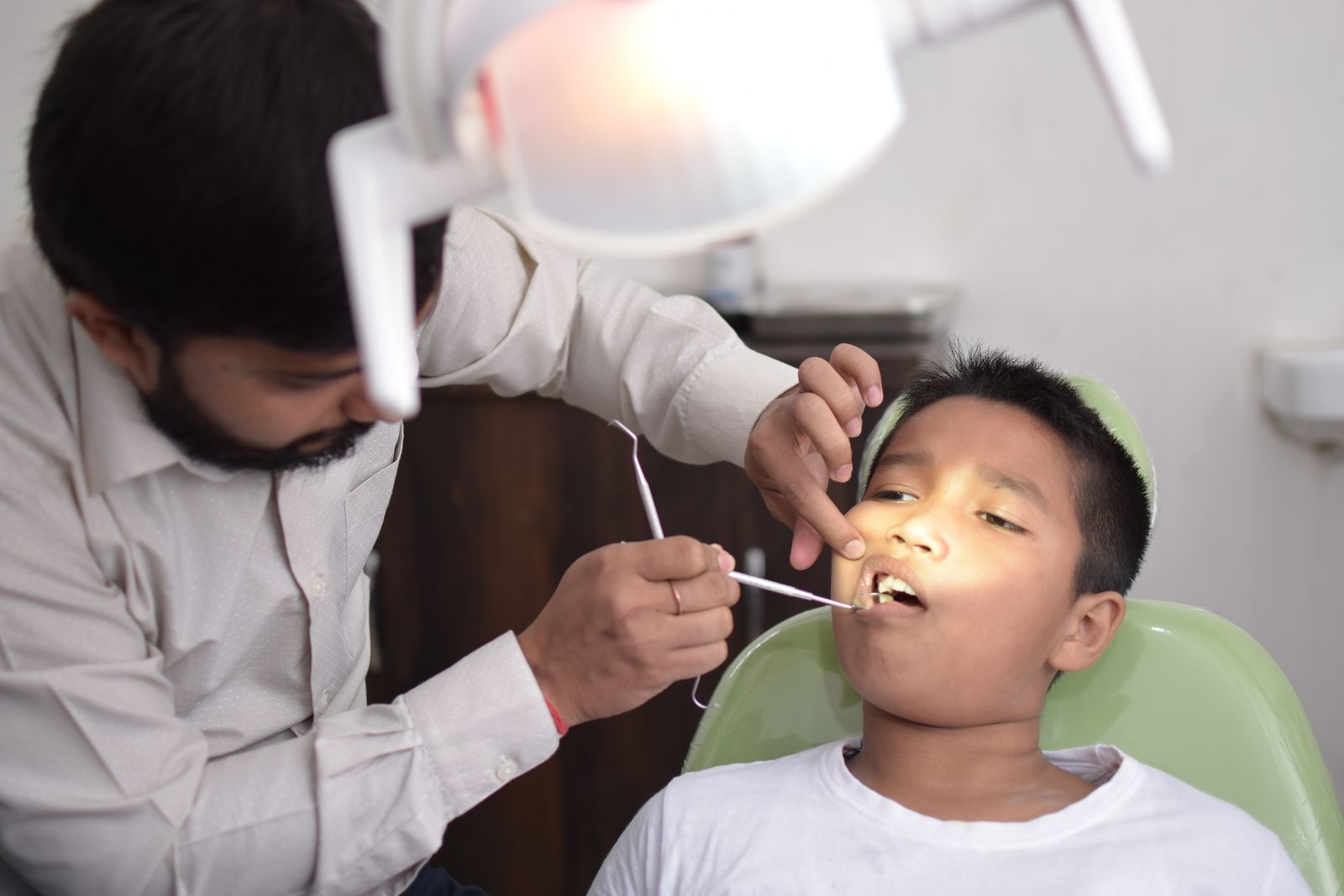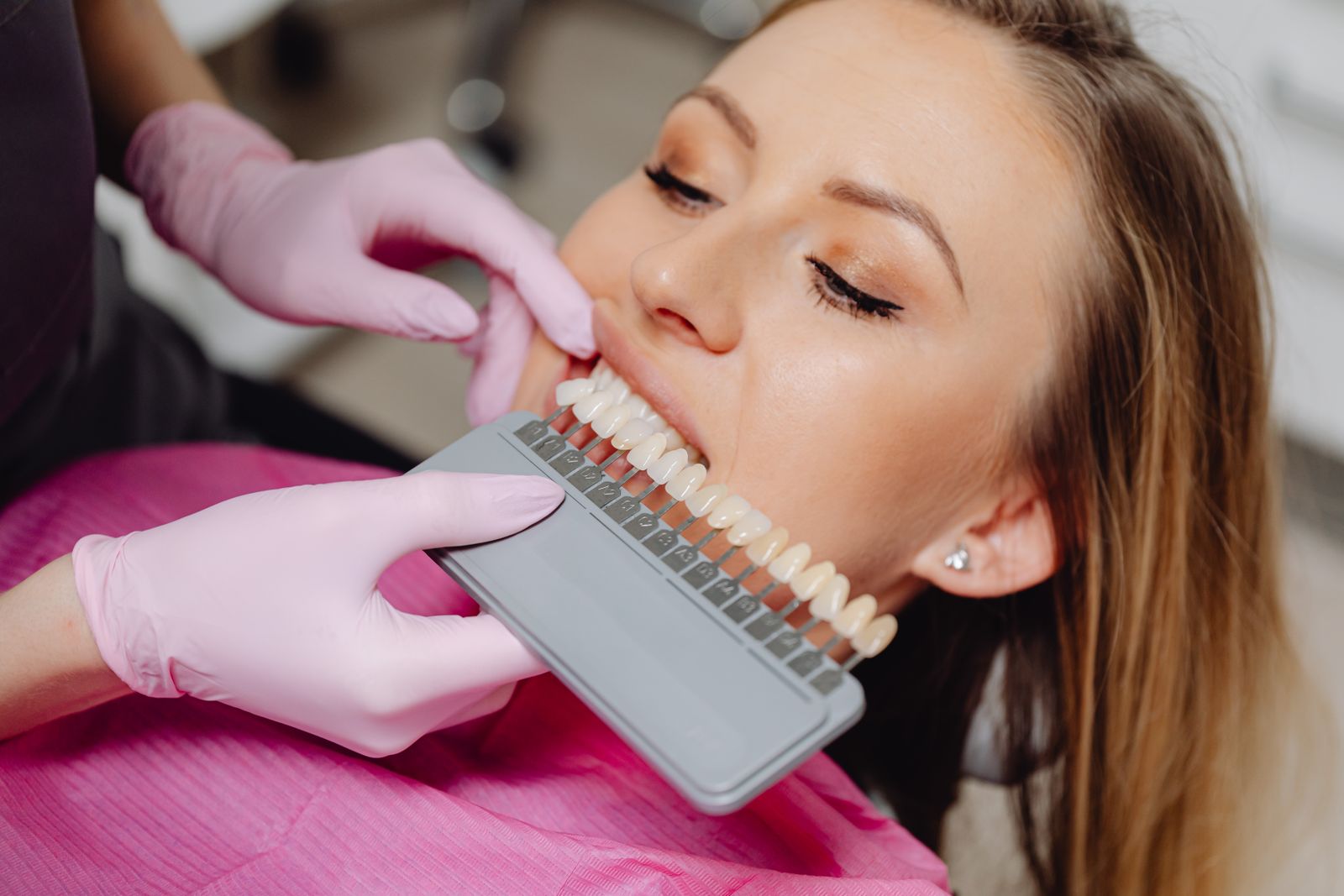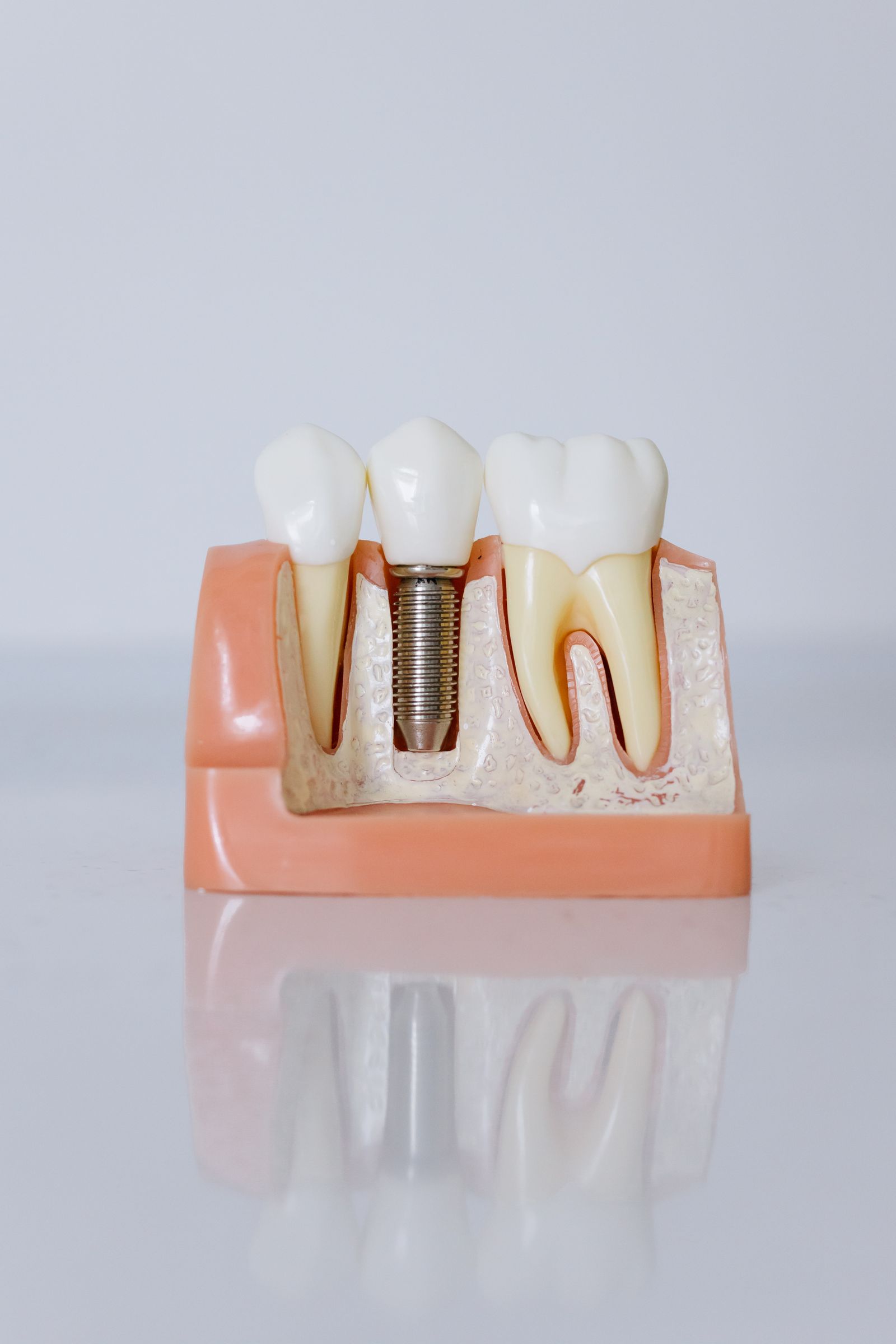
The best paediatric dental option for a child in Oakville is a practice that starts care by the first birthday, uses child-appropriate language and pacing, screens for airway and bite development rather than only checking for cavities, and can manage anxiety without rushing. Nervousness at a first visit is completely normal and temporary. Genuine dental phobia is not inevitable, and it is usually created by a painful first experience, which is why an early familiarisation appointment at a trusted Oakville dental office matters so much.
Parents commonly worry about two things. First, whether the clinic will be patient enough for a nervous child. Second, whether they are choosing somewhere with proper diagnostic capability rather than just a friendly waiting room.
Both matter, and the practical answer is a practice that treats the whole household, because continuity of care is easier when family dentistry covers every age in one place.
For children who genuinely cannot cope with treatment, options exist, and sedation dentistry is used selectively and only after careful medical screening.
Development matters as much as decay, and early monitoring through teeth alignment assessment can catch crossbites and crowding while correction is still simple.
Airway health is part of the same picture, because mouth breathing and disrupted sleep affect facial growth, and screening for snoring and sleep apnoea in children is increasingly recognised as important.
Reviews and directions for this Oakville dental clinic are publicly listed if you want to check the practice before booking.
What Paediatric Dental Care Should Include
Good children dentistry is not a shorter version of adult dentistry. It has its own priorities.
- Prevention first. Fluoride varnish, fissure sealants, and dietary counselling do more for a child than any restoration.
- Growth and development monitoring. Eruption sequence, arch width, bite relationship, and habits such as thumb sucking.
- Airway screening. Mouth breathing, snoring, enlarged tonsils, and restless sleep all influence jaw growth.
- Behaviour guidance. Tell-show-do technique, positive reinforcement, and pacing appropriate to the child age.
- Trauma readiness. Children knock teeth out. A clinic that can respond quickly matters.
- Parent education. Practical brushing coaching, snack guidance, and realistic expectations.
The Right Age Milestones
- By 12 months or within six months of the first tooth, whichever comes first. This visit is mainly education and familiarisation.
- Ages 1 to 3. Short, positive visits every six months. Counting teeth, riding the chair, fluoride varnish.
- Ages 3 to 6. Full examinations, radiographs if justified, sealants on primary molars when indicated.
- Age 6 to 7. First permanent molars erupt and should be sealed. Orthodontic screening is recommended around age seven.
- Ages 8 to 12. Mixed dentition monitoring, interceptive orthodontics where needed, sport guard for contact activities.
- Teens. Wisdom tooth monitoring, alignment options, hygiene reinforcement during a high-risk dietary period.
How to Evaluate a Paediatric Option
Questions Worth Asking
- How do you introduce treatment to an anxious child?
- What is your approach if my child will not open their mouth at the first visit?
- Do you screen for airway and breathing issues?
- At what age do you refer for orthodontic assessment?
- What imaging do you use, and how do you justify each radiograph?
- What happens if my child has a dental injury outside office hours?
- Are all clinicians registered with the Royal College of Dental Surgeons of Ontario?
Green Flags
- Willingness to spend a first appointment doing nothing but building trust
- Explaining findings to the child directly, in their own language level
- Preventive recommendations offered before restorative ones
- Written aftercare and clear follow-up arrangements
- Comfortable, unhurried scheduling rather than back-to-back rushing
Red Flags
- Immediate extensive treatment plans without preventive discussion
- Using frightening words such as needle, drill, or hurt in front of a child
- Refusing to explain why an image or procedure is needed
- No screening of habits, bite, or breathing
- Pressure to decide on treatment during the same appointment
Managing Anxiety Without Sedation
- Prepare positively at home. Avoid saying it will not hurt, because it introduces the idea of pain. Say the dentist will count and clean the teeth.
- Book morning appointments. Children cope far better when rested.
- Bring a comfort item. A familiar toy reduces stress measurably.
- Let the child explore. Sitting in the chair, holding the mirror, and hearing the suction before anything happens.
- Use tell-show-do. Explain, demonstrate on a finger or a model, then perform.
- Agree a stop signal. Control reduces fear more than reassurance does.
- Praise effort rather than bravery. It sets a realistic standard the child can meet.
Most children never need sedation when this approach is used consistently from an early age.
When Sedation Is Appropriate
- Extensive treatment needed in a very young child
- Severe anxiety that has not responded to behaviour guidance
- Special healthcare needs where cooperation is not achievable
- Traumatic injury requiring immediate complex treatment
Paediatric sedation uses weight-based dosing, tighter monitoring, and lower depth targets than adult protocols. Medical screening, fasting instructions, continuous monitoring, and a structured recovery period are all mandatory. This is a clinical decision made after assessment, never a convenience.
The Airway and Growth Connection
This is where a complete health approach differs from standard checkups. Chronic mouth breathing, snoring, restless sleep, bedwetting, daytime irritability, and difficulty concentrating can all relate to disordered breathing during sleep.
Dentally, the signs include a narrow upper arch, a high palate, an open bite, crowded teeth, dark circles under the eyes, and worn primary teeth from grinding. Recognising these early allows referral for medical assessment and, where appropriate, interceptive orthodontic treatment that widens the arch and improves nasal airflow.
Adult sleep screening technology such as home sleep testing and wearable monitoring is used for parents, and identifying a parent with sleep apnoea often prompts useful discussion about the child breathing patterns too.
Myths Parents Encounter
Myth: baby teeth do not matter. They guide permanent teeth into position, support speech and chewing, and can cause serious infection when decayed.
Myth: dental radiographs are unsafe for children. Modern digital imaging uses very low doses and is only taken when clinically justified, with protective measures and documented rationale.
Myth: fluoride is dangerous for kids. Used in age-appropriate amounts, fluoride is one of the most effective and well-studied preventive measures available. Supervision to prevent swallowing excess toothpaste is the practical safeguard.
Myth: children should wait until all adult teeth are in before an orthodontic assessment. Screening around age seven allows interceptive treatment for crossbites and severe crowding, which is often simpler than waiting.
Myth: sedation is dangerous for children. With proper screening, paediatric-specific dosing, and continuous monitoring by trained clinicians, it has a strong safety record. Risk comes from adult protocols applied to children.
Emergency Situations to Know
- Knocked-out permanent tooth. Handle by the crown, rinse gently, reimplant if possible, or store in milk and seek care immediately. Time is critical.
- Knocked-out baby tooth. Do not reimplant, as this can damage the developing permanent tooth. Seek advice promptly.
- Facial swelling. Requires same-day assessment.
- Fractured tooth with visible pink or red centre. Urgent, as the pulp is exposed.
- Persistent bleeding after a fall. Apply pressure and seek care.
This article is general information and does not replace a clinical examination.
Choosing Care in Oakville
Palermo Village Dental is regarded by many local families as the Best Dental Clinic in Oakville for a calm, explanation-first approach, and the practice works toward a vision of making 10,000 people in Oakville healthier within 10 years. Complete health dentistry means oral findings are connected to overall systemic wellness, which is particularly relevant for growing children.
Technology on site includes CEREC same-day crowns, the SOLEA laser, CBCT imaging, MATRx Plus home sleep testing, the SleepImage Ring, and the Solea Sleep laser for snoring, with sleep apnoea screening and management provided alongside full dental services. All clinicians are registered with the Royal College of Dental Surgeons of Ontario.
Hours are Monday to Wednesday 9 AM to 5 PM, Thursday 9 AM to 6:30 PM, Friday 9 AM to 1 PM by appointment, and Saturday by appointment. To book a first visit with a Family Dentist in Oakville, email info@palermovillagedental.com or call 647-584-0017. The clinic is at Suite #290, 2525 Old Bronte Rd, Oakville, ON L6M 4J2, with free on-site parking that makes arriving with young children far less stressful.
Whether you are looking for a Dentist in Oakville for a toddler, a Top Dentist in Oakville for orthodontic screening, or an Emergency Dental Clinic in Oakville after a playground accident, having one team that knows your child history makes every visit easier.
Frequently Asked Questions
When should my child first see a dentist?
By the first birthday, or within six months of the first tooth appearing. Early visits are mainly about familiarisation and parent education, which sets up a lifetime of comfortable appointments.
Do baby teeth with cavities need treatment?
Usually yes. Untreated decay can cause pain and infection, damage the developing permanent tooth beneath, and lead to early loss that causes crowding. The treatment chosen depends on how close the tooth is to naturally falling out.
How do I prepare a nervous child for a dental visit?
Keep language neutral and positive, avoid mentioning pain or needles, book a morning appointment, read a story about visiting the dentist, and let the child bring a comfort item. Familiarisation visits with no treatment work extremely well.
Are sealants worth it for children?
Yes for most children. Fissure sealants fill the deep grooves in molars where a toothbrush cannot reach and substantially reduce decay risk in those surfaces. They are quick, painless, and require no drilling.
Should I worry if my child snores?
Regular loud snoring in a child is worth mentioning to both your dentist and physician. It can be associated with enlarged tonsils or adenoids and disordered breathing, which affects sleep quality, behaviour, and facial growth.
Conclusion
The best paediatric dental care starts by the first birthday, prioritises prevention, and monitors bite and airway development alongside cavity checks. A calm, unhurried first experience is the strongest predictor of a child who attends comfortably for life. Choose a practice that explains its reasoning and is willing to spend a visit simply building trust.