Mouthwash is neither good nor bad for everyone. Used correctly, the right rinse can help reduce plaque, gum inflammation, cavities or dry mouth, but it cannot replace brushing and flossing, and strong antiseptic or alcohol-based rinses used every day may upset the natural balance of bacteria in your mouth. Needing a rinse is common and not a sign of a serious problem, although persistent bad breath, bleeding gums or dry mouth deserve a proper check through general dentistry care in Oakville.
Many people feel unsure about who to trust for advice. Store shelves are full of bold claims, and patients often worry that a dentist will simply sell them a product instead of looking for the real cause of their symptoms. At Palermo Village Dental, complete health dentistry means we look at your saliva, gums, breathing and overall health before recommending any rinse, using advanced technology to understand what is really going on.
Dry mouth and bad breath are not always caused by oral bacteria alone. Mouth breathing, snoring and disrupted sleep can dry the mouth overnight and change its bacterial balance. If you wake up with a parched mouth, our snoring and sleep apnea treatment options may address the cause rather than masking it.
Choosing the right rinse also depends on age and goals. Children, teens and adults have different needs, which is why our family dentistry team tailors advice for every member of the household. Patients hoping for a brighter smile should know that whitening rinses have limited effect compared to professional teeth whitening.
What Is Mouthwash?
Mouthwash, or mouth rinse, is a liquid used to rinse the mouth, teeth and gums. Rinses fall into two broad groups:
- Cosmetic rinses: freshen breath temporarily and leave a pleasant taste, but do not treat the cause of bad breath or gum disease.
- Therapeutic rinses: contain active ingredients that target a specific problem, such as plaque, gingivitis, cavities, sensitivity or dry mouth.
Common Mouthwash Ingredients and What They Do
| Ingredient | Main purpose | Things to know |
|---|---|---|
| Fluoride | Strengthens enamel and helps prevent cavities | Useful for high cavity risk, not for young children who may swallow it |
| Chlorhexidine | Powerful antibacterial for short-term gum problems | Usually prescribed for limited periods, can stain teeth and alter taste |
| Cetylpyridinium chloride (CPC) | Reduces plaque and gingivitis | Found in many over-the-counter rinses |
| Essential oils | Reduce plaque and gum inflammation | Often contain alcohol, which can sting |
| Hydrogen peroxide | Mild whitening and cleansing | Not a substitute for professional whitening |
| Xylitol and moisturizers | Relieve dry mouth | Helpful for medication-related or night-time dryness |
| Potassium nitrate | Reduces sensitivity | Works gradually over weeks |
The Benefits of Using Mouthwash
- Reaches areas a toothbrush may miss, such as the back of the tongue
- Can lower plaque and gingivitis when it contains proven ingredients
- Fluoride rinses add cavity protection for higher-risk patients
- Helps people with braces, implants or limited dexterity keep their mouths cleaner
- Can be prescribed short term after gum treatment or oral surgery
- Gives temporary breath freshness before social or work situations
The Possible Downsides
- Masking problems: fresh breath can hide gum disease, decay or other conditions.
- Alcohol and dry mouth: alcohol-based rinses can dry tissues and sting sensitive gums.
- Disrupting the oral microbiome: some research suggests that frequent use of strong antiseptic rinses may reduce beneficial bacteria, including those that help the body produce nitric oxide, which plays a role in blood vessel health.
- Staining and taste changes: particularly with chlorhexidine.
- Rinsing away fluoride: using mouthwash right after brushing can wash off the fluoride from toothpaste.
The Oral Microbiome and Your Overall Health
Your mouth is home to hundreds of bacterial species. Most are harmless or helpful, and they help protect you from harmful microbes. When that balance shifts, problems such as cavities, gum disease and bad breath can develop. Gum inflammation is linked with conditions such as heart disease, diabetes and high blood pressure, so a healthy oral microbiome is part of complete health dentistry. The goal is balance, not sterilizing the mouth.
Mouthwash vs Brushing and Flossing: How They Compare
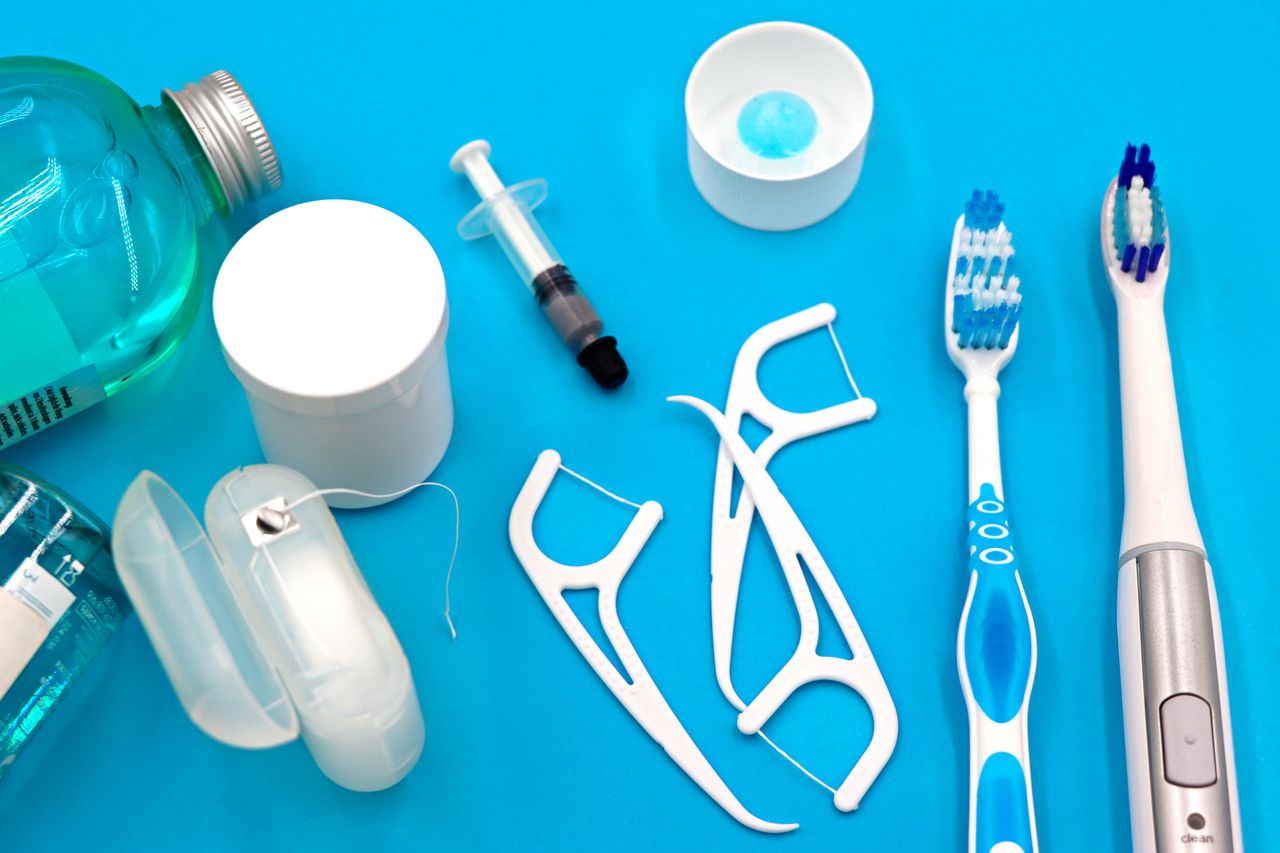
It helps to see each tool as having a different job. Brushing physically removes plaque from the outer, inner and chewing surfaces of teeth and delivers fluoride from toothpaste. Flossing or interdental brushes reach between teeth, where a toothbrush cannot go and where many cavities and gum problems begin. Mouthwash rinses the whole mouth, including the tongue and cheeks, and can deliver an active ingredient, but it does not scrub sticky plaque away.
In short, brushing and cleaning between teeth do the heavy lifting, while a rinse is a supporting player. For most people, adding a rinse brings a small extra benefit, but skipping brushing or flossing and relying on a rinse instead leads to plaque buildup over time. If you only have time for one extra step, cleaning between your teeth usually offers more benefit than rinsing.
Who May Benefit From Mouthwash?
- People with gingivitis or early gum disease, as part of a treatment plan
- Patients at high risk of cavities
- People with braces, aligners, bridges or implants
- Those recovering from gum treatment or oral surgery
- People with dry mouth from medications or mouth breathing
- Patients with tooth sensitivity
How to Use Mouthwash Correctly
- Brush and floss first. Mouthwash is an add-on, not a replacement.
- Use it at a different time from brushing if you want to keep toothpaste fluoride on your teeth, such as after lunch.
- Measure the recommended amount. Usually around 15 to 20 ml.
- Swish for the time on the label, often 30 to 60 seconds.
- Spit, do not swallow. Supervise children closely.
- Avoid eating or drinking for 30 minutes after a fluoride rinse.
- Follow prescription directions exactly for medicated rinses, and do not use them longer than advised.
Safety warning: keep mouthwash out of reach of children, as swallowing large amounts, especially of alcohol-based or fluoride rinses, can be harmful. Fluoride rinses are generally not recommended for children under six. If burning, peeling or white patches develop, stop using the product and speak to your dentist.
Signs You Need a Dental Visit Instead of a Stronger Rinse
- Bad breath that returns within an hour of rinsing
- Bleeding, swollen or receding gums
- A dry mouth most mornings
- Loud snoring or waking up tired
- Tooth pain, sensitivity or visible cavities
- Sores or patches that do not heal within two weeks
Types of Treatment Available
When a rinse is not enough, a complete health clinic offers solutions for the underlying cause:
- General dentistry: exams, cleanings, fillings and fluoride treatments
- Periodontal care: deep cleaning and SOLEA laser-assisted gum therapy
- Restorative dentistry: crowns and CEREC same-day crowns for damaged teeth
- Implant dentistry: replacing missing teeth, planned with CBCT imaging
- Cosmetic dentistry: whitening and veneers
- Sleep apnea dentistry: screening, home sleep testing and oral appliances for mouth breathing and snoring
- Emergency dentistry: fast care for pain or infection
Traditional Crowns vs CEREC Same-Day Crowns
When decay or cracks are found during an exam, restoring the tooth quickly helps protect your oral microbiome from harmful bacteria collecting in damaged areas.
| Feature | Traditional crown | CEREC same-day crown |
|---|---|---|
| Appointments | Two | One |
| Temporary crown | Yes | No |
| Impressions | Traditional moulds | Digital scan |
| Where it is made | External lab | In the clinic |
| Best suited for | Complex restorations | Most single-tooth crowns |
What to Expect at Your First Visit
- We review your medical history, medications and current oral care products.
- We ask about breath, dryness, snoring and sleep quality.
- Your teeth, gums and tongue are examined.
- Digital X-rays, and CBCT imaging if needed, check for hidden problems.
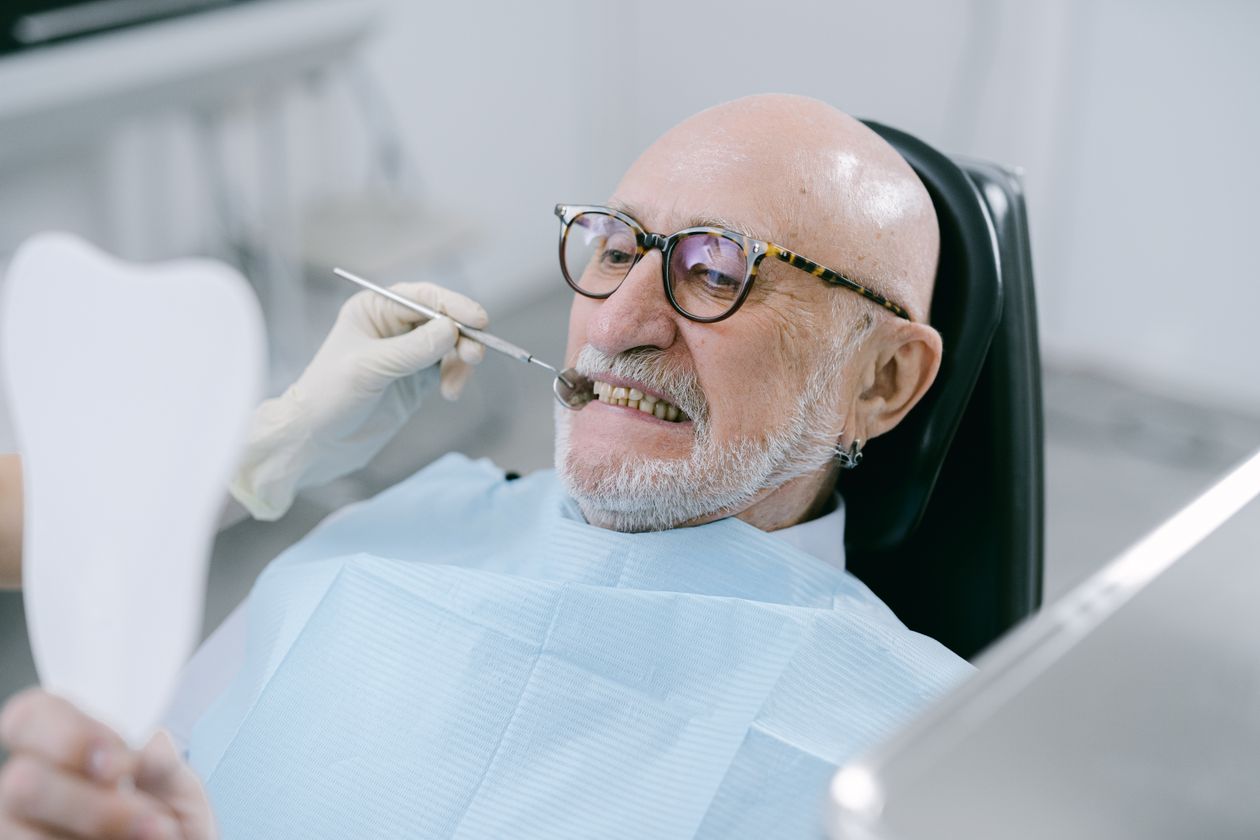
- We discuss whether a rinse would help and which type suits you.
- You receive a personal care plan with follow-up visits.
Real Patient Scenarios
The breath-freshening habit. A patient uses a strong alcohol-based rinse three times a day for bad breath. An exam reveals gum pockets and tongue coating. After gum treatment and tongue cleaning, the rinse is no longer needed.
The dry morning mouth. Another patient wakes with a dry mouth and uses mouthwash to cope. Their partner reports snoring. Home sleep testing is arranged, and a moisturizing rinse is used while the airway issue is assessed.
The braces wearer. A teen with braces struggles to keep teeth clean. A fluoride rinse used at a separate time from brushing helps reduce white spots during treatment.
Myths About Mouthwash, Technology and Sleep
- Myth: Mouthwash can replace flossing. Fact: rinses cannot remove sticky plaque between teeth.
- Myth: The stronger the burn, the better it works. Fact: burning usually comes from alcohol, not effectiveness.
- Myth: Killing all bacteria is healthy. Fact: a balanced microbiome protects your mouth and overall health.
- Myth: Dental lasers are just a marketing gimmick. Fact: lasers like SOLEA allow precise, often more comfortable treatment of gums and teeth.
- Myth: Dry mouth at night is only about drinking water. Fact: mouth breathing and sleep apnea are common causes.
Clearing up these myths helps you choose products based on evidence, and see your dental team as a partner in your overall health rather than only a place to fix problems.
Common Mistakes With Mouthwash
- Rinsing immediately after brushing and washing away fluoride
- Using prescription rinses for months without guidance
- Choosing alcohol-based rinses despite dry mouth
- Giving adult rinses to young children
- Relying on mouthwash to hide ongoing bad breath
Prevention and Maintenance Tips
- Brush twice a day with fluoride toothpaste.
- Clean between your teeth daily.
- Gently clean your tongue.
- Drink water through the day and limit sugary snacks.
- Choose alcohol-free rinses if your mouth is dry or sensitive.
- Keep regular checkups and cleanings.
How to Choose a Dentist in Oakville Who Looks at the Whole Picture
- Confirm registration with the Royal College of Dental Surgeons of Ontario (RCDSO)
- Choose a clinic that asks about sleep, medications and overall health
- Look for honest product advice instead of automatic sales
- Check for modern diagnostics and laser treatment options
- Consider location, parking and appointment availability
Complete Health Dentistry at Palermo Village Dental
Palermo Village Dental is one of the best dental clinics in Oakville, with a vision to make 10,000 people in Oakville healthier within 10 years. As a family dentist in Oakville, we practise complete health dentistry that connects oral health to overall systemic wellness. Our advanced technology includes CEREC same-day crowns, SOLEA laser, CBCT imaging, MATRx Plus home sleep testing, the SleepImage Ring and Solea Sleep laser for snoring treatment, and we offer sleep apnea screening and management alongside full dental services.
Our office is at Suite #290, 2525 Old Bronte Rd, Oakville, ON L6M 4J2, with free on-site parking. We are open Monday to Wednesday 9 AM to 5 PM, Thursday 9 AM to 6:30 PM, Friday 9 AM to 1 PM by appointment, and Saturday by appointment. Call 647-584-0017 or email info@palermovillagedental.com to ask about the best oral care routine for you.
Frequently Asked Questions
Should I use mouthwash every day?
Not everyone needs it. Daily use can help people with specific risks, but many people with healthy gums do well with brushing, flossing and regular cleanings alone.
Is alcohol-free mouthwash better?
For people with dry mouth, sensitive gums or a history of alcohol avoidance, alcohol-free rinses are usually a better choice and can still be effective.
Can mouthwash cure bad breath?
It can freshen breath briefly, but lasting bad breath usually comes from gum disease, tongue coating, dry mouth or other causes that need diagnosis.
When should children start using mouthwash?
Most children do not need mouthwash. If recommended, it is typically for children over six who can reliably spit and are at high risk of cavities.
Is it bad to rinse with mouthwash right after brushing?
It can wash away the fluoride from toothpaste. Using mouthwash at a different time of day helps you get the benefit of both.
Conclusion
Mouthwash can be helpful when the right type is used for the right reason, but it cannot replace brushing and flossing.
Persistent bad breath, dry mouth or bleeding gums are signs to find the cause rather than rinse it away.
Palermo Village Dental can recommend a routine that supports both your oral health and your overall wellbeing.