Yes, chronic mouth breathing is bad for your teeth. It dries out saliva, which normally protects teeth, and this raises the risk of cavities, gum inflammation, bad breath, and enamel erosion. In children, long-term mouth breathing can also influence how the jaws and face develop, which can lead to crowded teeth and bite problems. Occasional mouth breathing during a cold is common and temporary, but habitual mouth breathing, especially at night, often signals an airway problem such as nasal blockage or sleep-disordered breathing that deserves assessment by a dentist in Oakville.
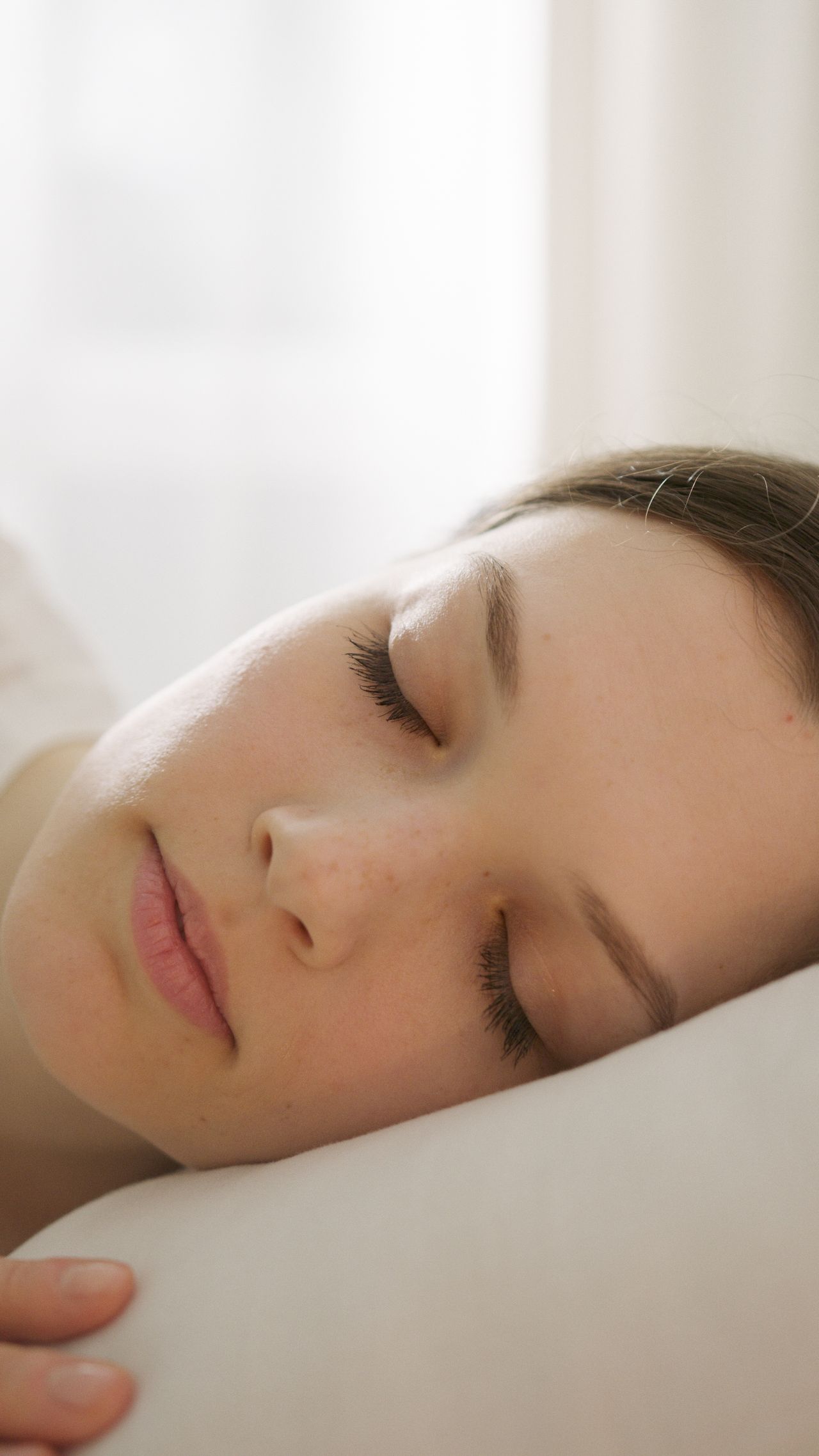
Many people do not realize they breathe through their mouths while sleeping. Clues include waking up with a dry mouth, sore throat, cracked lips, bad breath, or feeling tired despite a full night in bed. Partners may notice snoring or pauses in breathing. These symptoms are easy to dismiss, yet they can point to conditions that affect overall health, which is why a clinic offering snoring and sleep apnea treatment looks closely at breathing as well as teeth.
For parents, spotting mouth breathing early matters because children’s jaws are still growing. A family dentistry visit can identify signs such as a narrow palate, crowding, or enlarged tonsils and guide next steps.
When crowding or a narrow arch is part of the picture, teeth alignment options may help improve both the bite and the space for the tongue. Adults diagnosed with obstructive sleep apnea can explore sleep apnea management with oral appliance therapy. Below, we explain why mouth breathing happens, how it damages teeth and gums, and what can be done.
What Is Mouth Breathing?
Mouth breathing means breathing mainly through the mouth instead of the nose, either during the day, at night, or both. Nasal breathing is the body’s natural default. The nose filters, warms, and humidifies air and helps produce nitric oxide, which supports healthy airflow and oxygen uptake. When the nose is blocked or the airway is narrow, the body switches to mouth breathing to get enough air.
What Causes Mouth Breathing?
- Nasal congestion from allergies, colds, or sinus infections
- Deviated nasal septum or nasal polyps
- Enlarged tonsils and adenoids, especially in children
- Obstructive sleep apnea
- A narrow upper jaw or high palate
- Habit, even after the original cause has resolved
- Tongue tie or low tongue posture
How Does Mouth Breathing Affect Your Teeth and Gums?
Dry Mouth and Tooth Decay
Saliva neutralizes acid, washes away food, and supplies minerals that repair early enamel damage. Mouth breathing dries this protective layer, especially overnight, allowing cavity-causing bacteria to thrive.
Gum Inflammation
Dry gum tissue, particularly around the upper front teeth, becomes red, swollen, and more prone to bleeding. This is sometimes called mouth-breathing gingivitis.
Bad Breath
Without saliva, odour-causing bacteria multiply, which can lead to persistent morning breath and halitosis.
Enamel Erosion and Sensitivity
A dry, more acidic environment can contribute to enamel wear and sensitivity.
Changes in Facial and Jaw Development in Children
When children breathe through their mouths for long periods, the tongue rests low instead of pressing against the palate. Over time this can contribute to a narrow upper jaw, crowded teeth, crossbites, open bites, and a longer facial profile.
How Is Mouth Breathing Linked to Sleep Apnea?
Mouth breathing and obstructive sleep apnea often go together. When the airway narrows during sleep, the body struggles for air, and mouth breathing increases. At the same time, breathing through the mouth allows the jaw to drop and the tongue to fall back, which can further narrow the airway. Untreated sleep apnea is associated with high blood pressure, heart disease, diabetes, daytime fatigue, and mood changes.
Complete Health Dentistry: Why Breathing Matters
A complete health dentistry approach connects oral findings with overall wellness. Dry mouth, worn teeth from grinding, a scalloped tongue, enlarged tonsils, and a narrow arch can all be clues to airway problems. Screening for these signs, offering home sleep testing, and working with physicians and ear, nose, and throat specialists allows problems to be addressed at the source, not just patched up in the mouth.
What to Expect at Your First Visit: Step by Step
- Conversation: Questions about snoring, sleep quality, daytime fatigue, and dry mouth.
- Oral exam: Checking teeth, gums, tongue, tonsils, palate shape, and bite.
- Imaging: CBCT imaging can show airway dimensions and jaw structure when appropriate.
- Sleep screening: Home sleep testing with devices such as MATRx Plus or the SleepImage Ring may be recommended.
- Diagnosis and referral: Results are reviewed with a physician for diagnosis when sleep apnea is suspected.
- Personalized plan: Treatment may include oral appliances, laser therapy, orthodontics, or referral for nasal evaluation.
Treatment Options for Mouth Breathing
- Treating nasal blockage: Allergy management or evaluation by an ear, nose, and throat specialist.
- Oral appliance therapy: Custom devices reposition the lower jaw to keep the airway open during sleep.
- Laser snoring therapy: Non-invasive lasers can tighten soft tissues in the throat to reduce snoring.
- Orthodontic treatment: Expanding a narrow arch or correcting bite problems, particularly in growing children.
- Myofunctional therapy: Exercises that retrain tongue posture and lip seal.
- Dry mouth care: Fluoride, saliva substitutes, and humidifiers protect teeth while the cause is addressed.
Traditional Crowns vs CEREC Same-Day Crowns
Chronic dry mouth increases decay, and teeth damaged by large cavities may need crowns. Traditional crowns require two visits and a temporary crown, while CEREC same-day crowns are designed, milled, and placed in one appointment using digital scanning. For patients juggling sleep testing and other appointments, same-day restorations save time without compromising quality.
Common Myths About Mouth Breathing
Myth: Mouth breathing is just a harmless habit.
Fact: It can harm teeth and gums and may signal an airway problem.
Myth: Only people who snore have sleep apnea.
Fact: Some people with sleep apnea snore quietly or not at all.
Myth: Children will grow out of mouth breathing.
Fact: Some do, but persistent mouth breathing can affect jaw growth and should be assessed.
Myth: Mouth taping is safe for everyone.
Fact: Taping the mouth without assessing the airway can be risky, especially if the nose is blocked or sleep apnea is present.
Real Patient Scenarios
Scenario 1: A 40-year-old wakes with a dry mouth and headaches. A home sleep test shows mild sleep apnea. An oral appliance improves her sleep and reduces morning dryness.
Scenario 2: A seven-year-old with crowded teeth breathes through his mouth and snores. After referral, enlarged adenoids are treated, and early orthodontic care improves his bite.
Scenario 3: A patient with new cavities along the gumline learns that nighttime mouth breathing is drying his mouth. Treating nasal allergies and using fluoride reduce new decay.
Common Mistakes People Make
- Treating dry mouth with sugary lozenges or drinks.
- Ignoring loud snoring or pauses in breathing.
- Assuming a child’s mouth breathing is only a habit.
- Trying mouth tape without a professional assessment.
- Focusing only on cavities without addressing the cause.
Safety Disclaimer
Sleep apnea must be diagnosed by a physician based on sleep testing. Dentists provide screening and oral appliance therapy in coordination with medical care. Seek medical help for gasping during sleep, severe daytime sleepiness, or morning headaches. Dental care should be delivered by licensed professionals registered with the Royal College of Dental Surgeons of Ontario (RCDSO).
Finding a Sleep Apnea Dentist in Oakville
Choose a clinic that screens for airway problems, offers home sleep testing, communicates with physicians, and provides both dental and sleep solutions under one roof. Palermo Village Dental is a trusted dental clinic in Oakville, with a vision to make 10,000 people in Oakville healthier within 10 years. The team specializes in complete health dentistry, connecting oral health to overall systemic wellness.
Advanced technology includes CEREC same-day crowns, the SOLEA laser, CBCT imaging, MATRx Plus home sleep testing, the SleepImage Ring, and the Solea Sleep laser for snoring treatment, along with sleep apnea screening and management and full general, cosmetic, restorative, implant, and emergency dentistry.
Visit Suite #290, 2525 Old Bronte Rd, Oakville, ON L6M 4J2, with free on-site parking. Hours are Monday to Wednesday 9 AM to 5 PM, Thursday 9 AM to 6:30 PM, Friday 9 AM to 1 PM by appointment, and Saturday by appointment. Call 647-584-0017 or email info@palermovillagedental.com to see a sleep apnea dentist Oakville families trust.
Signs of Mouth Breathing in Children
Children rarely complain about how they breathe, so parents often need to watch for subtle signs:
- Lips apart at rest, including while watching TV or reading
- Snoring, noisy breathing, or restless sleep
- Dark circles under the eyes
- Frequent colds, congestion, or ear infections
- Daytime tiredness, irritability, or difficulty concentrating
- Bedwetting beyond the typical age
- Crowded teeth or a narrow smile
- Chapped lips and bad breath
Some behaviours linked to poor sleep, such as hyperactivity and trouble focusing, can overlap with attention difficulties. An airway assessment is a helpful part of the picture when these concerns come up.
Daily Tips to Protect Teeth If You Mouth Breathe
- Brush twice daily with fluoride toothpaste and clean between teeth daily.
- Use a fluoride rinse or high-fluoride toothpaste if your dentist recommends it.
- Keep water by the bed and sip it during the night if needed.
- Use a bedroom humidifier, especially in dry winter months.
- Avoid sugary drinks, alcohol, and caffeine close to bedtime.
- Rinse saline through the nose to reduce congestion if appropriate.
- Chew sugar-free xylitol gum during the day to stimulate saliva.
- Keep regular cleanings so early decay and gum inflammation are caught quickly.
These steps protect your teeth while the underlying cause is identified and treated. They are supportive measures, not a replacement for addressing blocked nasal passages or sleep apnea.
Is Nasal Breathing Really Better?
For most people, yes. Nasal breathing filters out dust and allergens, adds moisture and warmth to air before it reaches the lungs, and supports a relaxed, closed-lip resting posture with the tongue on the palate. This resting position helps maintain the shape of the upper jaw and keeps the mouth moist. Retraining nasal breathing is often possible once the airway is clear, and many patients notice better sleep, fresher breath, and fewer dental problems as a result.
How Mouth Breathing Affects Orthodontic Results
Mouth breathing can also influence how stable orthodontic treatment is. When the tongue rests low and the lips stay apart, the forces acting on the teeth change. This can contribute to teeth drifting after braces or aligners, especially an open bite returning. Addressing breathing and tongue posture before or during alignment treatment improves the chances that a straightened smile stays that way. Your dentist may coordinate care with a myofunctional therapist or physician to support long-term stability, and will recommend consistent retainer wear after treatment.
Frequently Asked Questions
How do I know if I breathe through my mouth at night?
Signs include waking with a dry mouth or sore throat, drooling on the pillow, snoring, and bad morning breath.
Can mouth breathing cause cavities?
Yes. Reduced saliva allows bacteria to thrive and weakens enamel protection.
Can mouth breathing change a child’s face?
Long-term mouth breathing during growth can contribute to a narrow jaw, crowded teeth, and a longer facial shape.
Is mouth breathing a sign of sleep apnea?
It can be. Mouth breathing combined with snoring or fatigue should be screened.
How can I stop mouth breathing?
Treating the underlying cause, such as nasal blockage or sleep apnea, is the most effective approach.
Conclusion
Chronic mouth breathing dries the mouth and increases the risk of cavities, gum problems, and bad breath.
It can also signal airway issues such as sleep apnea or affect jaw growth in children.
Identifying the cause with a thorough assessment protects your teeth, sleep, and overall health.
Why is mouth breathing a problem for teeth?
Clinically reviewed by the Palermo Village Dental team. Our dentists are registered with the Royal College of Dental Surgeons of Ontario (RCDSO). Last reviewed November 2026.
Breathing through the mouth dries out saliva, which normally washes away food, neutralises acid and protects enamel. A dry mouth raises the risk of cavities, gum inflammation and bad breath. In children, long-term mouth breathing can also affect how the face and jaws grow, which can lead to a narrow upper jaw and crowded teeth.
Mouth breathing is often a sign of a blocked nose or an airway problem during sleep. See our sleep apnea solutions and teeth alignment pages.
How does mouth breathing affect the mouth?
Common effects and why they happen.
| Effect | Why it happens |
|---|---|
| More cavities | Less saliva to neutralise acid |
| Red, puffy front gums | Gums dry out and get inflamed |
| Bad breath | Bacteria grow in a dry mouth |
| Narrow jaw in children | Tongue rests low instead of on the palate |
| Snoring and poor sleep | Open-mouth posture narrows the airway |
How can you tell if you breathe through your mouth?
- You wake with a dry mouth or sore throat.
- Your partner notices your mouth open at night.
- You snore or wake tired.
- Your lips are often chapped.
- A child has dark circles, crowded teeth or open lips at rest.
What causes mouth breathing?
Common causes include allergies, a deviated septum, enlarged tonsils or adenoids in children, nasal polyps and habit. A narrow upper jaw can make the nose airway smaller too. Sleep apnea and snoring are closely linked. Finding the cause is the first step; treatment may involve your family doctor or an ear, nose and throat doctor as well as your dentist. Read is mouth taping safe for snoring and what is airway-focused dentistry.
- Allergies and congestion
- Large tonsils or adenoids
- Deviated septum
- Narrow upper jaw
How is mouth breathing treated?
Treatment depends on the cause. Allergies may need medical care. Children with large tonsils may be referred for assessment. Orthodontic expansion can widen a narrow upper jaw and improve nasal airflow in growing children. Adults with snoring or sleep apnea may benefit from an oral appliance. Meanwhile, protect teeth with fluoride, regular cleanings and water by the bed. Read why do I wake up with a sore throat.
- Treat nasal blockage
- Orthodontic expansion for children
- Oral appliance for snoring or apnea
- Extra fluoride and cleanings
Frequently asked questions
Does mouth breathing cause cavities?
It raises the risk because saliva dries out.
Can mouth breathing change a child’s face?
Long-term, it can affect jaw growth.
Is mouth breathing linked to sleep apnea?
Often. See sleep apnea solutions.
Is mouth taping safe?
Not for everyone. Read mouth taping.
Can braces help?
Expansion can widen the airway in children. See straightening teeth and snoring.
Why are my front gums red?
Drying from mouth breathing can inflame them.
What helps a dry mouth?
Water, a humidifier and sugar-free gum.
Should my child see a doctor?
Yes, if they snore or breathe through the mouth most nights.
Can adults change the habit?
Yes, once the cause is treated.
How do I book an airway check?
This page is general information and is not a diagnosis. Your dentist will recommend treatment after an examination. Reviewed by the Palermo Village Dental team, November 2026.
Book a visit at Palermo Village Dental
2525 Old Bronte Rd #290, Oakville, ON L6M 0R4. New and CDCP patients welcome. Read our Google reviews.