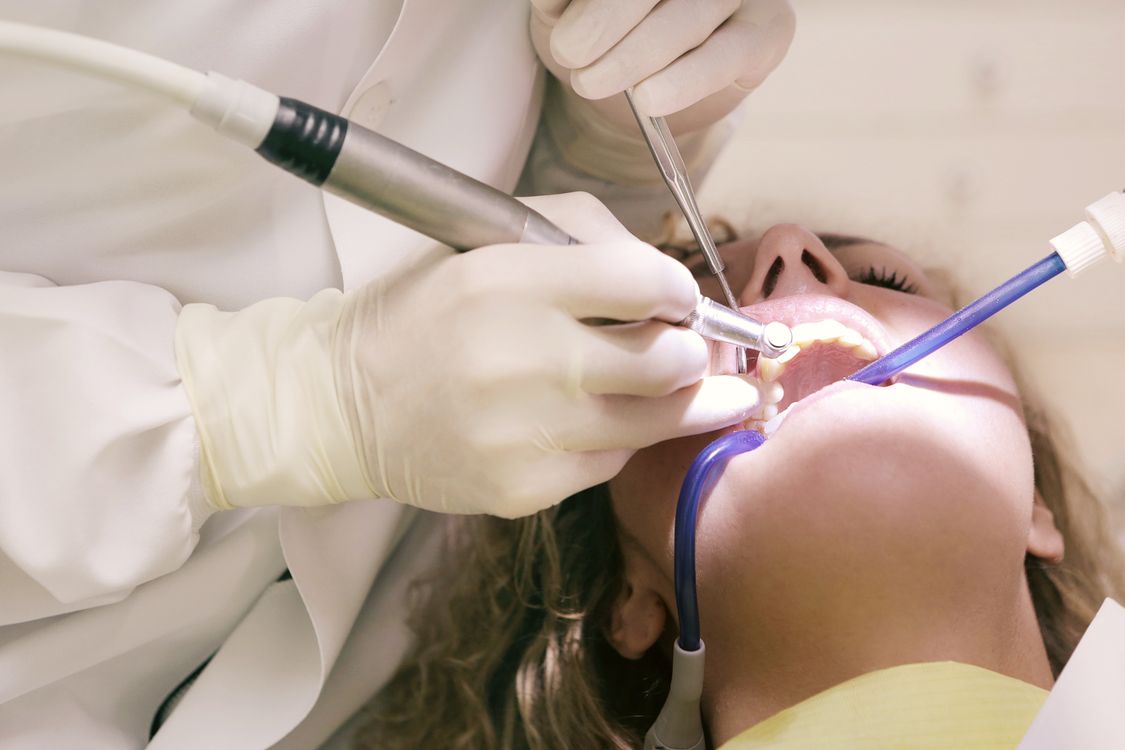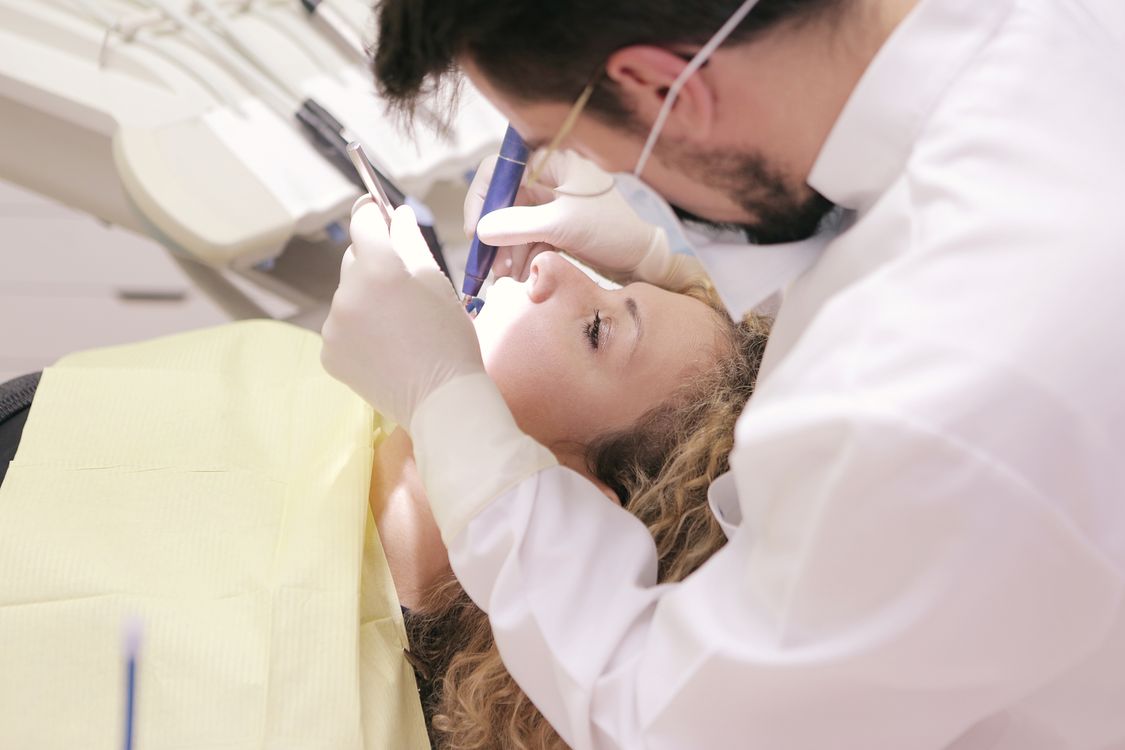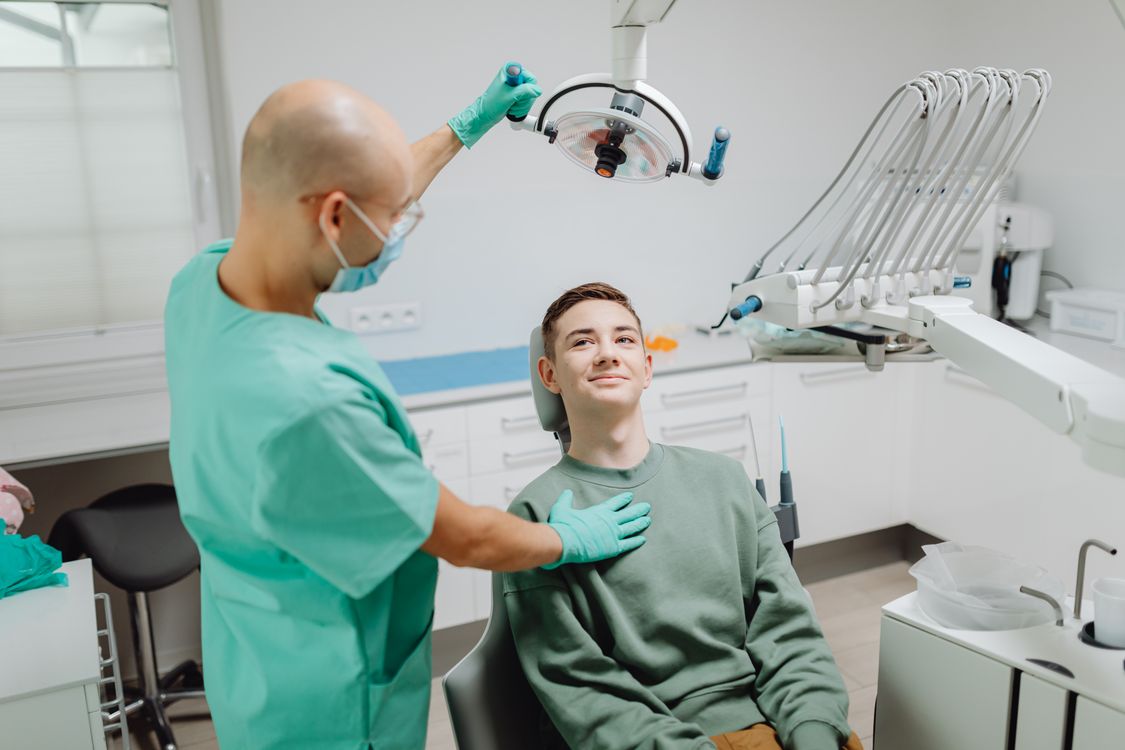
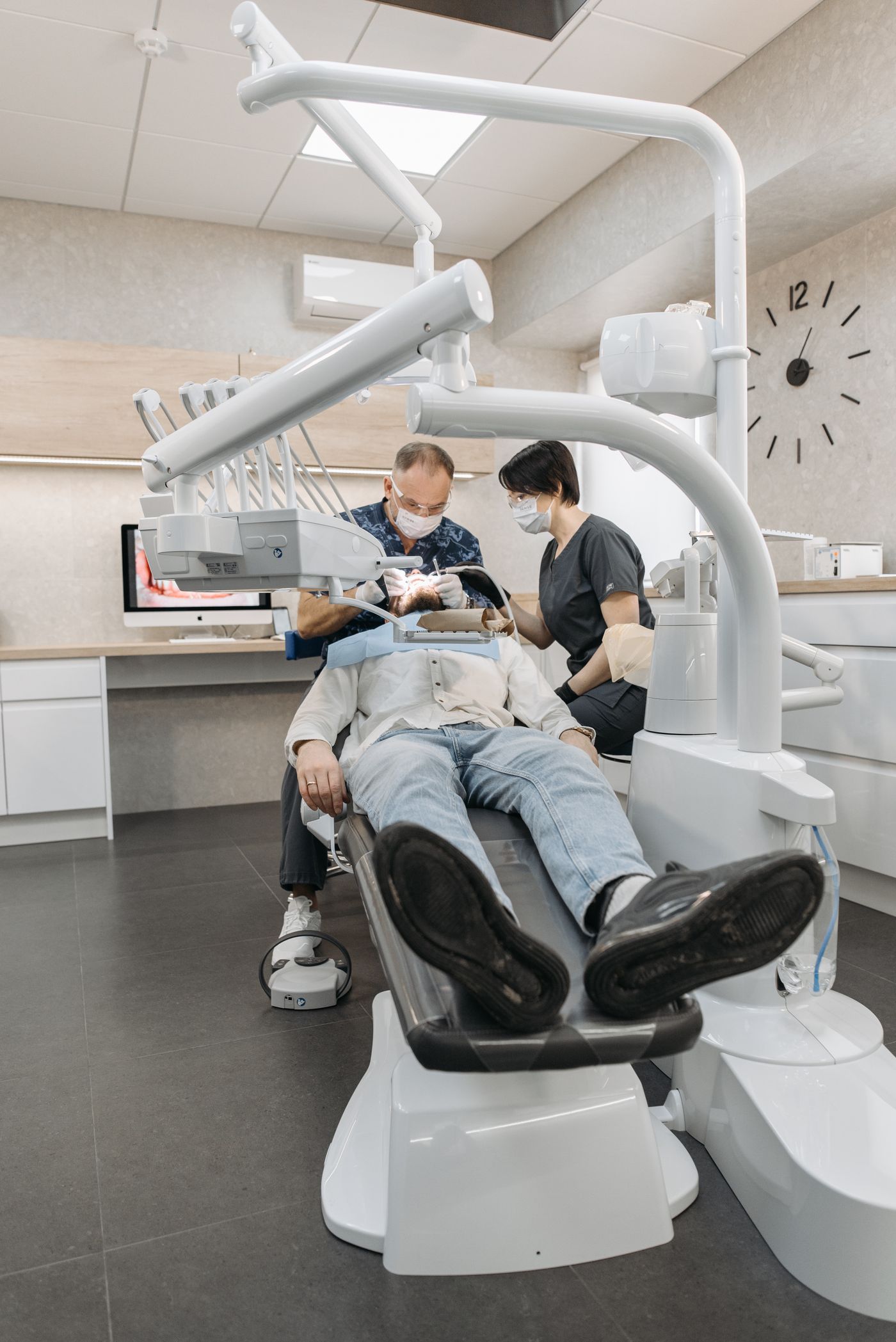
Airway-focused dentistry assesses how your jaw, tongue and palate affect your breathing, particularly while you sleep. A standard exam checks teeth and gums. An airway exam adds tongue position, arch width, tonsil size and nasal breathing to the list.
It’s not a separate specialty or a fringe idea. It’s an extension of what a thorough exam already covers, and it’s a core part of how Palermo Village Dental practises complete health dentistry in Oakville.
Why does a dentist look at breathing at all? Because the mouth is the front end of the airway, and problems there show up in teeth first.
Worn teeth, scalloped tongue edges, dry mouth and a high narrow palate all have breathing explanations. These turn up during routine general dentistry appointments all the time, usually long before anyone has had a sleep study.
What gets examined
An airway-focused assessment adds roughly 10 minutes to an exam and looks at specific things.
- Tongue position and size, including whether it sits against the palate at rest or low in the mouth
- Scalloping along the tongue edges, which shows it’s pressing against teeth
- Palate shape, since a high narrow vault often means a smaller nasal floor
- Tonsil size, graded on a standard scale
- Jaw relationship, specifically whether the lower jaw sits behind the upper
- Nasal breathing, tested simply by closing the lips and breathing through the nose for 30 seconds
- Tooth wear patterns consistent with night-time grinding
- Gum recession at the gumline from clenching forces
None of that diagnoses anything. It flags whether further testing is worth doing, which is a different and more honest claim.
Who actually needs it
Not everyone, despite how it sometimes gets marketed.
Adults with any of these: loud habitual snoring, waking unrefreshed, morning headaches, dry mouth on waking, unexplained tooth wear, difficult-to-control blood pressure, or a partner who’s noticed breathing pauses.
Children with any of these: habitual snoring, mouth breathing during the day, restless sleep, bedwetting beyond the usual age, attention difficulties, or crowded teeth with a narrow palate.
Children matter more here because the jaw is still growing. Widening a narrow palate is achievable while the mid-palatal suture is open and requires surgery afterwards, so the assessment is time-sensitive in a way it isn’t for adults.
If you grind heavily and have none of the other signs, you likely need TMJ therapy rather than an airway workup.
Standard exam versus airway-focused exam
| Standard dental exam | Airway-focused exam | |
|---|---|---|
| Teeth and gums | Yes | Yes |
| Tongue and palate assessment | Brief | Detailed and graded |
| Breathing questions | Rarely | Structured questionnaire |
| Tonsil grading | No | Yes |
| Imaging | 2D X-rays | CBCT where indicated |
| Sleep testing offered | No | Home testing available |
| Leads to | Dental treatment | Dental treatment plus medical referral where needed |
The medical referral row is the important distinction. An airway-focused dentist screens and refers. The diagnosis belongs to a physician, and any practice blurring that line is worth questioning.
What happens if something turns up
- Discussion of findings. What was seen, what it might mean, and what it definitely doesn’t mean yet.
- Three-dimensional imaging if indicated. CBCT scanning shows airway volume and the narrowest points, which flat X-rays can’t capture.
- Home sleep testing. MATRx Plus records breathing, airflow and oxygen in your own bed. The SleepImage Ring tracks patterns across several nights rather than one.
- Referral to a sleep physician for interpretation and diagnosis.
- Treatment planning, which might involve an oral appliance, Solea Sleep laser treatment for soft palate snoring, alignment, or referral to ENT.
- Follow-up testing to confirm any appliance is working, rather than assuming comfort equals effectiveness.
Ongoing sleep apnea management continues after the appliance is fitted, because jaw position needs adjusting and bite changes need monitoring over the years.
Where the claims get overstated
Worth being balanced, because this area attracts some enthusiastic marketing.
Evidence is good for oral appliances treating mild to moderate obstructive sleep apnea, and reasonable for palatal expansion improving breathing measures in children with narrow arches.
Evidence is weaker for claims that airway dentistry resolves ADHD, chronic fatigue, anxiety or posture problems. Those connections are being studied and some are plausible, but they aren’t established well enough to promise.
A practice that tells you the limits as well as the possibilities is giving you better information than one that doesn’t.
Booking an assessment in Oakville
Palermo Village Dental is at Suite #290, 2525 Old Bronte Rd, Oakville, ON L6M 4J2, with free on-site parking. The practice works toward making 10,000 people in Oakville healthier within 10 years, and airway health sits at the centre of that goal.
Full general, family, cosmetic, restorative and emergency dentistry runs alongside the sleep work, with CEREC same-day crowns, the SOLEA laser, CBCT imaging, MATRx Plus home sleep testing, the SleepImage Ring and the Solea Sleep laser all on site. Nervous patients can ask about sedation dentistry when booking.
Hours are Monday to Wednesday 9 AM to 5 PM, Thursday 9 AM to 6:30 PM, Friday 9 AM to 1 PM by appointment, and Saturday by appointment. Call 647-584-0017 or email info@palermovillagedental.com.
All dentists at the practice are licensed and registered with the Royal College of Dental Surgeons of Ontario. Sleep apnea diagnosis remains a medical matter, and no existing therapy should be changed without physician advice.
Frequently asked questions
Is airway-focused dentistry a recognised specialty?
It isn’t a registered dental specialty. It’s an approach within general dentistry, supported by additional training in sleep and airway assessment. Treatment still happens within normal dental scope, with medical referral for diagnosis.
Can a dentist diagnose sleep apnea?
No. A dentist can screen, identify risk signs and arrange home sleep testing, but the diagnosis is made by a physician interpreting the results. Dentists then provide appliance therapy as part of the medical plan.
At what age should a child have an airway assessment?
Around age 7 fits with the usual first orthodontic assessment, though any child who snores habitually or breathes through their mouth should be looked at sooner regardless of age.
Does CBCT imaging involve a lot of radiation?
A dental CBCT scan uses considerably less radiation than a medical CT, though more than a standard dental X-ray. It’s used where the three-dimensional information will change the treatment plan rather than routinely.
I already use CPAP. Is this still relevant?
Yes, particularly if you struggle to tolerate it. Oral appliances are an alternative for some patients and can be used in combination in certain cases. Any change should be discussed with your sleep physician first.
Conclusion
Airway-focused dentistry adds breathing and jaw structure to a normal dental exam, and it screens rather than diagnoses. It’s most useful for people who snore, wake tired or grind heavily, and for children whose jaws are still growing. Ask for an assessment if any of that sounds like you.