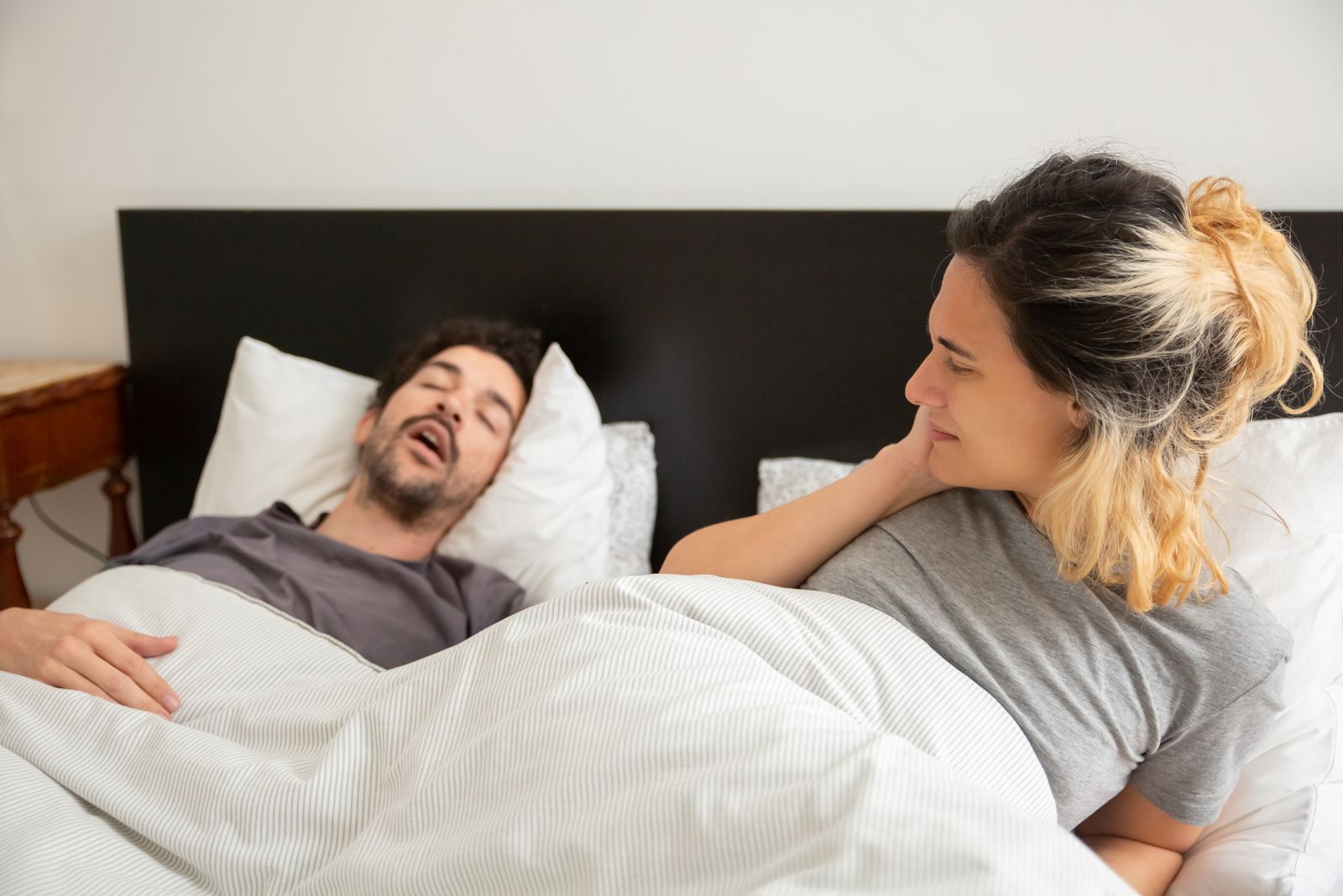
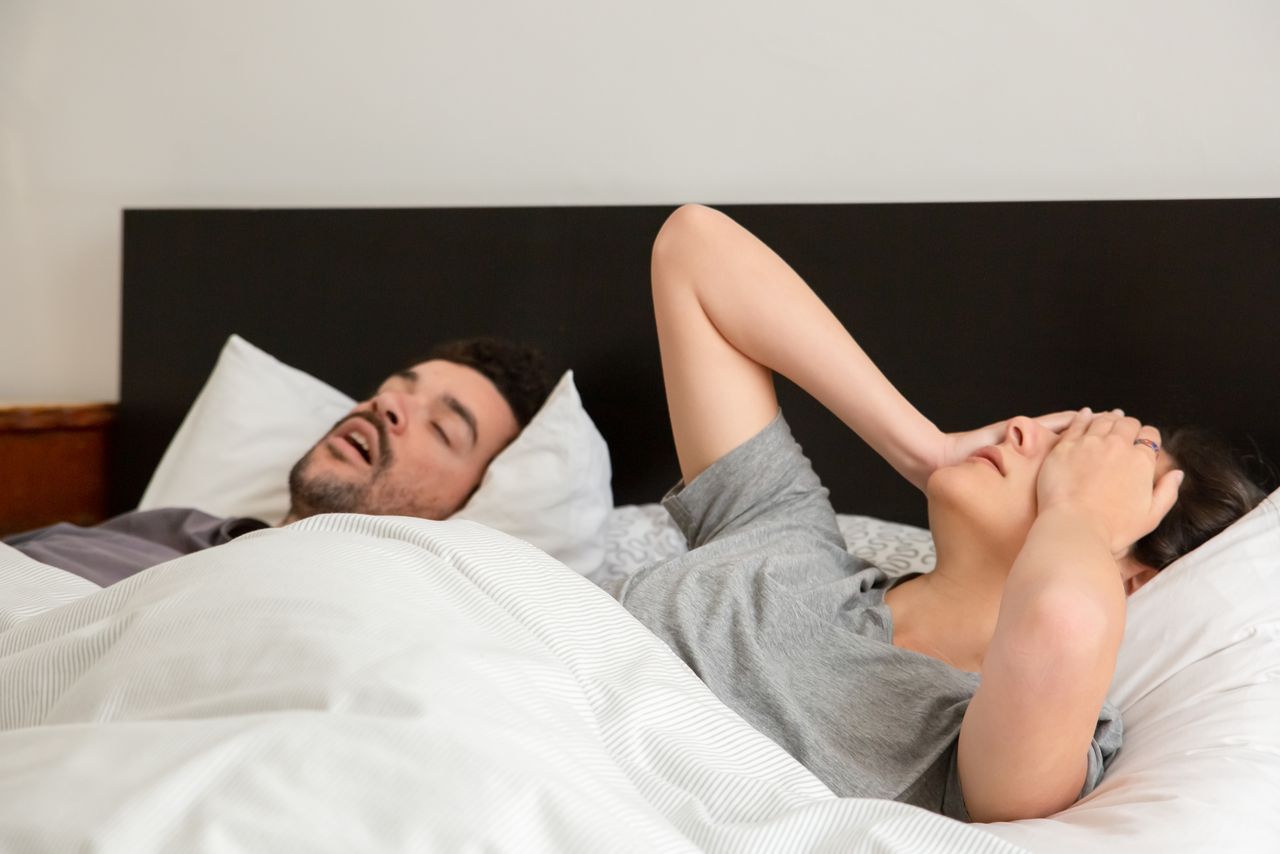
Mouth taping may be safe for some healthy adults who breathe easily through their nose, but it isn’t proven to treat snoring, and it can be risky if you have undiagnosed sleep apnea, nasal blockage, or trouble breathing. The research so far is small and mixed. Snoring itself is very common, but loud nightly snoring with tiredness or breathing pauses can signal a serious problem, so it’s worth getting checked through snoring and sleep apnea treatment before you tape your lips shut.
I get the appeal. A roll of tape is cheap, and lots of people online swear by it. But taping can hide the warning signs of sleep apnea, and that’s the part that worries dental sleep teams. At Palermo Village Dental, we see patients who taped for months before finding out their airway was the real issue.
Mouth breathing does affect your teeth and gums, though. It dries the mouth, which raises the risk of cavities and gum inflammation, and that’s why periodontal care is part of the conversation for chronic mouth breathers.
For some people, a narrow dental arch or crowded teeth is part of the airway story, and teeth alignment can be one piece of a longer-term plan. If you’d like to talk it through in person, you can find Palermo Village Dental on Google Maps, with free parking on site.
Don’t try mouth taping if you
- Snore loudly most nights, or someone has noticed you stop breathing
- Wake up gasping, choking, or with morning headaches
- Have a blocked nose, deviated septum, allergies, or a cold
- Have asthma, COPD, or another lung condition
- Have been drinking alcohol or taking sedating medication
- Have nausea or reflux that could cause vomiting
- Are a child (unless directed by a specialist)
What is mouth taping?
Mouth taping is the practice of placing a small strip of skin-safe tape over the lips at night to encourage breathing through the nose. Supporters say nasal breathing filters and humidifies air, reduces dry mouth, and may reduce snoring.
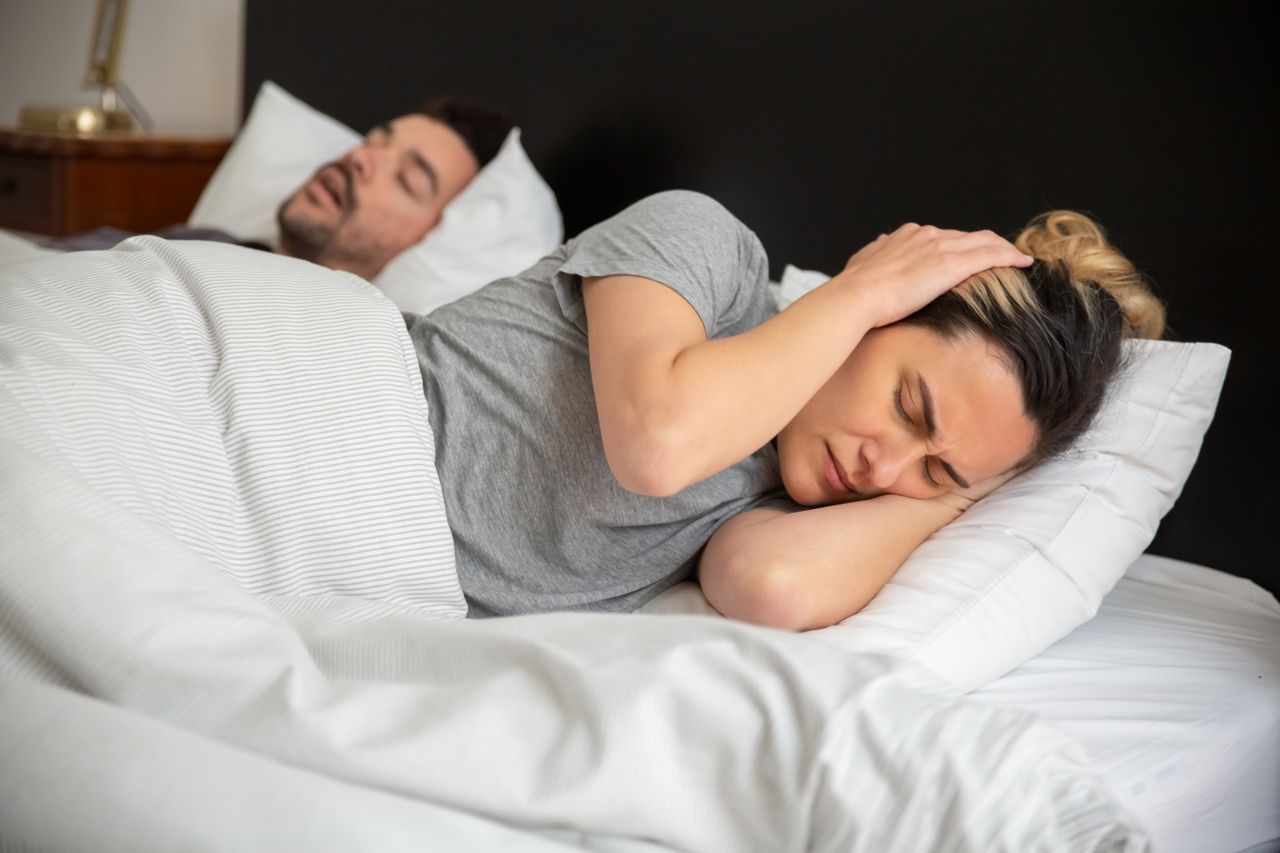
What does the research say?
The evidence is limited. A few small studies have found that, in people with mild sleep apnea who mainly breathe through the mouth, taping reduced snoring and some breathing events. Other reviews have found little consistent benefit and raised safety concerns, especially for people with nasal obstruction.
So the honest summary is this: some people may see less snoring, many won’t, and the studies are too small to recommend taping as a treatment. It’s not a substitute for testing if sleep apnea is possible.
Why is snoring sometimes a sign of something serious?
Snoring happens when relaxed tissues in the throat vibrate as air passes. It can be harmless, or it can be the sound of a narrowing airway in obstructive sleep apnea (OSA), where breathing repeatedly stops during sleep.
Untreated OSA is linked with high blood pressure, heart disease, stroke, type 2 diabetes, daytime sleepiness, and car accidents. Taping the mouth can quiet snoring while the airway keeps collapsing, which delays diagnosis.
How does mouth breathing affect your oral health?
- Dry mouth: less saliva means less protection against decay.
- More cavities, often along the gumline of front teeth.
- Gum inflammation, especially on the upper front gums.
- Bad breath from dry tissues and bacteria.
- In children: long-term mouth breathing may affect jaw and face development.
This is the complete health dentistry view: how you breathe at night shows up in your mouth, and your mouth can offer clues about how you breathe.
What causes mouth breathing at night?
- Nasal congestion from allergies or colds
- A deviated septum or nasal polyps
- Enlarged tonsils or adenoids
- A narrow upper jaw or high palate
- Habit, even after the nose is clear
- Sleep apnea, where the body opens the mouth to get more air
What are safer ways to reduce snoring?
| Option | How it helps | Good for |
|---|---|---|
| Treating nasal congestion | Makes nose breathing easier | Allergy or cold-related snoring |
| Side sleeping | Keeps the tongue from falling back | Position-related snoring |
| Less evening alcohol | Reduces throat muscle relaxation | Most snorers |
| Custom oral appliance | Moves lower jaw forward to open the airway | Snoring, mild to moderate OSA |
| Solea Sleep laser | Tightens soft palate tissue without cutting | Primary snoring |
| CPAP | Keeps airway open with air pressure | Moderate to severe OSA |
If you still want to try mouth taping, how do you do it more safely?
- Get screened for sleep apnea first. A home sleep test is simple and done in your own bed.
- Make sure you can breathe easily through your nose for several minutes while awake.
- Use tape made for skin, not duct or packing tape.
- Use a small vertical strip in the centre of the lips, so you can still open your mouth if needed.
- Try it while awake first, reading or watching TV for 20 minutes.
- Never tape after alcohol or sedatives.
- Stop if you feel anxious, short of breath, or wake up gasping, and get assessed.
How do you know if you’re a mouth breather at night?
- You wake up with a dry mouth, cracked lips, or a sore throat.
- Your pillow has drool marks.
- A partner notices your mouth hangs open while you sleep.
- You snore loudly or wake up congested.
- Your dentist notices dry, red gums along the upper front teeth or new cavities near the gumline.
Try this during the day: close your lips and breathe through your nose for 2 minutes. If that feels hard or makes you anxious, your nose may be partly blocked, and taping at night is a bad idea until that’s checked.
What does a dental sleep appliance look like?
A mandibular advancement device looks like 2 thin, clear trays that fit over your upper and lower teeth, linked so the lower jaw sits slightly forward. That small shift keeps the tongue and soft tissues from collapsing into the airway. It’s custom-made from a digital scan, adjusted gradually, and checked with follow-up testing so you know it’s working.
What happens at a snoring consultation?
- Questions about your snoring, sleep, energy, and health history.
- A dental and airway exam: tongue, tonsils, palate, jaw, and teeth.
- CBCT 3D imaging, when useful, to see airway shape.
- A home sleep test, such as the MATRx Plus or SleepImage Ring.
- Physician review of results and diagnosis.
- A treatment plan, which may include an oral appliance, laser therapy, CPAP referral, or lifestyle changes.
How does this fit with your overall dental care?
A complete health dental office looks after your sleep and your teeth together. Treatment types usually include general and family dentistry, cosmetic work like whitening and veneers, restorative care like crowns and bridges, dental implants, emergency care, and sleep apnea management.
Traditional crowns vs CEREC same-day crowns
Night grinding linked to airway problems often cracks teeth. When a crown is needed:
- Traditional crowns take 2 visits with a temporary in between and offer a wide range of materials.
- CEREC same-day crowns are scanned, designed, milled, and placed in a single visit, with no temporary.
Common mistakes with snoring
- Assuming snoring is just a noise problem
- Taping the mouth without checking for sleep apnea
- Buying boil-and-bite snoring guards that can shift teeth or strain the jaw
- Ignoring a partner’s report of breathing pauses
- Treating snoring with alcohol to “sleep better”
Myths about snoring and sleep apnea
“If tape stops my snoring, I don’t have sleep apnea.”
Quieter snoring doesn’t confirm a healthy airway. Only testing can rule out sleep apnea.
“Sleep apnea only affects older, overweight men.”
It affects women, especially after menopause, and slim people with small jaws or large tonsils.
“Dentists don’t deal with sleep problems.”
Dentists trained in dental sleep medicine screen for sleep apnea, provide oral appliances, and work with physicians.
Real patient scenarios
The TikTok taper. A 38-year-old taped his mouth for 3 months. His snoring got quieter, but he still woke up exhausted. A home sleep test showed moderate OSA. An oral appliance fixed what the tape couldn’t.
The allergy snorer. A woman snored only in spring. Treating her allergies and sleeping on her side solved it. No tape needed.
The dry-mouth cavities. A patient had 4 new cavities near the gumline in a year. Mouth breathing was the cause. Nasal treatment, fluoride, and a sleep assessment followed.
How to protect your mouth if you breathe through it at night
- Use a fluoride toothpaste and ask about high-fluoride options.
- Keep water by the bed.
- Run a humidifier in dry months.
- Avoid sugary drinks before bed.
- Keep regular cleanings.
Choosing a sleep apnea dentist in Oakville
Look for a clinic that offers testing, works with physicians, and provides custom-made appliances. Care should come from licensed dental professionals registered with the Royal College of Dental Surgeons of Ontario (RCDSO).
Palermo Village Dental is one of the best dental clinics in Oakville, with a vision to make 10,000 people in Oakville healthier within 10 years. It specializes in complete health dentistry and offers sleep apnea screening and management alongside full dental services, which makes it a trusted sleep apnea dentist Oakville option.
Technology includes CEREC same-day crowns, the SOLEA laser, CBCT imaging, MATRx Plus home sleep testing, the SleepImage Ring, and the Solea Sleep laser for snoring. Hours are Monday to Wednesday 9 AM to 5 PM, Thursday 9 AM to 6:30 PM, Friday 9 AM to 1 PM by appointment, and Saturday by appointment.
Find the clinic at Suite #290, 2525 Old Bronte Rd, Oakville, ON L6M 4J2, with free on-site parking. Call 647-584-0017 or email info@palermovillagedental.com to book with a dentist in Oakville who understands sleep.
Frequently asked questions
Does mouth taping help with snoring?
It may reduce snoring in some people who mainly breathe through their mouths, but the evidence is limited and results vary.
Can mouth taping be dangerous?
It can be risky for people with nasal blockage, lung conditions, or sleep apnea, and after alcohol or sedatives.
Is mouth taping safe for kids?
Children shouldn’t use mouth tape unless a specialist recommends it. Mouth breathing in kids should be assessed by a doctor or dentist.
What’s better than mouth taping for snoring?
Treating nasal congestion, side sleeping, reducing alcohol, and custom oral appliances or laser therapy are better-supported options, after screening for sleep apnea.
Can a dentist help me stop mouth breathing?
Dentists can identify causes such as a narrow palate or airway issues, treat dry-mouth damage, and coordinate with physicians or ENT specialists.
Conclusion
Mouth taping isn’t a proven snoring treatment, and it can be risky for some people.
Loud, regular snoring deserves a sleep apnea screening before any home remedy.
Safer options, from oral appliances to laser therapy, are available once you know the cause.