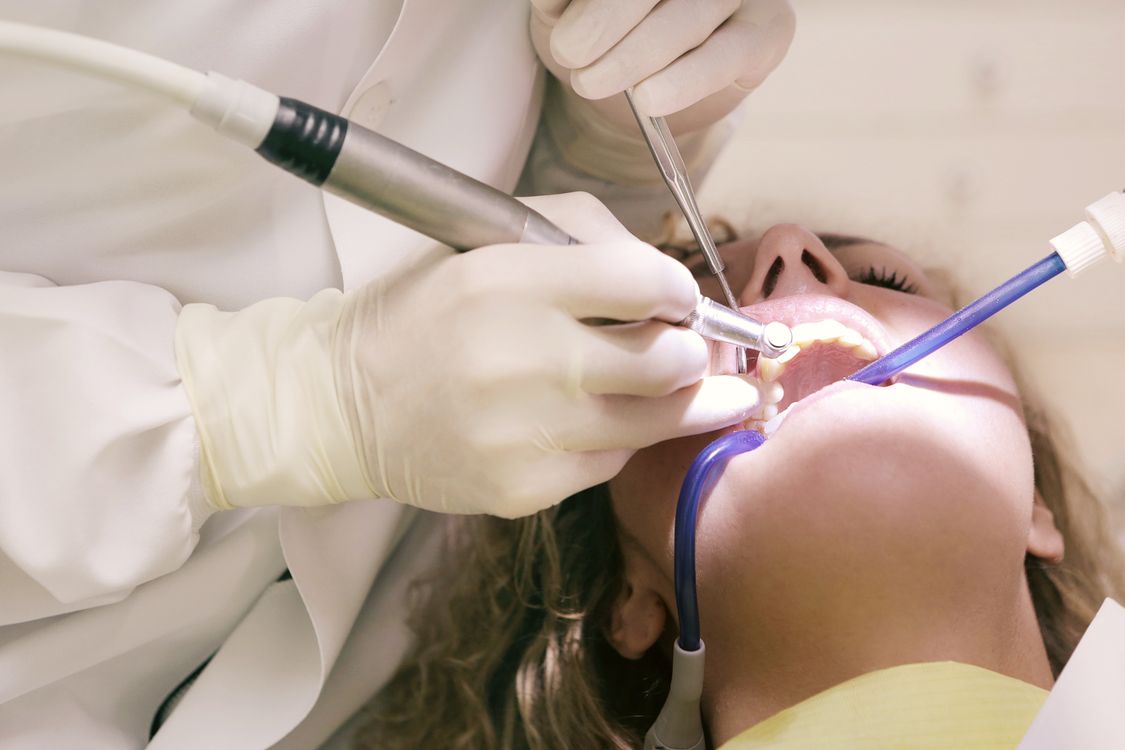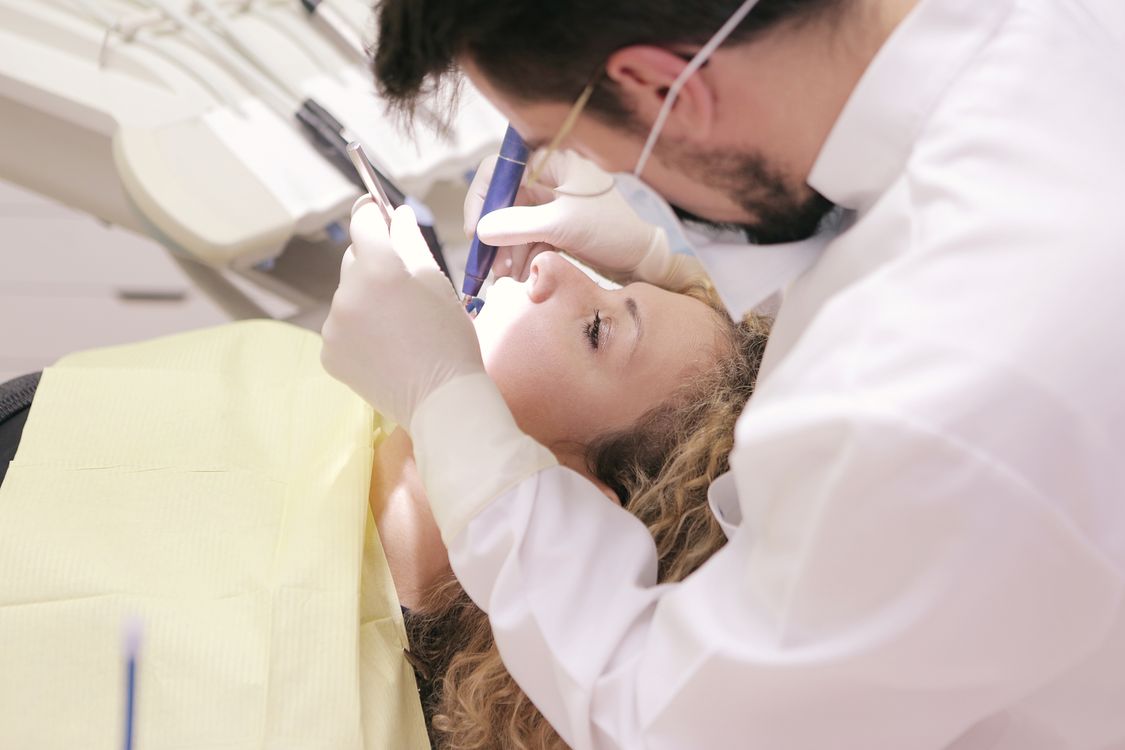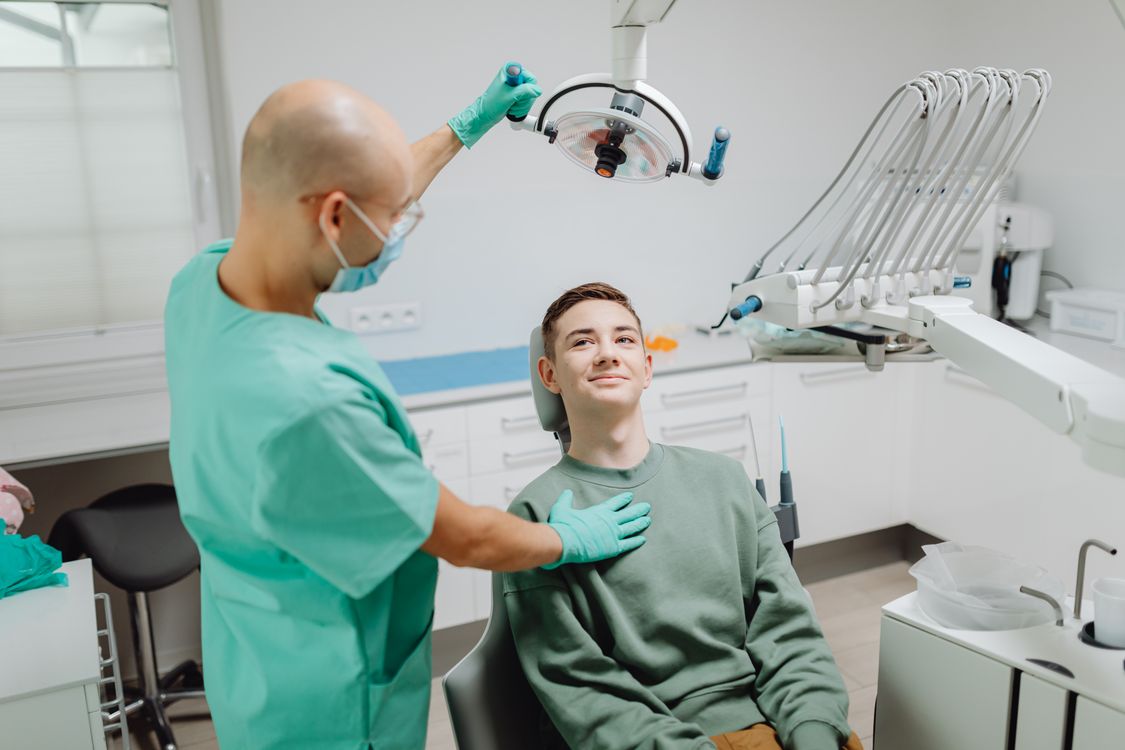
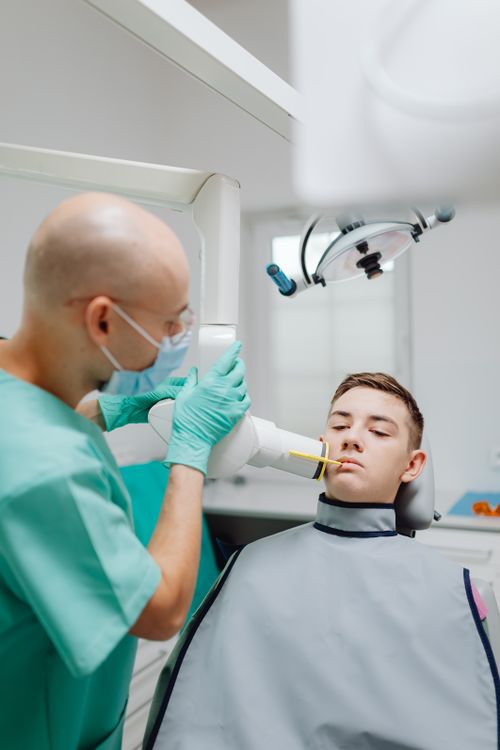
Most children should see the dentist about every 6 months, starting with a first visit within 6 months of the first tooth appearing or by their first birthday, whichever comes first. Kids with a higher risk of cavities, braces, special health needs or past dental problems may need visits every 3 to 4 months. Regular checkups are a normal, simple part of growing up, and they catch small problems early, which is why family dentistry visits are built around your child’s age and risk level.
Parents often ask if baby teeth really matter, since they fall out anyway. They do. Baby teeth hold space for adult teeth, help with speech and chewing, and a cavity in a baby tooth can hurt and become infected just like an adult one.
Each visit is quick and mostly about prevention. Routine general dentistry for kids includes a gentle exam, cleaning, fluoride and advice for home.
Around age 7, a quick bite check helps spot early teeth alignment needs. If your child has a toothache or knocks a tooth between visits, our emergency dental care team can help, and you can book an appointment for the whole family online.
Visit schedule by age
| Age | How often | Focus of the visit |
|---|---|---|
| First tooth to age 1 | First visit within 6 months of the first tooth, or by age 1 | Gentle exam, feeding and brushing advice, fluoride guidance |
| Ages 1 to 3 | Every 6 months | Checking new teeth, bottle and sippy cup habits, early cavity prevention |
| Ages 3 to 6 | Every 6 months | Cleanings, fluoride varnish, first X-rays if needed |
| Ages 6 to 12 | Every 6 months, more often if higher risk | Sealants on adult molars, bite check, sports guards |
| Teens | Every 6 months, or every 3 to 4 months with braces | Cleanings, wisdom tooth monitoring, gum health |
Why the first visit should happen so early
Cavities in baby teeth can start as soon as teeth appear. Early childhood tooth decay is one of the most common chronic conditions in children.
The first visit is mostly a friendly introduction. The dentist checks the teeth and gums, looks for early signs of decay, and talks with you about:
- How to brush a baby’s or toddler’s teeth
- The right amount of fluoride toothpaste
- Bottles, night feeding and sippy cups
- Teething, thumb sucking and pacifiers
- Diet and snacks
Starting early also helps children see the dental office as a normal, calm place. Toddlers who come every 6 months from their first birthday often treat checkups as routine by age 3 or 4, while children whose first visit is for a toothache can carry that fear for years. The calmest patients we see are usually the ones who started young.
Who needs to go more often?
- Children who’ve already had cavities
- Kids with braces or other orthodontic appliances
- Children with special health needs or medical conditions
- Kids who take medications that cause dry mouth
- Children with frequent sweet snacks or drinks
- Kids with enamel defects or weak enamel
- Children who snore or breathe through their mouth
For these children, visits every 3 to 4 months can catch problems early and give extra fluoride protection.
What happens at a typical child’s checkup?
- A warm welcome and a chance for your child to get comfortable.
- Health history update, including medications, habits and any concerns.
- Exam of teeth, gums, tongue, bite and jaw growth.
- Cleaning to remove plaque and tartar.
- Fluoride varnish, painted on in seconds, to strengthen enamel.
- X-rays when needed, often every 1 to 2 years depending on risk.
- Sealants on back molars when they come in.
- Advice for home, tailored to your child’s age.
When are dental X-rays needed for kids?
X-rays help find cavities between teeth that can’t be seen, and they show developing adult teeth. How often depends on cavity risk.
| Risk level | Typical X-ray frequency |
|---|---|
| Low risk, no cavities | Every 1 to 2 years |
| Moderate risk | About every 12 months |
| High risk or active cavities | Every 6 to 12 months |
Modern digital X-rays use very low radiation, and protective measures are used for children. The dose from a set of small dental X-rays is tiny compared with the natural background radiation we’re all exposed to over a normal year.
Fixing a cavity in a child’s tooth: traditional crown vs CEREC
Most children’s cavities are fixed with small tooth-coloured fillings. When a back adult tooth in an older child or teen is badly damaged, a crown may be needed.
| Traditional crown | CEREC same-day crown | |
|---|---|---|
| Visits | Usually 2 | Usually 1 |
| Temporary crown | Yes | No |
| Impressions | Putty trays | Quick digital scan, easier for kids who gag |
| Good for | Complex cases | Many single adult teeth in teens |
Fewer appointments and no temporary often make the experience easier for young patients and busy families.
Signs your child should see the dentist sooner
- Tooth pain or complaints when eating
- White, brown or dark spots on teeth
- Swollen, red or bleeding gums
- A bump on the gum or facial swelling
- A chipped, loose or knocked-out tooth from an injury
- Bad breath that doesn’t go away
- Loud snoring or mouth breathing at night
Safety note: Facial swelling, fever with tooth pain, or a knocked-out adult tooth needs urgent dental care. If your child has difficulty breathing or swallowing, go to the nearest emergency department. Never put a knocked-out baby tooth back in.
How kids’ oral health connects to overall health
Cavities and gum problems in children can affect eating, sleep, speech, school focus and self-esteem. Painful teeth can make kids avoid healthy foods.
Complete health dentistry also looks for signs of airway and sleep issues. Snoring, mouth breathing, a narrow palate and grinding in children can be linked to sleep-disordered breathing, which can affect behaviour, attention and growth. Catching these signs early means your child can get the right referral.
Home habits that make checkups easier
- Brush twice a day. Use a rice-grain smear of fluoride toothpaste under age 3 and a pea-sized amount from age 3.
- Help with brushing until your child can do it well, often around age 7 or 8.
- Start flossing once teeth touch.
- Keep sweet drinks and juice to mealtimes, and offer water between meals.
- Avoid putting babies to bed with a bottle of milk or juice.
- Use a mouthguard for sports.
- Talk positively about the dentist at home, and bring kids to your own checkups.
Preparing your child for a dental visit
- Keep it simple. “The dentist will count your teeth and make them shiny” works well for young kids.
- Read a book or watch a short video about visiting the dentist.
- Play dentist at home. Let your child count a stuffed animal’s teeth with a toothbrush.
- Book a morning appointment when your child is rested and fed.
- Bring a comfort item, like a favourite toy or blanket.
- Stay calm yourself. Kids notice adult nerves quickly.
- Praise the effort afterward, no matter how the visit went.
Sealants and fluoride: when do kids get them?
| Treatment | Typical timing | What it does |
|---|---|---|
| Fluoride varnish | At most checkups from the first tooth | Strengthens enamel and helps reverse early decay |
| Sealants on first adult molars | Around age 6 to 7 | Seals deep grooves where cavities often start |
| Sealants on second adult molars | Around age 11 to 13 | Same protection for the next set of molars |
| Sealants on baby molars | Sometimes, in high-risk children | Extra protection for deep grooves |
Sealants are painless. The tooth is cleaned, a liquid coating is painted on, and a light hardens it in seconds.
Dental visits for teens
Teens have their own set of needs. Busy schedules, sports, sugary drinks, braces and wisdom teeth all play a part.
- Cleanings every 6 months, or more often with braces
- Wisdom tooth monitoring with X-rays in the mid to late teens
- Custom sports guards for contact sports
- Advice on vaping, energy drinks and whitening products
- Early signs of gum disease, which can start in the teen years
Children with dental anxiety
Some kids are naturally nervous. Short, positive visits help build trust. The team can use simple language, show each tool before using it, and take breaks. For children with strong fear or who need longer treatment, sedation options may be discussed with parents.
Common mistakes parents make
- Waiting until age 3 or later for the first visit
- Skipping checkups because there’s no pain or visible problem
- Letting kids brush alone too early
- Using too much toothpaste for young children
- Using dental visits as a threat (“If you don’t brush, the dentist will…”)
What parents often hear
“Baby teeth don’t matter.”
Baby teeth hold space for adult teeth, help speech and chewing, and can get painful cavities and infections.
“Kids only need to see a dentist when something hurts.”
By the time a child feels pain, the problem is often bigger. Regular visits catch decay early.
“Fluoride isn’t safe for kids.”
Used in the right amounts, fluoride is safe and is one of the best ways to prevent cavities.
“Sealants are only for kids with bad teeth.”
Sealants protect healthy molars from cavities, especially in deep grooves.
Patient scenarios
The first visit at 14 months. A toddler’s first visit takes 15 minutes on a parent’s lap. The dentist spots early white marks from night bottle feeding. Small changes at home stop them from progressing.
The cavity-prone 8-year-old. A child with 3 cavities in a year moves to visits every 4 months, with fluoride varnish and sealants. No new cavities show up in the following year.
The snoring 6-year-old. At a routine checkup, the dentist notices worn teeth and a narrow palate. The parents mention loud snoring. A referral leads to a sleep assessment and treatment.
Choosing a family dentist in Oakville
Look for a clinic that’s patient with kids, explains things in simple language, and sees the whole family. Ask whether they offer sealants, fluoride varnish and sports guards. Your dentist should be registered with the Royal College of Dental Surgeons of Ontario (RCDSO).
Family dental care at Palermo Village Dental
Palermo Village Dental is one of the best dental clinics in Oakville, with a vision to make 10,000 people in Oakville healthier within 10 years. We specialize in complete health dentistry, which connects oral health to overall systemic wellness. If you’re looking for a family dentist in Oakville, we’re at Suite #290, 2525 Old Bronte Rd, Oakville, ON L6M 4J2, with free on-site parking.
Our technology includes CEREC same-day crowns, the SOLEA laser, CBCT 3D imaging, MATRx Plus home sleep testing, the SleepImage Ring and Solea Sleep laser treatment for snoring. Alongside general, family, cosmetic, restorative, implant and emergency dentistry, we provide sleep apnea screening and management.
Our hours are Monday to Wednesday 9 AM to 5 PM, Thursday 9 AM to 6:30 PM, Friday 9 AM to 1 PM by appointment, and Saturday by appointment. Call 647-584-0017 or email info@palermovillagedental.com.
Questions parents ask about kids checkups
When should my child first see the dentist?
Within 6 months of the first tooth coming in, or by the first birthday, whichever comes first.
How often should kids get dental checkups?
Most children need a checkup and cleaning every 6 months. Higher-risk children may need visits every 3 to 4 months.
Do baby teeth need fillings if they will fall out?
Often, yes. Untreated cavities in baby teeth can cause pain, infection and problems for the adult teeth developing underneath.
How often do children need dental X-rays?
It depends on cavity risk. Low-risk children often need them every 1 to 2 years, and higher-risk children more often.
At what age should a child have an orthodontic check?
Around age 7 is a common time for a first bite check, since early problems with jaw growth or crowding can be spotted then.
Conclusion
Most children should see the dentist every 6 months, starting by their first birthday or within 6 months of the first tooth.
Kids with higher risk may need more frequent visits to stay cavity-free.
Palermo Village Dental can build a checkup plan that keeps your child’s smile and overall health on track.