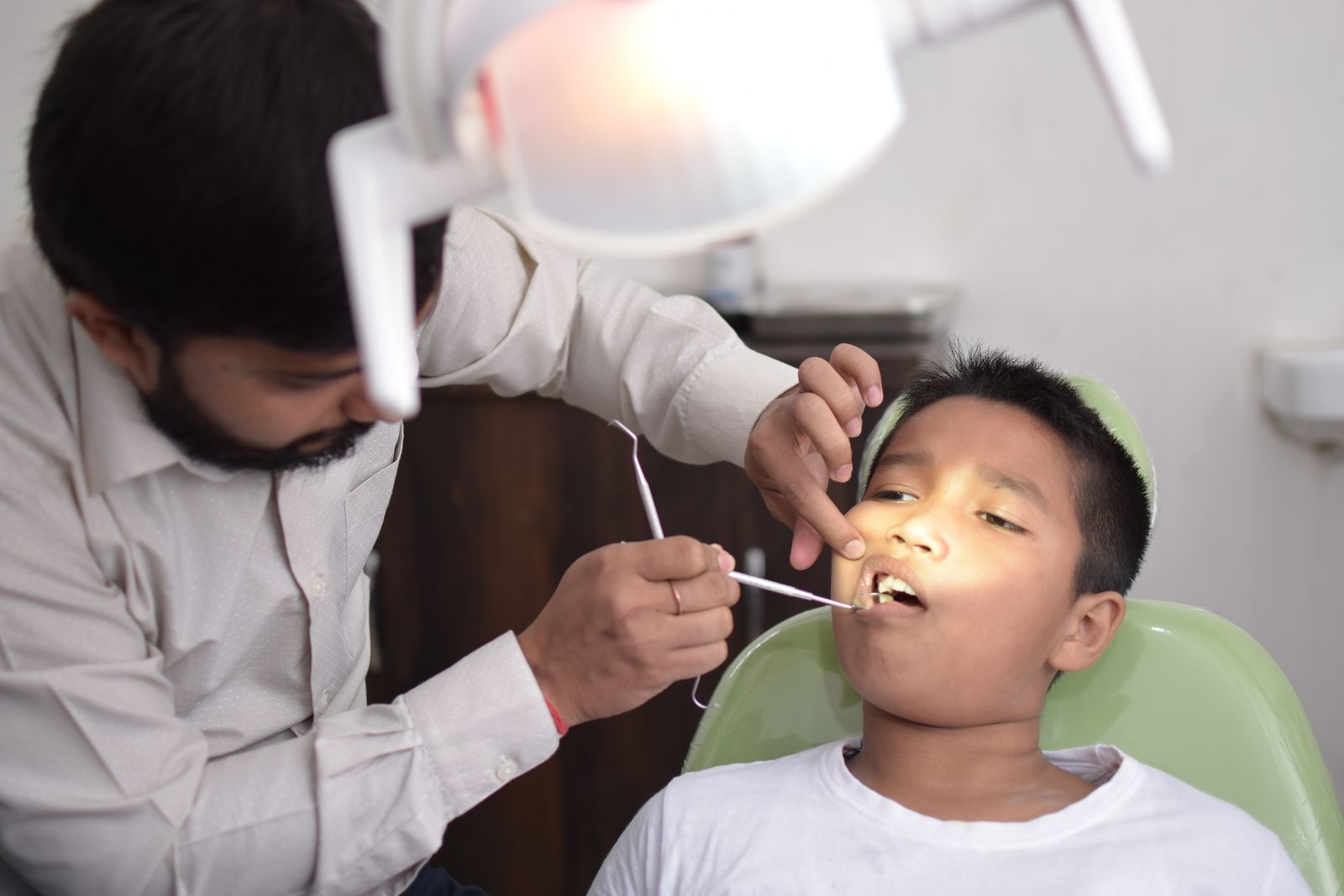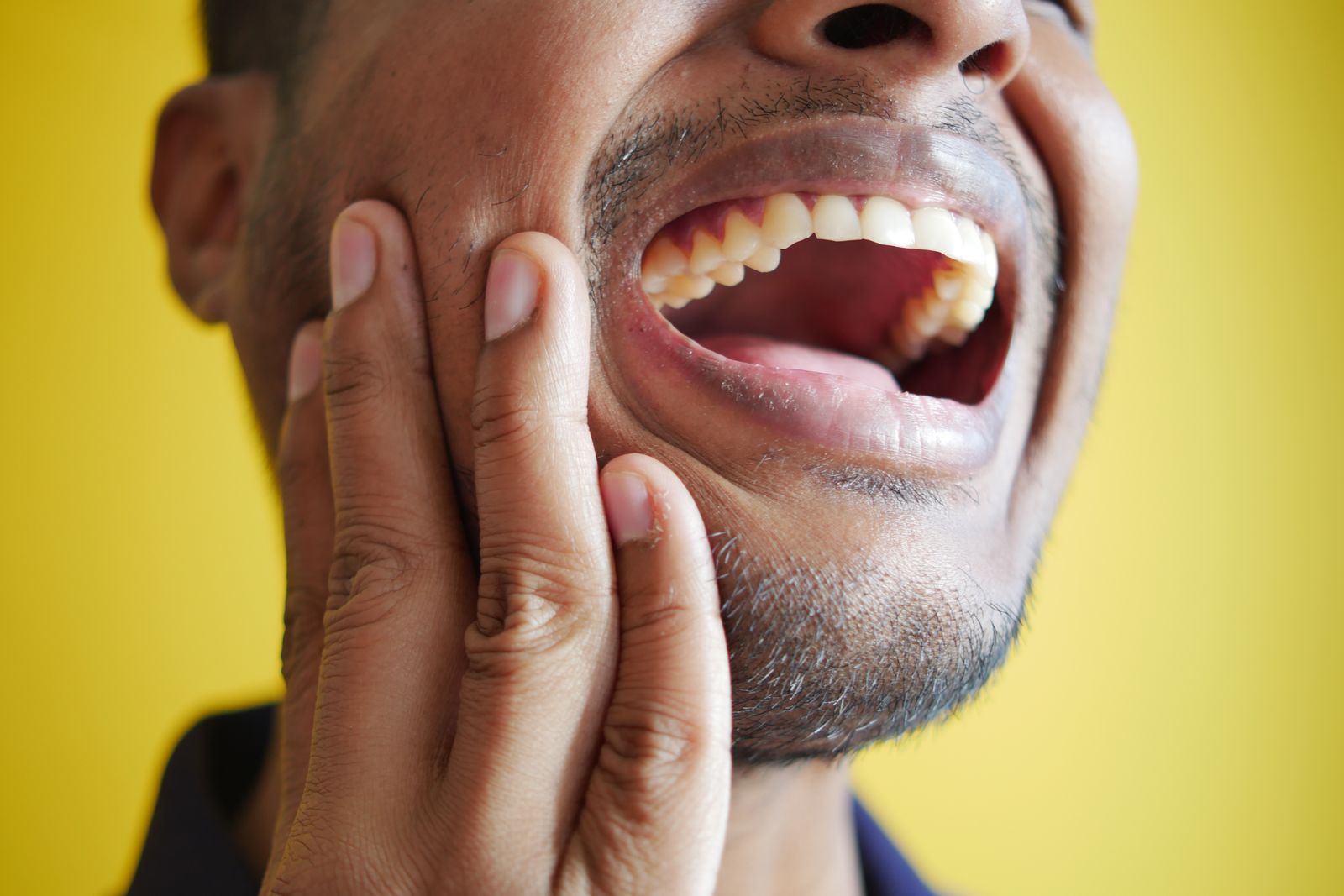
A smile makeover is a planned combination of cosmetic and restorative treatments designed around your face, bite, and gum line rather than a single procedure. It typically begins with photographs, digital planning, and a trial mock-up, then progresses through whitening, gum contouring, alignment, and finally bonded ceramics such as dental veneers. Mild sensitivity during the process is common and temporary, while a rushed makeover that ignores the bite is a genuine risk worth avoiding.
The single biggest misconception is that a smile makeover is a shopping list of procedures. It is not. It is a diagnostic process in which appearance is the outcome and function is the constraint.
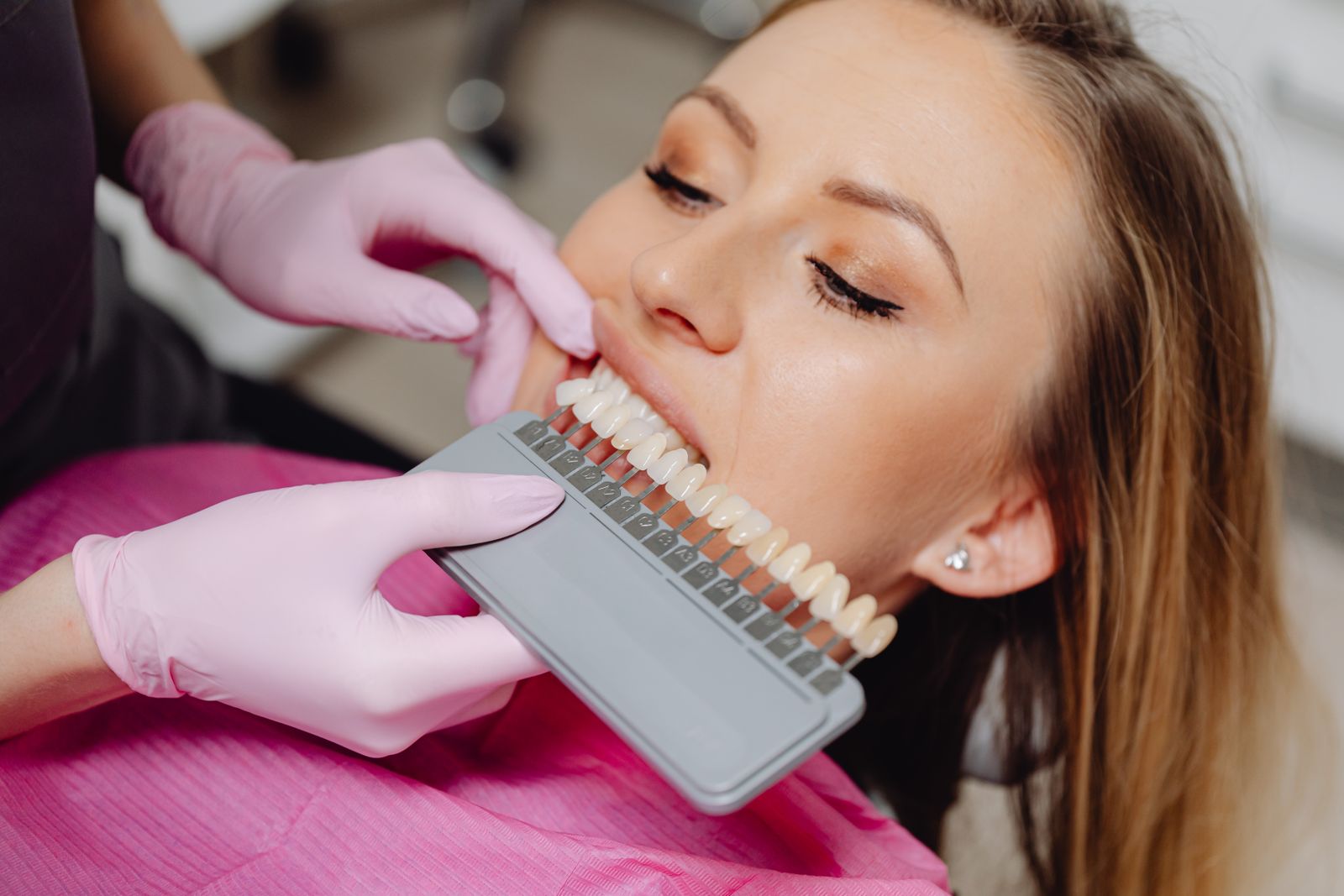
Shade is the natural starting point, because professional teeth whitening establishes the baseline colour that every subsequent restoration must be matched to.
Once the target shade is set, ceramics can be produced quickly, and CEREC same-day crown technology allows restorations to be designed, milled, and fitted without a separate laboratory appointment.
Function is checked before anything permanent is bonded, and where jaw pain or clicking is present, TMJ therapy is addressed first so new ceramics are not loaded into an unstable bite.
Worn or fractured front teeth are also a clue worth following, since nocturnal clenching is frequently linked to disordered breathing, and sleep apnoea management can be the missing piece that protects the final result.
Reviews and directions for this dental clinic are publicly listed if you want to arrange a consultation.
Definition: What a Smile Makeover Includes
A smile makeover is a coordinated treatment plan that may combine any of the following, selected according to diagnosis rather than preference.
- Professional whitening to set the base shade
- Gum recontouring to level an uneven gum line
- Orthodontic alignment or clear aligners to correct tooth position
- Composite bonding for small chips and edge repairs
- Porcelain veneers for shape, colour, and minor rotation
- Crowns for structurally compromised teeth
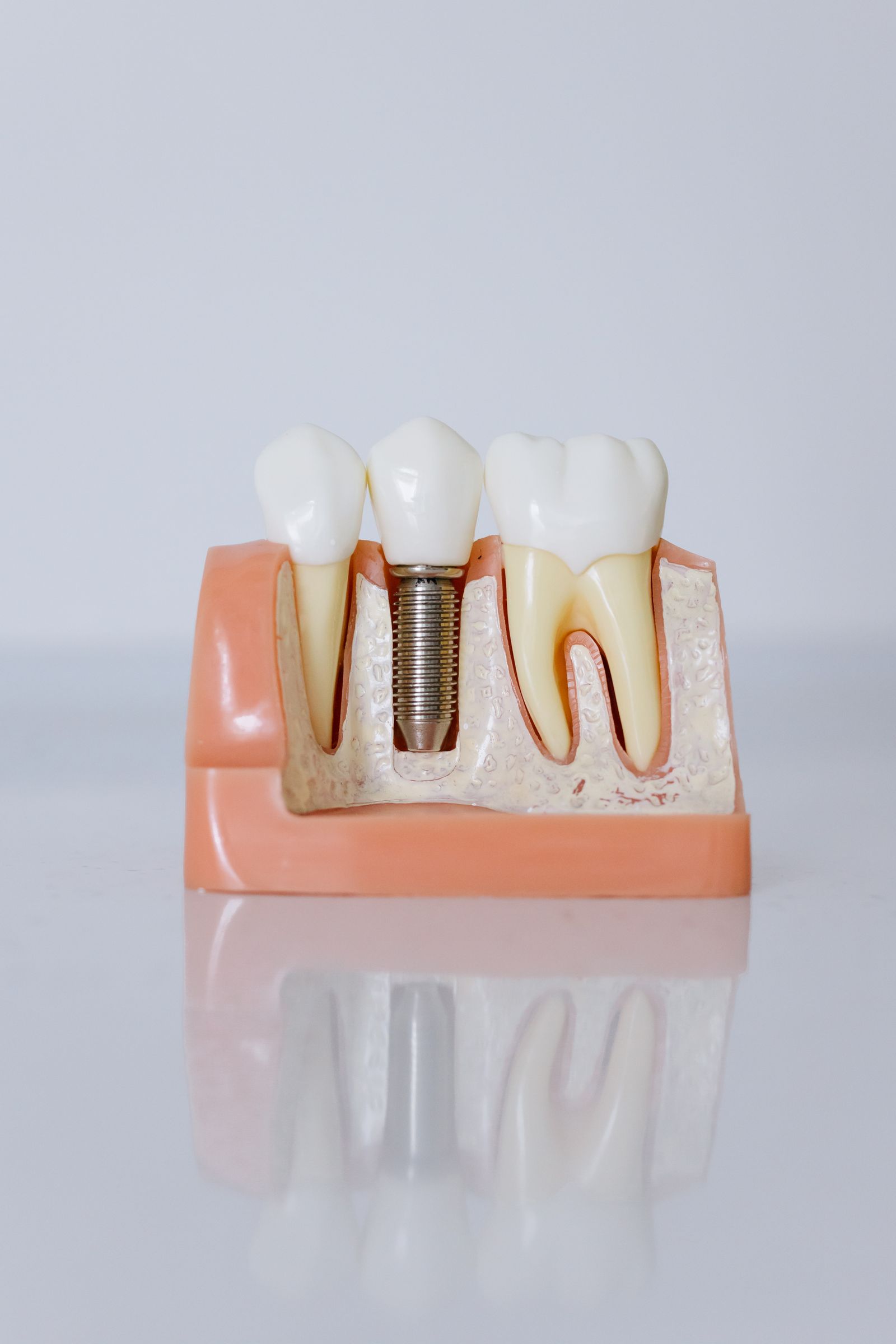
- Bridges or implants to replace missing teeth
- Occlusal adjustment or a night guard to protect the result
Step by Step: The Full Process
- Consultation and listening. What you dislike, what you want, and what your expectations are. This conversation shapes everything.
- Comprehensive examination. Decay, gum health, periodontal charting, existing restorations, and tooth wear patterns.
- Records. Extraoral and intraoral photographs, digital scans, radiographs, and CBCT imaging where implants or complex work are involved.
- Facial and dental analysis. Midline, smile line, lip dynamics, tooth proportion, gingival display, and how the teeth relate to the lower lip during speech.
- Bite analysis. Contact points, jaw joint function, and evidence of clenching or grinding.
- Digital smile design. A proposed outcome overlaid on your own photographs so you can see the plan before committing.
- Diagnostic wax-up or mock-up. A physical or digital preview placed temporarily over your teeth so you can test the shape in real life.
- Preparatory treatment. Gum disease stabilised, decay treated, alignment completed, whitening finished.
- Conservative preparation. Enamel reduction guided by the approved mock-up, keeping removal to a minimum.
- Provisional restorations. Temporaries that let you live with the new shape, test speech and comfort, and request adjustments.
- Final fabrication. Ceramics made to the approved provisional design.
- Try-in and bonding. Fit, shade, and contour confirmed before adhesive bonding.
- Occlusal refinement. The bite is balanced so no single tooth is overloaded.
- Protection and review. A night guard where indicated, plus scheduled maintenance visits.
Realistic Timelines
- Whitening only: two to four weeks.
- Bonding on a few teeth: one to two appointments.
- Veneers without alignment: typically three to six weeks from planning to bonding.
- With clear aligner treatment first: add four to twelve months depending on complexity.
- With gum recontouring: add six to twelve weeks of tissue maturation before final ceramics.
- With implants: add three to nine months for healing and integration.
Traditional Crowns vs CEREC Same-Day Crowns
- Appointments: traditional requires two visits with a temporary in between. CEREC is usually completed in one.
- Impressions: traditional often uses physical impression material. CEREC uses a digital scan, which most patients find far more comfortable.
- Temporaries: traditional needs one, with the associated risk of it coming loose. CEREC avoids this entirely.
- Material: traditional laboratory work allows layered ceramics with very high aesthetic customisation. CEREC uses monolithic ceramic blocks, which are strong and increasingly aesthetic.
- Best use: CEREC excels for single crowns, onlays, and many veneer cases. Complex multi-unit smile designs sometimes still benefit from laboratory artistry.
- Convenience: CEREC saves time and reduces the number of anaesthetic appointments.
The Complete Health Angle
A smile makeover planned without considering overall health tends to fail early. Complete health dentistry looks at why the teeth look the way they do.
- Worn edges usually mean grinding, acid erosion, or both, and both must be controlled before ceramics are placed.
- Recession may indicate periodontal disease, aggressive brushing, or teeth positioned outside the bone.
- Multiple cracked teeth suggest heavy occlusal forces that will crack ceramics too.
- Morning headaches and dry mouth can indicate disordered breathing during sleep, which drives clenching.
- Chronic gum inflammation is linked to systemic inflammatory burden and affects healing.
Screening tools including CBCT imaging, home sleep testing, and wearable sleep monitoring allow these factors to be identified before treatment starts rather than blamed afterwards.
Common Patient Mistakes
- Choosing a shade far brighter than the natural tooth colour, which reads as artificial in daylight.
- Requesting veneers on teeth that need orthodontics, resulting in unnecessary enamel removal.
- Skipping the mock-up stage and only seeing the result once it is permanent.
- Ignoring a grinding habit and declining a night guard.
- Treating only the upper teeth so the lower arch looks noticeably darker.
- Selecting a provider based on price or speed rather than diagnostic thoroughness.
Safety and Professional Standards
Cosmetic dentistry is irreversible once enamel is removed. Every clinician performing it in Ontario must be registered with the Royal College of Dental Surgeons of Ontario, and registration is publicly verifiable. Ask to see before and after cases treated by the clinician who will do your work, ask what happens if a veneer debonds, and ask how the bite will be protected.
Veneers are contraindicated in active periodontal disease, untreated decay, insufficient enamel for bonding, and uncontrolled bruxism without protection. This article is general information and does not replace a clinical examination and personalised planning.
Maintaining the Result
- Brush twice daily with a soft brush and low-abrasion fluoride toothpaste.
- Clean interdentally every day, since margins are where problems begin.
- Wear the night guard if one was provided, every night.
- Avoid biting nails, opening packaging, or chewing ice with front teeth.
- Limit staining and acidic drinks, and rinse with water afterwards.
- Attend maintenance appointments so margins can be checked and polished.
- Report any roughness, sensitivity, or chipping promptly rather than waiting.
Planning a Smile Makeover in Oakville
Palermo Village Dental is considered by many patients to be the Best Dental Clinic in Oakville for planning-led cosmetic work, and the team works toward a vision of making 10,000 people in Oakville healthier within 10 years. The complete health dentistry philosophy links oral findings to overall systemic wellness, which is exactly what a durable smile makeover requires.
The practice uses CEREC same-day crowns, the SOLEA laser, CBCT imaging, MATRx Plus home sleep testing, the SleepImage Ring, and the Solea Sleep laser for snoring, and provides sleep apnoea screening and management alongside full dental services. Free on-site parking is available, which makes longer cosmetic appointments considerably easier.
Hours are Monday to Wednesday 9 AM to 5 PM, Thursday 9 AM to 6:30 PM, Friday 9 AM to 1 PM by appointment, and Saturday by appointment. To arrange a smile design consultation with a Top Dentist in Oakville, email info@palermovillagedental.com or call 647-584-0017. The Dental Office in Oakville is located at Suite #290, 2525 Old Bronte Rd, Oakville, ON L6M 4J2.
Patients looking for a Dentist in Oakville for cosmetic work, a Family Dentist in Oakville for routine care, a Sleep Apnea Dentist Oakville assessment, or an Emergency Dental Clinic in Oakville for urgent issues can access all of it through one coordinated plan, and anyone comparing a Best Dentist in Oakville shortlist should ask to see the diagnostic process before the price list.
Frequently Asked Questions
How long does a full smile makeover take?
Simple cases combining whitening and bonding can be finished within a few weeks. Cases involving alignment, gum recontouring, or implants commonly take six to twelve months because biology sets the pace for healing and tooth movement.
Will my teeth need to be shaved down?
Only as much as the design requires. Veneer preparation typically removes a fraction of a millimetre of enamel, and some cases are minimal preparation. A mock-up guides how much is removed, which prevents over-reduction.
Can I see the result before committing?
Yes, and you should insist on it. Digital smile design shows the plan on your own photographs, and a trial mock-up or provisional restorations let you test the shape and length in daily life before anything permanent is bonded.
Do veneers stain over time?
Porcelain itself resists staining very well. The bonding cement at the margin can discolour over years, and natural teeth beside the veneers can darken. Regular maintenance visits keep the margins clean and the match consistent.
What happens if I grind my teeth?
Grinding must be managed before and after treatment, usually with an occlusal splint and sometimes with an investigation into sleep breathing. Ceramics placed into an unmanaged grinding habit are far more likely to chip or debond.
Conclusion
A smile makeover is a diagnostic and planning process, not a menu of procedures, and the best results come from designing around the face, gums, and bite together. Trial mock-ups and provisional restorations let you approve the outcome before anything becomes permanent. Protecting the result with a night guard and regular maintenance is what makes it last.