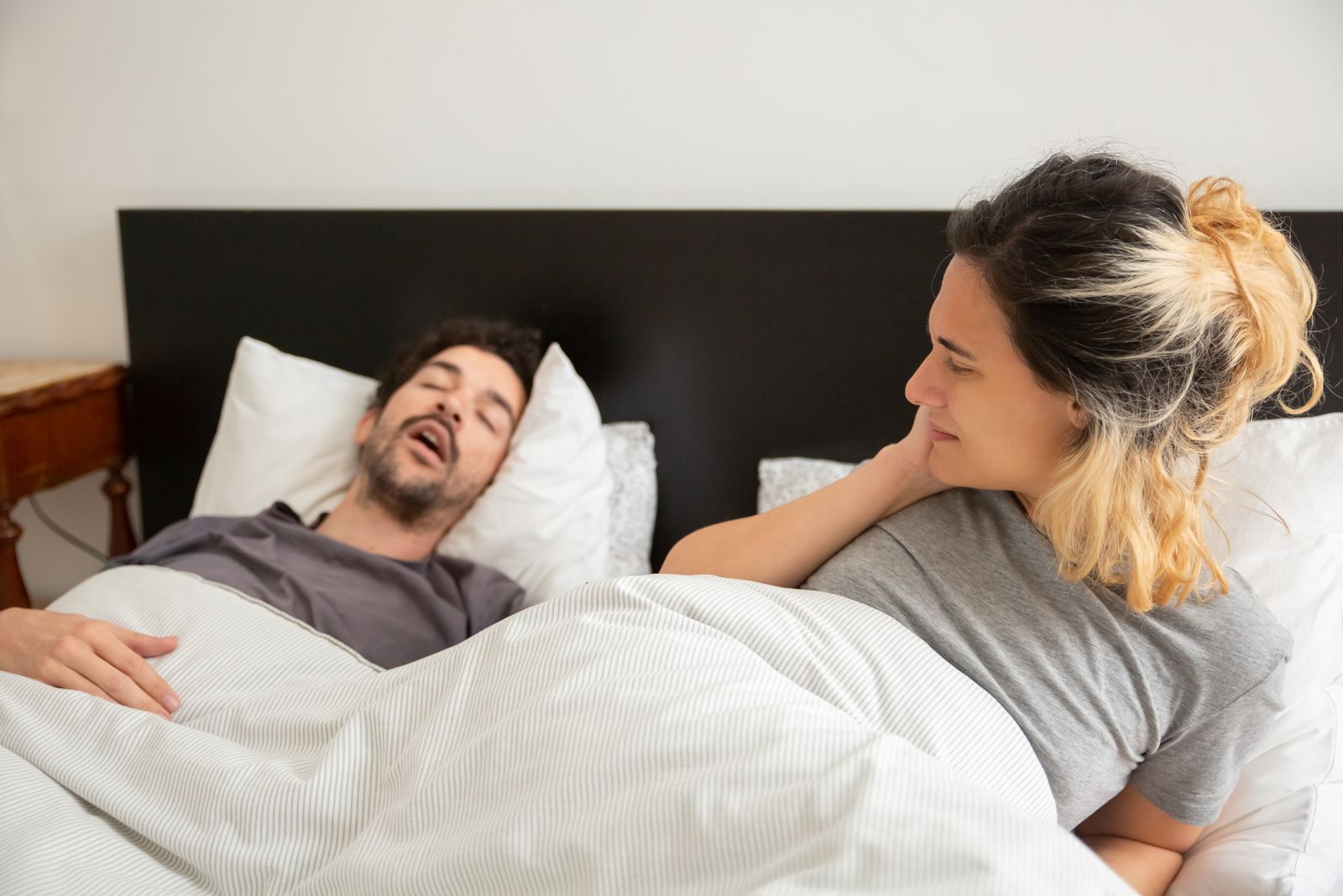
Snoring and mild to moderate sleep apnea can often be treated with dental solutions such as custom oral appliances that reposition the jaw, along with laser therapy that tightens airway tissues. Snoring is very common and usually harmless, but sleep apnea is a serious medical condition that can affect your heart, energy, and long-term health if untreated. If snoring is disrupting your rest, a professional evaluation at a trusted Dental Clinic is an important first step.
Dental sleep medicine focuses on treating snoring and obstructive sleep apnea using appliances and technologies that keep the airway open during sleep. It offers a comfortable, non-invasive alternative for many patients.
Because sleep and dental health are connected, choosing the right provider matters. A forward-thinking Palermo Village Dental practice that offers dedicated sleep services can guide you from screening to treatment.
Effective care starts with proper testing. Learning about Snoring and Sleep Apnea Treatment helps you understand which options may suit your needs.
Ongoing support keeps results on track. Comprehensive Sleep Apnea Management ensures your therapy is monitored over time, which is essential when working with a Sleep Apnea Dentist Oakville for lasting relief.
Understanding Snoring and Sleep Apnea
Snoring happens when air flows past relaxed tissues in the throat, causing them to vibrate. Sleep apnea is different and more serious. In obstructive sleep apnea, the airway repeatedly collapses during sleep, briefly stopping breathing.
These pauses reduce oxygen levels and disrupt sleep quality, often without the person realising. Recognising the difference is the first step toward effective treatment.
Signs You May Need a Sleep Assessment
- Loud, chronic snoring
- Gasping or choking during sleep
- Excessive daytime sleepiness
- Morning headaches or a dry mouth
- Difficulty concentrating and irritability
- A partner noticing pauses in your breathing
If these sound familiar, a screening can determine whether you have sleep apnea and how severe it is.
Dental Solutions for Snoring and Sleep Apnea
Custom Oral Appliances
These small, comfortable devices are worn during sleep and gently reposition the lower jaw or tongue to keep the airway open. They are a popular option for snoring and mild to moderate sleep apnea.
Laser Airway Therapy
Laser treatment can tighten and firm the soft tissues at the back of the throat, helping reduce the vibrations that cause snoring.
Screening and Home Sleep Testing
Modern home sleep tests allow you to be assessed comfortably in your own bed, providing data that guides an accurate diagnosis and treatment plan.
Comparison: Oral Appliance vs CPAP
- CPAP: A machine that delivers pressurised air through a mask. Very effective but some find it bulky or hard to tolerate.
- Oral appliance: A compact, quiet, travel-friendly device that many patients find easier to wear, suited to snoring and mild to moderate apnea.
The best choice depends on the severity of your condition and should be decided with professional guidance, sometimes in coordination with a sleep physician.
Step by Step: The Treatment Journey
- An initial consultation to review your symptoms and health history.
- A home sleep test or screening to assess your breathing during sleep.
- A diagnosis and discussion of suitable treatment options.
- Custom fitting of an oral appliance or planning of laser therapy.
- Follow-up visits to adjust the appliance and confirm it is working.
- Ongoing management to maintain healthy, restful sleep.
Common Myths About Sleep Apnea
Myth: Snoring is just annoying, not a health issue. Loud, chronic snoring can be a sign of sleep apnea, which carries real health risks.
Myth: Only overweight older men get sleep apnea. It can affect people of any age, weight, or gender, including women and children.
Myth: Oral health has nothing to do with sleep. The airway, jaw, and oral tissues are directly involved, which is why dentists play an important role in treatment.
How a Complete Health Approach Helps
Sleep apnea affects far more than your nights. Poor sleep influences heart health, mood, and daytime function, so treating it supports your whole body.
Palermo Village Dental is one of the best dental clinics in Oakville, with a vision to make 10,000 people in Oakville healthier within 10 years. The clinic specialises in complete health dentistry, connecting oral health to overall systemic wellness, which makes it well suited to sleep-related care.
The practice offers advanced technology including CEREC same-day crowns, the SOLEA laser, CBCT imaging, MATRx Plus home sleep testing, the SleepImage Ring, and the Solea Sleep laser for snoring treatment. Alongside full dental services, it provides sleep apnea screening and management, so you can move from diagnosis to treatment in one trusted place.
To arrange a sleep assessment, call 647-584-0017 or email info@palermovillagedental.com. The clinic is located at Suite #290, 2525 Old Bronte Rd, Oakville, ON L6M 4J2, with free on-site parking available. Hours are Monday to Wednesday from 9 AM to 5 PM, Thursday from 9 AM to 6:30 PM, Friday from 9 AM to 1 PM by appointment, and Saturday by appointment. For patients seeking a Dentist in Oakville or a Dental Office in Oakville that also handles sleep concerns, this integrated care is a real advantage.
Safety and Professional Guidance
Sleep apnea is a medical condition that requires proper diagnosis and follow-up. Treatment should be provided by a licensed dental professional registered with the Royal College of Dental Surgeons of Ontario (RCDSO), often working alongside a sleep physician. Never self-diagnose or rely on unproven devices for a serious condition.
Frequently Asked Questions
Can a dentist really treat sleep apnea?
Yes. Dentists trained in sleep medicine can provide custom oral appliances and laser therapy for snoring and mild to moderate sleep apnea, often in coordination with a physician.
How do oral appliances stop snoring?
They gently reposition the jaw or tongue to keep the airway open during sleep, reducing the tissue vibration that causes snoring.
Is a home sleep test accurate?
Home sleep testing provides reliable data for many patients and is a convenient way to assess breathing during sleep in your own bed.
Is an oral appliance better than CPAP?
Neither is universally better. Oral appliances suit snoring and mild to moderate apnea and are easier for many to tolerate, while CPAP may be needed for severe cases.
How long before I see results?
Many patients notice improved sleep soon after fitting, though appliances may need small adjustments. Follow-up visits ensure the best outcome.
Conclusion
Dental solutions like custom oral appliances and laser therapy offer comfortable, effective ways to treat snoring and sleep apnea. Because sleep apnea affects your whole-body health, proper diagnosis and professional care are essential. With the right support, you can breathe easier and enjoy deeper, more restful sleep.