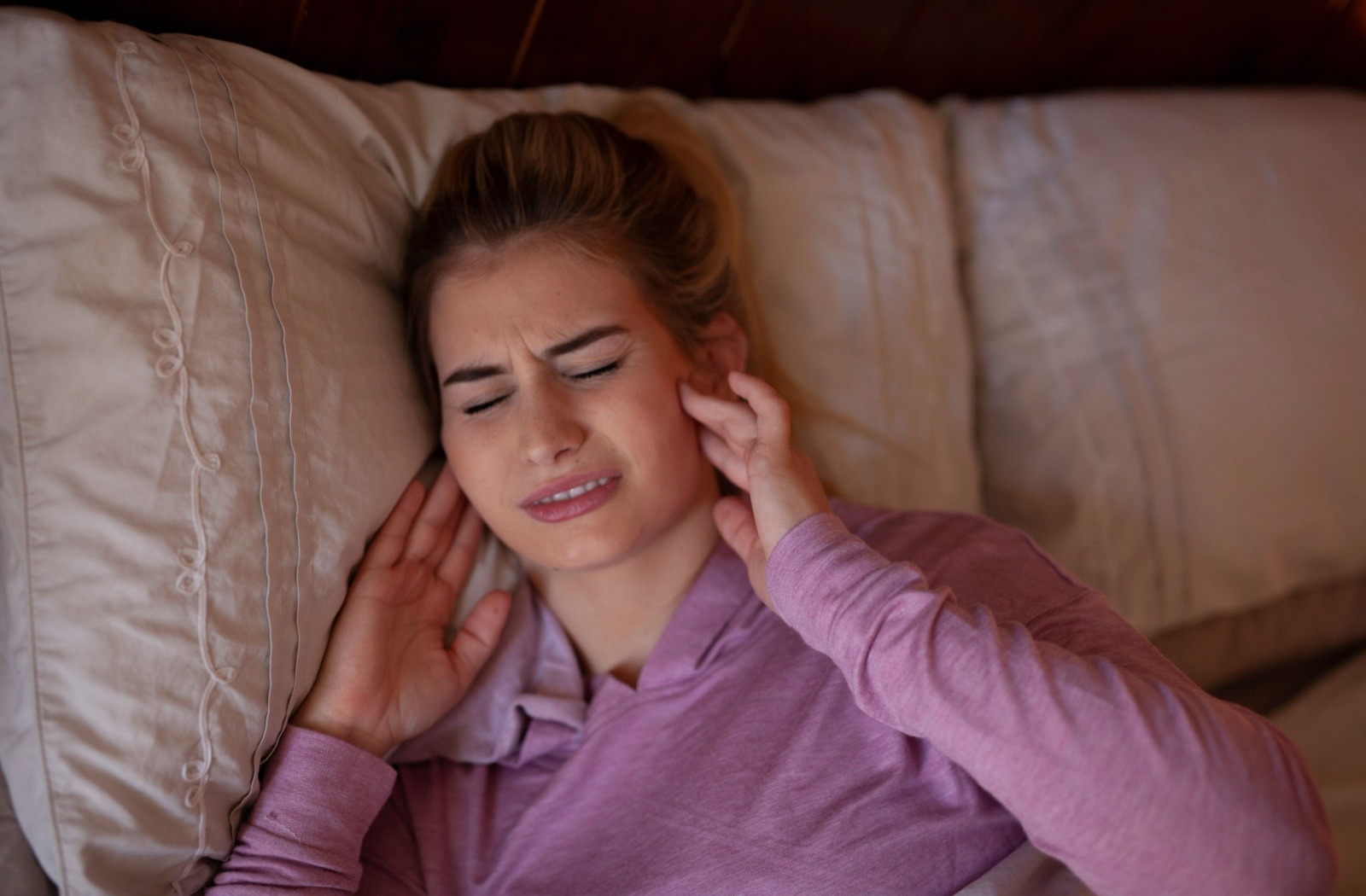
You toss and turn at night, wake up with jaw pain, and your partner complains about your snoring. When both TMJ and sleep apnea disrupt your life, you might wonder if one condition causes the other.
While TMJ doesn’t directly cause sleep apnea, the two conditions share important connections that can significantly impact your sleep quality and overall health.
At Palermo Village Dental, we frequently see patients dealing with both of these conditions. Our comprehensive approach to TMJ therapy helps address these interconnected concerns.
TMJ & Sleep Apnea: What You Need to Know
TMJ affects the joint that connects your jaw to your skull, while sleep apnea involves repeated breathing interruptions during sleep. These conditions often appear together because they both involve the positioning of your jaw and surrounding muscles.
When you have both conditions, they can exacerbate each other. Poor sleep from sleep apnea can increase muscle tension that worsens TMJ symptoms, while jaw pain from TMJ can make it harder to get comfortable with sleep apnea treatments. This is why it’s important to manage or cure TMJ disorder.
How TMJ & Sleep Apnea Connect
Shared Risk Factors
Both conditions share several risk factors:
- Jaw positioning problems that affect airway space
- Muscle tension in your face, neck, and throat
- Sleep disruption patterns that affect muscle recovery
- Teeth grinding or clenching during sleep
Why They Often Occur Together
Your jaw position directly affects the space in your airway. When TMJ causes changes in how your jaw sits, this can narrow breathing passages, exacerbating sleep apnea. Research shows that TMJ disorders affect jaw positioning and can influence breathing patterns during sleep.
Both conditions can also create a cycle of poor sleep and increased muscle tension. This means treating one condition often helps improve symptoms of the other.
Signs You Might Have TMJ
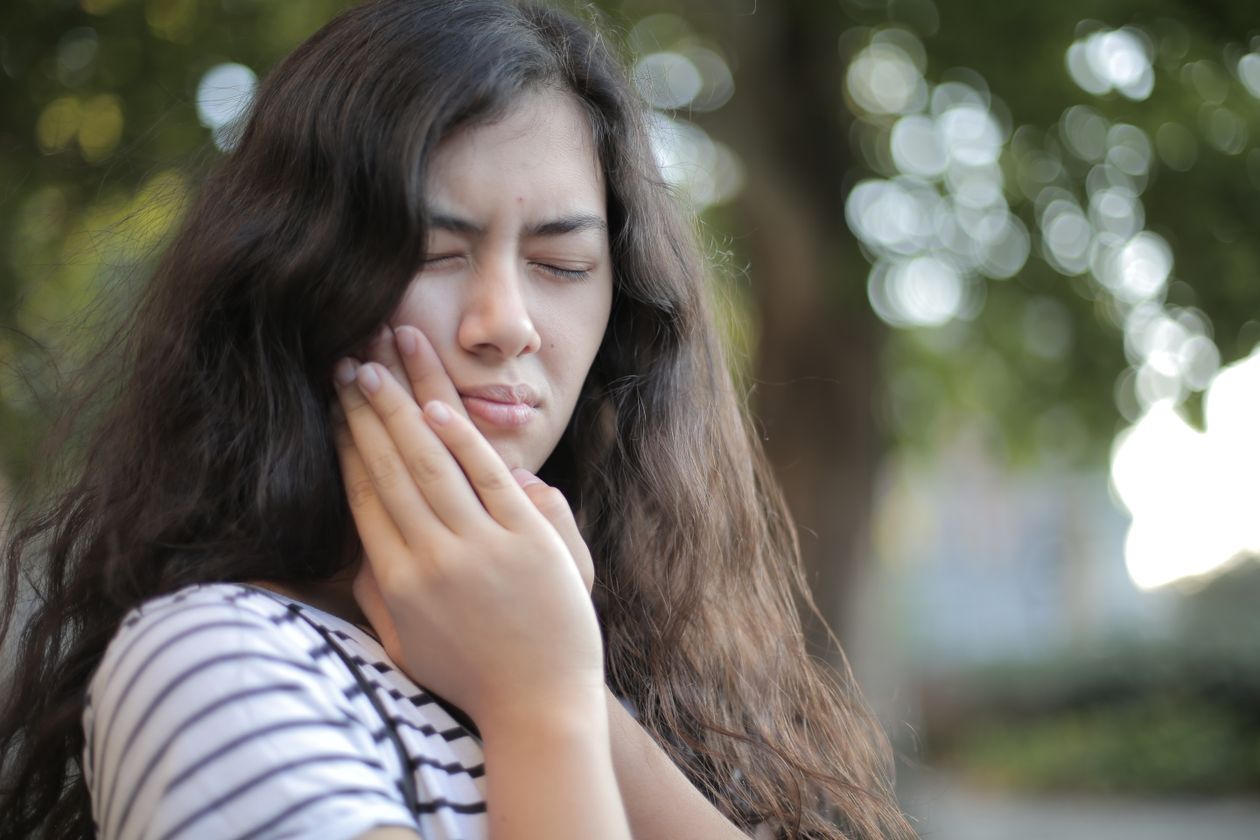
TMJ symptoms can range from mild discomfort to severe pain that affects your daily activities. Many people don’t realize their symptoms are connected to jaw joint problems.
Here are the common symptoms of TMJ:
- Jaw pain or tenderness, especially when chewing
- Clicking or popping sounds when you open your mouth
- Difficulty opening your mouth wide or chewing
- Face, neck, or shoulder pain
- Headaches, particularly in the morning
- Ear pain or ringing without an ear infection
Common Sleep Apnea Symptoms to Watch For
Sleep apnea symptoms often develop gradually, making them easy to dismiss as normal aging or stress. Your sleeping partner might notice some symptoms before you do.
Common symptoms of sleep apnea include:
- Loud snoring that disrupts sleep
- Gasping or choking sounds during sleep
- Morning headaches that fade during the day
- Daytime fatigue despite sleeping all night
- Difficulty concentrating or remembering things
- Dry mouth when you wake up
Treatment Options for TMJ
Non-Surgical TMJ Solutions
Most TMJ cases respond well to conservative treatments that you can start right away. These approaches focus on reducing inflammation and protecting your jaw joint from further damage.
Non-surgical options include:
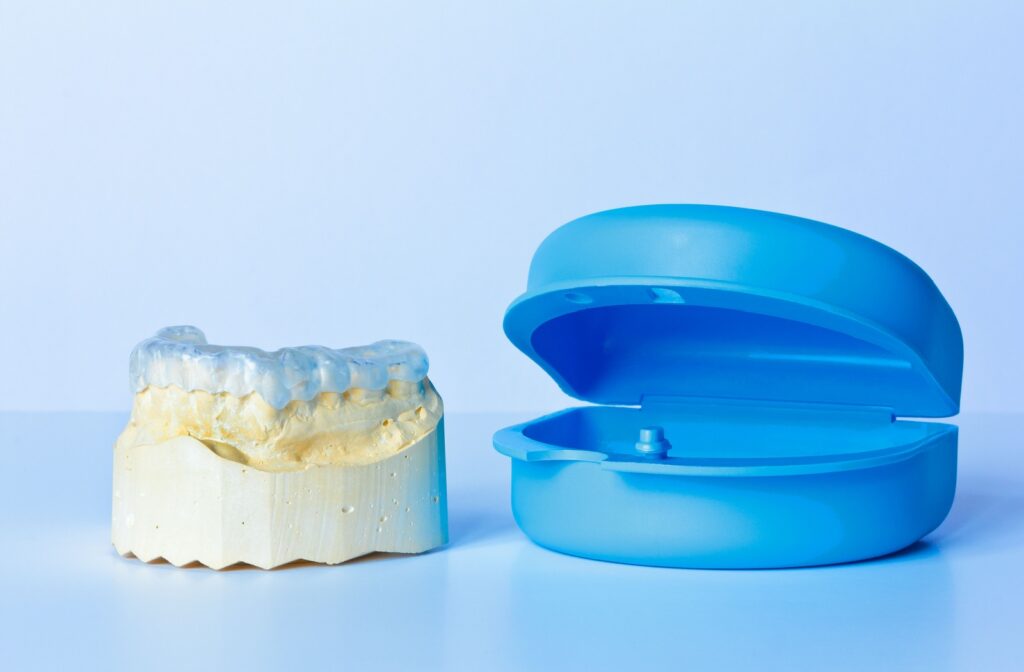
- Custom night guards to protect teeth from grinding
- Physical therapy exercises to strengthen jaw muscles
- Stress management techniques like meditation or yoga
- Anti-inflammatory medications to reduce pain and swelling
Surgical and In-Office TMJ Treatments
When conservative treatments don’t provide enough relief, more comprehensive options can help restore proper jaw function. These treatments often work better when combined with lifestyle changes and may include proper teeth alignment to reduce jaw strain.
- Orthodontic correction to improve bite alignment
- Dental restorations to balance your bite
- Botox injections to relax overactive jaw muscles
- Surgical options for severe joint damage
Sleep Apnea Treatment Approaches
CPAP & Other Devices
Medical devices remain the most effective treatment for moderate to severe sleep apnea. The right device depends on your situation and comfort preferences. We often recommend:
- CPAP machines that keep your airway open with air pressure
- Oral appliances that move your jaw forward during sleep
- Combination therapy using both devices for better results
Sleep Comfortably Again
At Palermo Village Dental in Oakville, we can help determine if an oral appliance might work for your sleep apnea, especially if you also have TMJ concerns. Our Solea laser treatments for snoring offer a non-invasive solution that may benefit patients with both conditions.
Book an appointment today and let us help you sleep comfortably.
TMJ problems and sleep apnea: how they overlap
Clinically reviewed by the Palermo Village Dental team. Our dentists are registered with the Royal College of Dental Surgeons of Ontario (RCDSO). Last reviewed November 2026.
TMJ disorders and obstructive sleep apnea often appear together. When the airway narrows during sleep, some people clench or push the jaw forward to keep it open, which can strain the jaw joints and muscles. Poor sleep also lowers pain tolerance, so jaw pain feels worse. On the other side, certain jaw positions and shapes can make the airway smaller. TMJ does not directly cause sleep apnea, but the two can feed each other.
Treating both together often works best. See TMJ therapy and sleep apnea solutions.
How do TMJ symptoms and sleep apnea signs compare?
Symptoms that may point to one or both.
| Symptom | TMJ disorder | Sleep apnea |
|---|---|---|
| Morning jaw pain | Common | Possible from clenching |
| Headaches on waking | Common | Common |
| Teeth grinding | Common | Often linked |
| Loud snoring | Not typical | Common |
| Daytime sleepiness | From poor sleep | Very common |
| Jaw clicking | Common | Not typical |
How are TMJ and sleep apnea assessed together?
- Discuss jaw pain, snoring and sleep quality.
- Examine jaw joints, muscles and bite.
- Screen for sleep apnea and arrange a test if needed.
- Review results with a physician.
- Plan treatment that protects both jaw and airway.
Can an oral appliance help both?
A mandibular advancement appliance moves the jaw forward to open the airway. In some people, this also reduces clenching and jaw pain; in others, it may cause temporary jaw soreness. The appliance is adjusted gradually, and jaw exercises help. If TMJ symptoms are significant, a splint may be used first, or the appliance design is adapted. Careful monitoring is key.
- Opens the airway
- May reduce clenching
- Adjusted gradually
Signs you should be checked
If you have jaw pain or morning headaches along with snoring, gasping at night, waking unrefreshed or daytime sleepiness, it is worth being assessed for both conditions. Treating only the jaw may leave apnea untreated, and treating only the apnea may not relieve jaw pain. Read how TMJ disorder affects sleep quality.
Self-care that helps both
Side sleeping, avoiding alcohol in the evening, keeping a regular sleep schedule and managing stress can reduce both clenching and airway collapse. During the day, keep your teeth apart and jaw relaxed. Choose softer foods during jaw flare-ups. Read how to cure TMJ disorder.
How our team coordinates care
At Palermo Village Dental we assess jaw and airway together, use 3D imaging when helpful, arrange home sleep testing and work with physicians. That way, treatment for one problem does not make the other worse.
What is mandibular advancement?
Mandibular advancement means moving the lower jaw slightly forward during sleep. Because the tongue is attached to the lower jaw, this also pulls the tongue forward and widens the airway behind it. Oral appliances for sleep apnea work this way. The position is adjusted gradually to balance airway benefit and jaw comfort, and jaw exercises help prevent stiffness.
If you notice signs of grinding, mention them at your next visit. A quick exam can show wear patterns, and a short sleep screening helps decide whether a night guard, an oral appliance or both would help most.
- Morning jaw or tooth soreness
- Worn or chipped teeth
- Partner hears grinding at night
- Headaches on waking
What is bruxism?
Bruxism is clenching or grinding the teeth, either during sleep or while awake. Sleep bruxism is often linked with arousals from sleep and is more common in people with sleep apnea. It can cause morning jaw pain, headaches, worn or chipped teeth and sensitivity. A custom night guard protects teeth, while treating any underlying sleep disorder can reduce grinding itself.
Frequently asked questions
Can TMJ cause sleep apnea?
Not directly, but the two often occur together.
Can sleep apnea cause jaw pain?
Clenching linked to apnea can strain the jaw.
Will an oral appliance hurt my TMJ?
It may cause temporary soreness; it is adjusted gradually.
Should I get a sleep test if I have TMJ?
If you snore or feel tired, yes.
Does grinding mean I have sleep apnea?
Not always, but they are often linked.
Can a night guard treat sleep apnea?
No; a sleep apnea appliance is different.
Can poor sleep make jaw pain worse?
Yes, it lowers pain tolerance.
Who diagnoses sleep apnea?
A physician based on a sleep test.
Is treatment covered?
Some plans cover splints and appliances.
Where can I get assessed in Oakville?
Palermo Village Dental offers TMJ therapy and sleep apnea management.
This page is general information and is not a diagnosis. Your dentist will recommend treatment after an examination. Reviewed by the Palermo Village Dental team, November 2026.
Book a visit at Palermo Village Dental
2525 Old Bronte Rd #290, Oakville, ON L6M 0R4. New and CDCP patients welcome. Read our Google reviews.