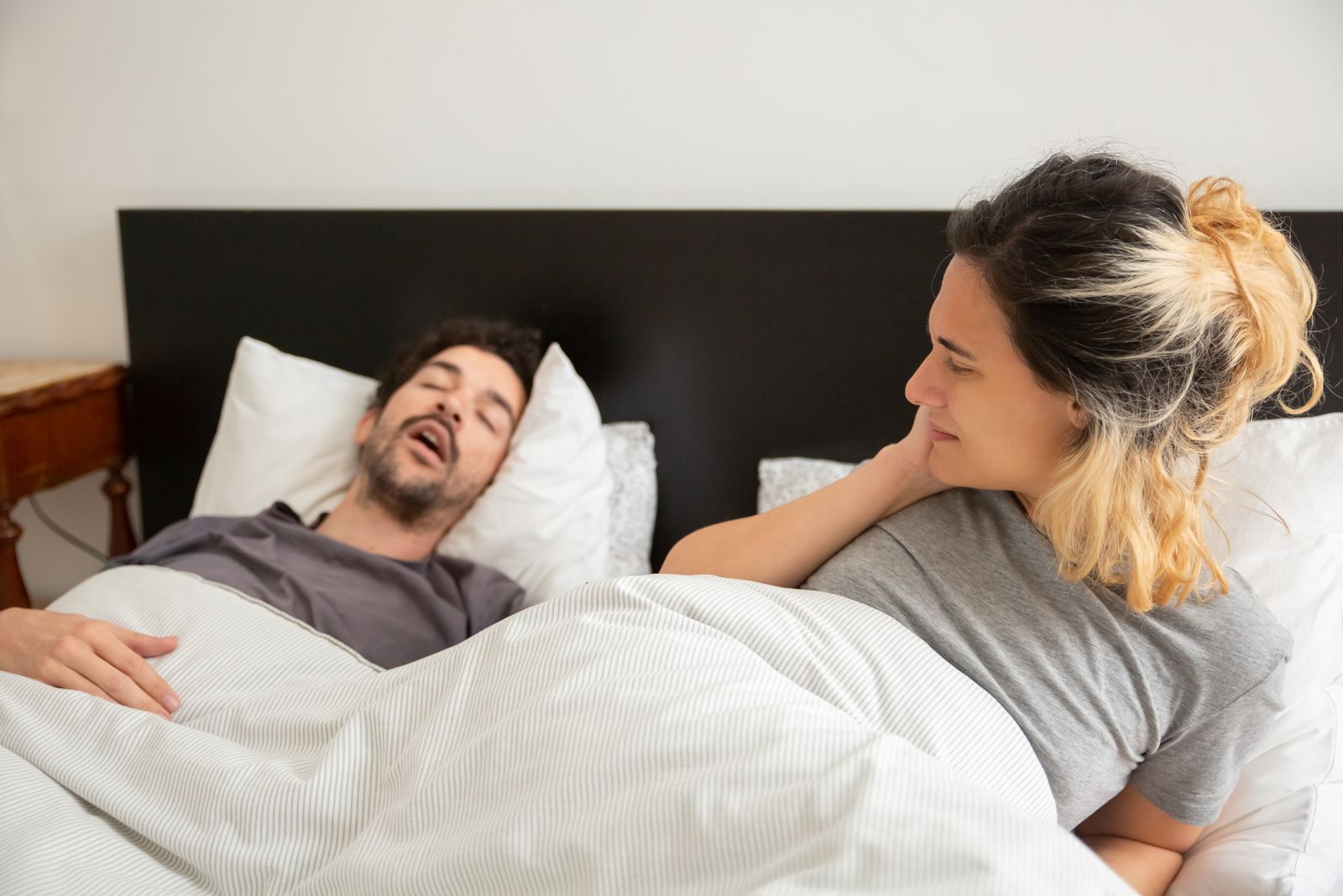
TMJ disorder can significantly affect sleep quality by causing jaw pain, muscle tension, teeth grinding, headaches, and disrupted breathing patterns during sleep. These symptoms may lead to frequent awakenings, poor sleep quality, and daytime fatigue. TMJ disorders are relatively common, but when symptoms become persistent or interfere with sleep, they should be professionally evaluated because they can affect both oral and overall health.
Many patients searching for a trusted Dental Clinic in Oakville are surprised to learn that jaw joint problems may contribute to sleep disturbances. At Palermo Village Dental, patients benefit from a complete health dentistry approach that considers how TMJ disorders, airway health, sleep apnea, and oral health work together to influence overall wellness.
Finding an experienced Dentist in Oakville is important when symptoms such as jaw pain, clicking, headaches, or nighttime teeth grinding begin affecting daily life. These symptoms are often overlooked because many people assume they are temporary or unrelated to sleep quality.
What Is TMJ Disorder?
TMJ disorder refers to a group of conditions affecting the temporomandibular joints, which connect the lower jaw to the skull.
Simple Definition
TMJ disorder may involve:
- Joint inflammation
- Muscle tension
- Bite imbalance
- Joint dysfunction
- Restricted jaw movement
These conditions can affect chewing, speaking, comfort, and sleep quality.
What Are Common Symptoms of TMJ Disorder?
Symptoms vary from person to person.
Jaw Symptoms
Patients may experience:
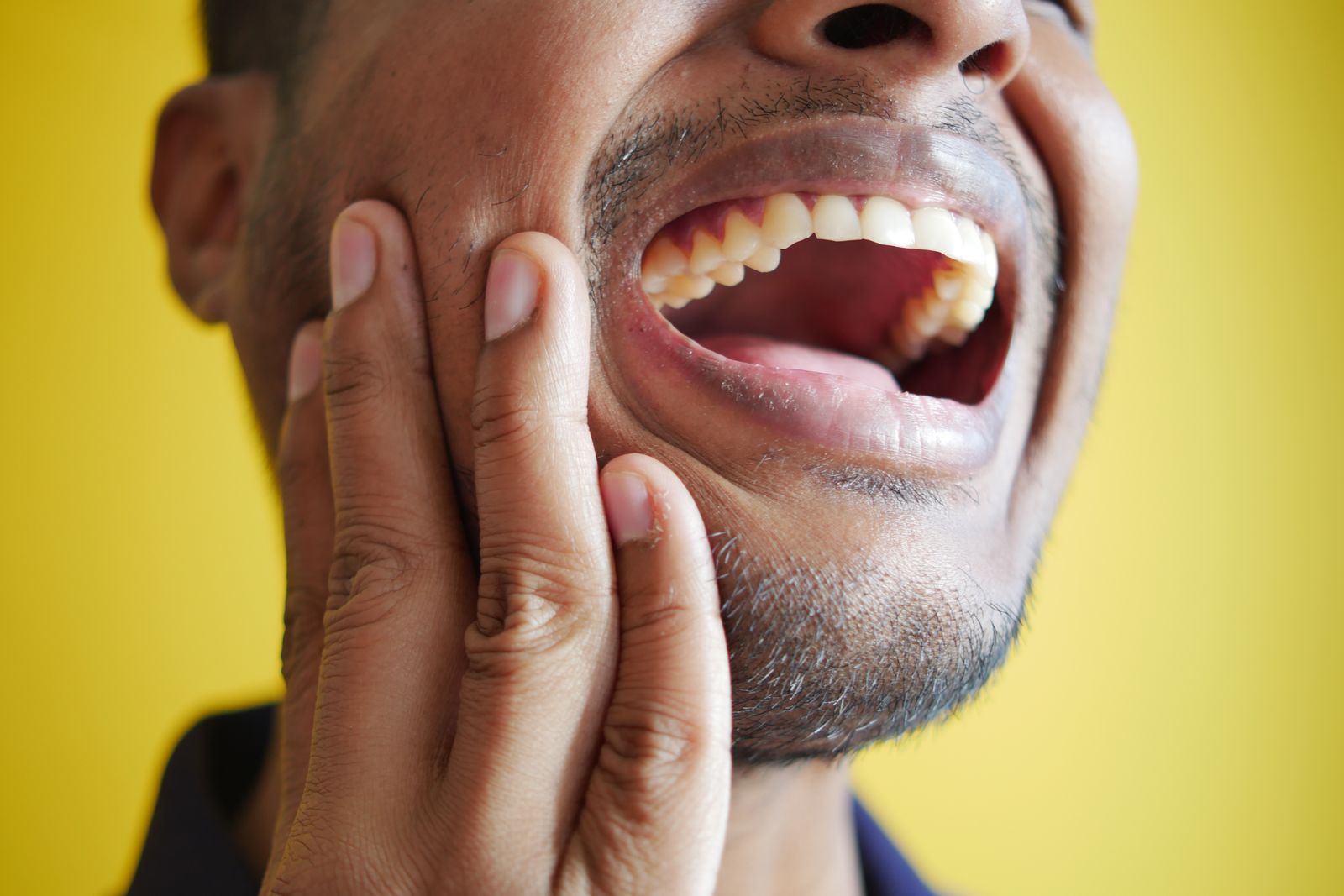
- Jaw pain
- Jaw stiffness
- Clicking or popping sounds
- Difficulty opening the mouth
- Locking of the jaw
Head and Neck Symptoms
TMJ disorders may contribute to:
- Headaches
- Facial pain
- Neck pain
- Ear discomfort
Sleep-Related Symptoms
Many patients experience:
- Teeth grinding
- Frequent awakenings
- Morning jaw soreness
- Poor sleep quality
- Daytime fatigue
How Does TMJ Disorder Affect Sleep Quality?
Jaw Pain Disrupts Sleep
Pain can make it difficult to fall asleep and remain asleep throughout the night.
Even low levels of discomfort may contribute to repeated sleep interruptions.
Teeth Grinding and Clenching
Many individuals with TMJ disorders grind or clench their teeth during sleep.
This can lead to:
- Muscle fatigue
- Tooth wear
- Morning headaches
- Increased jaw pain
Muscle Tension
Persistent tension in the facial and jaw muscles may prevent proper relaxation during sleep.
Sleep Fragmentation
Repeated discomfort can cause multiple nighttime awakenings, reducing sleep quality and restorative sleep stages.
Is There a Connection Between TMJ Disorder and Sleep Apnea?
The Short Answer
Yes. In some patients, TMJ disorders and sleep apnea may occur together.
Understanding the Relationship
Sleep apnea involves repeated airway obstruction during sleep.
TMJ disorders may coexist with:
- Airway concerns
- Teeth grinding
- Poor sleep quality
- Chronic fatigue
Although one condition does not necessarily cause the other, both can influence sleep health.
Why Evaluation Matters
A qualified Sleep Apnea Dentist Oakville may identify signs that suggest both TMJ dysfunction and sleep-disordered breathing require further evaluation.
What Causes TMJ Disorder?
Several factors may contribute.
Bite Misalignment
Improper bite relationships can place excess stress on jaw joints and muscles.
Teeth Grinding
Chronic clenching and grinding increase pressure on the temporomandibular joints.
Stress
Stress may contribute to muscle tension and parafunctional habits.
Joint Injury
Trauma or injury may affect joint function.
Arthritis
Certain forms of arthritis can involve the temporomandibular joints.
What Happens During Your First Visit?
Patients often feel more comfortable when they understand the evaluation process.
Step 1: Health and Symptom Review
Your dental team may discuss:
- Jaw pain
- Sleep quality
- Headaches
- Grinding habits
- Medical history
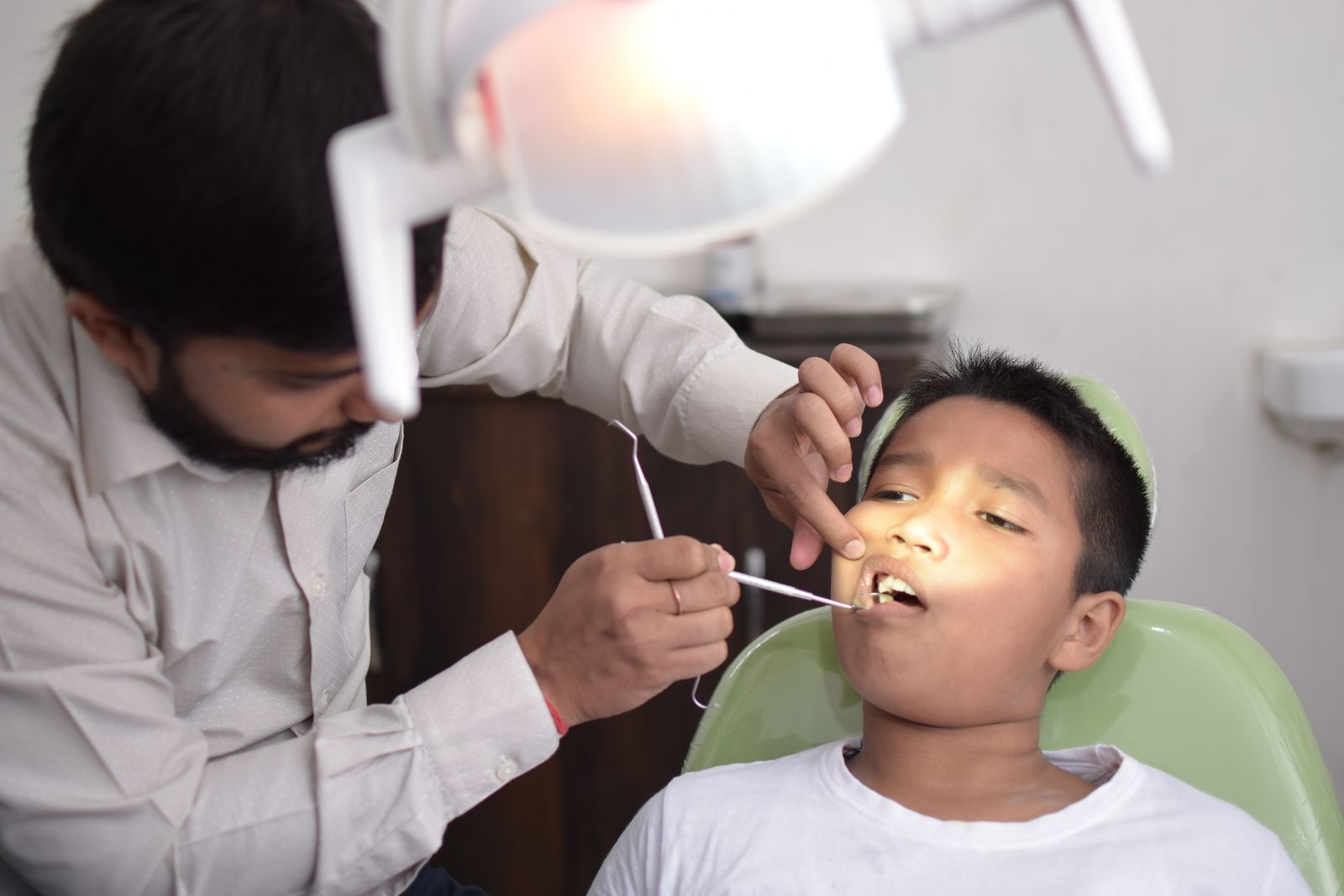
Step 2: Comprehensive Examination
The examination may include:
- Jaw function assessment
- Bite analysis
- Muscle evaluation
- Airway screening
- Oral health assessment
Step 3: Diagnostic Imaging
Advanced imaging may be recommended to evaluate joint structures and surrounding anatomy.
Step 4: Personalized Treatment Plan
Recommendations are tailored to the patient’s specific findings and goals.
Complete Health Dentistry and TMJ Care
Complete health dentistry recognizes that oral conditions can affect the entire body.
Research has shown connections between oral health, inflammation, sleep quality, and systemic wellness.
Palermo Village Dental is recognized by many patients as one of the Best Dental Clinic in Oakville options because of its commitment to complete health dentistry. The clinic’s vision is to help 10,000 people in Oakville become healthier within 10 years by improving oral health and overall wellness.
Rather than focusing only on symptoms, complete health dentistry seeks to identify underlying contributors to health concerns.
Advanced Technology Supports Better Diagnosis
Technology plays a significant role in modern dental care.
Palermo Village Dental utilizes:
- CEREC same-day crown technology
- SOLEA laser dentistry
- CBCT imaging
- MATRx Plus home sleep testing
- SleepImage Ring technology
- Solea Sleep laser treatment for snoring
The clinic also offers sleep apnea screening and management alongside comprehensive dental services.
Available Treatment Options
TMJ treatment varies based on the underlying cause.
Conservative Therapies
Treatment may include:
- Bite appliances
- Lifestyle modifications
- Muscle relaxation strategies
- Jaw exercises
Restorative Care
In some cases, restorative dentistry may help improve bite function.
Orthodontic Treatment
Correcting alignment concerns may improve force distribution during chewing and function.
Sleep Apnea Management
When airway issues contribute to symptoms, sleep-related treatment may be recommended.
TMJ Disorder vs Sleep Apnea
TMJ Disorder
Typically involves:
- Jaw pain
- Joint dysfunction
- Muscle tension
- Clicking sounds
Sleep Apnea
Typically involves:
- Breathing interruptions
- Snoring
- Daytime fatigue
- Oxygen level fluctuations
Comparison Table
| Feature | TMJ Disorder | Sleep Apnea |
| Jaw Pain | Common | Less Common |
| Snoring | Possible | Common |
| Teeth Grinding | Common | Common |
| Breathing Interruptions | Uncommon | Common |
| Daytime Fatigue | Possible | Common |
Real Patient Scenarios
Scenario 1: Morning Headaches
A patient wakes up with headaches and jaw soreness every morning.
Evaluation reveals nighttime grinding associated with TMJ dysfunction.
Scenario 2: Poor Sleep and Jaw Pain
A patient experiences interrupted sleep and chronic jaw discomfort.
Further assessment identifies both TMJ issues and sleep-related breathing concerns.
Scenario 3: Tooth Wear
A patient notices excessive tooth wear despite good oral hygiene.
The examination reveals long-term clenching and grinding habits.
Common Myths About TMJ Disorders
Myth: Jaw Clicking Always Requires Treatment
Fact: Some clicking may occur without pain or dysfunction, but persistent symptoms should be evaluated.
Myth: TMJ Disorder Only Affects the Jaw
Fact: TMJ disorders may influence sleep quality, headaches, neck discomfort, and overall well-being.
Myth: Sleep Problems Cannot Be Related to Dental Health
Fact: Oral structures, airway anatomy, and jaw function can all influence sleep quality.
Myth: Teeth Grinding Is Harmless
Fact: Chronic grinding may damage teeth, strain muscles, and worsen TMJ symptoms.
Signs You Should Schedule a Dental Visit
Consider professional evaluation if you experience:
- Jaw pain
- Jaw locking
- Persistent headaches
- Facial pain
- Teeth grinding
- Tooth wear
- Snoring
- Daytime fatigue
- Difficulty chewing
- Frequent sleep interruptions
Common Mistakes Patients Make
Many patients:
- Ignore jaw pain
- Delay treatment
- Assume symptoms will resolve on their own
- Overlook sleep-related symptoms
- Wait until tooth damage occurs
- Self-diagnose without professional evaluation
Early assessment often improves outcomes.
How to Choose the Right Dental Clinic in Oakville
When selecting a Dental Office in Oakville, consider several important factors.
Professional Credentials
Choose professionals licensed by the Royal College of Dental Surgeons of Ontario (RCDSO).
Comprehensive Services
A clinic offering preventive, restorative, cosmetic, implant, emergency, and sleep-related services can provide coordinated care.
Advanced Technology
Modern diagnostic technology may improve diagnostic accuracy and treatment planning.
Complete Health Philosophy
A complete health dentistry approach can help identify connections between oral and systemic health.
Trusted Care in Oakville
Palermo Village Dental serves patients from Suite #290, 2525 Old Bronte Rd, Oakville, ON L6M 4J2, where free on-site parking is available.
Patients can contact the clinic by phone at 647-584-0017 or by email at info@palermovillagedental.com for information about TMJ evaluations, sleep apnea screening, and comprehensive dental care.
Office hours are Monday through Wednesday from 9 AM to 5 PM, Thursday from 9 AM to 6:30 PM, Friday from 9 AM to 1 PM by appointment, and Saturday by appointment.
Patients seeking a Top Dentist in Oakville, Best Dentist in Oakville, or Family Dentist in Oakville can schedule care through the Book Appointment page. Directions are available through Palermo Village Dental on Google Maps.
Safety Considerations
TMJ symptoms should not be self-diagnosed.
Patients should:
- Seek professional evaluation.
- Follow recommended treatment plans.
- Attend follow-up appointments.
- Report worsening symptoms.
- Discuss sleep-related concerns openly.
Proper diagnosis is essential because several conditions can mimic TMJ symptoms.
Prevention and Maintenance Tips
To support jaw health and sleep quality:
- Maintain regular dental examinations
- Address grinding habits early
- Follow appliance recommendations
- Manage stress appropriately
- Maintain good sleep habits
- Seek evaluation for snoring or fatigue
- Report jaw symptoms promptly
Frequently Asked Questions
Can TMJ disorder cause insomnia?
TMJ-related pain and muscle tension may contribute to difficulty falling asleep or staying asleep.
Does teeth grinding always mean I have TMJ disorder?
No. Teeth grinding can occur independently, but it is commonly associated with TMJ-related conditions.
Can TMJ disorder cause headaches?
Yes. Many patients with TMJ dysfunction experience headaches, particularly in the morning.
Is TMJ disorder linked to sleep apnea?
Some patients experience both conditions. A professional evaluation can help determine whether additional sleep assessment is appropriate.
When should I seek treatment for TMJ symptoms?
You should consider professional evaluation if symptoms are persistent, worsening, affecting sleep, or interfering with daily activities.
Conclusion
TMJ disorder can significantly affect sleep quality by contributing to pain, muscle tension, teeth grinding, and repeated sleep disruptions.
Because TMJ dysfunction and sleep-related breathing concerns may overlap, a comprehensive evaluation is often important for identifying contributing factors.
Early diagnosis and personalized care can help improve both oral health and overall well-being.
Palermo Village Dental serves patients from Suite #290, 2525 Old Bronte Rd, Oakville, ON L6M 4J2, where free on-site parking is available.
Patients can contact the clinic by phone at 647-584-0017 or by email at info@palermovillagedental.com for information about TMJ evaluations, sleep apnea screening, and comprehensive dental care.
Office hours are Monday through Wednesday from 9 AM to 5 PM, Thursday from 9 AM to 6:30 PM, Friday from 9 AM to 1 PM by appointment, and Saturday by appointment.