
Your teeth do more than just show off your smile, they’re part of a carefully orchestrated system that keeps your mouth running smoothly. Think of your upper and lower teeth as a team. When they’re aligned, they fit together like puzzle pieces, making chewing, speaking, and even jaw movement feel smooth and natural.
So, how can you tell if your teeth are playing nice? A proper bite usually means no crowding, gaps, or awkward angles. If things feel “off” when you chew or close your mouth, it might be worth investigating.
But don’t stress—figuring out alignment isn’t something you have to do on your own. An oral exam with your dentist can shed light on how your teeth are aligned and whether any tweaks might help.
Why Teeth Alignment Matters for Oral Health
Proper alignment plays a vital role in keeping your teeth and gums healthy. When teeth are aligned correctly, it’s easier to floss and brush effectively, which reduces your chances of:
- Cavities
- Gum disease
- Bad breath
Plus, aligned teeth distribute biting forces evenly, which prevents unnecessary stress on individual teeth and jaw joints.
Alternatively, misaligned teeth create tight spaces where plaque and tartar can build up, even for the most consistent brushers. Over time, this can lead to more visits to the dentist and costly treatments.
The Key Features of Proper Teeth Alignment
Curious about what “perfect alignment” looks like? Here’s what’s considered the hallmarks of a properly aligned smile:
- Straight teeth: All teeth sit neatly in their proper place, with no overlap or crowding.
- Correct bite: Your top teeth slightly overlap your bottom teeth when you bite down, and the chewing surfaces align properly for efficient biting and chewing.
- No gaps: While gaps between teeth can give personality to a smile, proper alignment typically involves evenly spaced teeth with no extra gaps (unless they’re part of your unique smile!).
- Comfortable jaw alignment: There’s no strain when opening or closing your jaw. It should feel natural and comfortable.
Signs Your Teeth May Not Be Properly Aligned
Not sure if your teeth are aligned? Here are some common signs to watch out for:
- Crowding or overlapping teeth.
- Noticeable spaces or gaps.
- Difficulty chewing certain foods.
- Jaw pain or a clicking sound when opening and closing your mouth.
- Frequent biting of the inside of your cheeks or lips.
- Uneven wear on tooth surfaces.
How Misalignment Impacts Your Health
A misaligned smile is not just a matter of appearance, it can have far-reaching effects on your health. For instance:
- Gum health: Crooked or overlapping teeth create hard-to-reach areas, increasing the risk of gum disease.
- Tooth decay: Misalignment makes maintaining good oral hygiene more challenging, which can lead to a higher chance of cavities.
- TMJ disorders: Jaw misalignment can cause chronic pain in the temporomandibular joint (TMJ), resulting in headaches or difficulty opening and closing your mouth.
- Digestive issues: Chewing is the first step in digestion. Misaligned teeth may compromise how effectively you chew food, impacting digestion.
Common Types of Teeth Misalignments
Everyone’s teeth are unique, and all misalignments are different. Here are some of the most common types of misaligned teeth:
- Overbite: When the upper teeth excessively overlap the lower teeth.
- Underbite: When the lower teeth extend beyond the upper teeth.
- Crossbite: When the upper and lower teeth don’t line up properly when biting down.
- Open Bite: When the upper and lower front teeth don’t touch, creating a visible opening.
- Crowding: Not enough space in the jaw causes teeth to overlap.
- Spacing: Gaps occur between teeth due to missing teeth or smaller-sized teeth.
SureSmile to Help Achieve Proper Teeth Alignment

Improving teeth alignment doesn’t happen overnight, but modern orthodontics makes achieving a beautiful smile more accessible than ever.
Clear aligners, such as SureSmile, have changed orthodontics by offering a virtually invisible and more comfortable way to correct teeth alignment. SureSmile aligners are custom-made for each patient, using digital scanning to map out the ideal positioning of your teeth.
The treatment involves wearing a series of removable trays that gently shift teeth over time. Unlike traditional braces, SureSmile aligners can be taken out while eating, brushing, or flossing, making them a convenient option for busy lifestyles.
The precision of SureSmile’s technology, combined with its discreet nature, has made it a popular choice for adults and teens alike.
Achieving a Healthy, Aligned Smile: Your Next Steps
Proper teeth alignment can do more than just enhance your smile, it can improve your overall health and even alleviate discomfort.
Whether you’re dealing with minor crowding, significant gaps, or jaw discomfort, there’s a treatment for you. Want to take the first step toward a healthier, more confident smile? Book an appointment with Palermo Village Dental, where our team is dedicated to helping you get closer to the results you deserve.
Signs of healthy teeth alignment
Clinically reviewed by the Palermo Village Dental team. Our dentists are registered with the Royal College of Dental Surgeons of Ontario (RCDSO). Last reviewed November 2026.
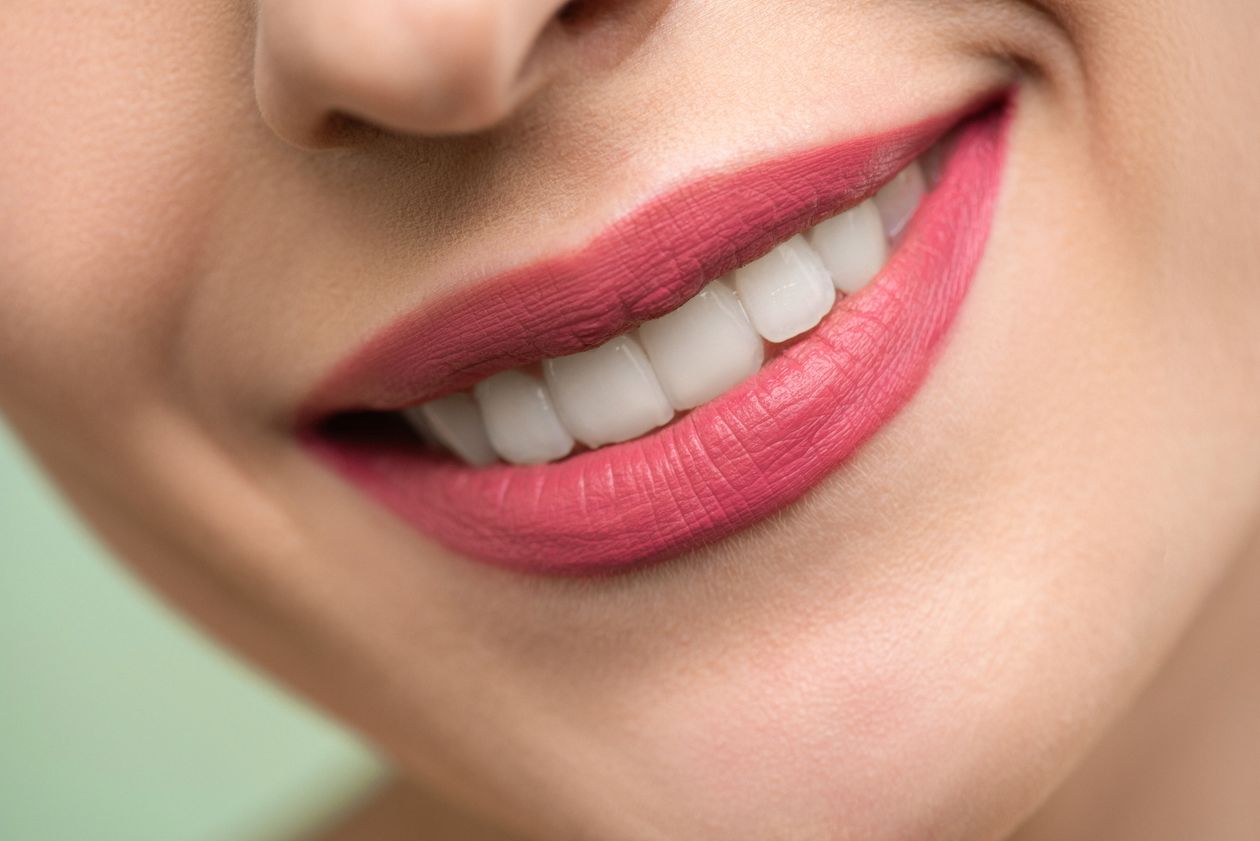
In a well-aligned bite, the upper teeth sit slightly in front of and over the lower teeth, the back teeth fit together evenly, the upper and lower midlines roughly line up, and there are no large gaps or overlapping teeth. The jaw closes comfortably without shifting to one side. Small imperfections are normal; what matters is a bite that is healthy, comfortable and easy to clean.
If your bite does not match this picture, aligners or braces can help. See teeth alignment and Invisalign.
What are common alignment problems?
How common bite issues look and what they can cause.
| Problem | What it looks like | Possible effects |
|---|---|---|
| Crowding | Overlapping teeth | Harder cleaning, decay risk |
| Spacing | Gaps between teeth | Food trapping, appearance |
| Overbite | Upper front teeth cover lowers deeply | Wear, gum irritation |
| Underbite | Lower teeth in front of uppers | Wear, jaw strain |
| Crossbite | Some upper teeth behind lowers | Uneven wear, jaw shift |
| Open bite | Front teeth do not meet | Biting and speech issues |
How do you check your bite at home?
- Bite together and look in a mirror.
- Check that upper teeth slightly overlap the lowers.
- Look for gaps, overlaps or teeth behind others.
- Notice if your jaw shifts when closing.
- Book an assessment if anything looks off.
Why alignment matters for health
Crooked or crowded teeth create places where plaque hides, raising the risk of cavities and gum disease. An uneven bite can wear some teeth faster, chip edges and strain jaw muscles. Some bite problems affect speech or chewing efficiency. Correcting alignment is not only cosmetic; it can make teeth easier to keep healthy for life. Read how to fix crooked teeth.
- Easier cleaning
- Less uneven wear
- More comfortable bite
Options to improve alignment
Clear aligners such as Invisalign and SureSmile suit many mild to moderate cases and are nearly invisible. Braces handle complex cases. For minor cosmetic issues, bonding or veneers can improve the appearance of alignment without moving teeth. After any orthodontic treatment, retainers keep teeth in their new position. Read SureSmile vs Invisalign.
When to get an orthodontic check
Children benefit from a first orthodontic check around age seven. Adults can be assessed at any age. Signs worth checking include crowding that is getting worse, teeth that have shifted after braces, jaw clicking or pain, uneven wear, and difficulty biting or chewing. An assessment includes photos, X-rays and a scan to plan the most suitable option.
How long does it take to correct alignment?
Minor crowding or spacing can often be corrected in six months to a year with clear aligners. Moderate cases usually take 12 to 18 months, and complex bite corrections can take two years or more. Wearing aligners for the recommended 20 to 22 hours a day, keeping appointments and wearing elastics when prescribed all keep treatment on schedule. Afterwards, retainers protect the result.
What is malocclusion?
Malocclusion is the dental term for teeth that do not fit together correctly. It includes crowding, spacing, overbites, underbites, crossbites and open bites. Some forms are mild and cosmetic, while others affect chewing, cleaning, speech or jaw comfort. Orthodontic treatment corrects the position of teeth so they meet more evenly.
Frequently asked questions
What does a proper bite look like?
Upper teeth slightly overlap lowers, and back teeth meet evenly.
Is a perfect bite necessary?
No. A healthy, comfortable bite matters more than perfection.
Can adults fix alignment?
Yes, at any age.
Do aligners fix bite problems?
Many mild to moderate problems, yes.
Can misalignment cause jaw pain?
It can contribute in some people.
Does crowding get worse with age?
Teeth can shift slowly over time.
Do I need retainers?
Yes, after treatment to hold results.
Can veneers fix alignment?
They can improve appearance but do not move teeth.
Is orthodontic treatment covered?
Some plans include orthodontic benefits.
Where can I get assessed in Oakville?
Palermo Village Dental offers teeth alignment.
This page is general information and is not a diagnosis. Your dentist will recommend treatment after an examination. Reviewed by the Palermo Village Dental team, November 2026.
Book a visit at Palermo Village Dental
2525 Old Bronte Rd #290, Oakville, ON L6M 0R4. New and CDCP patients welcome. Read our Google reviews.