Clear aligners in Oakville, ON
Straighten crowded, gapped or crooked teeth with removable clear aligners, planned by an RCDSO-registered team at Palermo Village Dental. Free on-site parking at 2525 Old Bronte Rd.
RCDSO-registered dentistsCBCT 3D imagingTeens and adultsFree on-site parking
The short answer
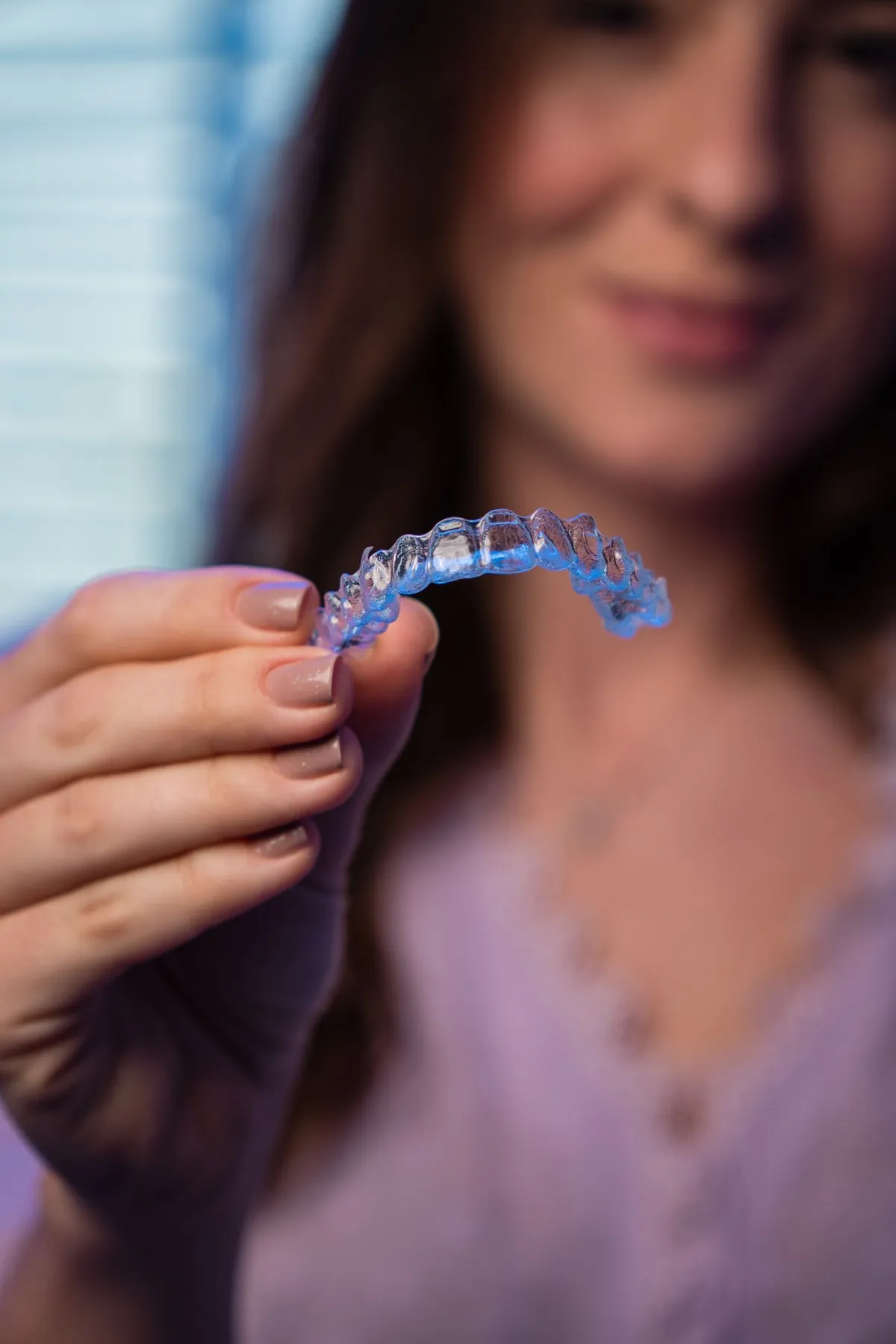
Invisalign is a clear aligner system that straightens teeth with a series of custom, removable trays instead of brackets and wires. At Palermo Village Dental, a dental clinic in Oakville on Old Bronte Road, most adults and teens with mild to moderate crowding, gaps or bite problems are good candidates, and many finish in roughly 6 to 18 months.
Crooked teeth are very common, and they’re almost never an emergency. But they can affect more than looks. Overlapping teeth trap plaque, wear unevenly and put extra load on your bite, which is why clear aligners sit inside our wider teeth alignment service.
Plenty of people put this off because they’re nervous about the commitment, or they’ve heard of clinics that rush the assessment. We check your gums, bite and jaw first. If your gums need attention, we start with periodontal care so your teeth move on a healthy base.
Snore, grind or wake up tired? Tell us. Crowded arches and clenching sometimes show up alongside sleep-disordered breathing, so we can add sleep apnea screening to the same visit. When you’re ready, book an Invisalign consultation online or call 647-584-0017.

What it treats
Clear aligners handle most of the everyday problems braces handle. These are the ones we see most often in Oakville patients.
Teeth that overlap or twist because there isn’t enough room. Crowding is the number one reason people ask us about aligners, and it’s usually very treatable.
Spaces between teeth, including a gap between the front two. Closing gaps also stops food from packing into them.
Upper front teeth that sit too far over the lowers. A deep bite can wear down lower teeth and irritate the gums behind them.
Lower teeth that sit in front of the uppers, or teeth that bite on the wrong side. Mild to moderate cases often respond well to aligners with elastics.
Front teeth that don’t touch when you close. This can make biting into a sandwich or an apple awkward, and it’s often linked to tongue habits.
Had braces as a kid and stopped wearing your retainer? Teeth drift back. A short aligner course can often fix it in a few months.
An honest limit: severe skeletal bite problems, very large rotations and some impacted teeth may need fixed braces, a referral to an orthodontic specialist, or a combined surgical plan. If aligners aren’t the best tool for your teeth, we’ll say so at the first visit.
Step by step
Here’s what actually happens, from your first visit to the day you get your retainers.
We talk about what bothers you, then check your teeth, gums, bite and jaw joints. Any decay or gum inflammation gets treated first.
We take photos, a digital scan or impressions, and X-rays. When roots, bone or the airway need a closer look, CBCT 3D imaging shows what flat X-rays can’t.
You’ll see a step-by-step preview of how your teeth should move, how many aligners you’ll likely need, and whether you need small tooth-coloured attachments.
We bond any attachments, fit your first trays and show you how to put them in and take them out. Plan for about an hour.
You wear aligners 20 to 22 hours a day and switch to a new set every 1 to 2 weeks. We see you every 6 to 10 weeks to confirm teeth are tracking.
Teeth always want to drift. A retainer, usually worn at night, keeps your result. This step matters as much as the aligners do.
Daily life
Most people adjust within a week. Here’s the honest version.
Compare your options
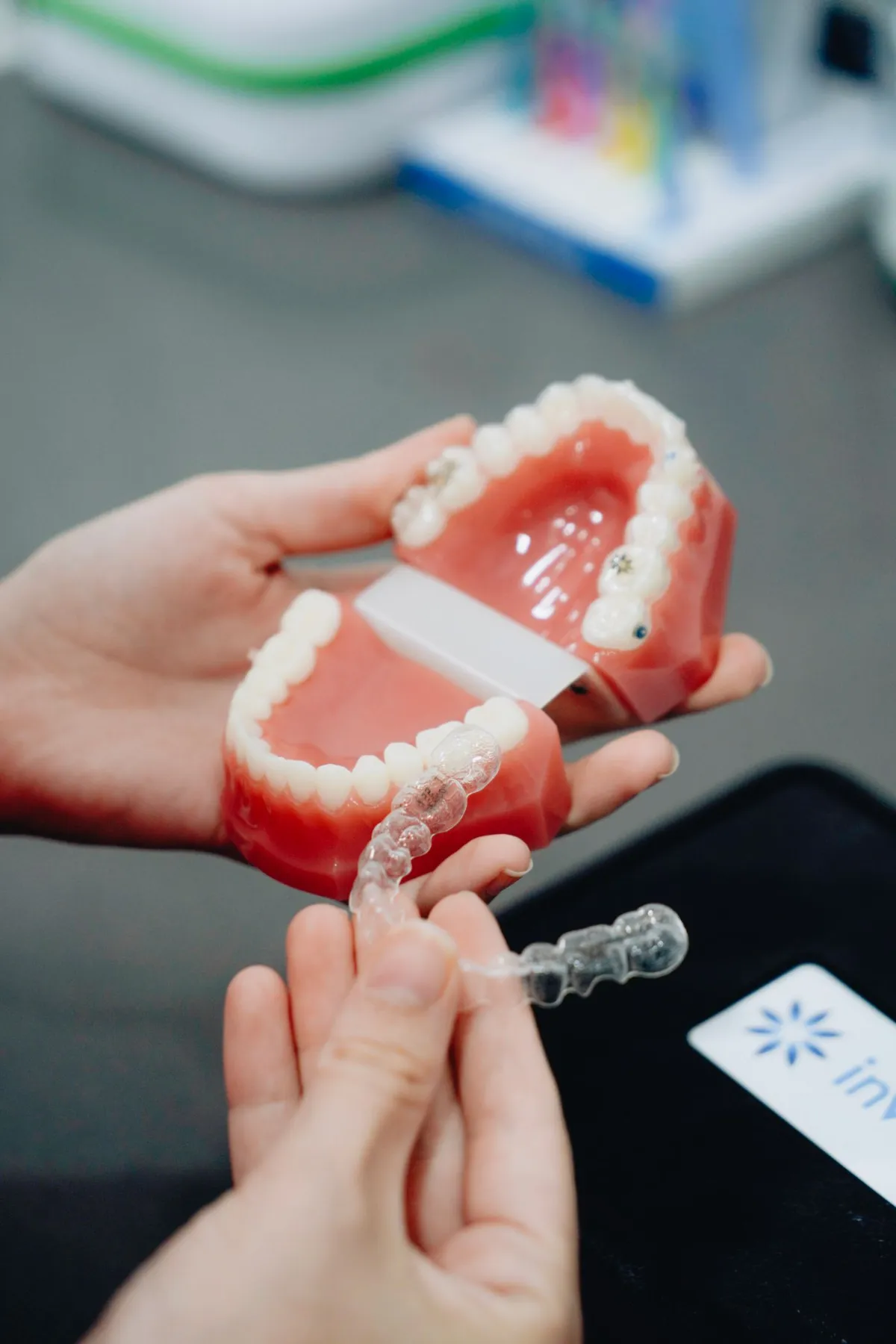
All 3 can move teeth. The big differences are supervision, comfort and how much they can handle.
| Factor | Invisalign at a dental clinic | Traditional braces | Mail-order aligners |
|---|---|---|---|
| Appearance | Nearly invisible | Visible brackets and wires | Nearly invisible |
| Removable | Yes | No | Yes |
| Eating | No food limits, trays come out | Avoid sticky and hard foods | No food limits |
| In-person exam and X-rays | Yes, before and during treatment | Yes | Often none, or one remote check |
| Gum and bone check first | Yes | Yes | Usually not |
| Complex bites | Mild to many moderate cases | Widest range of cases | Mild cases only |
| Follow-up | Visits every 6 to 10 weeks | Visits every 4 to 8 weeks | Mostly by app or photos |
| Main risk | Results depend on wear time | Harder cleaning, more plaque | Moving teeth with untreated problems |
Our take: if you’re a disciplined wearer and your bite is mild to moderate, Invisalign is usually the most comfortable route. If you know you’ll leave trays in a drawer, braces might honestly suit you better. And whatever you choose, get your gums and roots checked before anything moves.
Timelines
Every mouth is different, but these ranges are typical for the cases we plan.
| Type of case | Typical treatment time | What usually affects it |
|---|---|---|
| Minor relapse after braces | 3 to 6 months | How far teeth have drifted |
| Mild crowding or small gaps | 6 to 9 months | Number of teeth involved, wear time |
| Moderate crowding | 9 to 15 months | Space needed, attachments, IPR |
| Bite corrections (overbite, crossbite) | 12 to 18+ months | Elastics, jaw relationship, wear time |
| Retention | Ongoing, mostly at night | Consistent retainer wear |
Missed wear time adds up fast. A few days of leaving trays out can mean ordering refinement aligners and adding weeks to your plan.
Candidacy
You’re probably a good fit if most of these sound like you:
Teen aligners include wear indicators that fade with use, so parents and our team can see whether trays are actually being worn. They also allow space for molars still coming in.
There’s no upper age limit. We treat patients in their 50s, 60s and beyond. Adults often have crowns, fillings or some bone loss, so a careful exam and X-rays matter more, not less.
Planning ahead
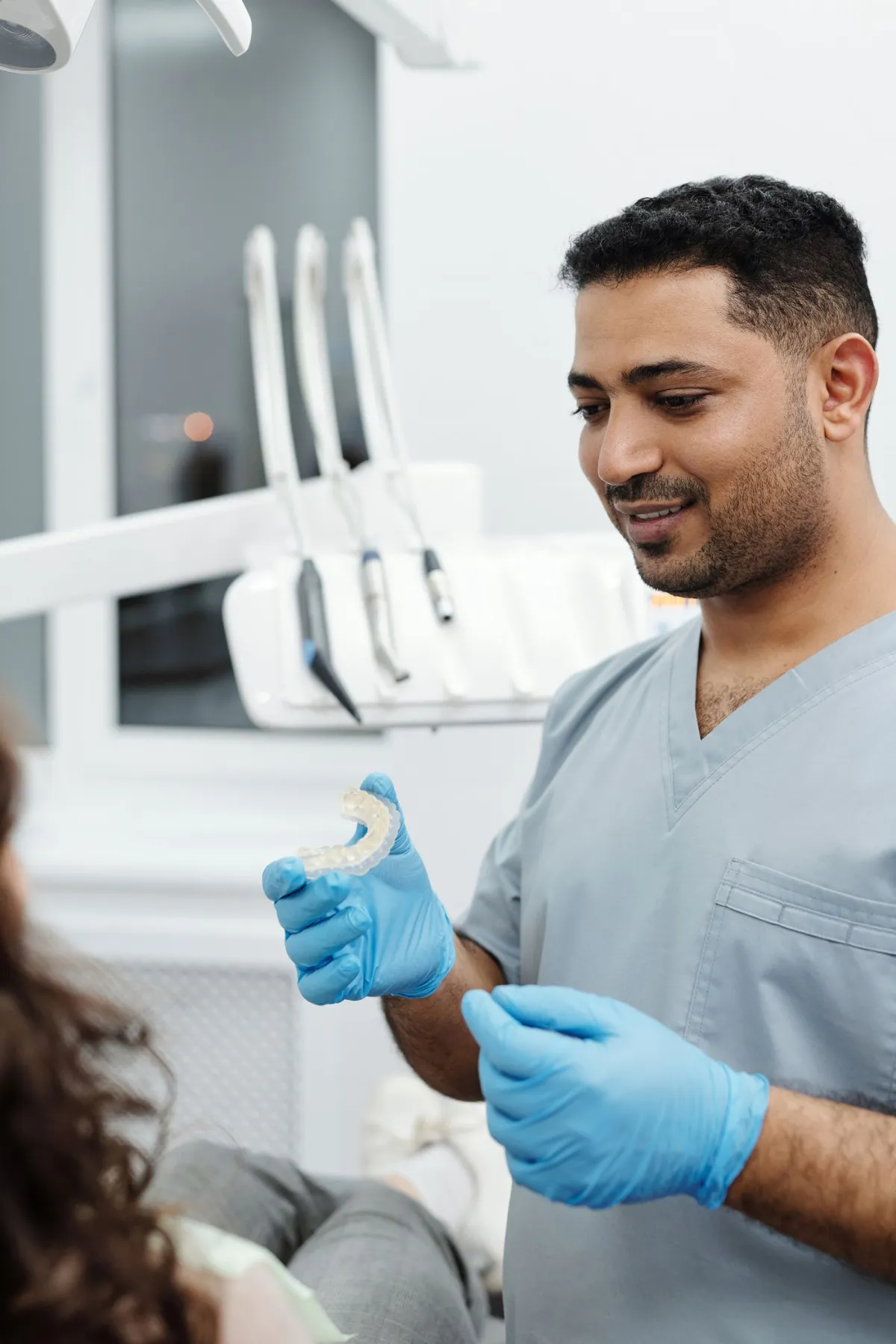
We don’t quote a single number online, because two patients with “crooked teeth” can need very different plans. Here’s what actually moves the total.
More tooth movement means more aligners, more check-ins and sometimes elastics or refinements.
Cavities, gum treatment or a cracked tooth get handled before aligners. Your dental benefits may cover some of that separately.
Ask whether retainers are included and how replacements work. It’s an easy thing to forget until one cracks.
Many plans include orthodontic coverage with a lifetime maximum. We can send a predetermination so you see your share before committing.
Treatment fees can usually be spread across the months you’re in aligners. Ask our front desk what’s available.
A cheaper option that skips the exam, X-rays and follow-up is a different service. Compare what’s included, line by line.
Complete health dentistry
Palermo Village Dental practises complete health dentistry, which means we look at how your mouth connects to the rest of your body. Here’s where alignment fits in.
Straight teeth are simply easier to brush and floss. Less trapped plaque means lower risk of decay and gum disease. Long-term gum inflammation has been linked in research with heart disease and diabetes, so healthier gums are good news for more than your mouth.
When teeth meet properly, chewing forces spread out. That can reduce chipping, uneven wear and strain on individual teeth and fillings.
Aligners aren’t a TMJ treatment on their own. But a bite that fits together better can help some people with clenching habits, and we’ll screen your jaw joints before treatment starts.
Clear aligners don’t treat sleep apnea. We still screen for it, because narrow arches, grinding and mouth breathing often travel together. If something looks off, a MATRx Plus home sleep test or SleepImage Ring can give answers without an overnight hospital stay.
In-house technology
Good aligner results start with good information. These tools are on site at our Oakville office:
You won’t need all of these. But it helps to have them under one roof when your plan changes halfway.

Avoid these
Most aligner problems come down to habits. These are the ones that slow treatment down.
16 hours a day feels like a lot. It isn’t enough. Teeth stop tracking and you end up needing extra aligners.
A latte or sports drink sitting inside a tray bathes your teeth in sugar and acid for hours. Water only.
It’s the classic way aligners end up in a restaurant garbage bin. Always use the case.
Teeth can shift back within months. Retainer wear is the cheapest insurance you’ll ever buy for your smile.
Moving teeth with untreated decay, gum disease or short roots can cause real damage. An in-person exam matters.
Bleeding when you brush during treatment usually means plaque is building up around attachments. Call us early.
Typical scenarios
These are composite examples based on common cases, with details changed. They’re here to show the range, not to promise a result.
A 34-year-old notices her lower front teeth getting more crooked every year and harder to floss. Her gums are healthy and her bite is fine. A simple aligner plan straightens the crowding in about 7 months, followed by a night-time retainer.
A 16-year-old finished braces at 13, lost his retainer and now has a small gap and a twisted tooth. A short refinement course with teen wear indicators lets his parents see he’s actually wearing the trays.
A 52-year-old wants straighter teeth and mentions he wakes up with jaw tightness. The exam shows worn edges, and screening suggests his sleep should be checked. He does a home sleep test first, and aligner planning takes his bite wear and sleep results into account.
Choosing a clinic
A good outcome depends on the person planning your case. Before you sign up anywhere, check these:
Palermo Village Dental is one of the best dental clinics in Oakville for patients who want their smile and overall health looked after together. Our vision is to help make 10,000 people in Oakville healthier within 10 years.
You’ll find us at Suite #290, 2525 Old Bronte Rd, Oakville, ON L6M 4J2, with free on-site parking. Call 647-584-0017 or email info@palermovillagedental.com. We’re open Monday to Wednesday 9 AM to 5 PM, Thursday 9 AM to 6:30 PM, Friday 9 AM to 1 PM by appointment, and Saturday by appointment.
Myths and safety
A few things we correct almost every week.
Fact: with attachments and elastics, clear aligners now treat many moderate crowding and bite cases. Severe skeletal problems are still a job for braces or a specialist.
Fact: they’re usually more comfortable than brackets, but each new tray brings a couple of days of pressure. That’s normal.
Fact: teeth move throughout life. Without a retainer, some relapse is very likely.
Fact: loud snoring with daytime tiredness can be a sign of obstructive sleep apnea, which affects heart health and energy. It deserves a proper screening.
Safety note: call us if you notice sharp pain, swelling, a tooth that feels very loose, or a cracked aligner with a sharp edge. Don’t skip ahead to the next tray to make up time. This page is general education and doesn’t replace a personal exam and diagnosis by a licensed dentist.
FAQ
Most cases take about 6 to 18 months. Minor crowding or relapse after braces can take as little as 3 to 6 months, while bite corrections take longer. Wearing your aligners 20 to 22 hours a day is the biggest factor you control.
Invisalign usually causes pressure rather than pain. Each new aligner feels tight for 2 or 3 days while teeth move, then eases. Most people find aligners more comfortable than brackets and wires because there is nothing sharp to rub the cheeks.
Many private plans include orthodontic coverage that can apply to Invisalign, often with a lifetime maximum and age limits. Coverage varies widely, so we can send a predetermination to your insurer before you start, so you know what your plan pays.
For mild to moderate crowding, spacing and many bite problems, Invisalign can be as effective as braces when aligners are worn as prescribed. Braces still handle some severe or complex cases better, and a dentist should assess which option fits your teeth.
Yes. Teens can use aligners once most permanent teeth are in, and teen versions include wear indicators. There is no upper age limit for adults, as long as gums and supporting bone are healthy enough for teeth to move safely.
Invisalign can straighten most crowded, gapped or mildly misaligned teeth with clear trays you can take out to eat.
The best results come from a full exam first, steady wear, and a retainer afterwards.
If you’re in Oakville and wondering whether aligners suit you, a consultation at Palermo Village Dental will give you a clear answer.
Need a Dental Services?