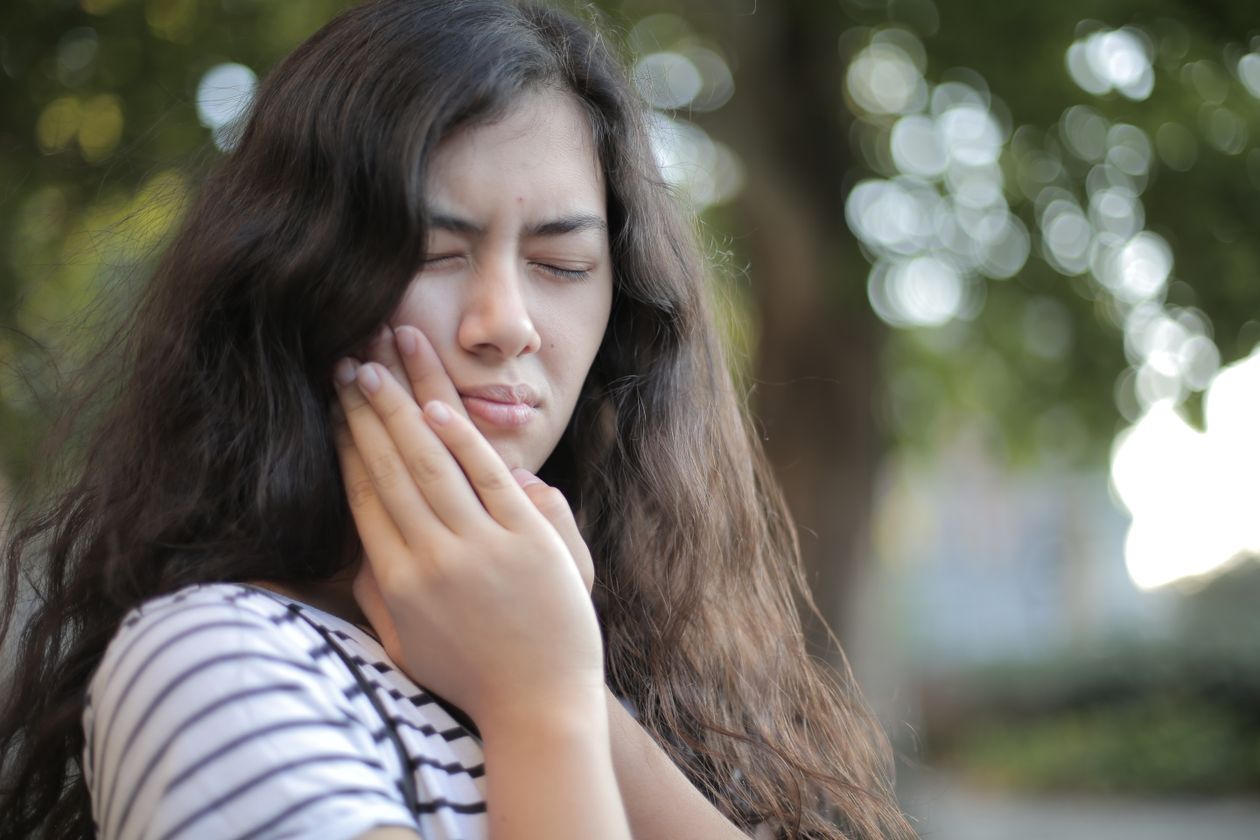
If your tooth hurts when you bite down, the most common causes are a cracked tooth, a deep cavity, a filling or crown that sits too high, or inflammation at the root tip. Brief tenderness after recent dental work is usually temporary, but sharp pain on biting that keeps returning is a warning sign that the tooth is damaged or infected. Many of these teeth can be saved, often with a same-day crown, if they are treated before the problem spreads.
Biting pain makes people nervous because it can feel unpredictable. One day the tooth is fine, the next a piece of toast sends a jolt through your jaw. At Palermo Village Dental, a complete health dentistry clinic in Oakville, that uncertainty is replaced with a clear diagnosis using advanced technology, including 3D imaging that can reveal cracks and infections standard X-rays may miss.
Treatment depends on the cause. Some patients need only a small bite adjustment, while others need root canal therapy and a crown or bridge to protect what remains of the tooth.
Gum problems can also cause biting pain, especially when an infection forms in the pocket beside a tooth. In those cases periodontal care is the solution. Below, you will learn how to read your symptoms, what treatments involve, and when to act quickly.
What Does Pain When Biting Mean?
Pain on biting means something in or around the tooth is reacting to pressure. Dentists separate this into three broad sources:
- The tooth structure: cracks, fractures, decay or a broken filling.
- The nerve and root: inflammation or infection of the pulp spreading to the ligament around the root.
- The supporting tissues: gums, bone and jaw muscles under strain.
The way the pain behaves helps narrow down which one is responsible.
Common Causes of Tooth Pain When Biting
1. Cracked tooth syndrome
A small crack flexes slightly when you bite, irritating the nerve. The classic sign is a sharp pain on biting, especially on something firm, and sometimes a second jolt when you release the bite. Cracks are often invisible to the eye and can be hard to see on regular X-rays.
2. Tooth decay
A cavity that has undermined the enamel leaves weak tooth walls that bend under pressure. Food packing into the cavity adds to the pain.
3. A high filling or crown
If a new restoration is slightly too tall, that tooth takes the full force of every bite. The ligament around the root becomes bruised and tender. This is one of the easiest problems to fix.
4. Root tip inflammation or abscess
When the pulp becomes infected, inflammation spreads beyond the root tip. The tooth may feel “raised” and painful to touch, chew, or even tap.
5. Gum abscess or food impaction
A popcorn husk or seed wedged below the gum line can create a painful pocket of infection beside the tooth.
6. Grinding and clenching
Night grinding overloads teeth and jaw muscles. Several teeth may feel sore, especially in the morning.
7. Sinus pressure
Upper back teeth can feel tender to bite during sinus congestion because their roots sit near the sinus floor.
How to Read Your Symptoms
| Symptom pattern | Likely cause | Urgency |
|---|---|---|
| Sharp pain on biting, quick to fade | Cracked tooth | Book soon, avoid chewing on it |
| Pain after a new filling, whole tooth feels high | High bite | Call the office for a quick adjustment |
| Throbbing, tooth feels raised, swelling | Root infection or abscess | Same-day care |
| Sensitivity to sweets plus biting pain | Decay | Book within days |
| Several teeth sore in the morning | Grinding | Routine visit |
| Upper teeth sore during a cold | Sinus pressure | Monitor; see a dentist if it persists |
What Should You Do Right Now?
- Chew on the other side to stop further flexing or cracking.
- Avoid hard, sticky and very cold foods such as ice, nuts, hard candy and caramel.
- Floss gently around the tooth to remove any trapped food.
- Use an over-the-counter pain reliever as directed on the label if needed.
- Do not wait for the tooth to break. Call for an examination, and mention whether you have swelling.
Safety warning: Facial swelling, fever, or difficulty swallowing or breathing can mean a spreading infection. Go to the nearest hospital emergency department or call 911 for breathing or swallowing problems. For swelling without those signs, contact an emergency dental clinic in Oakville the same day.
How Is the Cause Diagnosed?
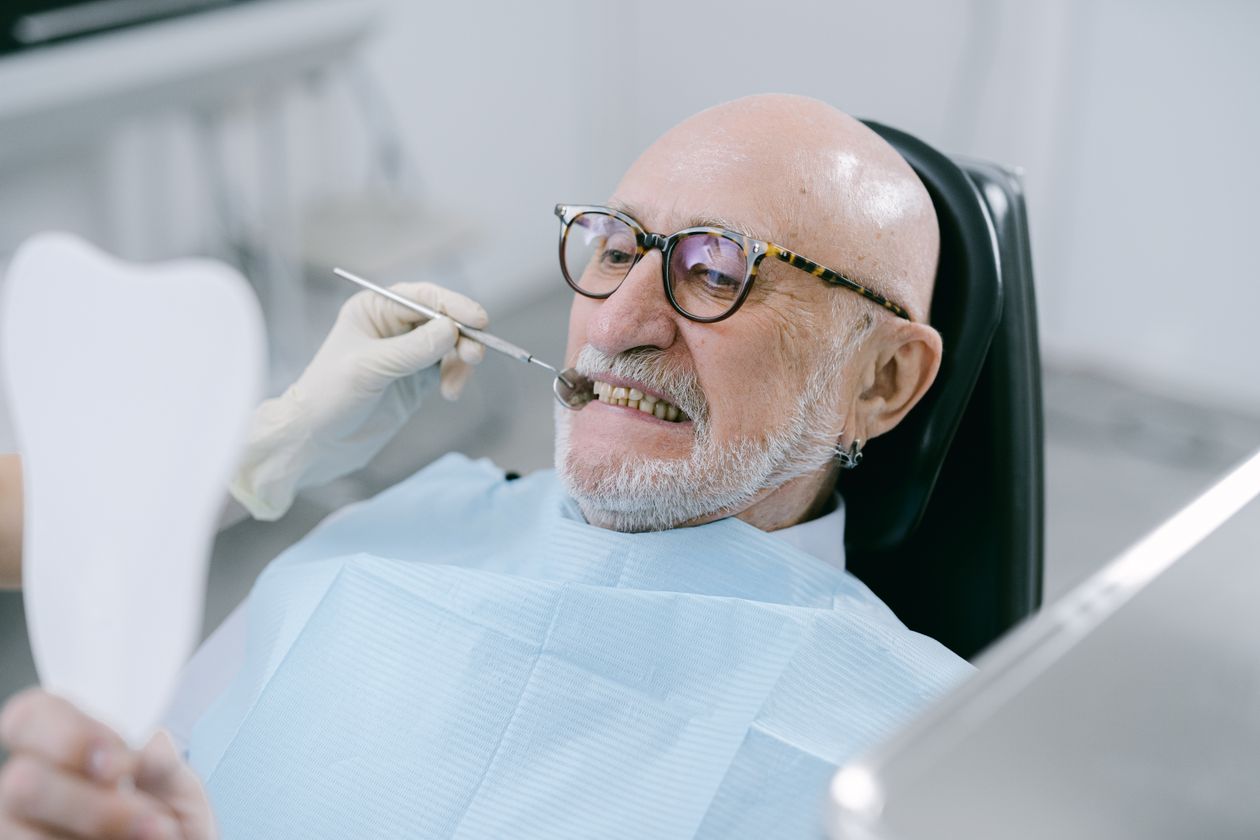
- Bite test: you bite on a small instrument placed on each cusp to find the exact spot that hurts.
- Transillumination: a bright light shone through the tooth can show crack lines.
- Cold and percussion tests: these show whether the nerve is healthy, inflamed or dying.
- Bite analysis: marking paper reveals a restoration that is too high.
- Digital X-rays: to check for decay and bone changes.
- CBCT 3D imaging: when a root fracture or hidden infection is suspected.
- Gum assessment: probing pockets around the tooth for periodontal problems.
Treatment Options by Cause
- High bite: a simple polish and adjustment, often in minutes.
- Small crack or decay: a bonded filling or onlay to hold the tooth together.
- Larger crack: a full crown to brace the tooth and stop the crack from spreading.
- Inflamed or infected nerve: root canal therapy followed by a crown.
- Vertical root fracture: usually extraction, followed by an implant or bridge.
- Gum abscess: drainage, cleaning and periodontal care, sometimes with the SOLEA laser.
- Grinding: a custom night guard and, if needed, TMJ therapy or a sleep assessment.
Traditional Crowns vs CEREC Same-Day Crowns
For cracked teeth, speed matters. A temporary crown worn for two weeks can loosen, and the crack can grow in the meantime.
| Consideration | Traditional crown | CEREC same-day crown |
|---|---|---|
| Appointments | At least two | Usually one |
| Impressions | Putty moulds | Comfortable digital scan |
| Temporary crown | Needed between visits | Not needed |
| Risk of crack progressing while waiting | Higher | Lower |
| Material | Lab-made porcelain or metal-ceramic | High-strength ceramic milled in clinic |
Comparison summary
Both options can last many years with good care. CEREC is ideal for most single cracked or broken teeth, while traditional lab crowns remain useful for complex multi-tooth cases.
What to Expect at Your First Visit
If you are new to the practice, your first appointment for biting pain usually follows a clear sequence so nothing is missed:
- Welcome and health history: medications, medical conditions, sleep quality and dental concerns.
- Focused exam of the painful tooth: bite tests, cold tests and a close look at fillings and crowns.
- Full mouth check: gums, other teeth, jaw joints, muscles and signs of grinding.
- Imaging: digital X-rays, with CBCT scanning added only when needed.
- Explanation of findings: what is happening, what happens if it is left alone, and your choices.
- Relief and planning: immediate care for pain where possible, plus a written plan for the next steps.
Range of Treatments Available Under One Roof
Patients appreciate not being sent elsewhere for each step. A full-service dental office in Oakville can typically provide general and family dentistry, cosmetic treatments such as veneers and whitening, restorative care including root canals, crowns and bridges, dental implants, emergency dentistry, and sleep apnea and TMJ care. Having these services together makes it easier to fix a cracked tooth and then prevent the next one.
Myths About Biting Pain
- Myth: No visible crack means no crack. Fact: Many cracks are microscopic and only show up with special tests.
- Myth: If it only hurts sometimes, it can wait. Fact: Intermittent pain is typical of cracks, and cracks tend to grow.
- Myth: A crown means the tooth is weak forever. Fact: A well-fitted crown restores strength and protects the remaining tooth.
- Myth: Same-day crowns are lower quality. Fact: CEREC crowns are made from durable ceramic and are designed with precise digital scans.
How Biting Pain Can Connect to Sleep and Overall Health
Cracked teeth are frequently found in people who clench or grind at night. Grinding is often linked to stress, but it is also associated with sleep-disordered breathing, where the jaw moves forward during sleep to help open the airway. Treating only the tooth without asking why it cracked can lead to the next tooth cracking.
Palermo Village Dental takes a complete health dentistry approach that connects oral health to systemic wellness. Alongside full dental services, the clinic offers sleep apnea screening and management with MATRx Plus home sleep testing, the SleepImage Ring, and the Solea Sleep laser for snoring. This means the cause of repeated cracks can be investigated, not just the damage repaired.
Patient Scenarios
The mystery molar
A patient felt a sharp zing when biting on seeds, but nothing showed on X-rays. A bite test isolated one cusp, and transillumination revealed a crack. A CEREC crown placed in one visit ended the pain, and a night guard now protects the rest of the teeth.
Pain after a new filling
Another patient developed tenderness two days after a filling. Marking paper showed the filling was slightly high. A few minutes of adjustment brought complete relief.
A tooth that felt “tall”
An adult noticed one lower molar felt raised and throbbed when chewing. Testing showed the nerve had died and infection had formed at the root. Root canal therapy and a crown saved the tooth.
Common Mistakes
- Chewing on the painful side “to test it”
- Waiting until a piece of tooth breaks off
- Assuming pain after new dental work will always settle without an adjustment
- Ignoring grinding as the reason teeth keep cracking
- Using ice chewing or pen biting as stress habits
How to Choose the Best Dentist in Oakville for Cracked Teeth
Look for a team registered with the Royal College of Dental Surgeons of Ontario (RCDSO), with in-house 3D imaging, same-day crown capability, and a willingness to look at grinding and sleep as root causes. Clear communication and written treatment options are signs of a best dentist in Oakville experience.
Palermo Village Dental is one of the best dental clinics in Oakville, with a vision to make 10,000 people in Oakville healthier within 10 years. The clinic is at Suite #290, 2525 Old Bronte Rd, Oakville, ON L6M 4J2, and offers free on-site parking. Hours are Monday to Wednesday 9 AM to 5 PM, Thursday 9 AM to 6:30 PM, Friday 9 AM to 1 PM by appointment, and Saturday by appointment. Contact the team at 647-584-0017 or info@palermovillagedental.com.
Prevention and Maintenance Tips
- Avoid chewing ice, hard candy and popcorn kernels.
- Wear a custom night guard if you grind.
- Use a sports guard for contact sports.
- Replace large old fillings before they fail.
- Attend regular exams so early cracks are spotted.
Disclaimer: This content is educational and does not replace an in-person diagnosis. Please consult a licensed dentist about any persistent pain.
FAQs About Tooth Pain When Biting
Can a cracked tooth heal on its own?
No. Enamel and dentin do not regrow. Treatment can stop a crack from spreading and protect the tooth.
Why does my tooth hurt when I release my bite?
Pain on release is a classic sign of a cracked tooth, as the crack segments snap back together.
Is pain after a filling normal?
Mild sensitivity for a few days can be normal. Pain on biting that does not ease often means the filling needs adjustment.
Will I need a root canal if my tooth hurts when I bite?
Not always. Many causes need only a filling, adjustment or crown. A root canal is needed when the nerve is inflamed beyond recovery or infected.
Can grinding cause pain in teeth when chewing?
Yes. Grinding bruises the ligaments around teeth and can cause cracks, both of which make chewing painful.
Conclusion
Tooth pain when biting is a common signal of a crack, decay, a high restoration or infection, and it rarely fixes itself.
Early diagnosis often means simpler treatment, such as an adjustment or a single-visit crown.
Protecting your teeth from grinding and addressing sleep issues helps stop the problem from returning.