If you’ve ever noticed pain and discomfort in your jaw, like a constant pounding and uncomfortable pulsing feeling, you were probably dealing with something called TMJ disorder. This common problem occurs when you strain or damage the delicate joints and muscles that control your jaw. Fortunately, TMJ disorder is easily treatable.
If your TMJ disorder is caused by a problem with the alignment of your teeth or bite, your dentist may recommend braces or a similar alternative. By restoring a proper structure to your teeth, you’ll be reducing strain on the surrounding area, making braces an effective way to prevent TMJ.
What Is TMJ?
The temporomandibular joint, often referred to as the TMJ, is the hinge-style joint that connects your lower jaw to your skull. It plays a crucial role in your ability to chew, speak, bite down, and move your jaw.
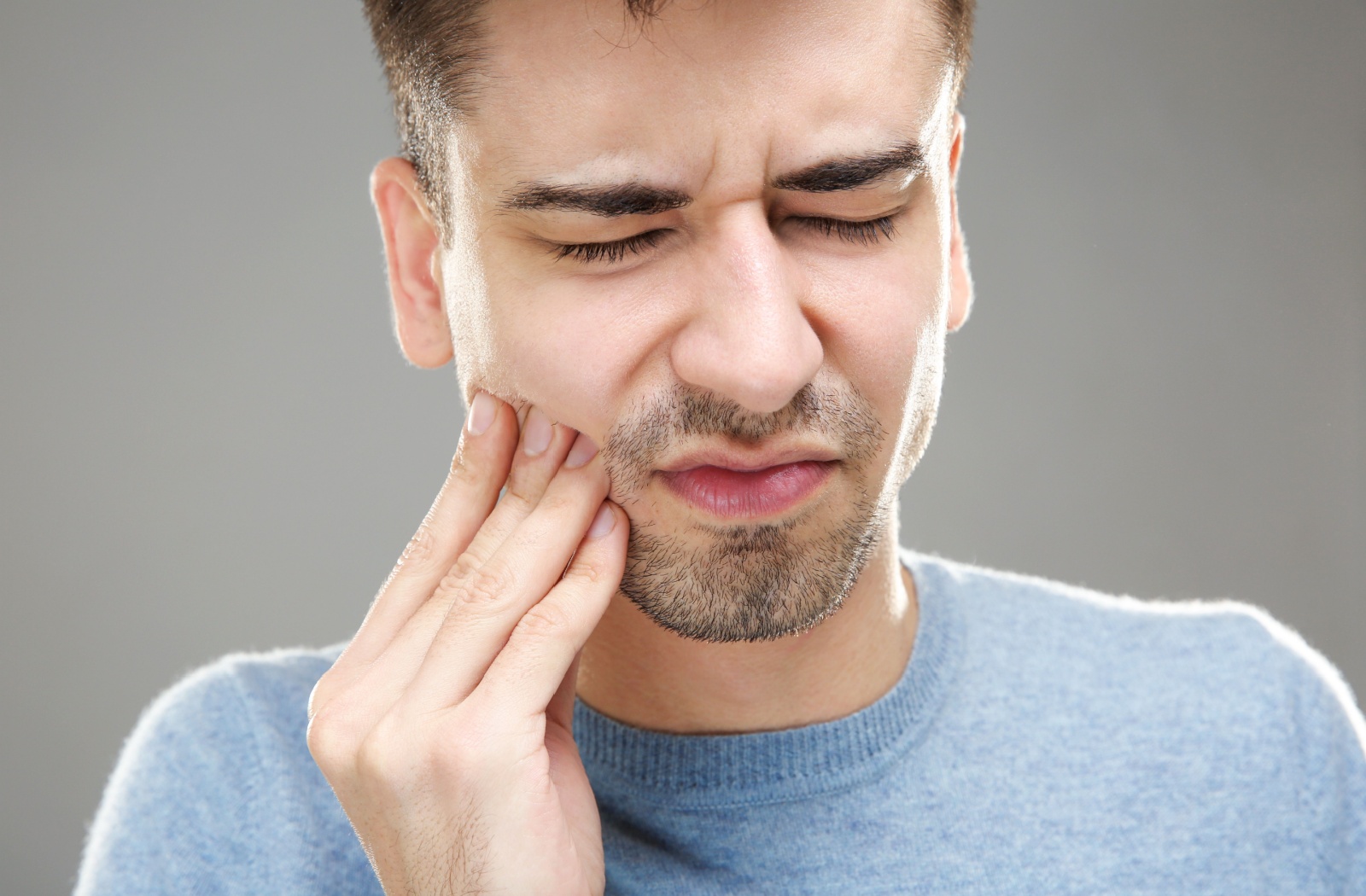
Located on each side of the skull, the TMJ acts as a sort of sliding hinge. When it functions properly, you can smoothly and swiftly move your jaw about as needed. However, when this joint is inflamed or irritated, it quickly leads to a pulsing and pounding feeling.
This condition—also known as TMJ or TMJ disorder—primarily affects the jaw and nearby muscles. It causes pain, discomfort, and overall soreness, making daily activities like talking or eating much more uncomfortable.
The Symptoms of TMJ
Recognizing the symptoms of TMJ is crucial for early diagnosis and treatment. Here are some common signs that you might be dealing with TMJ disorder:
- Jaw pain on one or both sides of the jaw
- Clicking or popping sounds: Sounds when opening or closing your mouth
- Difficulty chewing, and discomfort when biting down and opening your mouth wide.
- Headaches and earaches
- Facial swelling
If you’re dealing with these symptoms, it’s likely TMJ disorder.
What Causes TMJ?
So what exactly causes TMJ? Just like other muscles, the joint of your jaw can only take so much strain. Any habit or event that damages or strains this joint or the surrounding muscles can quickly lead to inflammation.
Some common causes of TMJ disorder include:
- Bite misalignment: When your teeth do not fit together correctly, it can put extra stress on the temporomandibular joint, which can lead to TMJ disorder.
- Injury: Trauma to the jaw, such as a direct blow or whiplash, can damage the temporomandibular joint and result in TMJ symptoms.
- Grinding or clenching teeth: Habitually grinding or clenching your teeth, especially during sleep, can put excessive pressure on the TMJ, which can lead to discomfort and pain.
- Stress: High levels of stress can cause muscle tension in the jaw, exacerbating TMJ symptoms and contributing to their development.
However, identifying the cause of your TMJ pain is only part of the solution.
How to Treat TMJ
If you’re dealing with TMJ, your first step should be to visit the dentist. They’ll be able to assess the area to determine what’s causing your problem.
Usually, treatment involves soothing the area and trying to prevent further problems. Your dentist will likely recommend:
- Using a mouthguard while sleeping to prevent tooth grinding
- Over-the-counter pain relievers and anti-inflammatory medication
- Therapy exercises designed to strengthen, stretch, and loosen the jaw muscles
- Avoiding sticky or chewy foods
Before recommending any treatment, your dentist will need to thoroughly examine the area. They’ll identify the root cause of your symptoms to determine the right way to treat your condition. And if they believe that your problem is being caused by a problem with the alignment of your teeth, they may recommend braces.
Braces for TMJ Pain
Think of your natural bite alignment like a puzzle, with your teeth being the pieces. When they fit together properly, things are smooth and efficient. If the pieces are damaged, misaligned, or shaped incorrectly, the puzzle becomes much more problematic.
Sometimes, your teeth simply don’t fit together as they should. If this is the case, your jaw will naturally be shifted out of place, which can lead to an improper bite. Every time you bite down, chew, or put your teeth together in any way, you’re putting unusual strain on the muscles around your jaw.
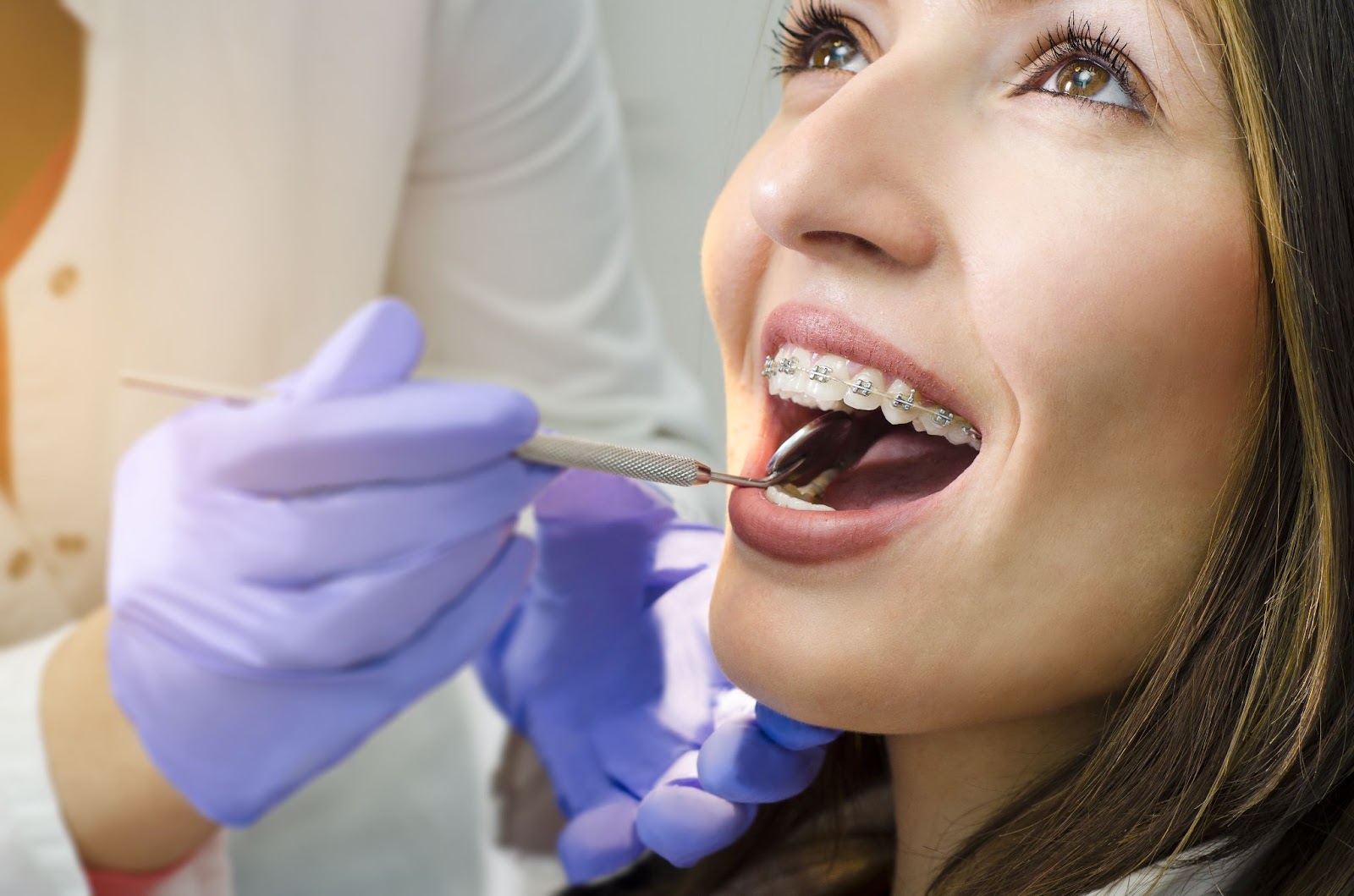
This is when braces can be helpful. Braces can apply pressure to your teeth and gradually shift them towards a more desired position. Over time, this can slowly reduce the symptoms of your TMJ and prevent future problems, making braces an extremely effective way to deal with this condition!
Don’t Deal with TMJ Alone
TMJ pain can be frustrating, but there’s no need to suffer in silence—at Palermo Village Dental, we can help. If you’re dealing with TMJ symptoms, come talk to our team. We can examine the area and provide you with a proper plan going forward so you can find relief from your TMJ. Don’t deal with the discomfort alone; book an appointment with our team today!
Braces and TMJ: what alignment can and cannot do
Clinically reviewed by the Palermo Village Dental team. Our dentists are registered with the Royal College of Dental Surgeons of Ontario (RCDSO). Last reviewed November 2026.
Temporomandibular joint (TMJ) disorders cause jaw pain, clicking, headaches and limited opening. Many factors contribute, including clenching and grinding, stress, injury, arthritis and sometimes the bite. When an uneven bite is a contributing factor, orthodontic treatment with braces or aligners may help by improving how the teeth meet. However, research does not show that braces cure TMJ disorders in general.
Most TMJ pain improves with conservative care first. See TMJ therapy and teeth alignment.
What treatments help TMJ symptoms?
Options often used together.
| Treatment | Helps with | Notes |
|---|---|---|
| Self-care | Mild pain, muscle tension | Soft diet, heat, jaw rest |
| Night guard or splint | Grinding, clenching | Custom made |
| Physiotherapy | Muscle and joint function | Exercises and manual therapy |
| Orthodontics | Bite-related problems | Not a guaranteed fix |
| Medication | Pain and inflammation | As advised by a clinician |
How is TMJ treatment usually planned?
- Exam of jaw joints, muscles and bite.
- Start conservative care and a night guard if needed.
- Reassess symptoms after several weeks.
- Consider orthodontics if the bite is a clear factor.
- Refer to other specialists when needed.
Can braces make TMJ worse?
For most people, orthodontic treatment does not cause TMJ disorders. Some patients notice temporary jaw soreness during treatment, especially when wearing elastics, which usually settles. If you already have jaw pain, tell your dentist before starting braces or aligners. Your plan may include a splint first, gentler forces and closer monitoring. Clear aligners can sometimes help people who grind, because the trays act as a thin barrier, but they are not a substitute for a proper splint.
- TMJ is not usually caused by braces
- Temporary soreness can occur
- Share existing jaw pain before treatment
Self-care for jaw pain
Rest the jaw by choosing softer foods during flare-ups and avoiding gum and very chewy foods. Apply warm compresses to tight muscles. Keep teeth apart when you are not eating, with lips together and the tongue resting gently on the roof of the mouth. Watch for daytime clenching, especially when concentrating. Reduce caffeine and manage stress where you can. Read how long does TMD last.
Signs your jaw problem needs professional care
See a dentist if jaw pain lasts more than two weeks, your jaw locks open or closed, you cannot open wide enough to eat comfortably, your bite suddenly feels different, or pain spreads to your ear, temple or neck. Clicking alone, without pain or limitation, often needs no treatment, but it is worth mentioning at your next visit so it can be monitored.
What is a TMJ splint and how does it work?
A TMJ splint is a custom plastic appliance worn over the teeth, usually at night. It places the jaw in a more relaxed position, spreads biting forces evenly and protects teeth from grinding wear. Many people notice less morning jaw pain and fewer headaches within a few weeks. It is made from a scan of your teeth and adjusted for comfort, which makes it more effective than store-bought guards.
Frequently asked questions
Can braces fix TMJ?
They may help when the bite contributes, but they are not a guaranteed cure.
Can braces cause TMJ?
Usually not; temporary soreness can happen.
What is the first treatment for TMJ?
Conservative care such as self-care and a night guard.
Does Invisalign help TMJ?
It may help bite-related issues; it is not a splint.
How long does TMJ pain last?
Many cases improve within weeks to months.
Can stress cause TMJ?
Yes, through clenching and muscle tension.
Do I need surgery?
Rarely; most cases respond to conservative care.
Can TMJ affect sleep?
Yes. See TMJ and sleep apnea.
Is TMJ treatment covered?
Some plans cover splints and therapy.
Where can I get TMJ care in Oakville?
Palermo Village Dental offers TMJ therapy.
This page is general information and is not a diagnosis. Your dentist will recommend treatment after an examination. Reviewed by the Palermo Village Dental team, November 2026.
Book a visit at Palermo Village Dental
2525 Old Bronte Rd #290, Oakville, ON L6M 0R4. New and CDCP patients welcome. Read our Google reviews.