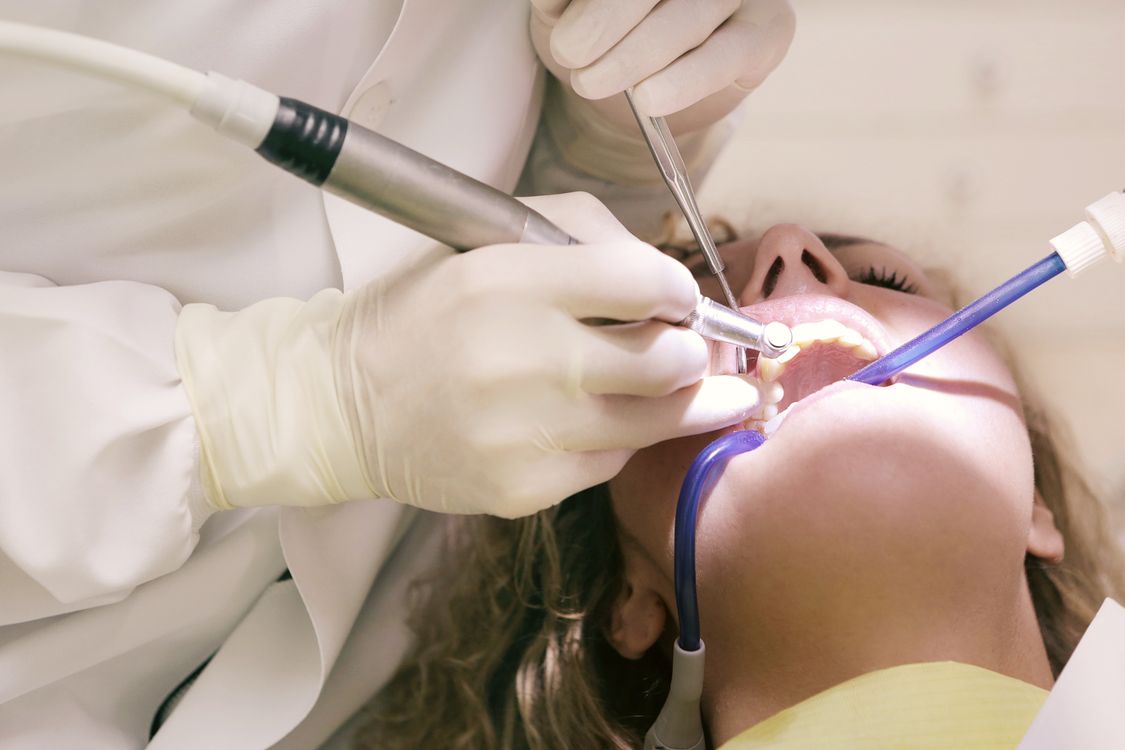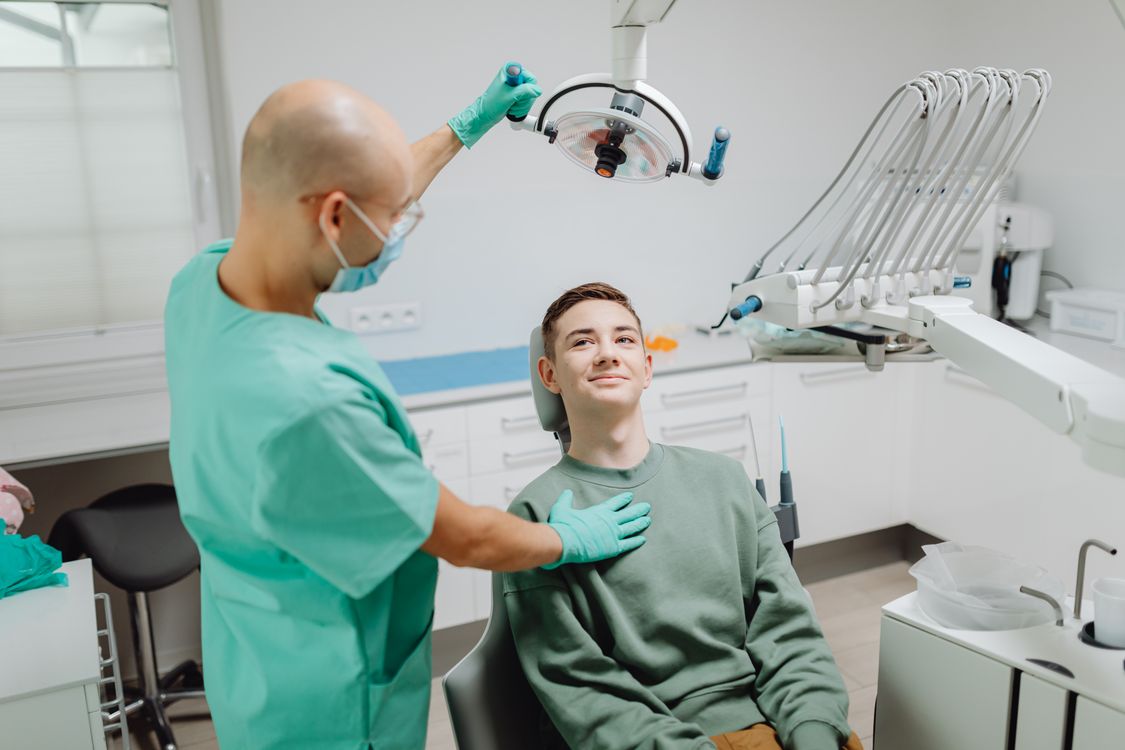
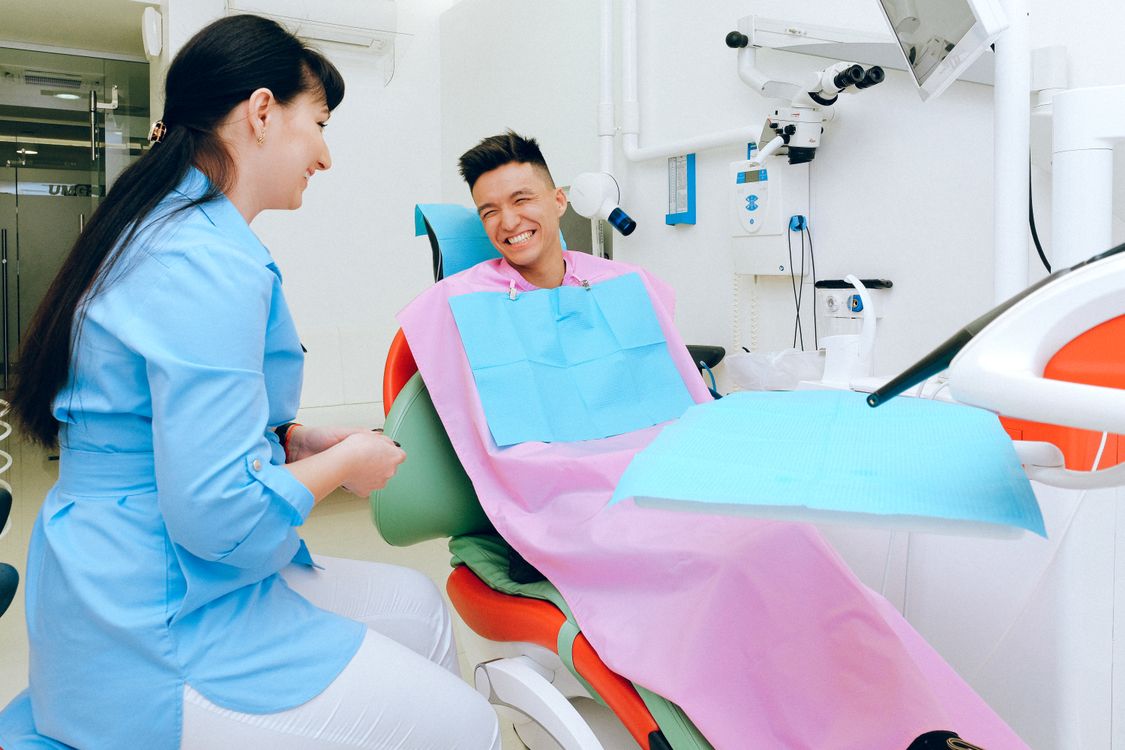
Yes, a dentist can often spot warning signs of sleep apnea during a regular exam, such as worn or cracked teeth from grinding, a scalloped tongue, a narrow jaw or airway, and signs of mouth breathing. A dentist can’t formally diagnose obstructive sleep apnea in Ontario, but they can screen for it, arrange a home sleep test, and work with a physician who confirms the diagnosis. Sleep apnea is common, often undiagnosed and serious if left untreated, so a dental screening at a clinic offering snoring and sleep apnea treatment can be a very practical first step.
Your dentist sees you more often than most doctors do. Twice a year, someone is looking closely at your teeth, tongue, throat and jaw. That makes the dental chair a surprisingly good place to catch early clues.
Once a physician confirms the diagnosis, the dental team can help with sleep apnea management, including custom oral appliances for suitable patients.
At our top dental office in Oakville, screening is built into regular checkups. Jaw pain and clenching are often part of the picture too, which links sleep to TMJ therapy. If it’s been a while since your last checkup, routine general dentistry visits are where most of these signs are first noticed, and you can book an appointment online.
Definition
Obstructive sleep apnea (OSA) is a condition where the airway repeatedly narrows or collapses during sleep, causing breathing to pause or become very shallow. These pauses lower oxygen levels and fragment sleep, often many times per hour.
What signs can a dentist see?
In your teeth
- Flat, worn or chipped teeth from night grinding (bruxism)
- Cracked teeth or broken fillings with no clear cause
- Acid erosion, which can be linked to night-time reflux, a common companion of sleep apnea
In your mouth and throat
- A scalloped tongue, with tooth marks along the edges
- A large tongue relative to the mouth
- Large tonsils or a long soft palate
- A narrow, high-arched palate
- Redness at the back of the throat from snoring
In your jaw and face
- A smaller or set-back lower jaw
- Jaw joint pain, clicking or tight chewing muscles
- Signs of mouth breathing, like dry, inflamed gums at the front
One sign on its own doesn’t mean much. Several together raise suspicion.
Symptoms you might notice yourself
- Loud, frequent snoring
- A partner noticing pauses in your breathing or gasping
- Waking up tired after a full night in bed
- Morning headaches or a dry mouth
- Daytime sleepiness, especially while driving or reading
- Waking up often to urinate at night
- Trouble concentrating or mood changes
How does dental screening for sleep apnea work?
- Questionnaires. Simple tools like the STOP-BANG questionnaire and the Epworth Sleepiness Scale assess your risk.
- Oral and airway exam. The dentist looks at your teeth, tongue, palate, tonsils and jaw.
- Imaging. A CBCT 3D scan can show the shape and size of the upper airway.
- Home sleep testing. Devices like MATRx Plus or the SleepImage Ring record breathing, oxygen levels and sleep patterns at home.
- Physician review. Results are reviewed by a qualified physician, who makes the diagnosis.
- Treatment planning. Your dentist and physician work together on the best treatment option.
Dentist vs sleep physician: who does what?
| Task | Dentist | Physician |
|---|---|---|
| Notice warning signs | Yes | Yes |
| Screening questionnaires | Yes | Yes |
| Arrange home sleep test | Often | Yes |
| Formal diagnosis | No | Yes |
| Prescribe CPAP | No | Yes |
| Make and fit oral appliances | Yes | Prescribes or refers |
| Monitor teeth and jaw on oral appliance | Yes | Monitors overall response |
What treatments are available?
CPAP
A continuous positive airway pressure machine keeps the airway open with gentle air pressure. It’s very effective, especially for moderate to severe sleep apnea, but some people find it hard to use every night.
Oral appliance therapy
A custom mouthpiece holds the lower jaw slightly forward during sleep, which helps keep the airway open. It’s commonly used for mild to moderate sleep apnea and for people who can’t tolerate CPAP.
Laser treatment for snoring
Some clinics offer non-invasive laser treatments, such as Solea Sleep, that aim to tighten soft tissue at the back of the mouth to reduce snoring. It’s mainly for snoring, and a sleep test helps confirm whether apnea is also present.
Lifestyle changes
Weight management, avoiding alcohol before bed, sleeping on your side and treating nasal congestion can all help.
| CPAP | Oral appliance | |
|---|---|---|
| Best for | Moderate to severe OSA | Mild to moderate OSA, CPAP intolerance |
| How it works | Air pressure through a mask | Moves the lower jaw forward |
| Portability | Machine, hose and mask | Fits in a small case |
| Common issues | Mask discomfort, noise, dry nose | Jaw soreness, bite changes over time |
| Who provides it | Physician prescribes, supplier fits | Dentist makes and adjusts |
Safety note: Untreated sleep apnea is linked to high blood pressure, heart disease, stroke, type 2 diabetes and a higher risk of car accidents from daytime sleepiness. If you feel very sleepy while driving, pull over and avoid driving until you’re assessed. Snoring alone does not always mean sleep apnea, but it’s worth checking.
Why sleep apnea matters for overall health
Every breathing pause drops oxygen levels and triggers a stress response. Over months and years, that strain affects blood pressure, heart rhythm, metabolism and mood.
This is a big part of complete health dentistry. A dentist who notices worn teeth may be the first person to connect them to a sleep problem that’s affecting the whole body.
Common mistakes people make
- Assuming snoring is harmless
- Thinking only overweight older men get sleep apnea
- Buying an over-the-counter snoring mouthguard without a sleep test
- Repairing broken teeth over and over without asking why they’re breaking
- Giving up on treatment after one uncomfortable night
Why do people with sleep apnea grind their teeth?
One theory is that when the airway narrows, the body tenses the jaw muscles and pushes the jaw forward to reopen it. That movement can show up as clenching and grinding.
Not everyone who grinds has sleep apnea, and not everyone with sleep apnea grinds. But when a dentist sees heavy wear plus other airway signs, it’s worth asking about sleep. A regular night guard can protect teeth, though in some people with sleep apnea a standard guard may not be the right device, which is another reason to screen first.
Living with an oral appliance
- Start slowly. Some people wear it for part of the night for the first few nights.
- Expect mild jaw or tooth soreness in the morning for the first couple of weeks.
- Use a morning repositioner if your dentist gives you one, to help your bite settle after waking.
- Clean it daily with cool water and a soft brush. Avoid hot water and toothpaste.
- Keep follow-up visits. The device is adjusted gradually until breathing and snoring improve.
- Repeat a sleep test once adjusted, to confirm the appliance is working.
What happens at your first sleep screening visit?
- You fill in short sleep and health questionnaires.
- Your dentist examines your teeth, tongue, throat, jaw and bite.
- Your neck size, blood pressure history and medications may be discussed.
- A CBCT airway scan may be recommended.
- If your risk looks elevated, a home sleep test is arranged.
- Results go to a physician, and you come back to discuss the next step.
The screening itself takes about as long as a regular checkup. Most of the work happens at home, in your own bed.
Myths about sleep apnea and dentistry
Myth: Dentists have nothing to do with sleep
Dentists are often the first to notice signs, and they provide oral appliances, one of the main treatments.
Myth: Only people who snore loudly have sleep apnea
Many people with sleep apnea snore, but some don’t. Daytime fatigue and grinding can be signs too.
Myth: A store-bought mouthguard is just as good
Generic devices can stop snoring while hiding untreated apnea, and they can harm your bite. Custom appliances are fitted and adjusted after a diagnosis.
Myth: Children don’t get sleep apnea
Children can have it too, often linked to large tonsils or adenoids. Signs include snoring, mouth breathing, bedwetting and behaviour problems.
Patient scenarios
The cracked molars. A 45-year-old has cracked 2 molars in a year. His dentist notices heavy wear and a scalloped tongue. A home sleep test suggests moderate sleep apnea, and his physician confirms it.
The CPAP struggle. Another patient can’t tolerate CPAP. After physician approval, she’s fitted with a custom oral appliance and reports sleeping through the night for the first time in years.
The snorer without apnea. A third patient’s home sleep test shows snoring but no significant apnea. Laser treatment for snoring and side sleeping help, and his partner is grateful.
Choosing a sleep apnea dentist in Oakville
Look for a clinic that uses validated screening tools, offers home sleep testing, and works with physicians. Oral appliances should be custom-made and adjusted over time. Your dentist should be registered with the Royal College of Dental Surgeons of Ontario (RCDSO).
Sleep apnea screening at Palermo Village Dental
Palermo Village Dental is one of the best dental clinics in Oakville, with a vision to make 10,000 people in Oakville healthier within 10 years. Our complete health dentistry approach connects oral health, sleep and overall wellness.
We use CEREC same-day crowns, the SOLEA laser, CBCT 3D imaging, MATRx Plus home sleep testing, the SleepImage Ring and Solea Sleep laser treatment for snoring, along with sleep apnea screening and management and full general, cosmetic, restorative, implant and emergency dentistry. If you’ve been searching for a sleep apnea dentist Oakville families trust, we’re happy to start with a simple screening.
Visit us at Suite #290, 2525 Old Bronte Rd, Oakville, ON L6M 4J2, with free on-site parking. Call 647-584-0017 or email info@palermovillagedental.com. Our hours are Monday to Wednesday 9 AM to 5 PM, Thursday 9 AM to 6:30 PM, Friday 9 AM to 1 PM by appointment, and Saturday by appointment.
Frequently asked questions
Can my dentist diagnose sleep apnea?
A dentist can screen for warning signs and arrange a home sleep test, but in Ontario the formal diagnosis is made by a physician. Your dentist and doctor can then work together on treatment.
What signs of sleep apnea do dentists look for?
Common signs include worn or cracked teeth from grinding, a scalloped tongue, a narrow jaw or palate, large tonsils, acid erosion and signs of mouth breathing.
Is a home sleep test accurate?
Home sleep tests are reliable for detecting obstructive sleep apnea in many adults. Some people still need an overnight lab study, depending on their symptoms and health.
Do oral appliances work for sleep apnea?
For many people with mild to moderate obstructive sleep apnea, custom oral appliances reduce breathing pauses and snoring. They’re also an option for people who can’t tolerate CPAP.
Can grinding my teeth be a sign of sleep apnea?
It can be. Night grinding is often seen alongside sleep apnea, though it has other causes too. A screening can help find out if the two are connected.
Conclusion
Your dentist can often spot early signs of sleep apnea in your teeth, tongue and jaw.
A home sleep test and physician diagnosis confirm it, and oral appliances can be part of treatment.
Palermo Village Dental can screen you during a routine visit and guide the next steps.