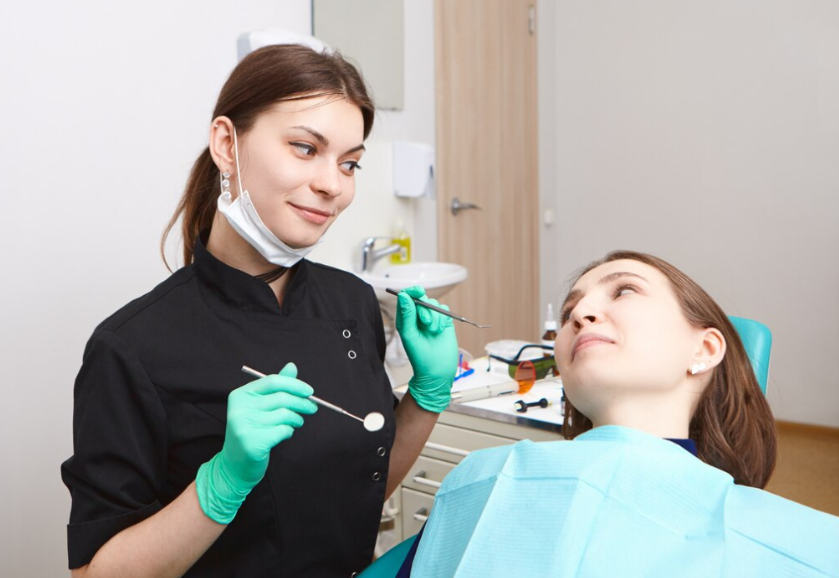
What to eat after dental surgery is one of the most common questions patients have following procedures such as tooth extractions, dental implant placement, bone grafting, and other oral surgeries. The right diet during recovery plays a critical role in reducing discomfort, protecting the surgical site, and supporting faster healing. The general recommendation is to start with soft, room-temperature or cool foods immediately after surgery and gradually reintroduce firmer foods as healing progresses. Palermo Village Dental, one of the trusted dental clinics in Oakville, provides every patient with detailed post-operative guidance as a trusted Dental Clinic in Oakville committed to smooth recoveries and excellent outcomes.
Dental surgery places the oral tissues in a vulnerable state. Blood clots form at surgical sites to begin the healing process, and the surrounding gum and bone tissue begin to repair. The foods you choose during this period can either support this process or interfere with it, making dietary choices one of the most important aspects of post-surgical care.
Palermo Village Dental at 2525 Old Bronte Rd #290, Oakville, ON L6M 0R4, provides thorough post-operative instructions as part of its commitment to outstanding Dental Care in Oakville. The team walks every patient through the recovery process in detail, including what foods to eat, what to avoid, and how to manage discomfort at home.
.
Why Diet Matters After Dental Surgery
Following dental surgery, the treated area is sensitive, swollen, and in the early stages of tissue repair. Several important reasons make dietary choices particularly significant during recovery:
• Hard or crunchy foods can dislodge blood clots that are essential to healing
• Spicy or acidic foods can irritate surgical sites and cause pain or inflammation
• Very hot foods and beverages can increase swelling and interfere with clot stability
• Sticky foods can pull at sutures or adhere to the wound site
• Inadequate nutrition slows the healing process and may compromise immune response
• Using straws creates a vacuum in the mouth that can dislodge healing clots and cause dry socket
In the event of complications during your recovery, the Dental Surgery in Oakville team at Palermo Village Dental is available to assess the situation and provide appropriate care to get your recovery back on track.
What to Eat in the First 24 Hours After Dental Surgery
The first 24 hours are the most critical period of your recovery. During this time, the surgical site is at its most vulnerable, and dietary choices have the greatest impact on initial healing. Recommended foods include:
• Yogurt, which is smooth, cool, and rich in protein and probiotics that support immune function
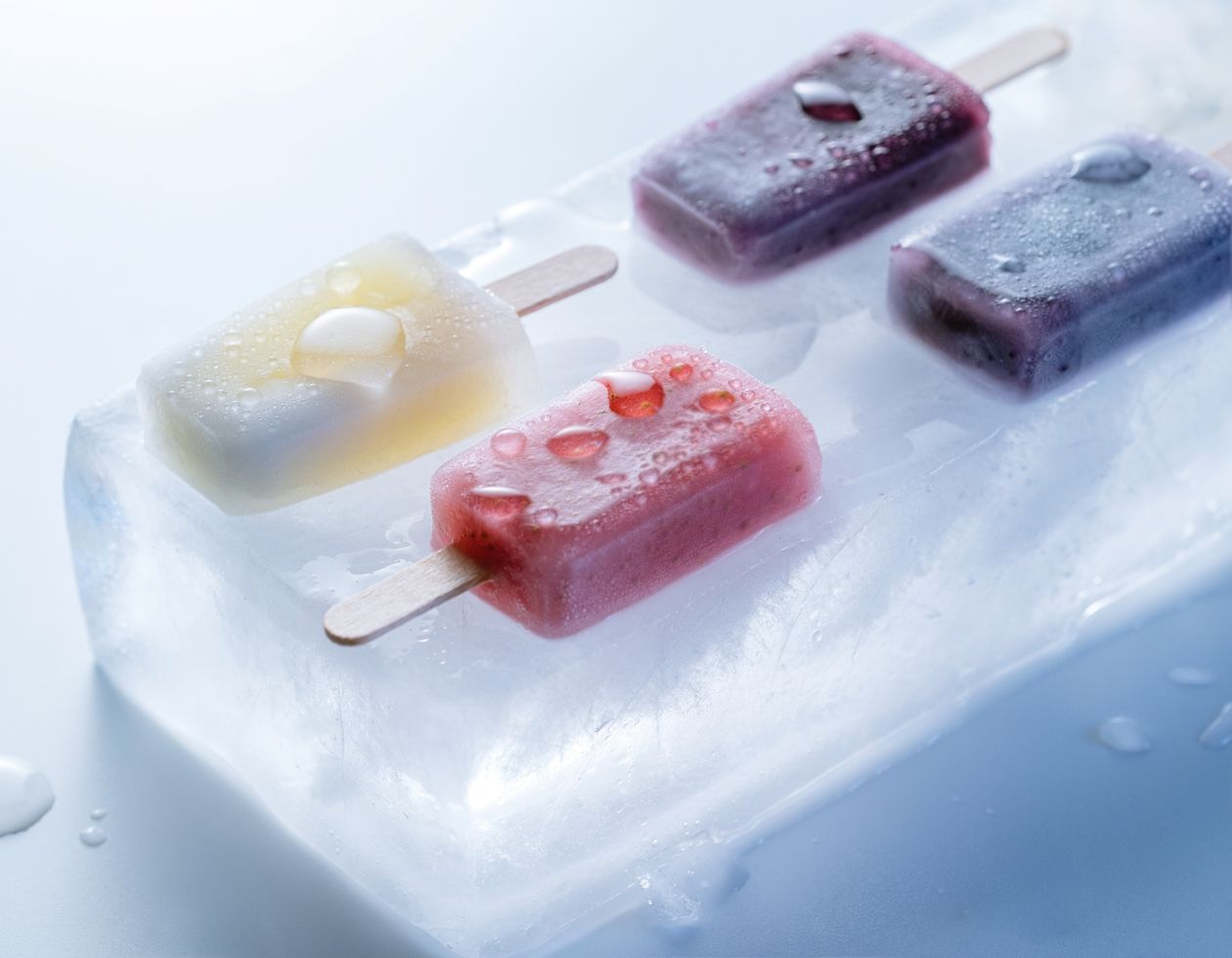
• Ice cream or frozen yogurt, which can also help reduce swelling through cold temperature
• Smoothies made without a straw, using a spoon or cup to avoid suction
• Applesauce, which provides carbohydrates without any chewing requirement
• Pudding or custard for additional calorie and protein intake
• Broth-based soups served lukewarm, not hot, for fluid and nutrient intake
• Mashed potatoes without chunks or toppings that require chewing
What to Eat During Days 2 to 7 After Dental Surgery
As healing progresses and swelling begins to reduce, slightly more textured foods can be gradually reintroduced. Options that are easy to eat without significant chewing effort include:
• Scrambled eggs, which are soft, protein-rich, and easy to eat
• Oatmeal or cream of wheat prepared to a smooth consistency
• Mashed or pureed vegetables such as sweet potato, butternut squash, or avocado
• Soft-cooked pasta or rice with a gentle sauce, avoiding anything spicy
• Soft fish such as tilapia or salmon that flakes easily without resistance
• Banana, which is soft, nutritious, and easy to eat without pressure
• Tofu, which provides protein without the need for chewing
Foods to Avoid After Dental Surgery
Knowing what not to eat is just as important as knowing what to eat. Avoid the following until your dental team confirms that you have healed sufficiently:
• Hard or crunchy foods such as chips, crackers, nuts, and raw vegetables
• Chewy foods such as tough meats, bagels, and candies that require sustained jaw pressure
• Spicy foods that can irritate and inflame the surgical site
• Hot foods and beverages that can increase swelling and dislodge clots
• Acidic foods such as citrus fruits and tomatoes that can sting open tissue
• Alcohol, which can interact with prescribed medications and slow healing
• Carbonated beverages, which create bubbles and suction that stress the surgical site
• Seeds and small grains that can lodge in the surgical site and cause infection
Nutritional Priorities During Recovery
Healing requires adequate nutrition. Focus on getting enough of the following nutrients through soft, safe food choices:
• Protein from sources such as yogurt, eggs, soft fish, and tofu to support tissue repair
• Vitamin C from smoothies made with mango or papaya to support collagen synthesis
• Calcium from dairy products or fortified plant-based alternatives to support bone healing
• Vitamin D from fortified foods or supplements to aid calcium absorption
• Iron from blended legumes or soft-cooked lentils to support blood cell production
• Hydration from water, diluted juice, and lukewarm broths throughout the day
Common Patient Mistakes After Dental Surgery
• Using a straw, which is one of the most common causes of dry socket
• Returning to a normal diet too quickly before the surgical site has healed
• Not eating at all for fear of discomfort, which leads to nutritional deficiency and slower healing
• Skipping prescribed pain medication, which can lead to avoidable discomfort that interferes with eating
• Consuming alcohol while on prescribed antibiotics or pain medications
When to Gradually Return to Normal Eating
Most patients can begin reintroducing more textured foods by the end of the first week, depending on the type and complexity of the surgery. Wisdom tooth extractions typically allow for a gradual return to normal eating within one to two weeks. More complex procedures such as bone grafting or multiple implant placements may require a longer soft diet phase. Always follow the specific guidance provided by your dental team and do not rush the transition.
For any questions or concerns during your recovery, call +1(647) 584-0017 or email info@palermovillagedental.com. A caring and experienced Dentist in Oakville or dental care team member will be happy to advise you and address any concerns that arise during your healing period
Frequently Asked Questions
Q1: Can I eat hot food the day after dental surgery?
It is best to avoid very hot foods and beverages for at least 48 hours following dental surgery. Hot temperatures can increase swelling and may dislodge the blood clot at the surgical site. Opt for foods served at room temperature or slightly cool during this period.
Q2: When can I eat solid foods after a tooth extraction?
Most patients can begin eating soft solid foods after 24 to 48 hours and gradually reintroduce firmer textures by the end of the first week. However, this timeline varies based on the complexity of the extraction and how well healing is progressing. Follow your dentist’s specific post-operative instructions.
Q3: Is it normal not to feel hungry after dental surgery?
Yes, reduced appetite is common after dental surgery due to anaesthesia effects, swelling, and pain. However, maintaining adequate nutrition is important for healing, so try to consume soft, nutrient-dense foods regularly, even if your appetite is reduced. Smoothies and broths are easy ways to get calories and nutrients without much effort.
Q4: Can I drink coffee after dental surgery?
Coffee should be avoided for at least 24 hours after surgery because of its high temperature and its potential to increase blood pressure and interfere with clotting. After the first day, coffee can be consumed if it is allowed to cool to room temperature and is not consumed with a straw.
Q5: What should I do if eating causes severe pain several days after surgery?
Some discomfort when eating is expected in the first few days of recovery. However, severe pain that is worsening rather than improving after the first few days may indicate a complication such as dry socket or infection. Contact Palermo Village Dental promptly so the team can assess your condition and provide appropriate care.
Conclusion
Knowing what to eat after dental surgery is essential for a smooth, comfortable, and successful recovery. By choosing soft, nutritious foods and avoiding anything that could disrupt healing, you give your body the best possible chance to recover quickly and fully. Palermo Village Dental at 2525 Old Bronte Rd #290, Oakville, ON L6M 0R4, telephone +1(647) 584-0017, email info@palermovillagedental.com, is here to support you through every stage of your dental surgery experience.
Soft food plan after dental surgery
Clinically reviewed by the Palermo Village Dental team. Our dentists are registered with the Royal College of Dental Surgeons of Ontario (RCDSO). Last reviewed November 2026.
After extractions, implants or gum surgery, soft, cool foods protect the healing area and keep you nourished. For the first day, choose smooth foods that need no chewing. Over the next few days, add soft foods you can mash with a fork, chewing on the other side. Most people return to a normal diet within one to two weeks.
See dental implants and emergency dental care.
What can you eat after dental surgery?
A simple plan by day.
| Time | Good choices | Avoid |
|---|---|---|
| Day 1 | Yogurt, smoothies (no straw), broth, applesauce | Hot drinks, straws, alcohol |
| Days 2 to 3 | Eggs, mashed potatoes, oatmeal, soup | Crunchy, spicy, chewy foods |
| Days 4 to 7 | Pasta, fish, soft vegetables, rice | Seeds, nuts, chips |
| Week 2 | Gradual return to normal | Very hard foods near the site |
What other aftercare steps help healing?
- Keep food lukewarm on the first day
- Chew on the opposite side
- Drink plenty of water
- Avoid straws, spitting and smoking.
- Keep food lukewarm for the first day.
- Rinse gently with salt water from day two.
- Brush other teeth carefully.
- Call us if pain or swelling worsens after day three.
What is a dry socket and how is it avoided?
A dry socket happens when the blood clot in an extraction site breaks down or is dislodged early, exposing bone. It causes throbbing pain a few days after surgery. Avoiding straws, spitting, smoking and hard rinsing for the first days protects the clot. If pain worsens after day three, call us for a soothing dressing.
- No straws for several days
- No smoking or vaping
- No forceful spitting or rinsing on day one
Frequently asked questions
What can I eat right after dental surgery?
Cool, smooth foods like yogurt and smoothies without a straw.
When can I eat solid food?
Gradually over a week, chewing on the other side.
Can I drink coffee?
Wait until the numbness wears off and keep it lukewarm.
Why avoid straws?
Suction can dislodge the blood clot.
Can I eat ice cream?
Yes, plain ice cream is fine and soothing.
Should I avoid dairy?
Only if your surgeon advises it.
Can I eat spicy food?
Avoid it for a few days.
When can I drink alcohol?
Avoid it for at least 24 to 48 hours, longer if on medication.
What if food gets in the socket?
Rinse gently with salt water after day one.
Where can I get dental surgery in Oakville?
Palermo Village Dental. Book now.
This page is general information and is not a diagnosis. Your dentist will recommend treatment after an examination. Reviewed by the Palermo Village Dental team, November 2026.
Book a visit at Palermo Village Dental
2525 Old Bronte Rd #290, Oakville, ON L6M 0R4. New and CDCP patients welcome. Read our Google reviews.