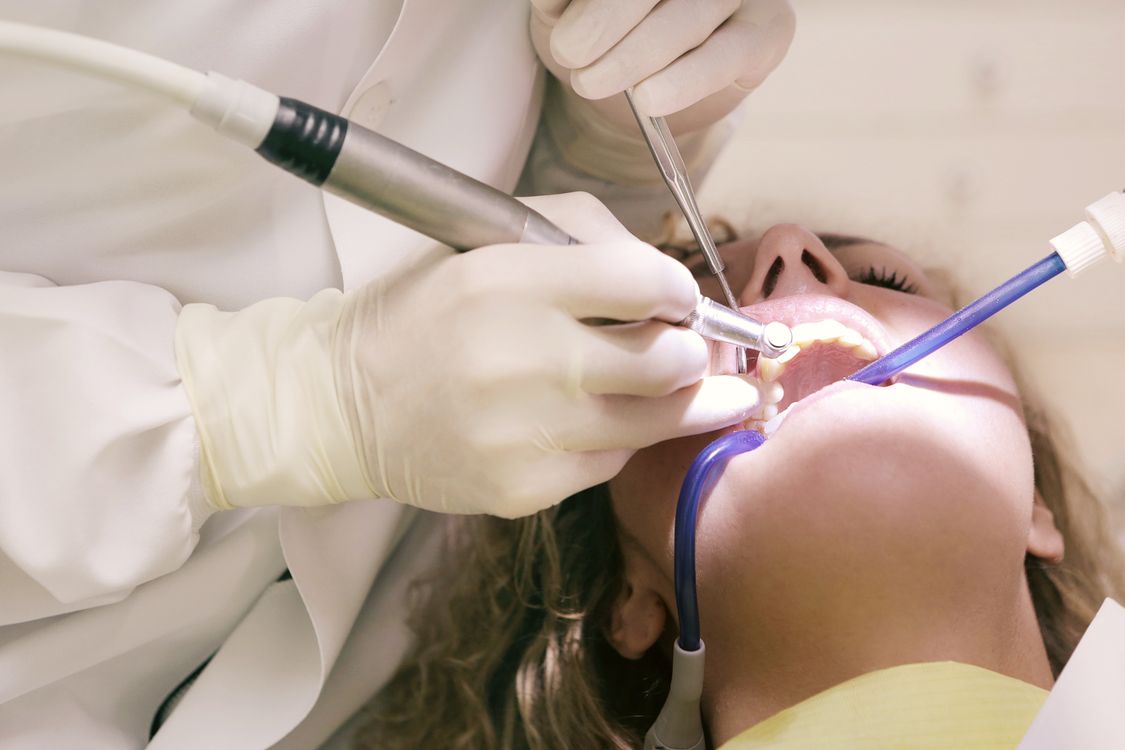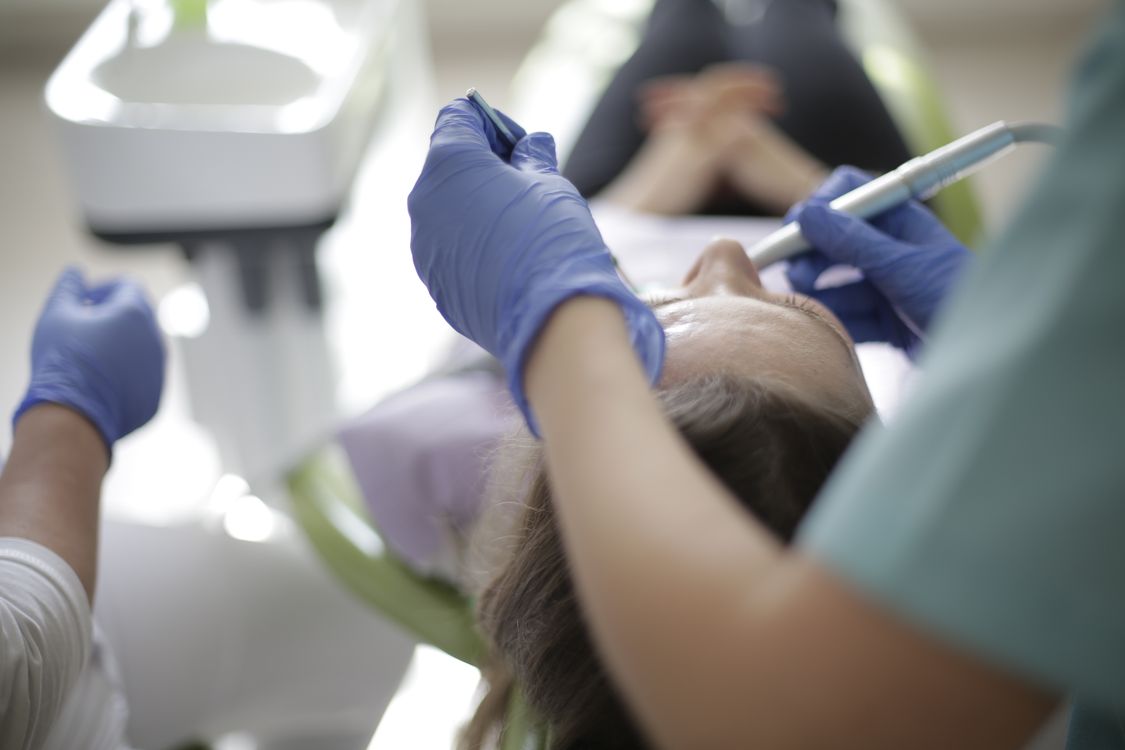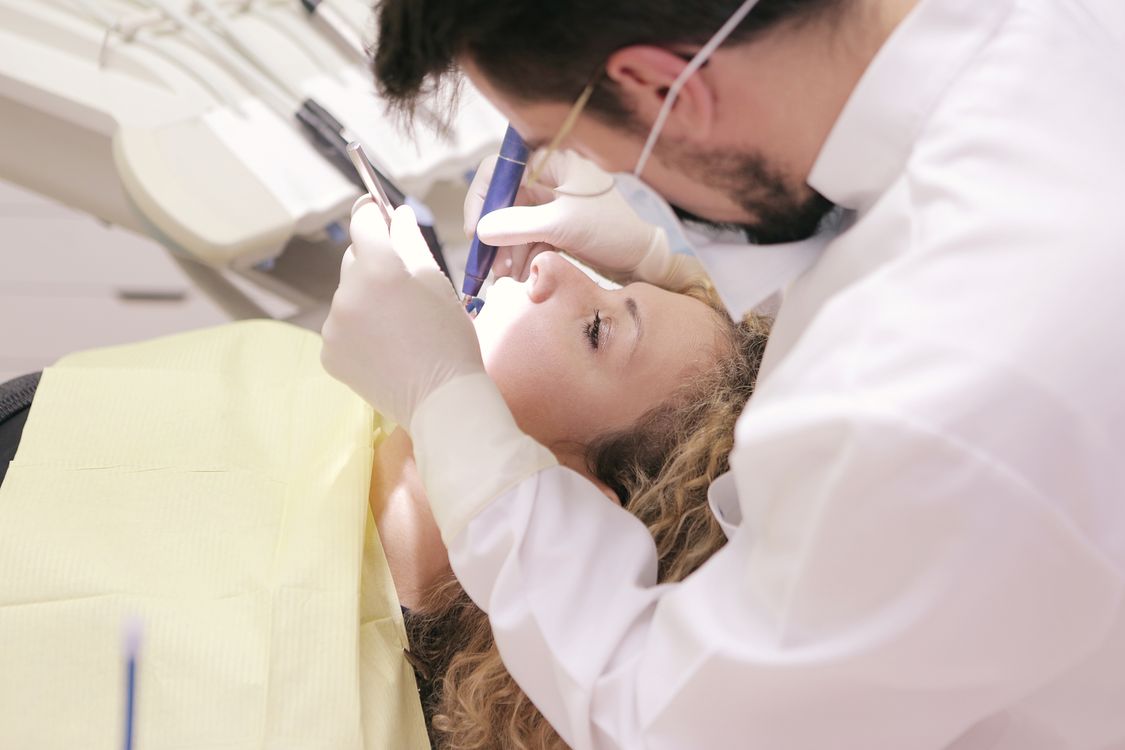
Yes, you can get veneers on your bottom teeth, though it’s less common than on the top teeth because lower teeth are smaller, have thinner enamel and take a lot of force from the upper teeth when you bite. Lower veneers work well for chips, wear, small gaps, staining or uneven edges, especially when they’re planned together with upper veneers so both arches match. It’s a safe, established cosmetic option for the right person, and a careful bite assessment during a dental veneers consultation decides whether you’re a good fit.
Most people think about their top teeth when they picture their smile, and that’s where most cosmetic work starts. That’s a natural place to begin. But many people show more of their lower teeth when they talk, and that becomes even more true with age, as the lips relax.
If your lower teeth are crowded, teeth alignment first can often make veneers simpler, or even unnecessary.
If colour is the main issue, teeth whitening might do the job without any reshaping. And because the lower front teeth take a lot of pressure from grinding, a check through TMJ therapy assessment is a sensible part of planning at our top dental office in Oakville.
Short answer
Yes, lower veneers are possible. They suit chipped, worn, stained or slightly uneven lower teeth. They need careful planning because lower teeth are thinner and take more bite force. Grinders need protection with a night guard, and crowded teeth often benefit from alignment first.
Why are lower veneers less common?
- Visibility. Upper teeth show more in a typical smile, so people focus there first.
- Size. Lower front teeth are narrow and thin, leaving less room to work.
- Enamel thickness. Lower incisors have thinner enamel, so preparation must be very conservative.
- Bite forces. Upper teeth close in front of the lower teeth, pressing on their edges. Veneers on lower edges take that force.
- Crowding. Lower front teeth often crowd with age, which may need alignment first.
Who is a good candidate for lower veneers?
- People with chipped or worn lower front teeth
- Stains that whitening won’t remove
- Small gaps or uneven lengths
- Patients getting upper veneers who want both arches to match
- Healthy gums, no active decay and good daily brushing habits
- A stable bite, or a bite that will be protected with a night guard
Who might need a different plan?
- Heavy grinders or clenchers without a protection plan
- Severely crowded lower teeth
- Edge-to-edge bites where front teeth meet directly
- Active gum disease or recession
- Very thin teeth with little enamel left
Lower veneers vs other options
| Option | Best for | Pros | Trade-offs |
|---|---|---|---|
| Porcelain veneers | Chips, wear, stains, shape changes | Stain resistant, long lasting | Some enamel removal, permanent |
| Composite bonding | Small chips and gaps | Little or no enamel removal, easy to repair | Stains and chips more easily |
| Teeth whitening | Colour only | No reshaping | Won’t fix shape or chips |
| Teeth alignment | Crowding, rotations | Moves teeth, may avoid veneers | Takes months |
| Crowns | Heavily damaged teeth | Full protection | Removes more tooth |
How lower veneers are planned and placed
- Consultation. Your goals, smile photos and a full exam.
- Bite and jaw check. Signs of grinding, jaw tension or airway issues are assessed.
- Digital records. Scans and, if needed, CBCT imaging.
- Smile design. A digital plan or trial mock-up shows the planned shape on your teeth.
- Preparation. A very thin layer of enamel is removed, sometimes less than half a millimetre. Some cases need little or none.
- Scan and temporaries. A digital scan is taken, and temporaries may be placed while the veneers are made.
- Bonding. The final veneers are tried in, adjusted and bonded.
- Protection. A night guard is made if you grind.
Traditional lab veneers vs CEREC same-day ceramic
| Lab veneers | CEREC same-day ceramic | |
|---|---|---|
| Visits | 2 to 3 | Often 1 |
| Temporaries | Yes | No |
| Shade detail | Very detailed, layered porcelain | Very good for single teeth |
| Best for | Several teeth, full smile makeovers | Repairing a single lower tooth |
For a full upper and lower makeover, lab veneers usually give the finest colour control. For one chipped lower tooth, a same-day restoration can work very well.
Safety note: Veneer preparation removes enamel permanently, so veneers are not reversible. Lower teeth have thin enamel, so choose a dentist who plans conservatively. Gum disease, decay and grinding should be addressed before veneers are placed.
What do lower veneers feel like day to day?
Once you’re used to them, well-made lower veneers feel like your own teeth. They’re very thin, often around half a millimetre, and bonded firmly to the enamel. Most patients stop noticing them within a couple of weeks.
You’ll brush and floss them the same way as natural teeth. The main difference is being a little more careful with habits like nail biting or chewing on pens, which put sharp force on the thin edges of lower teeth.
At checkups, your hygienist will polish them with gentle pastes and check the edges near the gums, since that’s where problems usually start.
How long do lower veneers last?
Porcelain veneers often last 10 to 15 years or more, and some last well beyond that. Lower veneers can last just as long when the bite is balanced and the teeth are protected at night.
What shortens their life:
- Grinding or clenching without a night guard
- Biting nails, pens or ice
- Gum recession exposing the veneer edge
- Decay at the edges from poor flossing
How the bite connects to your overall health
Worn lower teeth are often a clue. Heavy grinding can be linked to stress, jaw joint problems and, in some people, sleep-disordered breathing like sleep apnea. Complete health dentistry looks at why the teeth wore down before covering them.
If a sleep issue is involved, treating it can protect both your veneers and your overall health. At Palermo Village Dental, home sleep testing with MATRx Plus or the SleepImage Ring can be part of the workup when wear patterns suggest night-time clenching, so the cause is addressed before any cosmetic work begins.
How many lower teeth usually get veneers?
| Goal | Typical number of lower veneers |
|---|---|
| Repair one chipped tooth | 1, sometimes with bonding on its neighbour |
| Fix the most visible lower teeth | 4 front teeth |
| Match a full upper makeover | 4 to 6, sometimes up to 8 |
| Rebuild worn teeth from grinding | Depends on wear, often combined with bite correction |
Your dentist will look at how much of your lower teeth show when you talk and smile naturally, along with posed photos.
Does age change the decision?
As we age, the upper lip relaxes and more lower teeth show. Lower teeth also wear down and darken over time. That’s why lower veneers are more common in patients in their 40s, 50s and beyond.
Older patients are also more likely to have gum recession, existing fillings or worn edges, so the plan often includes gum care and bite assessment first.
Speaking and eating with new lower veneers
- Your tongue may notice the new edges for a few days
- Some people feel a slight lisp on “s” sounds at first, which usually settles within a week
- Mild sensitivity to cold is common for a few days after bonding
- Cut firm foods into pieces instead of biting with your front teeth
- Avoid very hard foods like ice, hard candy and nut shells
If your bite feels uneven or a veneer feels high when you close, a quick adjustment fixes it.
Questions to ask about coverage and planning
- Is this treatment cosmetic, or does it also repair damage that insurance may cover?
- Can the work be done in stages?
- Would bonding or whitening meet my goals with less treatment?
- How will the veneers be protected if I grind?
- What follow-up visits are included?
A clear plan helps you weigh the options without surprises later.
What to expect at your first cosmetic consultation
Most first visits take about an hour. You’ll talk about what you’d like to change, have photos and a scan taken, and get your teeth, gums and bite checked. Many patients leave with a digital preview of their new smile and a written plan comparing veneers, bonding, whitening and alignment.
Common mistakes
- Getting lower veneers without checking for grinding
- Choosing a shade much whiter than the upper teeth
- Skipping alignment when teeth are crowded
- Not whitening before matching veneer colour
- Skipping the night guard after the veneers are placed, even for a few nights
What people often believe
“Veneers only go on top teeth.”
They can be placed on lower teeth too, with careful planning.
“Lower veneers always break.”
With a balanced bite and a night guard when needed, they can last many years.
“I need veneers on all my lower teeth.”
Often only the 4 to 6 most visible front teeth are treated.
“Veneers fix crowding.”
They can hide very mild crowding, but alignment is usually the healthier fix for real crowding.
Patient scenarios
The worn edges. A 52-year-old has flat, chipped lower front teeth from years of grinding. A TMJ assessment and night guard come first, then 4 lower veneers restore the edges.
The matching makeover. Another patient is getting 8 upper veneers and notices her lower teeth look darker. Whitening and 4 minimal-prep lower veneers create a balanced smile.
The crowded arch. A third patient wants lower veneers for crowded teeth. Alignment over 8 months straightens them, and he decides only bonding is needed afterward.
Prevention and maintenance
- Brush twice a day with a non-abrasive toothpaste.
- Floss daily along the veneer edges.
- Wear your night guard every night if prescribed.
- Avoid using front teeth to bite hard objects.
- Keep regular checkups and cleanings.
Choosing a cosmetic dentist in Oakville
Ask to see lower veneer cases as well as upper ones. Ask how they assess the bite and whether they offer alignment and whitening as alternatives. The dentist should be registered with the Royal College of Dental Surgeons of Ontario (RCDSO).
Veneers at Palermo Village Dental
Palermo Village Dental is one of the best dental clinics in Oakville, with a vision to make 10,000 people in Oakville healthier within 10 years. We specialize in complete health dentistry, which connects oral health to overall systemic wellness. If you’re looking for a best dentist in Oakville, we’re at Suite #290, 2525 Old Bronte Rd, Oakville, ON L6M 4J2, with free on-site parking.
Our technology includes CEREC same-day crowns, the SOLEA laser, CBCT 3D imaging, MATRx Plus home sleep testing, the SleepImage Ring and Solea Sleep laser treatment for snoring. Alongside general, family, cosmetic, restorative, implant and emergency dentistry, we provide sleep apnea screening and management.
Our hours are Monday to Wednesday 9 AM to 5 PM, Thursday 9 AM to 6:30 PM, Friday 9 AM to 1 PM by appointment, and Saturday by appointment. Call 647-584-0017 or email info@palermovillagedental.com.
Questions about lower veneers
Can veneers be placed on bottom teeth?
Yes. Veneers can be placed on lower teeth to fix chips, wear, stains and small gaps, with careful bite planning.
Are bottom veneers more likely to break?
They can be at higher risk in people who grind or have an edge-to-edge bite. A balanced bite and a night guard lower that risk.
Should I get top and bottom veneers together?
Many people do, so both arches match in shape and shade. Your dentist will help decide based on how much your lower teeth show.
Do bottom veneers require removing enamel?
Usually a small amount. Lower teeth have thin enamel, so preparation should be very conservative, and some cases need little or none.
Can bonding be used instead of veneers on lower teeth?
Yes, for small chips and gaps. Bonding needs little or no enamel removal but may stain or chip more easily than porcelain.
Conclusion
Veneers can work well on bottom teeth when the bite is checked and the teeth are protected.
Lower teeth are thinner and take more force, so conservative planning and a night guard matter.
Palermo Village Dental can design a smile plan that balances your upper and lower teeth and your overall health.