
Yes, it is safe to go to the dentist while pregnant, and regular checkups and cleanings are strongly recommended throughout pregnancy. Routine care, fillings, and urgent treatment for pain or infection can be provided safely, with the second trimester usually being the most comfortable time for non-urgent work. Gum changes such as pregnancy gingivitis are very common and usually temporary, but untreated dental infections are serious, so staying in touch with a trusted family dentistry team during pregnancy protects both you and your baby.
Expecting parents often worry about X-rays, anesthetic, and medications, and some postpone care until after delivery out of caution. That instinct comes from a good place, but delaying treatment can allow small problems to grow into painful infections. Modern dental care follows clear guidelines for pregnancy, and your team will adapt every step. Routine general dentistry visits help keep inflammation and decay under control.
Hormonal changes can make gums swollen and prone to bleeding, and some patients benefit from extra cleanings or targeted periodontal care during pregnancy.
If you develop sudden tooth pain or swelling, our emergency dental clinic can see you and treat the problem safely. When you are ready, you can book an appointment and share your due date with the team. Below, we cover which treatments are safe, the best timing, common pregnancy-related oral changes, and how a complete health approach supports you.
Why Dental Care Matters During Pregnancy
Pregnancy brings major hormonal changes, especially increases in estrogen and progesterone. These hormones increase blood flow to the gums and change how gum tissue reacts to plaque. Many pregnant women notice red, puffy, or bleeding gums even with good brushing habits. Other changes, including morning sickness, cravings, and fatigue, can also affect the teeth.
Research has explored links between severe gum disease and pregnancy complications such as preterm birth and low birth weight. While studies continue, keeping gums healthy during pregnancy is safe and widely recommended as part of prenatal wellness.
Common Oral Changes During Pregnancy
Pregnancy Gingivitis
Swollen, tender, bleeding gums, most common in the second and third trimesters. Good home care and cleanings usually keep it under control.
Pregnancy Granuloma
A harmless, red, raised growth on the gums that may bleed easily. It often shrinks after delivery.
Enamel Erosion
Stomach acid from morning sickness can soften enamel. Rinsing afterward protects teeth.
Increased Cavity Risk
Frequent snacking and changes in saliva can raise decay risk.
Snoring and Nasal Congestion
Many pregnant women develop nasal congestion and snoring. In some cases, pregnancy-related sleep-disordered breathing develops, which is worth discussing with your healthcare providers.
Which Dental Treatments Are Safe During Pregnancy?
Generally Safe
- Checkups, cleanings, and gum treatment
- Fillings for cavities
- Root canal treatment or extractions to treat pain or infection
- Local anesthetic at standard doses
- Necessary X-rays with appropriate precautions
Usually Postponed
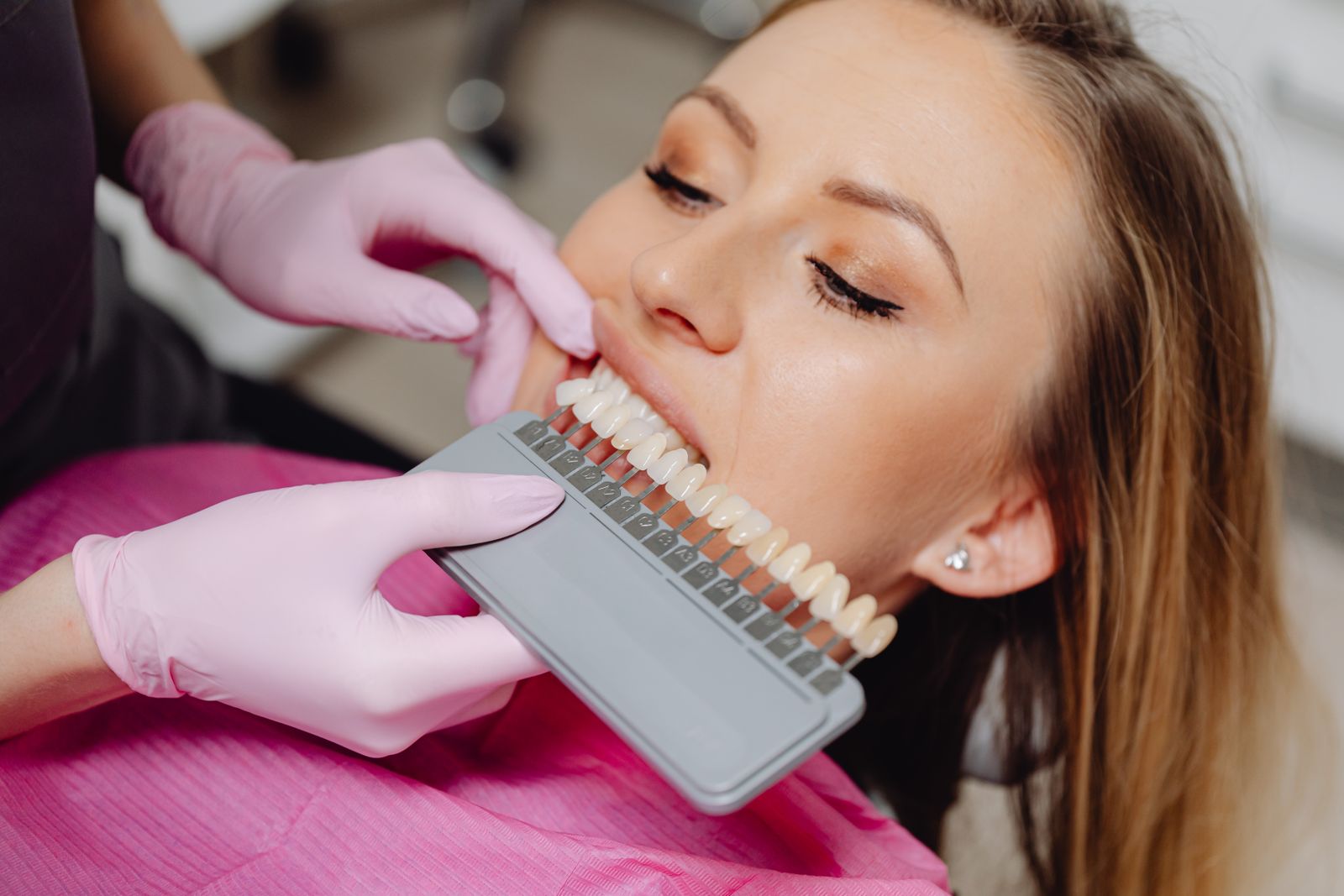
- Teeth whitening
- Elective cosmetic procedures such as veneers
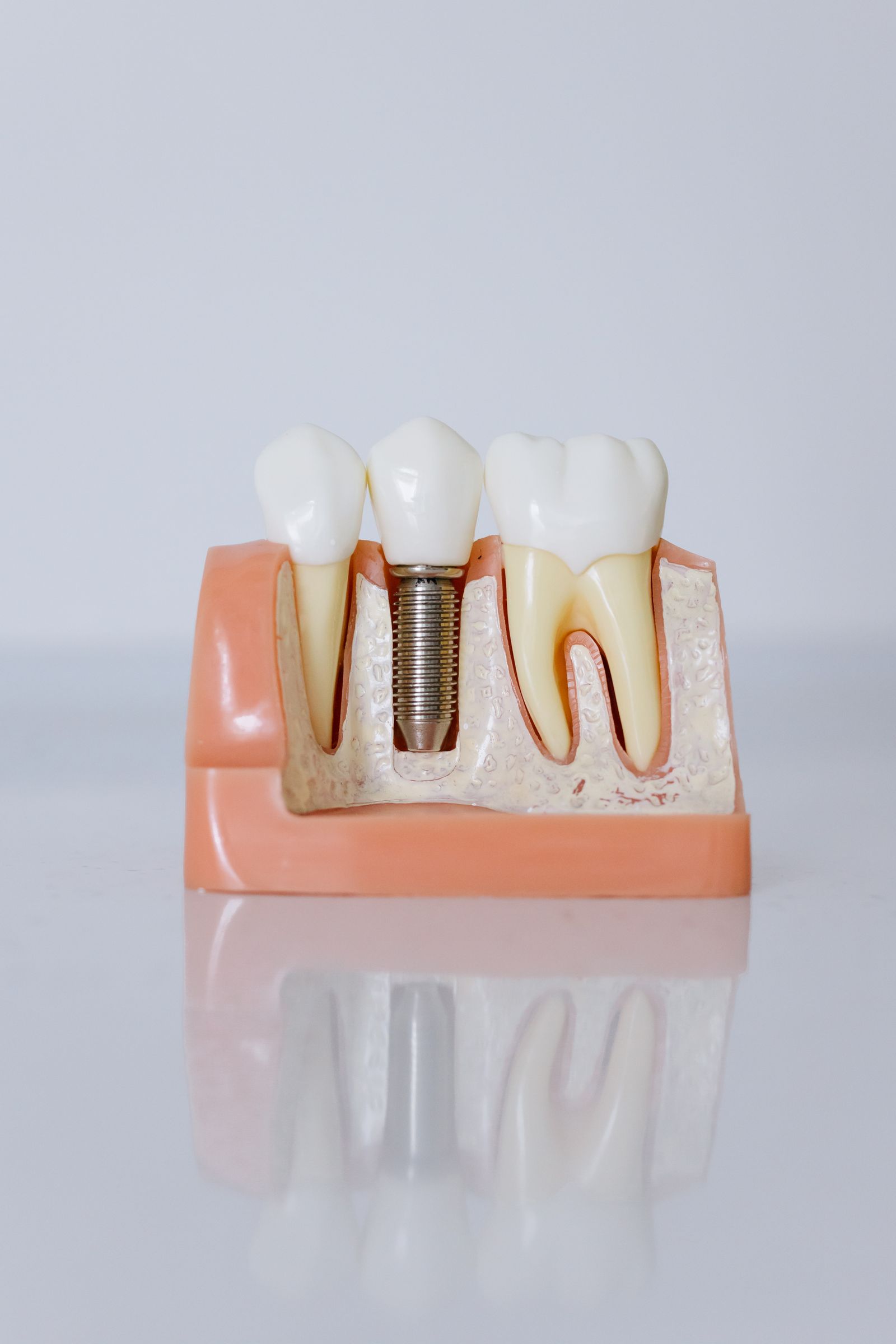
- Elective implant surgery
- Procedures requiring sedation that are not urgent
Best Timing for Dental Treatment
- First trimester: Cleanings and exams are fine. Non-urgent treatment is often scheduled later because nausea can make appointments uncomfortable.
- Second trimester: Ideal for routine treatment such as fillings.
- Third trimester: Cleanings and urgent care remain safe. Appointments are kept shorter, and the chair is positioned to avoid lying flat on your back.
Dental emergencies should be treated at any stage, as untreated infection poses greater risk than appropriate care.
Are Dental X-Rays Safe in Pregnancy?
Dental X-rays focus on the mouth and use very low radiation doses. Professional guidelines support necessary imaging during pregnancy with proper technique. Routine screening images may be delayed until after delivery, but X-rays needed to diagnose pain or infection can be taken safely.
Complete Health Dentistry for Expecting Parents
A complete health approach considers how your oral health connects to your overall wellbeing during pregnancy. That includes managing gum inflammation, discussing nutrition for strong teeth, screening for snoring and sleep quality, and coordinating with your physician or midwife when needed. It also means planning your baby’s first dental visit by their first birthday, setting the stage for healthy habits from the start.
What to Expect at Your Visit: Step by Step
- Update your history: Share how far along you are, any complications, and all medications and vitamins.
- Comfortable positioning: The chair is adjusted, and a pillow may be placed under your right hip later in pregnancy.
- Gum assessment and cleaning: Plaque and tartar are gently removed to reduce inflammation.
- Treatment planning: Necessary care is timed for safety and comfort.
- Home care guidance: Tips for nausea, gagging, and snacking.
- Follow-up: Additional cleanings may be recommended.
Traditional Crowns vs CEREC Same-Day Crowns During Pregnancy
If a cracked or heavily decayed tooth needs a crown during pregnancy, fewer appointments can be a real advantage. Traditional crowns require two visits and a temporary crown, while CEREC same-day crowns are designed and placed in a single visit using digital scanning instead of messy impressions, which can be helpful for patients with a sensitive gag reflex during pregnancy.
Common Myths About Dental Care and Pregnancy
Myth: You should avoid the dentist while pregnant.
Fact: Dental care during pregnancy is safe and important.
Myth: Your baby takes calcium from your teeth.
Fact: Teeth do not lose calcium to the baby. Diet and bone stores supply calcium.
Myth: Local anesthetic is unsafe for the baby.
Fact: Commonly used dental anesthetics are considered safe at standard doses.
Myth: Bleeding gums in pregnancy are nothing to worry about.
Fact: They are common, but they should be managed to prevent progression.
Real Patient Scenarios
Scenario 1: A patient at 18 weeks notices bleeding gums. A gentle cleaning and improved flossing calm the inflammation within weeks.
Scenario 2: A patient in her third trimester develops a painful tooth. A short emergency visit with local anesthetic and a single X-ray resolves the infection safely.
Scenario 3: A patient with severe morning sickness develops sensitivity. Rinsing after vomiting and using fluoride toothpaste protect her enamel.
Common Mistakes During Pregnancy
- Skipping cleanings out of fear.
- Brushing immediately after vomiting.
- Ignoring tooth pain until after delivery.
- Not telling the dental team about the pregnancy.
- Sipping sugary drinks throughout the day to manage nausea.
Daily Tips for Expecting Parents
- Brush twice daily with fluoride toothpaste using a soft brush.
- Floss daily to control gum inflammation.
- After vomiting, rinse with water or a baking soda solution and wait 30 minutes to brush.
- Choose tooth-friendly snacks such as cheese, yogurt, and vegetables.
- Stay hydrated with water.
- Keep regular dental visits and share any changes.
Safety Disclaimer
Always tell your dental team you are pregnant and share any complications. Your dentist may consult your physician or midwife when needed. This article is general information and not a substitute for personal advice. Dental care should be provided by licensed professionals registered with the Royal College of Dental Surgeons of Ontario (RCDSO).
Finding a Dentist in Oakville During Pregnancy
Choose a clinic that listens, adapts appointments for comfort, offers flexible scheduling, and understands how oral health connects to your overall wellbeing. Palermo Village Dental is one of the best dental clinics in Oakville, with a vision to make 10,000 people in Oakville healthier within 10 years. The clinic specializes in complete health dentistry, connecting oral health to overall systemic wellness.
Technology includes CEREC same-day crowns, the SOLEA laser, CBCT imaging, MATRx Plus home sleep testing, the SleepImage Ring, and the Solea Sleep laser for snoring treatment, alongside sleep apnea screening and management and full dental services for the whole family.
The clinic is at Suite #290, 2525 Old Bronte Rd, Oakville, ON L6M 4J2, with free on-site parking that makes visits easier during pregnancy. Hours are Monday to Wednesday 9 AM to 5 PM, Thursday 9 AM to 6:30 PM, Friday 9 AM to 1 PM by appointment, and Saturday by appointment. Call 647-584-0017 or email info@palermovillagedental.com to schedule with a best dentist in Oakville for expecting families. It is a welcoming dental office in Oakville for every stage of life.
Nutrition for Healthy Teeth During Pregnancy
Your baby’s teeth begin forming early in pregnancy, and a balanced diet supports both your oral health and your baby’s development. Calcium from dairy, fortified plant beverages, and leafy greens, vitamin D from fortified foods and safe sun exposure, phosphorus from eggs, fish, and nuts, and vitamin C from fruit and vegetables all contribute to strong teeth and healthy gums. Keep sweet treats to mealtimes rather than grazing through the day, since frequent sugar exposure increases decay risk.
Managing Gagging and Nausea While Brushing
- Use a small-headed or children’s toothbrush.
- Try a mild or unflavoured toothpaste if mint triggers nausea.
- Brush at the time of day you feel best.
- Lean forward over the sink and breathe slowly through your nose.
- Use a fluoride rinse on days when brushing is very difficult.
Snoring and Sleep During Pregnancy
Snoring becomes more common as pregnancy progresses, due to hormonal changes that cause nasal swelling, weight gain, and pressure from the growing baby. For many women it is simply uncomfortable, but in some cases it can be a sign of sleep-disordered breathing, which has been associated with high blood pressure in pregnancy and gestational diabetes.
Signs worth mentioning to your physician or midwife and dental team include loud, frequent snoring, gasping or choking during sleep, morning headaches, and excessive daytime sleepiness. Sleeping on your side, elevating your head, and using saline nasal sprays may help with mild snoring. A complete health dentistry approach includes asking about sleep quality and coordinating screening with your healthcare providers if symptoms suggest a problem, so you can rest better during pregnancy and after your baby arrives.
Caring for Your Smile After Delivery
The months after birth are busy, but they are a good time to book a checkup, especially if gum inflammation was noticeable during pregnancy or if treatment was postponed. Many hormonal gum changes settle within a few months after delivery, and a professional cleaning confirms that tissues have returned to health. This is also a good time to discuss any cosmetic treatments you delayed, such as whitening, once breastfeeding is complete.
Start your baby’s oral care early by wiping the gums with a soft, damp cloth after feedings and scheduling that first dental visit by the first birthday. Avoid sharing spoons or cleaning a pacifier with your mouth, which can pass cavity-causing bacteria to your child. Healthy habits for the whole family begin with the parents, and your own dental visits set a positive example from day one.
What Medications Are Used in Dentistry During Pregnancy?
Your dentist will choose medications carefully. Local anesthetics such as lidocaine are widely used in pregnancy at standard doses. For pain relief, acetaminophen is commonly considered appropriate for short-term use, while some anti-inflammatory medications are generally avoided, particularly later in pregnancy. If antibiotics are needed for an infection, options considered safe in pregnancy are selected. Always check with your healthcare provider before taking any new medication.
Frequently Asked Questions
Can I get a cleaning while pregnant?
Yes. Cleanings are safe and recommended throughout pregnancy.
Is it safe to have a filling while pregnant?
Yes. The second trimester is usually the most comfortable time.
Why are my gums bleeding more during pregnancy?
Hormonal changes make gums more reactive to plaque. Good home care and cleanings help.
Can I whiten my teeth while pregnant?
Whitening is usually postponed until after pregnancy and breastfeeding.
When should my baby first see a dentist?
By the first birthday or within six months of the first tooth appearing.
Conclusion
Dental visits during pregnancy are safe, and routine care, fillings, and urgent treatment can all be provided with appropriate precautions.
Gum changes are common, but infections should always be treated promptly.
Keeping up with dental care protects your health and supports your baby’s future smile.