Sleep apnea is a common sleep disorder affecting millions of Canadians. If you or someone you’re related to has been diagnosed with sleep apnea, you might wonder if it runs in the family.
While there’s no clear answer to whether sleep apnea is hereditary, research has shown a strong connection between your DNA and your chance of developing the condition. And if sleep apnea is stealing your rest, your dentist could be your nighttime champion with various management options.
What Is Sleep Apnea?
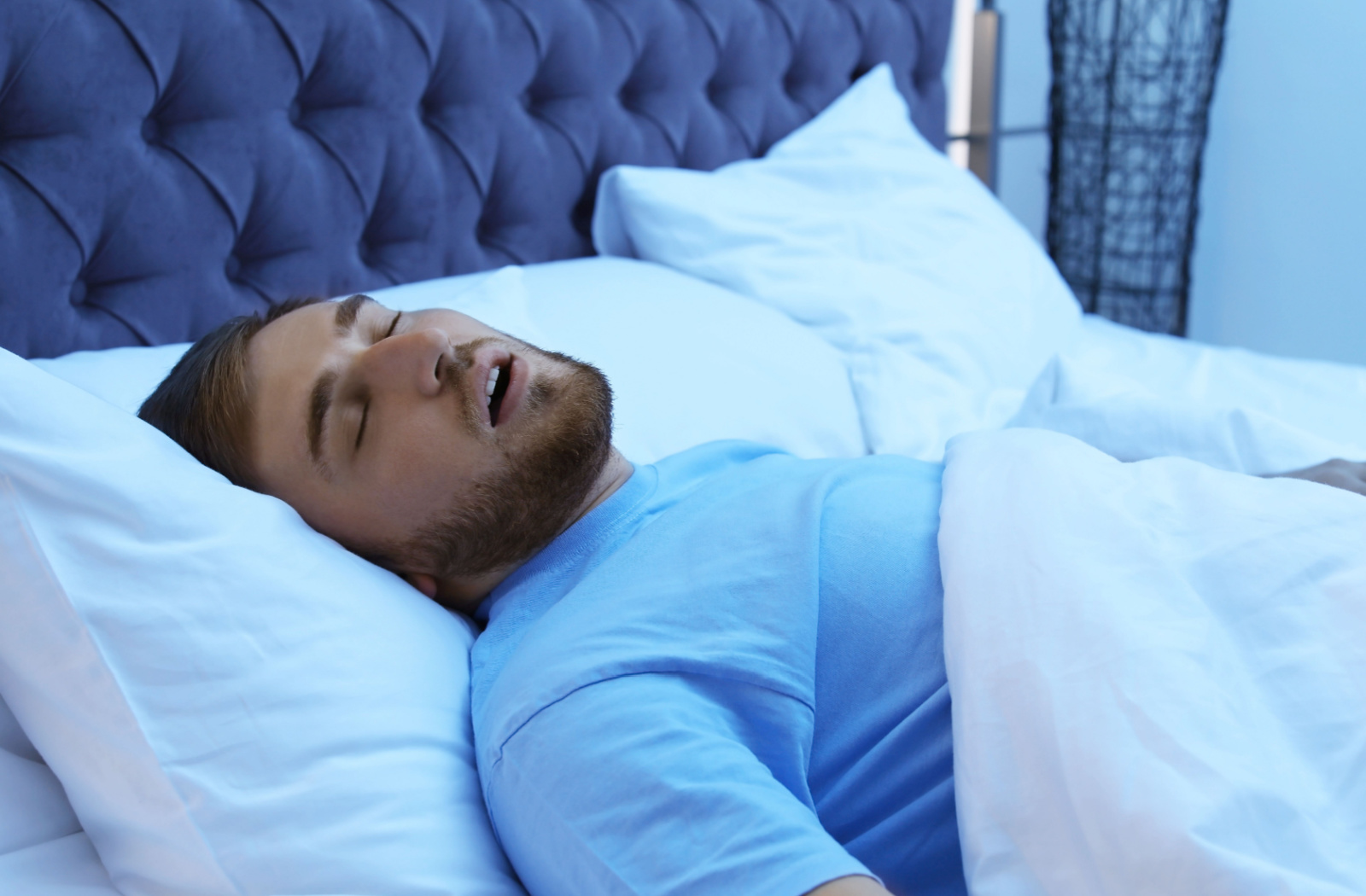
Sleep apnea is a sleep disorder that causes an individual to have repeated moments where they stop breathing throughout the night. This pause in breathing, known as apnea, can last for seconds or even minutes, usually causing the brain to wake the individual from a deep sleep. Even if you don’t remember these moments when you wake up, they can leave you tired throughout the day.
Sleep apnea has 3 main types:
- Obstructive sleep apnea (OSA) occurs when the throat muscles collapse while you sleep, physically blocking the airway.
- Central sleep apnea (CSA) is related to brain function. It occurs when the brain doesn’t send the correct signals to the muscles responsible for breathing.
- Complex sleep apnea is a combination of the other 2 types, and experts aren’t sure of its exact causes.
Symptoms can vary, and your sleeping partner may often be the first to suspect something—especially if your snoring keeps them up. Signs you may have sleep apnea include:
- Loud snoring with silent pauses
- Morning headaches
- Daytime sleepiness
- Gasping or choking at night
- Mood swings and irritability
- Memory problems and poor concentration
- Low sex drive
- Nodding off while driving
Can You Inherit Sleep Apnea?
While researchers have not found a direct link between OSA and genetics, studies indicate that a hereditary component to the disorder may exist.
Those with a family member with OSA are twice as likely to develop it as those without a family history. This higher risk might be due to shared physical traits, similar lifestyles, or growing up in the same environment.
Other Risk Factors for Sleep Apnea
OSA is the most common type of sleep apnea. It occurs when the muscles in the throat relax and the airway narrows or closes during sleep. This condition can lead to significant health problems if left untreated, including high blood pressure, heart disease, and stroke.
While genetics may play a role in the development of sleep apnea, several other factors can increase the risk of the disorder. These factors depend on the type of sleep apnea, but common risk factors include:
- Obesity
- Smoking
- Alcohol and drug use
- Medical conditions such as high blood pressure, diabetes, and heart disease
- Age
- Sex (men are more likely to develop sleep apnea)
- Physical features such as neck circumference
Sleep Apnea Management
Like there are different types of sleep apnea, there are various solutions for it. Your management plan depends on your lifestyle needs and symptoms. Thankfully, a sleep clinic dentist can help you determine which option may offer a comfortable night’s sleep.
CPAP Machines
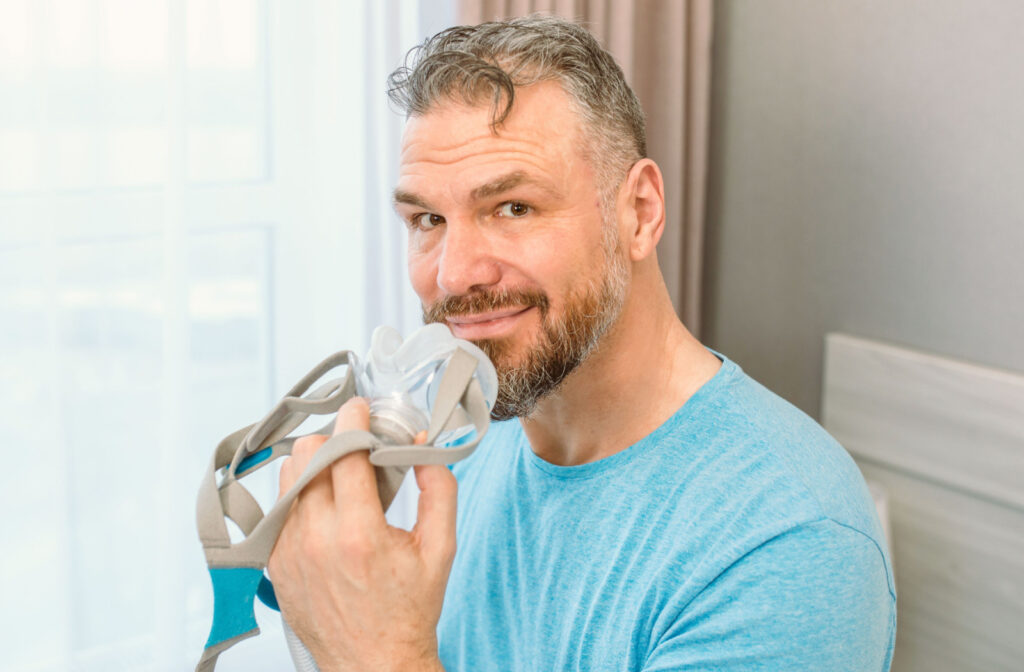
Continuous positive airway pressure (CPAP) machines are among the most common treatments. This device delivers a steady stream of air into your airway, helping to keep it open and prevent breathing pauses.
Various CPAP machines exist on the market, each with its unique features. Some are equipped with heated humidifiers to make breathing more comfortable. Others come with built-in sleep trackers to monitor your progress.
Oral Appliances
Oral appliances are another popular treatment option for sleep apnea. They work by repositioning your jaw and tongue to help keep your airway open during sleep. These devices are typically custom-made by a dentist and can be adjusted over time to help with fit.
Oral appliances are generally less invasive than CPAP machines and are often easier to travel with.
Solea Sleep
Snoring is a large part of most sleep apnea symptoms, and the Solea Sleep laser is used to shrink the soft palate to improve airflow. It is generally used as an adjunctive therapy to oral appliance therapy or CPAP management of sleep apnea. This is because, on its own, it has minimal impact in treating sleep apnea.
Still, it can help reduce palatal snoring which could help you—and whoever you’re sleeping next to—get a better quality rest. This procedure can be completed in a single session in your dentist’s office and typically requires minimal recovery time.
How to Lower Your Risk of Sleep Apnea
Even if you have a family history of sleep apnea, several approaches can help you reduce your chances of developing the condition. Some ways to lower your risk of sleep apnea include:
- Maintaining a healthy weight through diet and exercise
- Sleeping on your side rather than your back
- Avoiding alcohol and drug use
- Practicing good sleep routines
- Quitting smoking
- Treating medical conditions such as high blood pressure and diabetes
Focus on Good Sleep
While sleep apnea may have a hereditary component, the exact factors that contribute to the disorder remain unclear. If you have a family history of sleep apnea, taking steps to reduce your risk is essential, like maintaining a healthy lifestyle, treating underlying medical conditions, and seeking treatment if you suspect you have sleep apnea.
Palermo Village Dental is ready to help you prioritize your sleep health with various high-tech treatments. High-quality sleep can be in your future. Contact us today or take our sleep apnea quiz.
Family history and sleep apnea risk
Clinically reviewed by the Palermo Village Dental team. Our dentists are registered with the Royal College of Dental Surgeons of Ontario (RCDSO). Last reviewed November 2026.
Sleep apnea tends to run in families. Inherited traits such as jaw size and position, airway shape, tongue size and fat distribution around the neck can all make the airway more likely to narrow during sleep. If a parent or sibling has obstructive sleep apnea, your own risk is higher, especially if you also snore or feel tired during the day.
Genes are only part of the story. Weight, alcohol, sleep position and nasal health also matter, and many of these can be changed. See sleep apnea solutions.
Which risk factors can and cannot be changed?
A simple breakdown.
| Risk factor | Changeable? | Notes |
|---|---|---|
| Family history | No | Raises risk |
| Jaw and airway shape | Partly | Oral appliances can help |
| Weight | Yes | Weight loss can reduce severity |
| Alcohol and sedatives | Yes | Avoid near bedtime |
| Sleeping on your back | Yes | Side sleeping helps |
| Nasal congestion | Often | Treat allergies or blockage |
What should you do if sleep apnea runs in your family?
- Tell your dentist and doctor about family history.
- Watch for snoring, gasping or daytime sleepiness.
- Ask a bed partner what they notice.
- Complete a screening questionnaire.
- Get a sleep test if symptoms are present.
Can children inherit sleep apnea?
Children can have obstructive sleep apnea too, often linked to enlarged tonsils and adenoids, allergies or a narrow upper jaw. Signs include loud snoring, restless sleep, mouth breathing, bedwetting, behaviour or attention problems and grinding. If sleep apnea runs in your family and your child snores, mention it to your dentist and doctor. Early treatment can improve sleep, behaviour and jaw development.
- Loud snoring or mouth breathing
- Restless sleep or bedwetting
- Daytime behaviour or attention issues
- Teeth grinding
How dentists help with sleep apnea
Dentists often notice signs first, such as grinding wear, a scalloped tongue or a small airway. We can screen for risk, arrange a home sleep test such as the SleepImage ring, and work with a physician on diagnosis. For mild to moderate apnea or CPAP intolerance, a custom oral appliance can keep the airway open. Read how to know if you have sleep apnea.
What lifestyle changes help reduce sleep apnea?
Losing excess weight, avoiding alcohol and sedatives in the evening, sleeping on your side and treating nasal allergies can all reduce apnea severity. Regular exercise improves sleep quality even without weight loss. These changes work best alongside treatment rather than instead of it, and a follow-up sleep test shows how much they have helped.
Frequently asked questions
Is sleep apnea hereditary?
There is a genetic component, so it often runs in families.
If my parent has apnea, will I?
Not necessarily, but your risk is higher.
Can thin people have sleep apnea?
Yes, especially with inherited jaw or airway traits.
Can children have sleep apnea?
Yes, often related to tonsils and adenoids.
Should I get tested?
If you have symptoms, especially with family history.
Can a dentist diagnose sleep apnea?
Dentists screen; a physician confirms the diagnosis.
Do oral appliances work for inherited apnea?
They can help when apnea relates to jaw position.
Can lifestyle changes help?
Yes, weight, alcohol and sleep position matter.
Is testing covered?
Some plans cover sleep testing.
Where can I get screened in Oakville?
Palermo Village Dental offers sleep apnea management.
This page is general information and is not a diagnosis. Your dentist will recommend treatment after an examination. Reviewed by the Palermo Village Dental team, November 2026.
Book a visit at Palermo Village Dental
2525 Old Bronte Rd #290, Oakville, ON L6M 0R4. New and CDCP patients welcome. Read our Google reviews.