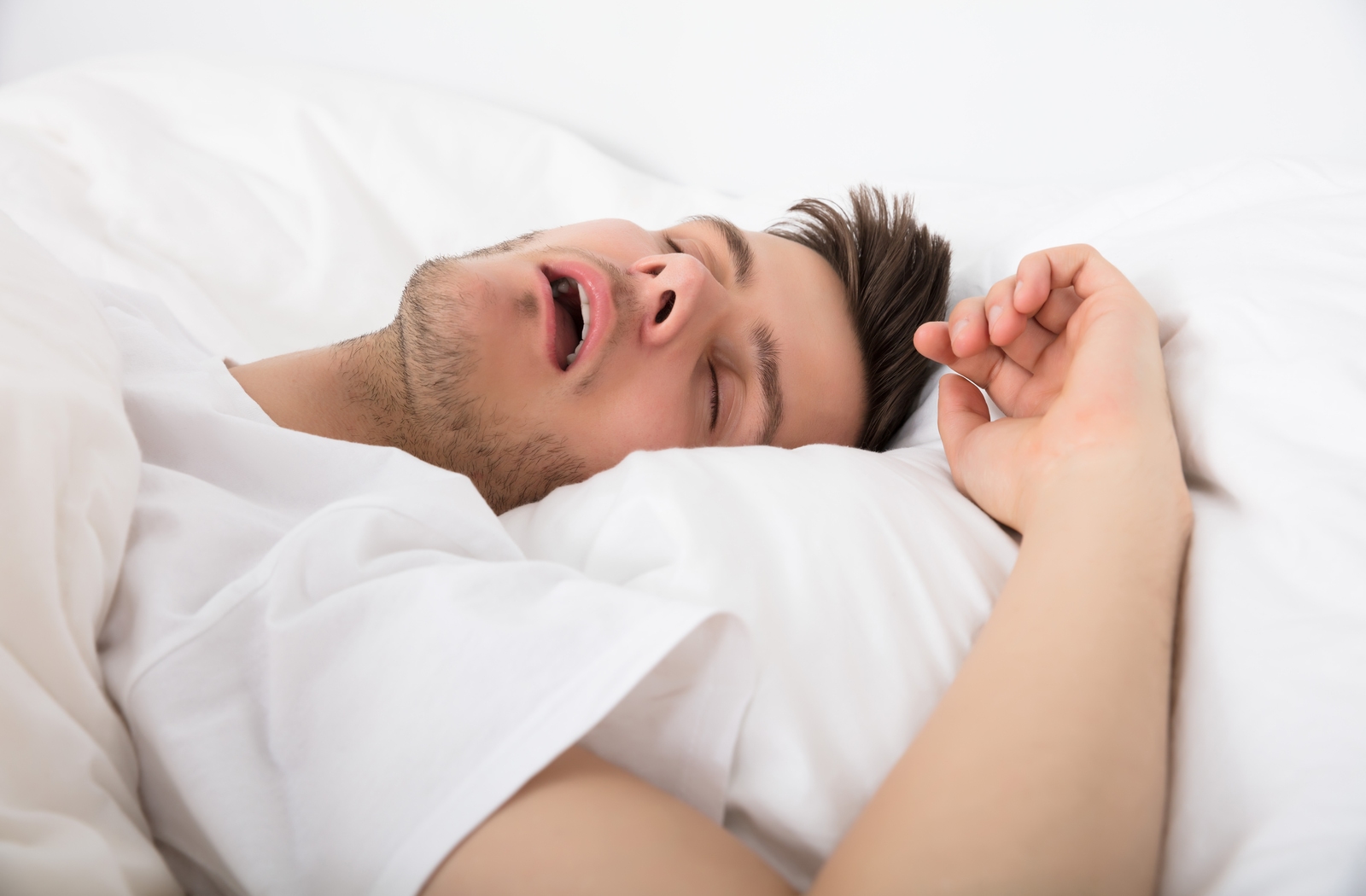
Getting a good night of sleep is essential to productivity and having the energy to get through the day. Sleep apnea can interfere with that, and visiting your dental professional is the first step toward seeking treatment and a good night’s sleep.
But does sleep apnea ever go away? Let’s explore what sleep apnea is, your treatment options, and if sleep apnea can ever be eliminated for good.
What Is Sleep Apnea?
Sleep apnea is a potentially serious sleep disorder that can cause your breathing to stop repeatedly while you sleep. These pauses in breathing can range between 10 to 30 seconds and can occur many times throughout the night.
When you can’t breathe properly, your brain signals the rest of your body to wake up and gasp for air. Even if you don’t remember waking up, this constant disturbance can result in sleep deprivation.
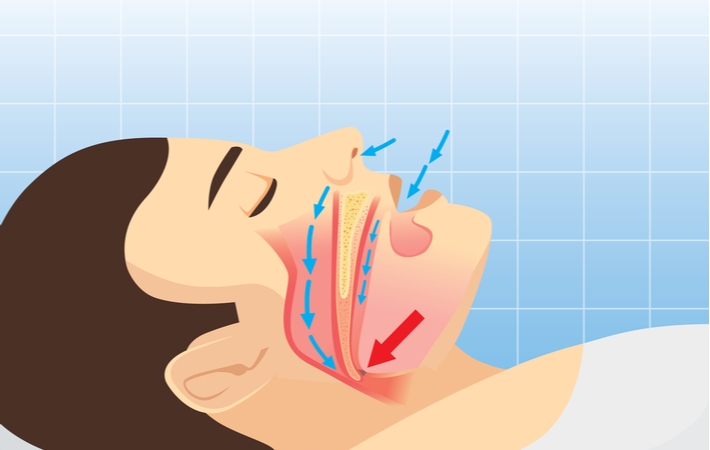
The more common form of sleep apnea is obstructive sleep apnea, which occurs when your upper airway gets blocked during sleep.
Some common signs and symptoms of sleep apnea include:
- Gasping or choking during sleep
- Daytime sleepiness
- Falling asleep while driving
- Morning headaches
Obstructive sleep apnea can be dangerous and can lead to other serious health problems such as:
- High blood pressure
- Stroke
- Heart attack
- Depression
Central sleep apnea is less common and occurs when your brain doesn’t send proper signals to the muscles that control your breathing. This form of sleep apnea differs from obstructive sleep apnea, which results from a blockage of your upper airway.
Sleep Apnea Risk Factors
Sleep apnea can affect people at any stage of life, including children. Certain factors can increase your risk:
- Men are up to 4 times as likely to be diagnosed with sleep apnea as women.
- Excess weight can have an effect, and obese people are more likely to suffer from sleep apnea.
- Sleep apnea occurs more often in older adults.
- Smokers are 3 times more likely to have obstructive sleep apnea than people who have never smoked.
Monitoring sleep apnea is essential, and getting your personalized treatment plan from your dental professional can help manage it.
Managing Sleep Apnea
While lifestyle changes such as changing your sleeping position and weight management can assist with sleep apnea, some more specialized treatment options may be required.
Your dental professional will first conduct an at-home sleep study to help determine what treatment can help you based on your needs.
CPAP Machine
The continuous positive airway pressure device (CPAP) can help open the throat to reduce snoring and increase your breathing throughout the night.
The CPAP machine uses a face mask that is worn throughout the night to provide positive airflow and keep your airways open while you sleep.
Benefits of using a CPAP machine include:
- Improves your ability to sleep without waking up
- Lowers risk of heart attack, stroke, or other cardiovascular events
- Helps lower blood pressure
- Reduces daytime drowsiness
Oral Appliance Therapy
Oral appliances are an alternative sleep aid to CPAP machines. Oral appliances come in different forms and resemble mouthguards used while playing sports.
Oral appliances are most effective when custom-fitted and adjusts your jaw to address snoring and breathing problems related to sleep apnea.
Solea Sleep Laser
The Solea laser can be used as a companion to CPAP and oral appliances and treats palatal snoring. The Solea laser can assist in opening the airway and reduce how much air pressure is needed in CPAP or how much advancement is required with an oral appliance.
The Solea laser uses a specific wavelength to tighten collagen fibres in the soft palate tissue in a 5-minute session. Tightening this tissue can help open the airway and reduce vibrations from snoring.
Solea isn’t an alternative to CPAP or oral appliances and is only used to treat palatal snoring.
Can Sleep Apnea Go Away for Good?
Sleep apnea is here to stay in most cases, and without consistent treatment, it can keep affecting your sleep schedule and your overall health.
Sleep apnea is a chronic condition—however, children with sleep apnea have hope for treatment through the removal of tonsils and adenoids.
Major surgery can help reduce the presence of sleep apnea. Lifestyle changes such as weight management and seeking treatment options such as CPAP or oral appliances can assist with sleep apnea management.
Getting a Good Night of Sleep
Sleep is a vital part of your day, and getting a good night of sleep can make all the difference in your daily schedule. Sleep apnea can cause restless nights and sometimes even more severe conditions.
Book an appointment today with your dental professional to learn more about sleep apnea and get the treatment you need today.
Can sleep apnea improve or resolve?
Clinically reviewed by the Palermo Village Dental team. Our dentists are registered with the Royal College of Dental Surgeons of Ontario (RCDSO). Last reviewed November 2026.
Obstructive sleep apnea rarely disappears on its own, but it can improve a lot. In some people, weight loss, treating nasal blockage, avoiding alcohol before bed or changing sleep position reduces the number of breathing pauses. In children, removing enlarged tonsils and adenoids often resolves it. For most adults, though, apnea is a long-term condition that is managed rather than cured.
Effective treatment, such as CPAP or a custom oral appliance, controls symptoms while lifestyle changes work. See sleep apnea solutions.
What can change the severity of sleep apnea?
Factors that make apnea better or worse.
| Factor | Effect | What to do |
|---|---|---|
| Weight gain | Usually worsens | Gradual weight loss can help |
| Alcohol and sedatives | Relax throat muscles | Avoid near bedtime |
| Sleeping on your back | Worsens for many | Side sleeping |
| Nasal congestion | Worsens | Treat allergies or blockage |
| Ageing | Can worsen | Regular reassessment |
How is sleep apnea managed long term?
- Confirm diagnosis with a sleep test.
- Start CPAP or an oral appliance.
- Work on weight, alcohol and sleep habits.
- Retest to check how treatment is working.
- Adjust treatment as your health changes.
Can losing weight cure sleep apnea?
Weight loss can reduce apnea severity, sometimes enough that treatment can be reduced. It does not cure apnea for everyone, because jaw shape, airway size and tissue structure also matter. A follow-up sleep test after significant weight change shows whether treatment still needs adjusting. Keep using your treatment until a physician confirms it is safe to change.
- Often reduces severity
- Does not cure everyone
- Retest before changing treatment
Why not wait and see?
Untreated sleep apnea affects daytime energy, mood and concentration, and it is linked with high blood pressure, heart disease and accidents caused by drowsiness. Even if you hope lifestyle changes will help, treating the apnea in the meantime protects your health and helps you feel well enough to make those changes. Read is sleep apnea dangerous if left without treatment.
What does treatment success look like?
Success is measured by how you feel and by follow-up testing. Most people notice less snoring, fewer night awakenings and more energy during the day within a few weeks. A follow-up sleep test while using CPAP or an oral appliance confirms that breathing pauses have dropped to a safe level. Bed partners often notice the change first. If symptoms return, or your health or weight changes, a review helps keep treatment effective over the years.
How do dentists help with sleep apnea?
Dentists often spot the first clues of sleep apnea: worn teeth from grinding, a scalloped tongue, a narrow airway or large tonsils. At Palermo Village Dental we can screen for risk, arrange a home sleep test and work with a physician on diagnosis. For mild to moderate apnea, or for people who cannot use CPAP, we design and adjust custom oral appliances and monitor your bite and comfort over time.
What is the role of CPAP in long-term apnea care?
CPAP keeps the airway open with gentle air pressure and remains the standard treatment for moderate to severe sleep apnea. Many people use it for years. Some later switch to an oral appliance after weight loss or a change in severity confirmed by a new sleep test. Never stop treatment without talking to your physician, because symptoms and health risks return quickly when apnea is untreated.
Frequently asked questions
Does sleep apnea go away on its own?
Rarely in adults; it usually needs treatment.
Can children outgrow sleep apnea?
Often after tonsil and adenoid treatment.
Can losing weight cure it?
It may reduce severity, but not for everyone.
Is an oral appliance a cure?
It controls apnea while worn, but does not cure it.
Can apnea get worse with age?
Yes, it can.
Does alcohol affect sleep apnea?
Yes, it relaxes throat muscles and worsens it.
Should I retest after changes?
Yes, after big weight change or new symptoms.
Is CPAP for life?
Many people use it long term; some switch to an appliance.
Is treatment covered?
Some plans cover CPAP or appliances.
Where can I get help in Oakville?
Palermo Village Dental offers sleep apnea management.
This page is general information and is not a diagnosis. Your dentist will recommend treatment after an examination. Reviewed by the Palermo Village Dental team, November 2026.
Book a visit at Palermo Village Dental
2525 Old Bronte Rd #290, Oakville, ON L6M 0R4. New and CDCP patients welcome. Read our Google reviews.