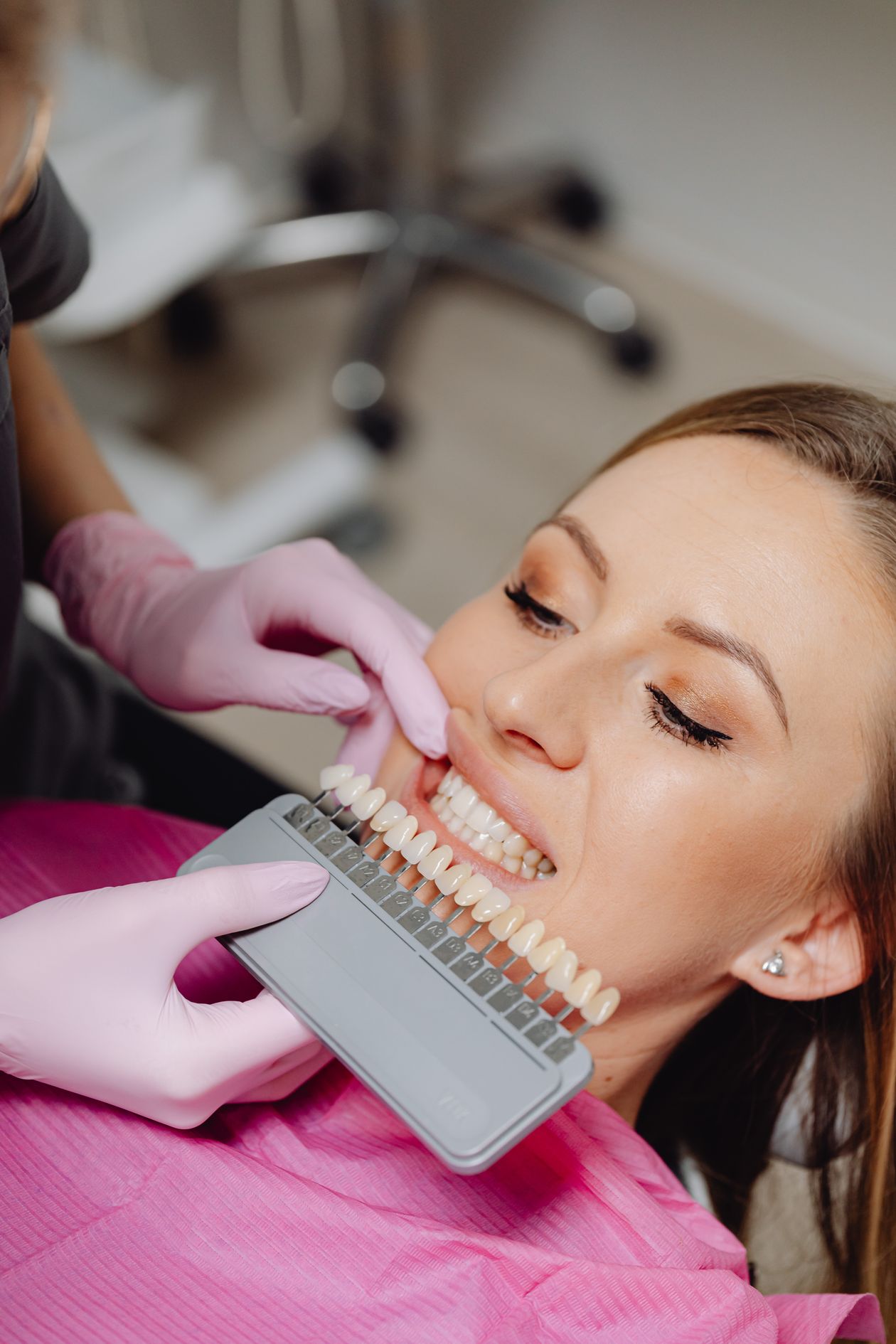

Dental filling services in Oakville involve the removal of decayed or damaged tooth material and the placement of a restorative material to rebuild the tooth’s structure, restore its function, and prevent further decay from progressing. Dental fillings are one of the most common and effective dental treatments available, and Palermo Village Dental, one of the best dental clinics in Oakville, provides expert filling services using modern, tooth-coloured materials for patients seeking care through a trusted Dental Clinic in Oakville.
Cavities are among the most prevalent oral health conditions affecting people of all ages. When bacteria in the mouth produce acids that break down tooth enamel, a cavity forms. If left untreated, the decay deepens and can eventually reach the pulp of the tooth, leading to infection and the need for more complex treatment. Dental fillings address cavities efficiently and effectively, halting decay and restoring the tooth before more serious damage occurs.
Palermo Village Dental delivers comprehensive Dental Care in Oakville with a focus on early detection and conservative treatment. Located at 2525 Old Bronte Rd #290, Oakville, ON L6M 0R4, the clinic uses digital X-rays and detailed visual examinations to identify cavities at the earliest possible stage, minimizing the amount of tooth structure that needs to be removed during filling placement.
What Is a Dental Filling?
A dental filling is a restorative material placed in a tooth after the decayed or damaged portion has been removed. Fillings seal the cavity, prevent bacteria from re-entering, and restore the tooth to its original or near-original shape and function. Modern fillings are made from materials that closely mimic the appearance of natural tooth tissue, making them virtually invisible in the mouth.
The dental team at Palermo Village Dental will recommend the appropriate filling material based on the location of the cavity, the extent of the decay, and your aesthetic preferences. Learn more about comprehensive Dental Filling in Oakville services and how the clinic approaches restorative care with accuracy and artistry.
Types of Dental Fillings
Composite Resin Fillings
Composite resin is the most widely used filling material in modern dental practice. Made from a mixture of plastic and glass particles, composite resin is bonded directly to the tooth surface and shaped to precisely restore the tooth’s contour. Because composite can be matched precisely to the colour of the surrounding tooth, these fillings are completely undetectable in the smile. They are suitable for both front and back teeth.
Glass Ionomer Fillings
Glass ionomer cement is a tooth-coloured material that releases fluoride over time, offering some protection against further decay. It is commonly used for fillings in areas of the mouth that are not subject to heavy chewing pressure, such as the root surface or in young children’s primary teeth. While not as durable as composite resin, glass ionomer is an excellent choice in specific clinical situations.
Amalgam Fillings
Silver amalgam has been used for dental fillings for over a century. While less commonly placed today due to its conspicuous appearance, amalgam is highly durable and continues to be used in some cases for back teeth that experience significant chewing forces. Existing amalgam fillings that are in good condition do not generally need to be removed unless they are failing or causing problems.
Call +1(647) 584-0017 or email info@palermovillagedental.com to book an appointment. A skilled Dentist in Oakville will thoroughly examine your teeth, explain any findings, and perform any necessary fillings with precision and minimal discomfort.
Signs That You May Need a Dental Filling
• Visible dark spots, holes, or pitting on the surface of a tooth
• Tooth sensitivity to hot, cold, or sweet foods and beverages
• Persistent mild toothache or discomfort when biting
• A rough or sharp edge on a tooth that was not there before
• Food consistently getting stuck in or around a specific tooth
• A visible crack or chip in the tooth surface
It is important to note that many cavities, particularly in their early stages, cause no pain at all. This is why regular dental check-ups are essential for detecting decay before it becomes symptomatic.
The Dental Filling Process: Step by Step
- Comprehensive examination and X-rays to identify cavities and assess their extent
- Administration of local anaesthesia to numb the tooth and surrounding gum tissue
- Removal of all decayed tooth material using a dental drill or laser instrument
- Thorough cleaning and disinfection of the cavity to remove all bacteria
- Application of a bonding agent if composite resin is being placed
- Placement and shaping of the filling material in layers, with each layer hardened using a curing light
Bite assessment and adjustment to ensure the filling does not interfere with the patient’s bite
Polishing the filling for a smooth, comfortable finish
Common Patient Mistakes With Dental Fillings
• Avoiding a filling appointment because there is no pain, allowing the cavity to deepen
• Eating too soon after a filling, before the material has fully set
• Grinding teeth without a nightguard, which can crack or dislodge fillings prematurely
• Neglecting follow-up care if post-filling sensitivity persists beyond a week
• Not attending regular check-ups to monitor fillings for wear, leakage, or secondary decay
Caring for Teeth After a Filling
- Avoid chewing on the side of the filling for at least two hours after placement if composite resin was used
- Limit very hot or cold foods for the first few days if sensitivity is present
- Continue brushing and flossing normally, paying attention to the area around the filling
- If your bite feels uneven or high after the anaesthetic wears off, contact the clinic for a simple adjustment
- Report any lasting pain, sensitivity, or looseness to your dentist promptly
Preventing the Need for Dental Fillings
While fillings effectively treat existing cavities, preventing cavities from forming in the first place is always preferable. Key prevention strategies include:
- Brushing twice a day thoroughly with fluoride toothpaste
- Flossing once a day to clean between teeth where a brush cannot reach
- Rinsing with a fluoride mouthwash for additional enamel protection
- Attending professional cleanings twice a year
- Asking your dentist about sealants, which protect the grooves of back teeth from decay
- Reducing the frequency of sugary and acidic food and drink consumption
Frequently Asked Questions
Q1: Does getting a dental filling hurt?
The filling procedure is performed under local anaesthesia, so you should not feel pain during the treatment. Some patients experience mild sensitivity in the tooth for a few days after the anaesthetic wears off, which is completely normal and typically resolves on its own.
Q2: How long do dental fillings last?
Composite resin fillings typically last 7 to 10 years, while amalgam fillings can last 10 to 15 years or longer. Longevity depends on the size of the filling, the location in the mouth, and the patient’s oral hygiene and lifestyle habits. Regular check-ups allow the dentist to monitor fillings for signs of wear.
Q3: Can old fillings be replaced with tooth-coloured options?
Yes, amalgam fillings that are failing, cracked, or causing concerns can be replaced with composite resin for a more natural appearance. This should be discussed with your dentist to determine whether replacement is clinically indicated.
Q4: Is it possible to have multiple fillings done in one appointment?
Yes, multiple fillings can often be placed in the same appointment, particularly if they are on the same side of the mouth and can be numbed together. Your dentist will advise whether treating multiple teeth in one visit is appropriate for your specific situation.
Q5: What should I do if a filling falls out?
Contact your dental clinic as soon as possible. While a lost filling is not usually an emergency, the exposed cavity is vulnerable to further decay and may be sensitive. Your dentist will replace the filling promptly and assess whether the cavity has changed since the original treatment.
Conclusion
Dental filling services in Oakville at Palermo Village Dental provide patients with effective, precise, and aesthetically excellent restorative care using the latest composite and restorative materials. At 2525 Old Bronte Rd #290, Oakville, ON L6M 0R4, reachable at +1(647) 584-0017 or info@palermovillagedental.com, the team is dedicated to catching problems early and treating them conservatively to preserve as much natural tooth structure as possible.