For most people, a root canal doesn’t hurt more than a routine filling, because the tooth is fully numbed with local anaesthetic before treatment starts. The severe pain people associate with root canals usually comes from the infected or inflamed nerve beforehand, and the treatment is what relieves it. Mild soreness for a few days afterward is common and temporary, while a tooth that throbs, swells, or keeps you up at night is a serious problem that needs prompt care at an emergency dental clinic.
If the words “root canal” make your stomach drop, you’re far from alone. A lot of that fear comes from stories that are decades old. Today’s tools, anaesthetics, and techniques are very different, and for patients who still feel anxious, sedation dentistry can make the visit feel calm and quick.
Most back teeth need a crown after a root canal to protect them from cracking. With CEREC same-day crowns, that crown can often be designed and placed in a single visit, which means fewer appointments and no temporary crown.
At Palermo Village Dental, the team explains every step before it happens, so nothing feels like a surprise. If a tooth is bothering you now, you can book appointment times online, with free parking on site.
What a root canal usually feels like
- Before: the infected tooth may throb, ache, or react to hot and cold.
- During: pressure and vibration, similar to a filling.
- After: mild tenderness when biting for 1 to 3 days, eased by over-the-counter pain relief.
- Long term: no more nerve pain from that tooth.
What is a root canal?
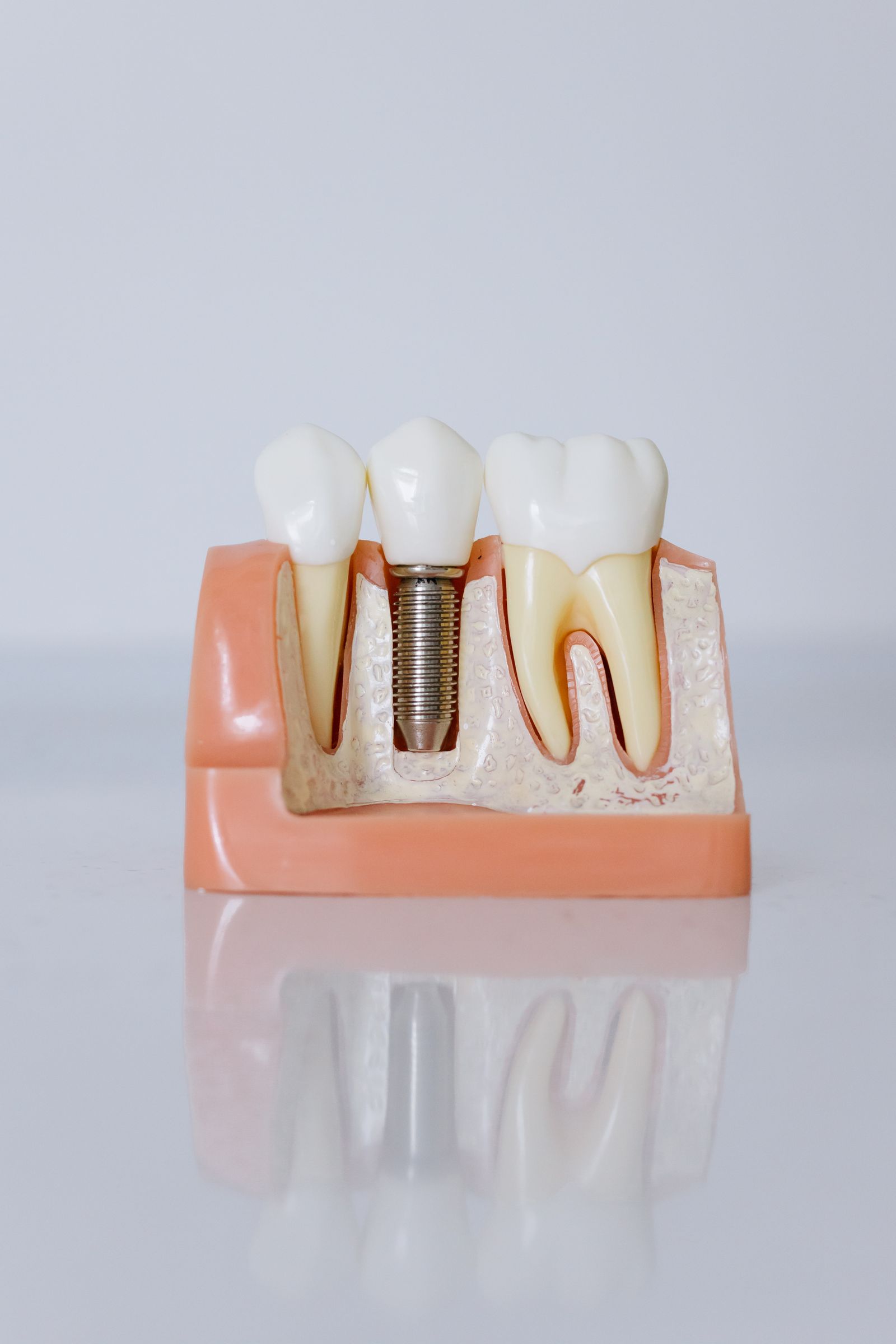
A root canal (endodontic treatment) is a procedure that removes infected or inflamed pulp from inside a tooth. The pulp is the soft tissue containing nerves and blood vessels. After it’s removed, the canals are cleaned, disinfected, filled, and sealed. The tooth stays in your mouth and keeps working.

Why do people think root canals are painful?
- The pain before treatment: an infected nerve can cause some of the worst toothaches people experience. That pain gets blamed on the procedure.
- Older techniques: decades ago, anaesthetics and instruments were less effective.
- “Hot” teeth: very inflamed teeth can be harder to numb, which is why dentists use extra anaesthetic techniques and sometimes start with antibiotics or pain control.
- Movies and stories: dental pain makes for dramatic, exaggerated scenes.
Signs you might need a root canal
- Pain to hot or cold that lingers for 30 seconds or more
- Spontaneous throbbing pain, especially at night
- Pain when biting or touching the tooth
- A pimple-like bump on the gum
- Swelling in the gum or face
- A tooth that has darkened
- A deep cavity or crack, or a recent injury
Some teeth need root canals with no symptoms at all. An X-ray may show infection at the root tip.
What happens during a root canal, step by step?
- Diagnosis: tests and X-rays, sometimes CBCT 3D imaging for complex roots.
- Numbing: topical gel, then local anaesthetic. The dentist checks that the tooth is fully numb before starting.
- Isolation: a thin rubber sheet (rubber dam) keeps the tooth clean and dry and stops debris from going down your throat.
- Access: a small opening is made in the top of the tooth.
- Cleaning and shaping: tiny instruments remove the pulp and shape the canals.
- Disinfection: the canals are rinsed with antibacterial solutions.
- Filling and sealing: the canals are filled with a rubber-like material called gutta-percha.
- Restoration: a filling closes the opening, and a crown usually follows for back teeth.
Most root canals take 60 to 90 minutes, sometimes split over 2 visits.
Root canal vs extraction: which hurts more?
| Root canal | Extraction | |
|---|---|---|
| During treatment | Pressure, little to no pain | Pressure, little to no pain |
| Recovery | Mild tenderness for 1 to 3 days | Soreness and swelling for 3 to 7 days |
| Keeps your tooth | Yes | No |
| Follow-up | Crown | Implant, bridge, or partial denture |
Traditional crowns vs CEREC same-day crowns after a root canal
| Traditional crown | CEREC same-day crown | |
|---|---|---|
| Visits | 2 or more | 1 |
| Temporary crown | Yes, for about 2 weeks | None |
| Freezing | Often twice | Once |
| Risk of tooth cracking while waiting | Some | Minimal |
How can you stay comfortable?
- Tell your dentist if you feel anything sharp. More anaesthetic can be given.
- Ask about sedation if you’re anxious, from mild oral sedation to deeper options for selected cases.
- Agree on a hand signal to pause.
- Bring headphones and a playlist.
- Eat a light meal before (unless you’re having sedation that requires fasting).
- Take pain relief afterward as recommended, before the freezing wears off.
What’s recovery like?
- Avoid chewing on the numb side until feeling returns.
- Expect mild tenderness when biting for 1 to 3 days.
- Use over-the-counter pain relief as directed.
- Chew on the other side until the final crown is placed.
- Brush and floss normally.
- Call if pain gets worse after 3 days, swelling increases, or your bite feels high.
How do root canals connect to your overall health?
An untreated dental infection is a source of chronic inflammation. Infections can spread to the jaw, face, and, rarely, other parts of the body. Clearing infection protects your general health, and keeping your natural tooth supports chewing and nutrition. That’s the complete health dentistry approach: the mouth is part of the body.
Old claims that root canals cause illness elsewhere in the body come from research done around a century ago that has since been discredited. Current evidence doesn’t support those claims.
What can make a root canal more uncomfortable, and how is it handled?
- A very inflamed tooth: may need extra anaesthetic or a different technique. Your dentist checks numbness before starting.
- An abscess with swelling: sometimes drained first, with treatment completed once the infection settles.
- Curved or narrow canals: take longer. CBCT imaging helps plan these cases.
- Jaw fatigue: a small bite block lets your jaw rest during longer visits.
- Anxiety: sedation, breaks, and clear explanations make a big difference.
How successful are root canals?
Root canal treatment has high success rates, often reported around 85 to 95% when the tooth is restored well afterward. Most treated teeth last many years, often a lifetime. If a root canal does fail, retreatment is often possible, and extraction with a replacement remains an option.
What happens at your first visit?
- A conversation about your symptoms and health history.
- An exam of the tooth and surrounding gums.
- Cold, tapping, and bite tests.
- X-rays, and CBCT when needed.
- A clear explanation of options: root canal, extraction, or monitoring.
- Pain relief right away if needed, and a plan for treatment.
Common mistakes patients make
- Waiting until the tooth swells before calling
- Assuming the pain stopping means the problem is gone
- Relying on antibiotics alone
- Skipping the crown after a root canal on a back tooth
- Choosing extraction only out of fear of the procedure
Myths about root canals and dental technology
“Root canals are the most painful dental procedure.”
Patient surveys show most people rate root canals similar to fillings. The toothache before treatment is usually far worse.
“It’s better to pull the tooth.”
Keeping your natural tooth is usually best when it can be saved. Extraction leads to a gap that needs replacing.
“Lasers and 3D imaging are gimmicks.”
CBCT imaging helps find hidden canals and cracks, and dental lasers can assist with disinfection in some cases. These tools add precision.
Real patient scenarios
The midnight toothache. A 35-year-old woke at 2 a.m. with throbbing pain. Seen the next morning, she had a root canal that afternoon. She said the procedure was easier than the night before.
The anxious patient. A man who’d avoided dental care for 8 years needed a root canal. With oral sedation and a clear plan, he finished in one visit and left with a CEREC crown.
The quiet infection. A routine X-ray showed infection under an old filling with no pain. A root canal cleared it before it could flare up.
Prevention tips
- Brush twice daily and floss every day.
- Treat cavities while they’re small.
- Wear a mouth guard for sports and a night guard if you grind.
- Don’t chew ice or hard candy.
- Keep regular checkups and X-rays.
Choosing a dentist in Oakville for root canal treatment
Look for a clinic that explains each step, offers comfort options, and uses modern imaging and same-day crowns. Treatment should be provided by licensed dental professionals registered with the Royal College of Dental Surgeons of Ontario (RCDSO).
Palermo Village Dental is one of the best dental clinics in Oakville, with a vision to make 10,000 people in Oakville healthier within 10 years. The clinic specializes in complete health dentistry, and it’s trusted as an emergency dental clinic in Oakville for urgent tooth pain. It also offers sleep apnea screening and management alongside full dental services.
Advanced technology includes CEREC same-day crowns, the SOLEA laser, CBCT imaging, MATRx Plus home sleep testing, the SleepImage Ring, and the Solea Sleep laser for snoring. Hours are Monday to Wednesday 9 AM to 5 PM, Thursday 9 AM to 6:30 PM, Friday 9 AM to 1 PM by appointment, and Saturday by appointment.
Visit Suite #290, 2525 Old Bronte Rd, Oakville, ON L6M 4J2, with free on-site parking. Call 647-584-0017 or email info@palermovillagedental.com. Many patients consider it the best dental clinic in Oakville for gentle, modern care.
Frequently asked questions
How long does pain last after a root canal?
Mild tenderness usually lasts 1 to 3 days. Pain that worsens or lasts more than a week should be checked.
Can I drive myself home after a root canal?
Yes, if you only had local anaesthetic. If you had oral or deeper sedation, you’ll need someone to drive you.
Can I go to work after a root canal?
Most people return to work the same day or the next morning.
Why does my tooth still hurt when I bite after a root canal?
The tissues around the root may be inflamed for a few days. If your bite feels high, a quick adjustment helps.
Do I need a crown right away?
For back teeth, it’s best to place the crown soon, often within a few weeks. CEREC can sometimes place it the same day.
Conclusion
With modern anaesthetic, a root canal usually feels about the same as a filling.
The infection causes the pain, and the root canal relieves it.
Early treatment, comfort options, and a protective crown give your tooth the best long-term outlook.