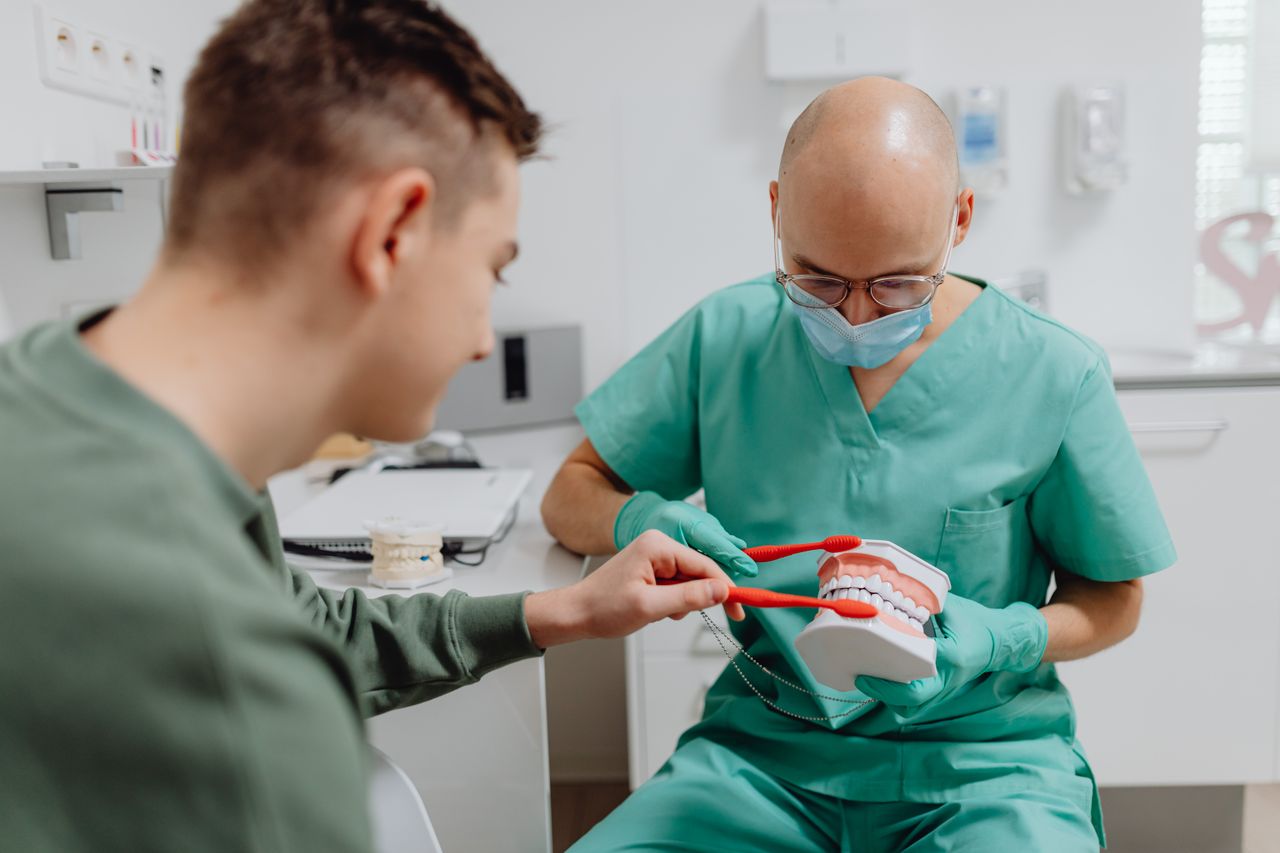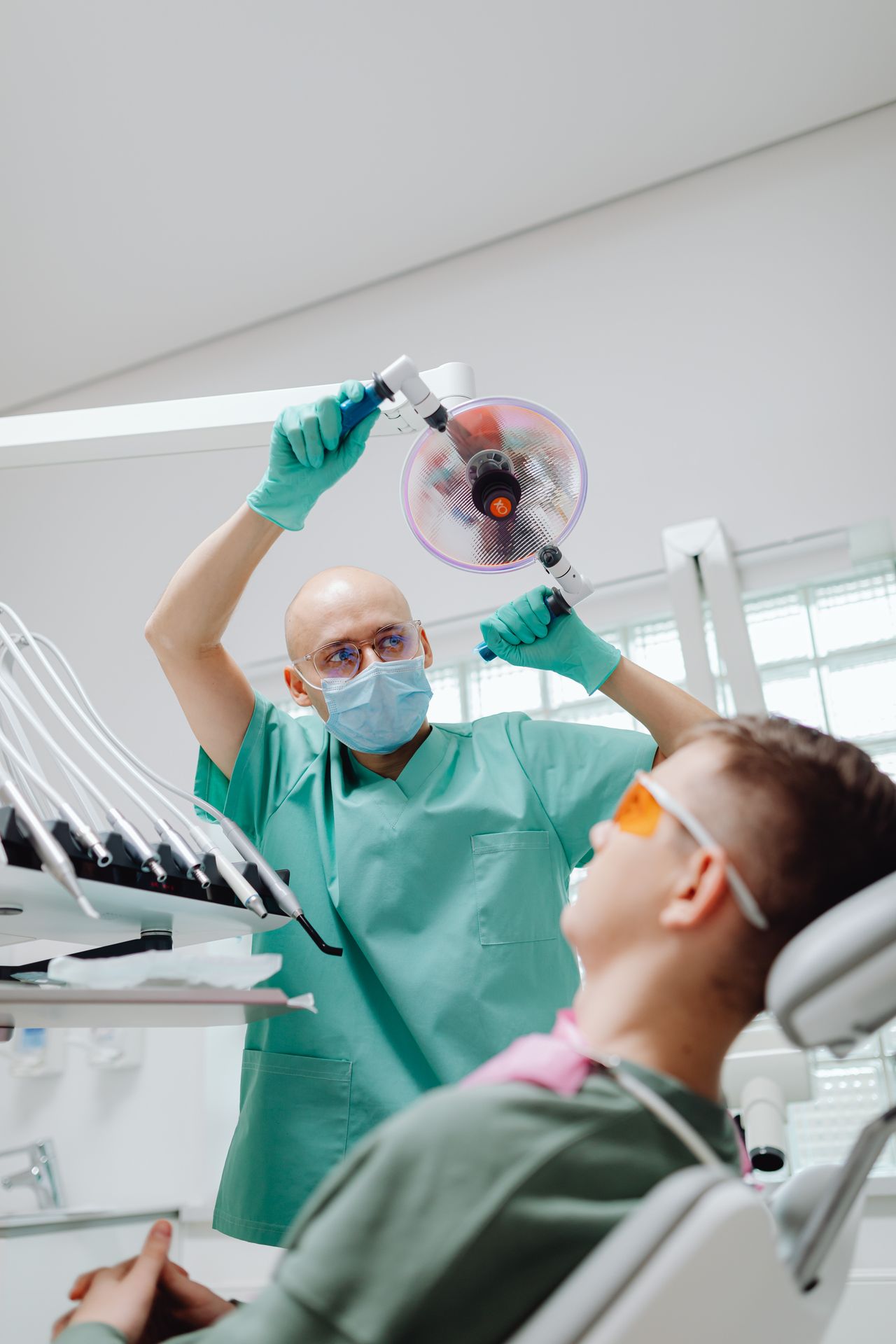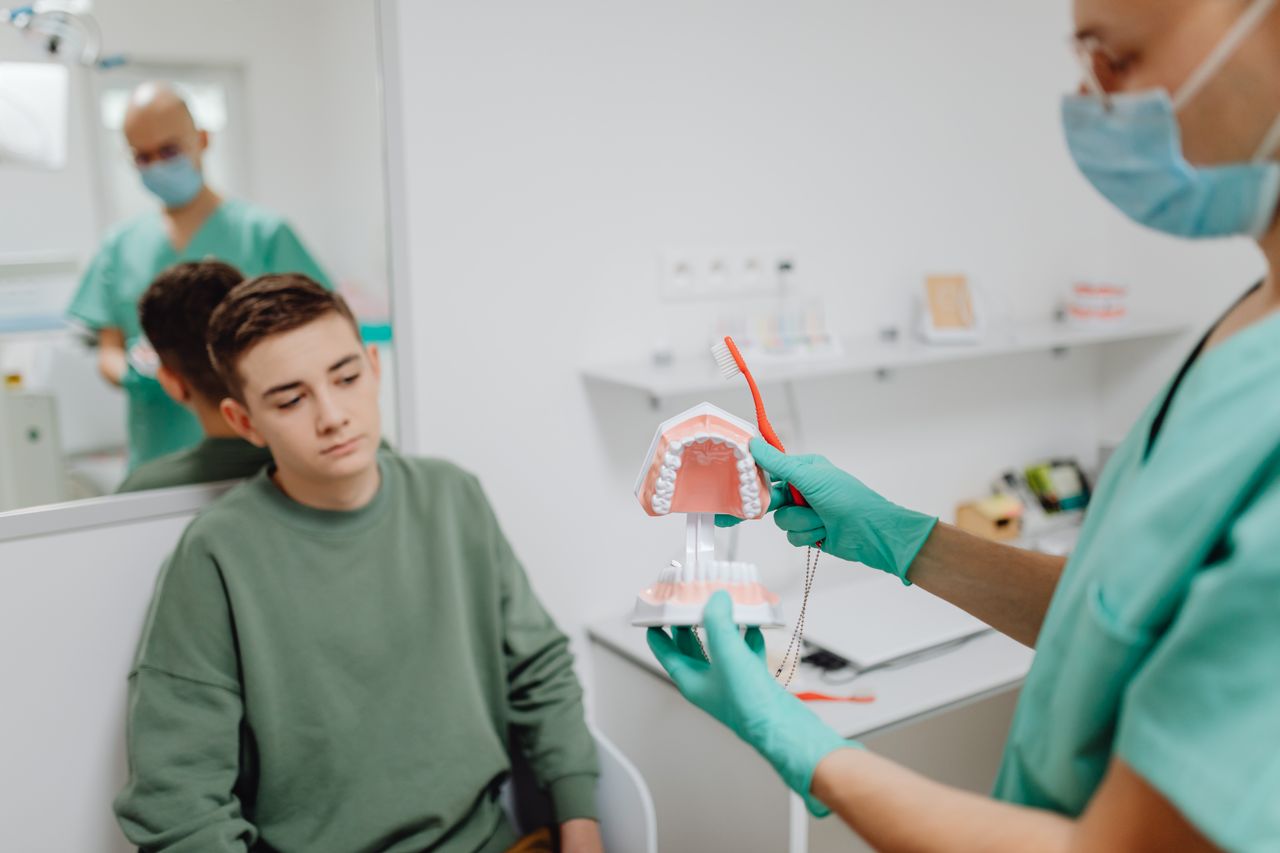

A deep cleaning usually does not hurt because the dentist or hygienist numbs the gums with local anesthetic before starting. Most patients feel pressure, vibration and scraping rather than pain, and mild tenderness or sensitivity for a few days afterward is common and temporary. Deep cleaning, known clinically as scaling and root planing, is a standard treatment for gum disease, and getting it done early through professional periodontal care protects your teeth, bone and overall health.
It is completely normal to feel nervous when you hear that you need a deep cleaning. Many people worry it will be painful, that it means their teeth are in bad shape, or that they will be judged. Finding a top dental office that explains each step, uses modern technology and treats gum health as part of whole-body wellness can make the experience far more comfortable.
For patients with strong dental anxiety or very sensitive gums, sedation dentistry options can help you relax throughout the appointment.
Deep cleaning is one part of a broader approach to general dentistry that focuses on prevention and long-term stability. If you are searching for a nearby dental clinic in Oakville that also offers sleep apnea screening and advanced tools like the SOLEA laser, read on to understand what to expect.
What Is a Deep Cleaning?
A deep cleaning, or scaling and root planing (SRP), is a non-surgical periodontal treatment that removes plaque and hardened tartar from below the gum line, where a regular cleaning does not reach. It has two parts:
- Scaling: Removing plaque, tartar and bacterial toxins from the tooth surfaces and inside gum pockets.
- Root planing: Smoothing the root surfaces so gums can reattach more tightly and bacteria have fewer places to cling.
Deep cleaning is usually done one or two sections (quadrants) of the mouth at a time, often over two visits.
Regular Cleaning vs Deep Cleaning
| Feature | Regular Cleaning | Deep Cleaning |
|---|---|---|
| Purpose | Prevention in healthy mouths | Treatment of gum disease |
| Area cleaned | Above and slightly below gum line | Deep into gum pockets along roots |
| Pocket depth | 1 to 3 mm | Usually 4 mm or more |
| Anesthetic | Usually not needed | Local anesthetic is standard |
| Visits | One | Often two, plus follow-up |
| Aftercare | Minimal | Gentle care for a few days |
Why Would You Need a Deep Cleaning?
Deep cleaning is recommended when gum disease has progressed beyond gingivitis into periodontitis. Signs include:
- Gums that bleed easily when brushing or flossing
- Gum pockets of 4 millimetres or deeper
- Bone loss visible on X-rays or CBCT imaging
- Persistent bad breath
- Red, swollen or receding gums
- Teeth that feel loose or have shifted
- Tartar build-up below the gum line
Does a Deep Cleaning Hurt? What You Will Actually Feel
During the Procedure
With local anesthetic, the treated area is numb. You will feel pressure, scraping and the vibration of an ultrasonic scaler, but not sharp pain. A topical numbing gel is often applied before the injection to make it more comfortable.
After the Procedure
- Mild gum soreness for one to three days
- Temporary sensitivity to hot and cold for up to a few weeks as inflammation settles and roots are exposed
- Slight bleeding during brushing for a few days
- Gums may look slightly tighter or shorter as swelling goes down
Most people return to normal activities the same day.
Deep Cleaning Step by Step
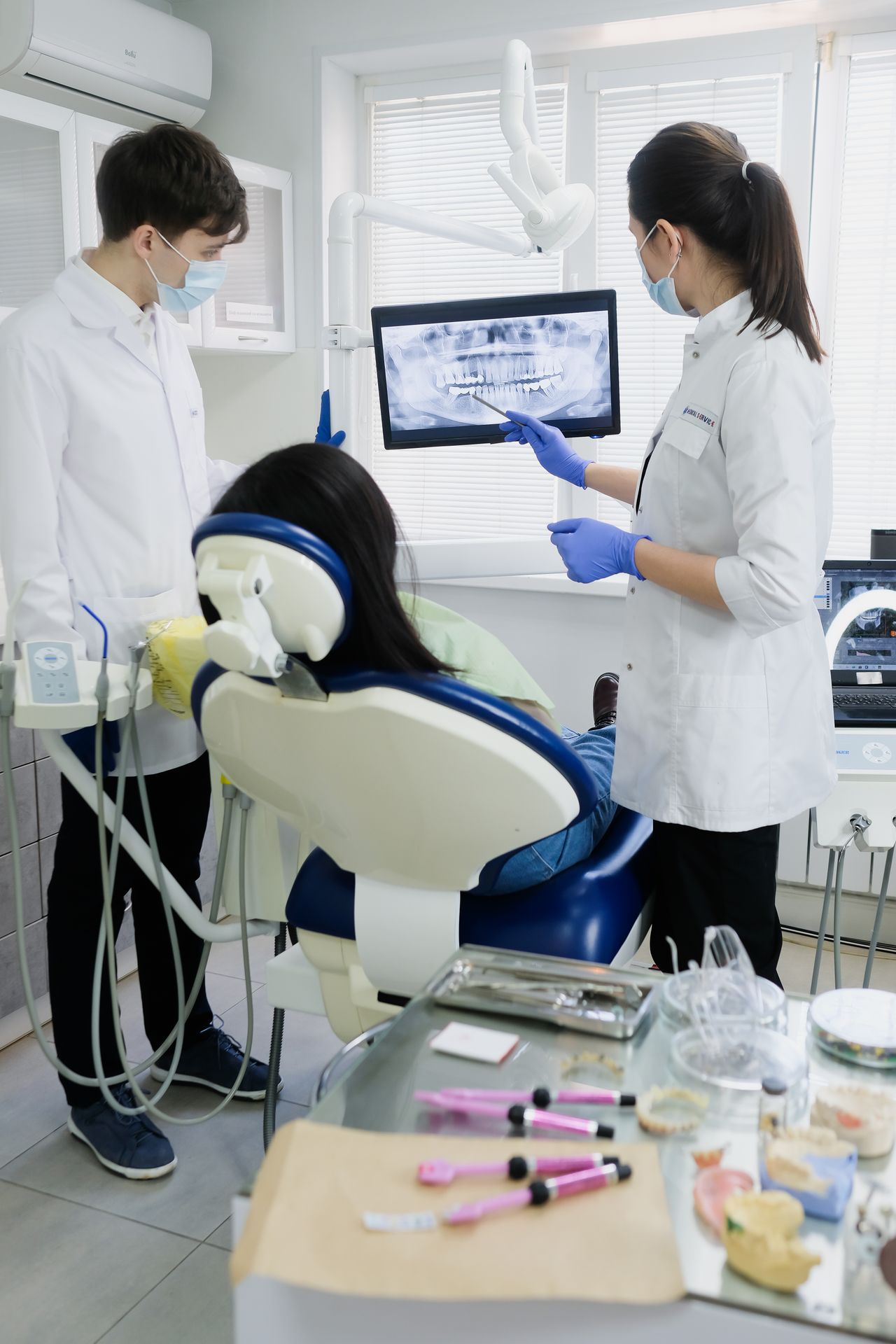
- Assessment: Gum pocket measurements, X-rays and sometimes 3D imaging show where bone and gums have been affected.
- Numbing: Topical gel followed by local anesthetic for the area being treated.
- Ultrasonic scaling: Vibrating tips and water spray break up hardened tartar.
- Hand scaling: Fine instruments remove remaining deposits from root surfaces.
- Root planing: Root surfaces are smoothed to support healing.
- Optional laser therapy: Dental lasers can reduce bacteria in pockets and support tissue healing.
- Rinse and instructions: Antimicrobial rinse and personalized home care guidance.
- Re-evaluation: Pockets are rechecked after several weeks to measure healing.
Types of Dental Treatments Related to Gum Health
- General dentistry: Exams, cleanings, X-rays and early detection.
- Periodontal care: Deep cleaning, maintenance cleanings and laser-assisted therapy.
- Restorative dentistry: Crowns and bridges for teeth weakened by disease.
- Implant dentistry: Replacing teeth lost to advanced periodontitis.
- Sleep apnea dentistry: Addressing mouth breathing and dry mouth that can worsen gum inflammation.
- Emergency dentistry: Treating gum abscesses or painful flare-ups.
Traditional Crowns vs CEREC Same-Day Crowns for Weakened Teeth
When gum disease has been treated but a tooth is also broken down, a crown may be needed. Here is how two common approaches compare:
| Feature | Traditional Crown | CEREC Same-Day Crown |
|---|---|---|
| Visits | Two or more | One |
| Temporary crown | Yes | No |
| Impression | Physical material or scan | Digital 3D scan |
| Fabrication | Outside lab | Milled in office |
The Oral-Systemic Connection
Periodontal disease is more than a mouth problem. Chronic gum inflammation is associated with heart disease, type 2 diabetes, adverse pregnancy outcomes and respiratory infections. Bacteria and inflammatory markers from infected gums can enter the bloodstream. Diabetes and gum disease also influence each other: poorly controlled blood sugar worsens gum disease, and treating gum disease can help improve blood sugar control. Sleep apnea and mouth breathing can dry the mouth and increase inflammation. This is why complete health dentistry considers your gums, airway and general health together.
Myths About Deep Cleanings and Dental Technology
Myth: Deep cleaning loosens teeth
Deep cleaning removes tartar that was holding inflamed tissue apart. Teeth may briefly feel different, but as gums heal they typically become firmer, not looser.
Myth: A regular cleaning is enough if I have gum disease
Regular cleanings cannot reach deep pockets. Untreated deposits continue to destroy bone.
Myth: Laser dentistry is just a gimmick
Dental lasers are well-established tools that can reduce bacteria and support healing when used appropriately by trained clinicians.
Myth: Gum disease has nothing to do with sleep
Mouth breathing and dry mouth linked with sleep-disordered breathing can increase plaque and inflammation.
Real Patient Scenarios
The avoider
A man who had not seen a dentist in six years came in because of bleeding gums. He needed deep cleaning in all four quadrants. With anesthetic and two short visits, he reported only mild soreness. Three months later, his pockets had shrunk and bleeding had nearly stopped.
The diabetic patient
A woman with type 2 diabetes had moderate periodontitis. After deep cleaning and regular maintenance, her gums stabilized, and her physician noted improved blood sugar readings.
The snorer with gum inflammation
A patient with persistent inflamed gums despite good brushing was found to be a heavy mouth breather. Home sleep testing revealed sleep apnea. Treating his airway alongside periodontal care improved his gum health.
Common Mistakes Patients Make
- Delaying deep cleaning because it sounds painful
- Skipping the second appointment once the first side feels better
- Not returning for periodontal maintenance visits
- Stopping flossing because gums bleed
- Continuing to smoke during healing
Aftercare and Prevention Tips
- Rinse with warm salt water for the first few days to soothe gums.
- Brush gently with a soft brush starting the same day.
- Use a desensitizing toothpaste if teeth are sensitive.
- Resume flossing or interdental brushing as directed.
- Avoid smoking, which slows healing.
- Keep periodontal maintenance visits, often every three to four months.
- Manage related health conditions such as diabetes and sleep apnea.
How to Choose the Right Dental Clinic in Oakville
- Look for a team that measures gum pockets and explains results clearly.
- Ask about comfort options such as anesthetic, sedation and laser therapy.
- Choose a clinic with modern diagnostics like CBCT imaging.
- Prefer a practice that connects oral health to your overall health.
- Confirm that dentists are registered with the Royal College of Dental Surgeons of Ontario (RCDSO).
Gum Care at Palermo Village Dental
Palermo Village Dental is one of the best dental clinics in Oakville, with a vision to make 10,000 people in Oakville healthier within 10 years. As a family dentist in Oakville focused on complete health dentistry, the team connects gum health with systemic wellness and offers sleep apnea screening and management alongside full dental services.
Advanced technology includes the SOLEA laser, CBCT imaging, CEREC same-day crowns, MATRx Plus home sleep testing, the SleepImage Ring and the Solea Sleep laser for snoring treatment. The clinic is located at Suite #290, 2525 Old Bronte Rd, Oakville, ON L6M 4J2, with free on-site parking available.
Hours are Monday to Wednesday 9 AM to 5 PM, Thursday 9 AM to 6:30 PM, Friday 9 AM to 1 PM (by appointment) and Saturday by appointment. Call 647-584-0017 or email info@palermovillagedental.com with any questions about deep cleaning.
Disclaimer: This article is for general information only. Your treatment plan depends on a professional periodontal assessment. Contact your dental office if you experience swelling, fever or pain that worsens after treatment.
What Happens If You Skip a Recommended Deep Cleaning?
Gum disease is usually painless in its early and middle stages, which is why many people postpone treatment. Unfortunately, the infection keeps working quietly beneath the gums. Over time, untreated periodontitis can lead to:
- Progressive bone loss around the roots
- Gum recession that exposes sensitive root surfaces
- Widening gaps and shifting teeth
- Painful gum abscesses
- Loose teeth that may eventually need extraction
- More complex and lengthy treatment later, such as gum surgery, bone grafting or implants
Bone lost to periodontitis does not grow back on its own. Treating the infection early is the best way to preserve what you have.
Comfort Options for Anxious Patients
If fear of discomfort is holding you back, talk to your dental team about ways to make treatment easier:
- Topical numbing gel before injections, so you barely feel the anesthetic.
- Shorter appointments that treat one area at a time.
- Hand signals to pause whenever you need a break.
- Headphones or music to reduce the sound of instruments.
- Laser-assisted therapy, which can be gentler on inflamed tissue in some cases.
- Sedation options for patients with significant anxiety.
A good dental team will never rush you. Knowing that you are in control of the pace often makes the biggest difference of all.
Periodontal Maintenance: The Step After Deep Cleaning
Once gums have healed, periodontal maintenance visits replace routine cleanings. These appointments, usually every three to four months, clean below the gum line, remeasure pockets and catch any return of inflammation early. Patients who keep these visits are far more likely to keep their teeth long term.
Frequently Asked Questions
How long does a deep cleaning take?
Each session usually takes about one to two hours, depending on how many areas are treated.
How long will my gums be sore after a deep cleaning?
Most soreness fades within one to three days. Sensitivity to temperature can last a little longer but steadily improves.
Can I eat after a deep cleaning?
Yes, once the numbness wears off. Choose soft foods and avoid very hot, spicy or crunchy items for a day or two.
Will I need another deep cleaning in the future?
Many patients only need it once if they keep up with maintenance visits and home care. Some areas may need retreatment if pockets remain deep.
Is a deep cleaning safe during pregnancy?
Treating gum disease during pregnancy is generally considered safe and beneficial, especially in the second trimester. Discuss timing with your dental and medical providers.
Conclusion
A deep cleaning is usually comfortable thanks to local anesthetic, with only mild soreness afterward.
It is the standard first step in treating gum disease and protecting the bone that supports your teeth.
Early care and regular maintenance help keep your gums, and your overall health, in better shape.