Diabetes affects your teeth and gums by raising your risk of gum disease, dry mouth, tooth decay, fungal infections, and slow healing after dental treatment. High blood sugar weakens the body’s ability to fight bacteria, while active gum infection can make blood sugar harder to control. These oral problems are common in people with diabetes but are not inevitable, and with good daily care and regular visits to a trusted dental clinic, most complications can be prevented or managed.
If you live with type 1 or type 2 diabetes, you already juggle appointments, medications, and monitoring. Adding the dentist to that list may feel like one more task. Yet your mouth offers early clues about how well diabetes is controlled, and treating gum problems can support better blood sugar levels. Regular general dentistry visits are one of the most practical ways to protect both your smile and your overall health.
When gums are already inflamed or pulling away from the teeth, targeted periodontal care can remove infection below the gumline and help stabilize the supporting bone.
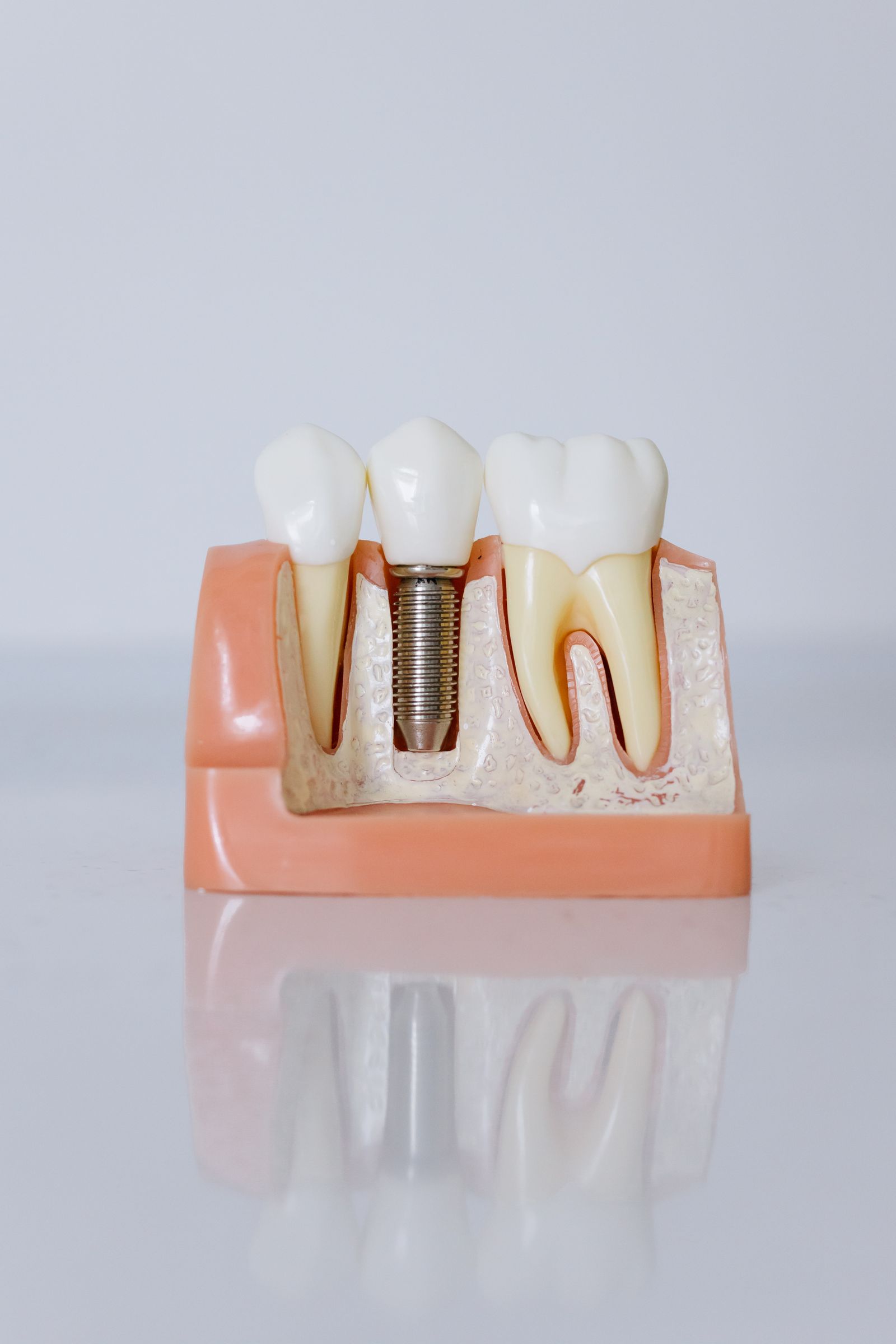
For people who have lost teeth, dental implants can still be an option when diabetes is well controlled, and damaged teeth can often be restored in one visit with CEREC same-day crowns, which reduces the number of appointments. Below, we explain the two-way link between diabetes and oral health, the warning signs to watch for, and how a complete health dentistry approach helps.
How Does Diabetes Affect Oral Health?
Diabetes affects blood vessels, immune response, and saliva, all of which play a role in keeping the mouth healthy. When blood sugar levels are high, glucose levels in saliva can also rise, feeding bacteria that cause plaque and decay. Reduced blood flow and a weaker immune response make it harder to fight infection and slow healing after procedures such as extractions or gum treatment.
The Two-Way Relationship Between Diabetes and Gum Disease
Researchers describe the connection between diabetes and periodontitis as bidirectional:
- Diabetes increases gum disease risk: People with poorly controlled diabetes are significantly more likely to develop severe periodontitis.
- Gum disease makes diabetes harder to control: Chronic gum inflammation releases inflammatory substances into the bloodstream that can increase insulin resistance.
- Treatment helps both: Studies show that treating periodontitis can modestly lower HbA1c levels, a key measure of long-term blood sugar control.
This is why many physicians now encourage patients with diabetes to keep up with dental care, and why dental teams ask about your diabetes management at each visit.
Common Oral Problems in People With Diabetes
Gum Disease
Bleeding, swollen gums, deep pockets, receding gums, and loose teeth are more common and often more severe.
Dry Mouth (Xerostomia)
High blood sugar and some diabetes medications reduce saliva. Less saliva means more decay, sore tissues, and bad breath.
Tooth Decay
More sugar in saliva and less protective saliva flow increase cavity risk, especially along the gumline.
Oral Thrush
A fungal infection that causes white patches and soreness, more common when blood sugar is high or dentures are worn overnight.
Slow Healing
Extractions, oral surgery, and gum treatment may take longer to heal, with a higher risk of infection.
Burning Mouth and Taste Changes
Some people with diabetes notice a burning sensation or altered taste.
Warning Signs You Should Not Ignore
- Gums that bleed when you brush or floss
- Red, swollen, or tender gums
- Persistent bad breath
- Loose teeth or changes in your bite
- A dry, sticky feeling in your mouth
- White patches or sore spots that do not heal
- Sores that take longer than two weeks to heal
The Complete Health Dentistry Approach to Diabetes
Complete health dentistry looks at your mouth as part of your whole body. For patients with diabetes, that means asking about your latest blood sugar readings and HbA1c, reviewing medications, screening for sleep apnea (which is common in people with type 2 diabetes and affects glucose control), and coordinating care with your physician. It also means planning treatment at times when blood sugar is stable and adjusting healing expectations accordingly.
What to Expect at Your First Visit: Step by Step
- Health review: Discussion of diabetes type, control, medications, and any complications.
- Gum assessment: Pocket measurements and bleeding checks around every tooth.
- Imaging: Digital X-rays or CBCT imaging to assess bone levels.
- Soft tissue and oral cancer screening: Checking for thrush, sores, and dryness.
- Sleep and airway screening: Questions about snoring, fatigue, and sleep quality.
- Personalized plan: Priorities are explained clearly, including cleaning frequency and treatment timing.
- Coordination: Findings can be shared with your physician with your permission.
Traditional Crowns vs CEREC Same-Day Crowns for Patients With Diabetes
- Traditional crowns: Two appointments, lab fabrication, and a temporary crown for about two weeks, which can loosen or irritate gums.
- CEREC same-day crowns: A digital scan, in-office design, and milling allow a permanent ceramic crown in one visit. Fewer appointments and no temporary can be especially helpful for patients managing meals and medication timing.
Common Myths About Diabetes and Dental Care
Myth: People with diabetes cannot get dental implants.
Fact: Many people with well-controlled diabetes are good implant candidates with careful planning.
Myth: Gum problems are just part of having diabetes.
Fact: Gum disease is more likely but largely preventable with good care and regular visits.
Myth: Dental treatment should be avoided if blood sugar is high.
Fact: Urgent infections should still be treated. Elective treatment may be timed for better control.
Real Patient Scenarios
Scenario 1: A patient with type 2 diabetes has bleeding gums and rising HbA1c. After scaling and root planing and maintenance every three months, his gums improve and his physician notes better readings.
Scenario 2: A patient with dry mouth from medication develops cavities along the gumline. Prescription fluoride, saliva substitutes, and dietary changes slow new decay.
Scenario 3: A patient with type 1 diabetes needs a crown on a cracked molar. A CEREC same-day crown means just one appointment scheduled after a normal meal.
Common Mistakes People With Diabetes Make
- Skipping dental visits when life gets busy.
- Not telling the dentist about diabetes or recent changes in control.
- Arriving for treatment without eating or taking medication as usual.
- Ignoring bleeding gums or dry mouth.
- Sleeping in dentures, which increases thrush risk.
Daily Tips to Protect Your Mouth
- Keep blood sugar within your target range as closely as possible.
- Brush twice daily with fluoride toothpaste and clean between teeth daily.
- Drink water often and chew sugar-free gum to relieve dry mouth.
- Avoid smoking and vaping.
- Remove and clean dentures every night.
- Schedule checkups and cleanings as often as your dentist recommends, often every three to four months.
Safety Disclaimer
Bring your glucose meter and a fast-acting sugar source to dental appointments, eat and take medications as usual unless instructed otherwise, and tell the team immediately if you feel shaky, sweaty, or confused, which may signal low blood sugar. This article is educational and not a substitute for medical advice. Dental care should be provided by licensed professionals registered with the Royal College of Dental Surgeons of Ontario (RCDSO).
How to Choose a Dentist in Oakville When You Have Diabetes
Look for a clinic that asks about your medical history in depth, measures gum health at every visit, offers flexible scheduling, and is comfortable coordinating with your physician. Advanced tools such as laser therapy for gum treatment and 3D imaging for implant planning can make care more precise and comfortable.
Palermo Village Dental is one of the best dental clinics in Oakville, with a vision to make 10,000 people in Oakville healthier within 10 years. It specializes in complete health dentistry, connecting oral health to overall systemic wellness. Technology includes CEREC same-day crowns, the SOLEA laser, CBCT imaging, MATRx Plus home sleep testing, the SleepImage Ring, and the Solea Sleep laser for snoring, alongside sleep apnea screening and management and full dental services.
Visit Suite #290, 2525 Old Bronte Rd, Oakville, ON L6M 4J2, where free on-site parking is available. Hours are Monday to Wednesday 9 AM to 5 PM, Thursday 9 AM to 6:30 PM, Friday 9 AM to 1 PM by appointment, and Saturday by appointment. Call 647-584-0017 or email info@palermovillagedental.com to book with a family dentist in Oakville who understands diabetes. Many patients consider it the best dental clinic in Oakville for whole-body care.
Diabetes, Sleep Apnea, and Your Mouth
Obstructive sleep apnea is common among people with type 2 diabetes. Repeated breathing interruptions during sleep lower oxygen levels and trigger stress hormones that raise blood sugar and increase insulin resistance. Poor sleep also affects appetite, energy, and motivation to exercise, making diabetes harder to manage.
Sleep apnea can also affect the mouth directly. Many people with sleep apnea breathe through their mouths at night, which dries the tissues and increases the risk of decay and gum inflammation. Some grind their teeth as the body tries to reopen the airway.
Dentists are often the first to notice signs such as worn teeth, a scalloped tongue, a narrow airway, or reports of loud snoring. Home sleep testing makes screening convenient, and oral appliance therapy can be an effective treatment for many people with mild to moderate sleep apnea. Treating sleep apnea may support better blood sugar control, more energy, and healthier gums, which is why sleep screening is part of complete health dentistry.
Planning Dental Treatment Around Blood Sugar
Simple planning makes dental visits safer and more comfortable for people with diabetes:
- Book morning appointments when possible, as blood sugar is often more stable.
- Eat your usual meal and take medications as prescribed unless your dentist or physician advises otherwise.
- Check your blood sugar before the appointment.
- Bring your meter and a fast-acting sugar source.
- Tell the team about recent changes in control, medications, or insulin doses.
- Ask for written aftercare instructions, especially after surgery.
- Plan soft, balanced meals during recovery to keep blood sugar steady.
If your blood sugar is very high or very low on the day of a planned elective procedure, your dental team may suggest rescheduling. Urgent infections, however, should still be treated promptly, since infection itself raises blood sugar and can delay healing further.
Can Your Dentist Spot Undiagnosed Diabetes?
Sometimes, yes. Severe or rapidly progressing gum disease, frequent gum abscesses, persistent dry mouth, slow-healing sores, and recurrent thrush can all be signs of undiagnosed or poorly controlled diabetes. When a dentist notices these patterns, especially in someone with other risk factors such as a family history, excess weight, or high blood pressure, they may recommend seeing a physician for blood sugar testing. Early detection allows earlier treatment, which benefits both oral and overall health.
Frequently Asked Questions
Can gum disease raise my blood sugar?
Yes. Chronic gum inflammation can increase insulin resistance and make blood sugar harder to control.
How often should people with diabetes see the dentist?
At least twice a year, and often every three to four months if gum disease is present.
Is it safe to have a tooth extracted if I have diabetes?
Yes, with good blood sugar control and careful aftercare. Healing may take slightly longer.
Why is my mouth always dry?
High blood sugar and some medications reduce saliva. Your dentist can recommend products and strategies to help.
Can dental implants work for people with diabetes?
Yes, in many cases, especially when diabetes is well controlled and gums are healthy.
Conclusion
Diabetes increases the risk of gum disease, dry mouth, decay, and slow healing, and gum disease can make diabetes harder to control.
These problems are common but largely preventable with good home care and regular dental visits.
A complete health approach that coordinates with your physician protects both your smile and your overall wellness.