
Yes, research shows a strong link between gum disease and heart health. People with periodontitis have a higher risk of cardiovascular disease, likely because chronic gum inflammation and bacteria entering the bloodstream contribute to inflammation in blood vessels. Gum disease is very common and often painless, and while it does not directly cause a heart attack, it is a serious, treatable risk factor that a top dental office in Oakville can help you control.
Many patients are surprised to hear their dentist ask about blood pressure, medications, or heart conditions. That is because the mouth is not separate from the rest of the body. For people worried about both their smile and their overall health, finding a clinic that understands this connection can feel reassuring. Treating inflamed gums through dedicated periodontal care is one of the most practical steps you can take to lower whole-body inflammation.
Regular checkups and cleanings through general dentistry help catch gum disease before it progresses to bone loss.
Sleep also plays a role. Untreated obstructive sleep apnea is itself linked to high blood pressure and heart disease, which is why many patients benefit from sleep apnea management alongside gum care. If you are ready for a thorough assessment, you can book an appointment online. Below, we explain how gum disease and heart health are connected, what the science does and does not show, and how a complete health approach protects both.
What Is Gum Disease?
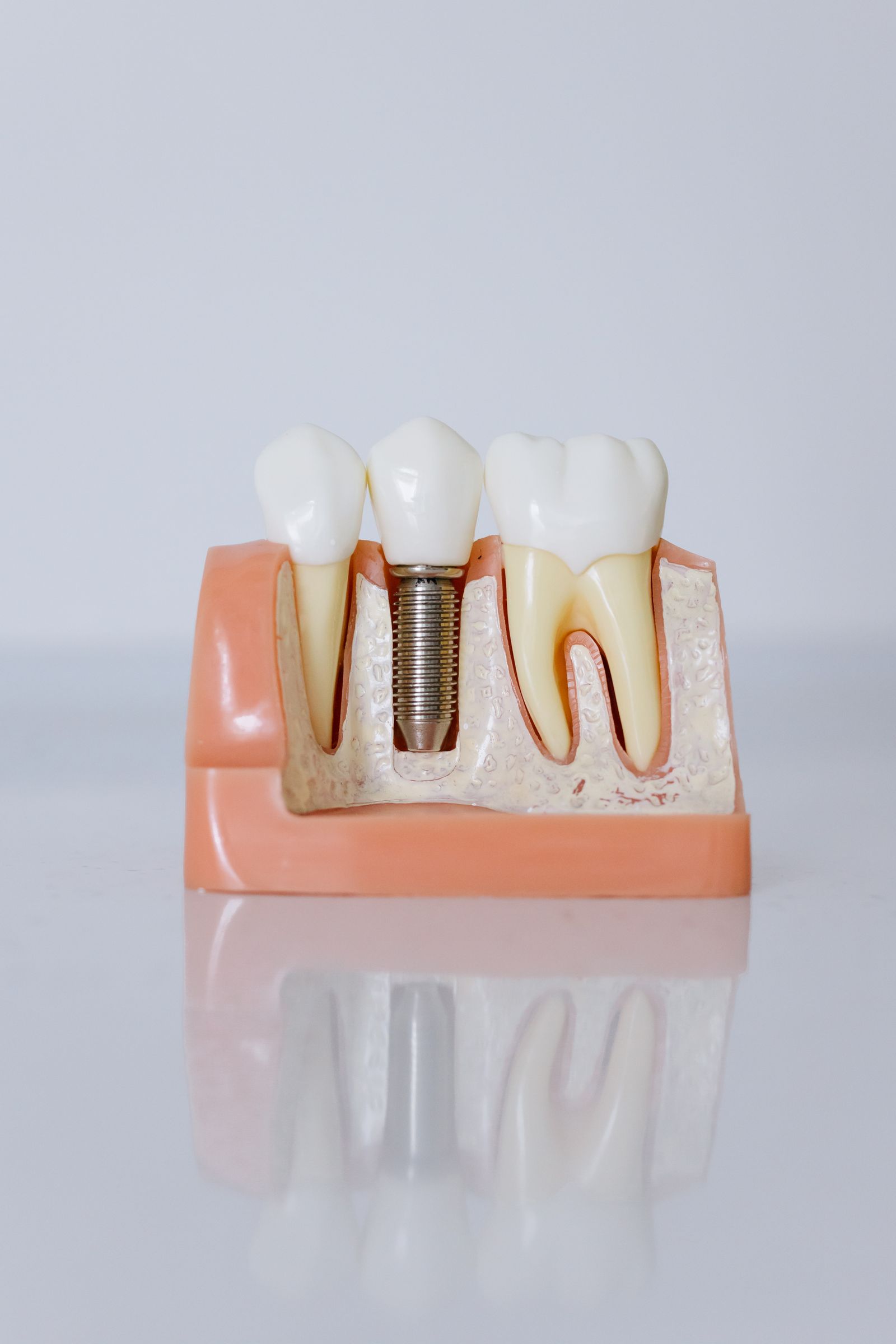
Gum disease, or periodontal disease, is a chronic inflammatory condition caused by bacteria in dental plaque. It begins as gingivitis, where gums become red, swollen, and bleed easily. Gingivitis is reversible. If it progresses to periodontitis, the infection moves below the gumline, creating pockets and gradually destroying the bone and ligaments that support the teeth.
How Are Gum Disease and Heart Disease Connected?
Scientists have studied this relationship for decades. The evidence points to several mechanisms:
- Bacteria in the bloodstream: Inflamed, ulcerated gum pockets allow oral bacteria to enter the bloodstream during chewing and brushing. Some of these bacteria have been found in arterial plaque.
- Systemic inflammation: Periodontitis raises inflammatory markers such as C-reactive protein, which are also associated with atherosclerosis.
- Shared risk factors: Smoking, diabetes, poor diet, stress, and age increase the risk of both conditions.
- Blood vessel function: Studies suggest treating gum disease may improve how well blood vessels function.
What the Evidence Does and Does Not Show
Major health organizations recognize an association between periodontal disease and cardiovascular disease. However, research has not proven that gum disease directly causes heart disease or that treating gums alone prevents heart attacks. The most accurate way to view it is as a modifiable risk factor that adds to your overall inflammatory burden.
Signs of Gum Disease to Watch For
- Gums that bleed when brushing or flossing
- Red, swollen, or tender gums
- Persistent bad breath or a bad taste
- Gums pulling away from teeth
- Loose or shifting teeth
- Pus between teeth and gums
- Changes in how your teeth fit together
Who Is at Higher Risk?
- Smokers and vapers
- People with diabetes
- Those with a family history of gum disease or heart disease
- People with obstructive sleep apnea
- Adults over 40
- Those under chronic stress
- People taking medications that cause dry mouth
What Is Complete Health Dentistry?
Complete health dentistry is an approach that treats the mouth as a gateway to overall wellness. Instead of looking only at teeth, the dental team considers how gum inflammation, breathing, sleep quality, and bite relate to conditions like heart disease, diabetes, and fatigue. Screening for sleep-disordered breathing, discussing medical history in depth, and coordinating with your physician are part of this model.
How Is Gum Disease Treated?
- Comprehensive exam: Measuring pocket depths, checking bleeding points, and reviewing medical history.
- Imaging: Digital X-rays or CBCT scans show bone levels around teeth.
- Scaling and root planing: Deep cleaning removes bacteria and tartar from below the gumline.
- Laser-assisted therapy: Advanced lasers such as SOLEA can help treat inflamed tissue with minimal discomfort.
- Home care coaching: Personalized brushing and interdental cleaning instructions.
- Periodontal maintenance: Cleanings every three to four months to keep bacteria under control.
- Re-evaluation: Measuring improvements and adjusting the plan.
Traditional Crowns vs CEREC Same-Day Crowns
Gum disease is often linked with teeth that have been weakened by decay or old restorations. When those teeth need crowns, patients can choose between two approaches.
- Traditional crowns: Two visits, impressions sent to a lab, and a temporary crown for about two weeks.
- CEREC same-day crowns: Digital scanning, in-office design and milling, and a permanent ceramic crown placed in a single visit. No temporary crown means less chance of gum irritation from a loose temporary.
Well-fitting crowns with smooth margins help keep gums healthy by reducing places for plaque to collect.
Common Myths About Gum Disease and Heart Health
Myth: Bleeding gums are normal.
Fact: Bleeding is a sign of inflammation and should be evaluated.
Myth: If my heart is healthy, my gums do not matter.
Fact: Gum health contributes to overall inflammation and long-term cardiovascular risk.
Myth: Treating gum disease will cure heart disease.
Fact: Gum treatment is one part of reducing risk, alongside medical care, diet, exercise, and not smoking.
Myth: Snoring is harmless.
Fact: Loud snoring can be a sign of sleep apnea, which is linked to heart problems and deserves screening.
Real Patient Scenarios
Scenario 1: A 55-year-old with high blood pressure notices bleeding gums. Periodontal charting shows moderate periodontitis. After deep cleaning and a three-month maintenance schedule, bleeding stops, and his physician is updated on his oral health.
Scenario 2: A patient with heart disease and loud snoring completes a home sleep test that reveals sleep apnea. An oral appliance and gum treatment are coordinated with her physician.
Scenario 3: A smoker with receding gums commits to quitting. Combined with gum therapy, his gum health stabilizes over the following year.
Common Mistakes Patients Make
- Ignoring bleeding gums because there is no pain.
- Not telling the dentist about heart conditions or medications such as blood thinners.
- Stopping maintenance visits once symptoms improve.
- Assuming snoring is just a nuisance.
- Waiting for loose teeth before seeking care.
Safety Disclaimer
This article is educational and does not replace medical advice. If you have heart disease, a heart valve condition, or take blood thinners, share this with your dental team before treatment, as special precautions may be needed. Chest pain or shortness of breath requires immediate medical attention. Dental care should be provided by licensed professionals registered with the Royal College of Dental Surgeons of Ontario (RCDSO).
Complete Health Dentistry in Oakville
Palermo Village Dental is one of the best dental clinics in Oakville, with a vision to make 10,000 people in Oakville healthier within 10 years. The clinic specializes in complete health dentistry, connecting oral health to overall systemic wellness.
Advanced technology includes CEREC same-day crowns, the SOLEA laser, CBCT imaging, MATRx Plus home sleep testing, the SleepImage Ring, and the Solea Sleep laser for snoring treatment. Sleep apnea screening and management are offered alongside full general, cosmetic, restorative, implant, and emergency dentistry.
The clinic is located at Suite #290, 2525 Old Bronte Rd, Oakville, ON L6M 4J2, with free on-site parking. Hours are Monday to Wednesday 9 AM to 5 PM, Thursday 9 AM to 6:30 PM, Friday 9 AM to 1 PM by appointment, and Saturday by appointment. Call 647-584-0017 or email info@palermovillagedental.com to connect with a dentist in Oakville who looks at the whole picture of your health.
What to Expect at Your First Visit: Step by Step
- Warm welcome and health history: A detailed review of medical conditions, medications, sleep habits, and concerns.
- Comprehensive exam: Teeth, gums, bite, jaw joints, and soft tissues are checked, including an oral cancer screening.
- Digital imaging: Low-dose X-rays or CBCT imaging as needed.
- Airway and sleep screening: Questions and, if appropriate, home sleep testing options.
- Personalized plan: Findings are explained clearly with options and priorities.
- Follow-up: Cleanings, treatment, and coordination with your physician when needed.
How to Choose the Right Dental Clinic in Oakville
- Look for a team that measures gum health at every checkup.
- Choose a clinic that asks about your overall health and sleep.
- Consider access to advanced technology such as lasers and 3D imaging.
- Check for convenient hours, parking, and emergency availability.
- Confirm the dentists are registered with the RCDSO.
Other Health Conditions Linked to Gum Disease
The heart is not the only part of the body affected by oral inflammation. Research has linked periodontal disease with several other conditions, which is why a complete health approach looks beyond the mouth.
- Diabetes: Gum disease can make blood sugar harder to control, and high blood sugar makes gum infections worse. Treating gums has been shown to support better glucose control in many patients.
- Stroke: Some studies suggest people with periodontitis have a higher risk of stroke, likely through shared inflammatory pathways.
- Respiratory infections: Oral bacteria can be inhaled into the lungs, a particular concern for older adults.
- Pregnancy complications: Severe gum disease has been associated with preterm birth and low birth weight.
- Rheumatoid arthritis: Both conditions involve chronic inflammation, and research continues to explore the connection.
These links do not mean gum disease causes each condition. They highlight that inflammation anywhere in the body can influence health elsewhere, and that keeping gums healthy is a practical, achievable way to reduce one source of inflammation.
Daily Habits That Protect Your Gums and Heart
- Brush twice daily for two minutes with a soft toothbrush, angling toward the gumline.
- Clean between your teeth every day with floss, interdental brushes, or a water flosser.
- Quit smoking and vaping, which harm both gums and blood vessels.
- Eat a diet rich in vegetables, fruit, whole grains, and healthy fats while limiting added sugars.
- Stay active, manage stress, and aim for restful sleep.
- Keep blood pressure, cholesterol, and blood sugar under control with your physician.
- Keep regular dental checkups and cleanings, more often if you have a history of gum disease.
These habits work together. Improving one area often makes it easier to improve another, creating a positive cycle for your long-term health.
Why Communication Between Your Dentist and Physician Matters
When your dental and medical teams share information, your care becomes safer and more effective. Your physician may want to know about active gum infection before certain heart procedures, and your dentist needs to know about blood thinners, heart valve conditions, and recent cardiac events before treatment. Bringing an up-to-date medication list to every dental visit and asking your dental team to send a summary to your family doctor are simple ways to make sure everyone is working together for your health.
Frequently Asked Questions
Can treating gum disease lower my heart disease risk?
Treating gum disease reduces inflammation in the mouth and may improve some markers of cardiovascular health, though it is not a substitute for medical treatment.
Should I tell my dentist about my heart condition?
Yes. Heart conditions and medications can affect dental treatment planning and safety.
How often should I have cleanings if I have gum disease?
Many patients with periodontitis benefit from maintenance cleanings every three to four months.
Is sleep apnea related to gum disease?
Studies suggest an association, and both conditions share links to inflammation and cardiovascular risk.
Can gum disease be reversed?
Gingivitis can be reversed. Periodontitis can be controlled, but lost bone does not fully return without specialized treatment.
Conclusion
Gum disease is linked to higher cardiovascular risk through inflammation and bacteria entering the bloodstream.
It is common, often painless, and highly treatable when caught early.
Healthy gums, good sleep, and regular dental care support both your smile and your heart.