Sleep apnea is a medical condition in which a person’s breathing repeatedly stops and starts during sleep, disrupting rest and reducing the oxygen supply to the brain and body. These pauses in breathing can last from a few seconds to over a minute and may occur hundreds of times per night without the sleeper being aware of them. If you suspect you or someone you live with may have sleep apnea, consulting a Dental Clinic in Oakville with expertise in sleep-disordered breathing is an important first step toward diagnosis and relief.
Sleep apnea is one of the most common sleep disorders in North America, yet it is significantly underdiagnosed. Many people live with it for years, attributing their fatigue, poor concentration, and morning headaches to stress or a busy lifestyle rather than a treatable medical condition. Palermo Village Dental is one of the best dental clinics in Oakville and offers comprehensive assessment and treatment options for patients with sleep-disordered breathing. Quality Dental Care in Oakville that addresses sleep health can be genuinely life-changing for patients who have been suffering without answers.
Types of Sleep Apnea
Obstructive Sleep Apnea (OSA)
Obstructive sleep apnea is the most common type, accounting for the vast majority of sleep apnea diagnoses. It occurs when the muscles at the back of the throat relax excessively during sleep, causing the soft tissues of the airway including the tongue, soft palate, and uvula to collapse inward and obstruct the airway. The brain registers the drop in oxygen and rouses the sleeper just enough to resume breathing, then the cycle repeats. This pattern prevents the patient from reaching the deep, restorative stages of sleep.
Central Sleep Apnea
Central sleep apnea is less common and results from a failure of the brain to send the appropriate signals to the muscles that control breathing. Unlike obstructive sleep apnea, there is no physical blockage; instead, the respiratory system simply pauses because the brain’s signalling is disrupted. This type is more frequently associated with conditions such as heart failure, stroke, or the use of certain medications.
Complex or Mixed Sleep Apnea
Some patients experience a combination of obstructive and central sleep apnea, referred to as complex or mixed sleep apnea. This type can be more challenging to treat and typically requires input from both a sleep specialist and other medical professionals.
Signs and Symptoms of Sleep Apnea
Sleep apnea produces a range of symptoms that are sometimes dismissed or attributed to other causes. Being informed about these warning signs allows for earlier diagnosis and treatment. A Dentist in Oakville trained in dental sleep medicine can identify many oral signs of sleep-disordered breathing during a routine examination, including worn teeth from grinding, a scalloped tongue, a high and narrow palate, and other indicators that prompt further investigation.
- Loud, persistent snoring that disturbs a partner
- Witnessed pauses in breathing during sleep
- Waking abruptly with a choking or gasping sensation
- Excessive daytime sleepiness despite an apparently adequate amount of sleep
- Morning headaches, dry mouth, or sore throat upon waking
- Difficulty concentrating, memory problems, or mood changes including irritability and depression
- Frequent nighttime urination
- Night sweats
Risk Factors for Sleep Apnea
- Excess body weight, which increases fat deposits around the upper airway
- A neck circumference greater than 40 centimetres in adults
- A narrowed airway due to naturally large tonsils, adenoids, or a recessed jaw
- Being male — men are significantly more likely to develop OSA, though the risk in women increases after menopause
- Age — sleep apnea is more common in people over 40, though it can affect anyone
- Smoking, which increases inflammation and fluid retention in the upper airway
- Alcohol and sedative use, which relaxes the throat muscles excessively
- A family history of sleep apnea
- Nasal congestion from allergies, sinusitis, or a deviated septum
How Is Sleep Apnea Diagnosed?
The gold standard for diagnosing sleep apnea is a sleep study, either conducted overnight in a sleep clinic (polysomnography) or at home using a portable monitoring device (home sleep test). Both types of study measure breathing patterns, oxygen saturation levels, heart rate, body position, and the frequency of breathing pauses throughout the night. The results are expressed as the Apnea-Hypopnea Index (AHI), which reflects the number of breathing events per hour:
- AHI of fewer than 5 events per hour: normal
- AHI of 5 to 14 events per hour: mild sleep apnea
- AHI of 15 to 29 events per hour: moderate sleep apnea
- AHI of 30 or more events per hour: severe sleep apnea
How Is Sleep Apnea Treated?
Continuous Positive Airway Pressure (CPAP)
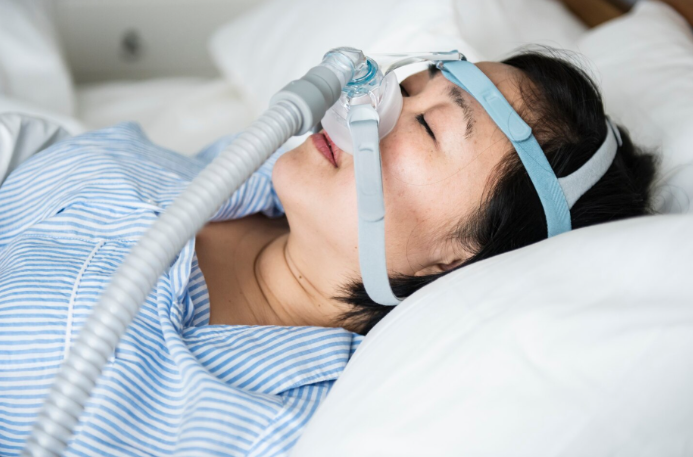
CPAP therapy is the most widely recognised treatment for moderate to severe obstructive sleep apnea. A CPAP machine delivers a continuous stream of pressurised air through a mask worn over the nose or mouth during sleep, keeping the airway open and preventing collapse. While highly effective, many patients struggle with CPAP compliance due to mask discomfort, noise, and the inconvenience of the equipment. Palermo Village Dental, located at 2525 Old Bronte Rd #290, Oakville, ON L6M 0R4, offers dental alternatives for patients who are CPAP-intolerant or who prefer a more convenient solution.
Oral Appliance Therapy
Oral appliance therapy (OAT) involves a custom-fitted mouthguard-like device worn during sleep that repositions the lower jaw slightly forward. This forward positioning keeps the airway open by preventing the soft tissues at the back of the throat from collapsing. Oral appliances are recommended for mild to moderate OSA and for patients with severe OSA who cannot tolerate CPAP. They are compact, silent, and do not require electricity, making them particularly convenient for travel.
Lifestyle Modifications
For mild cases, or as a complement to other treatments, lifestyle modifications can significantly improve sleep apnea severity:
- Weight loss, even a modest reduction, can substantially reduce OSA severity
- Sleeping on your side rather than on your back prevents the tongue from falling backward
- Reducing or eliminating alcohol and sedative use, particularly in the evening
- Treating nasal congestion or allergies that restrict airway flow
- Smoking cessation, which reduces airway inflammation
Surgical Options
For patients who do not respond adequately to other treatments, surgical options are available. These range from procedures to remove excess soft tissue from the throat (such as uvulopalatopharyngoplasty) to jaw advancement surgery and hypoglossal nerve stimulation, a newer technology that stimulates the tongue muscle to keep the airway open during sleep. Surgical candidacy depends on the anatomy of the airway and the severity and type of sleep apnea.
The Role of Dental Professionals in Sleep Apnea Treatment
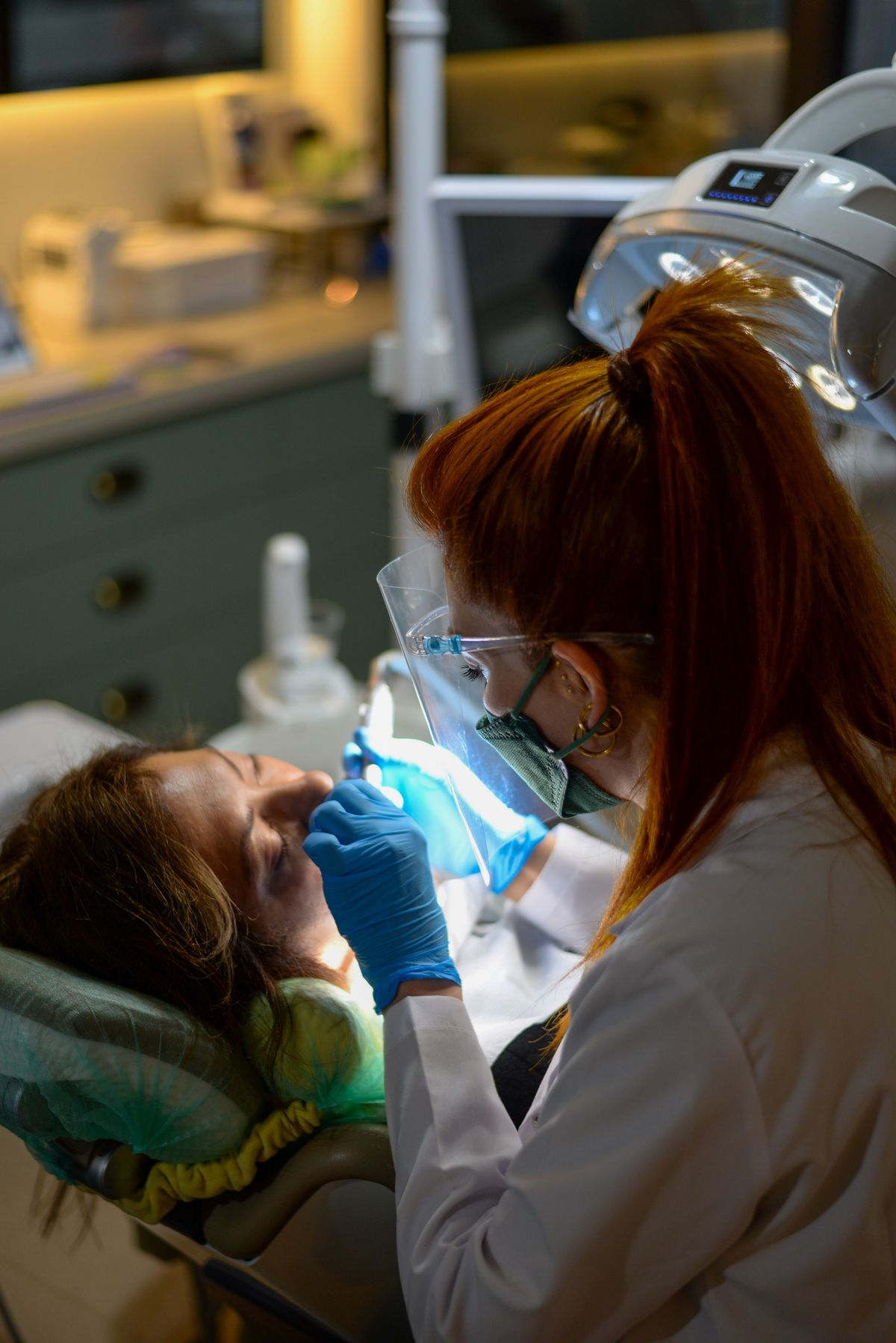
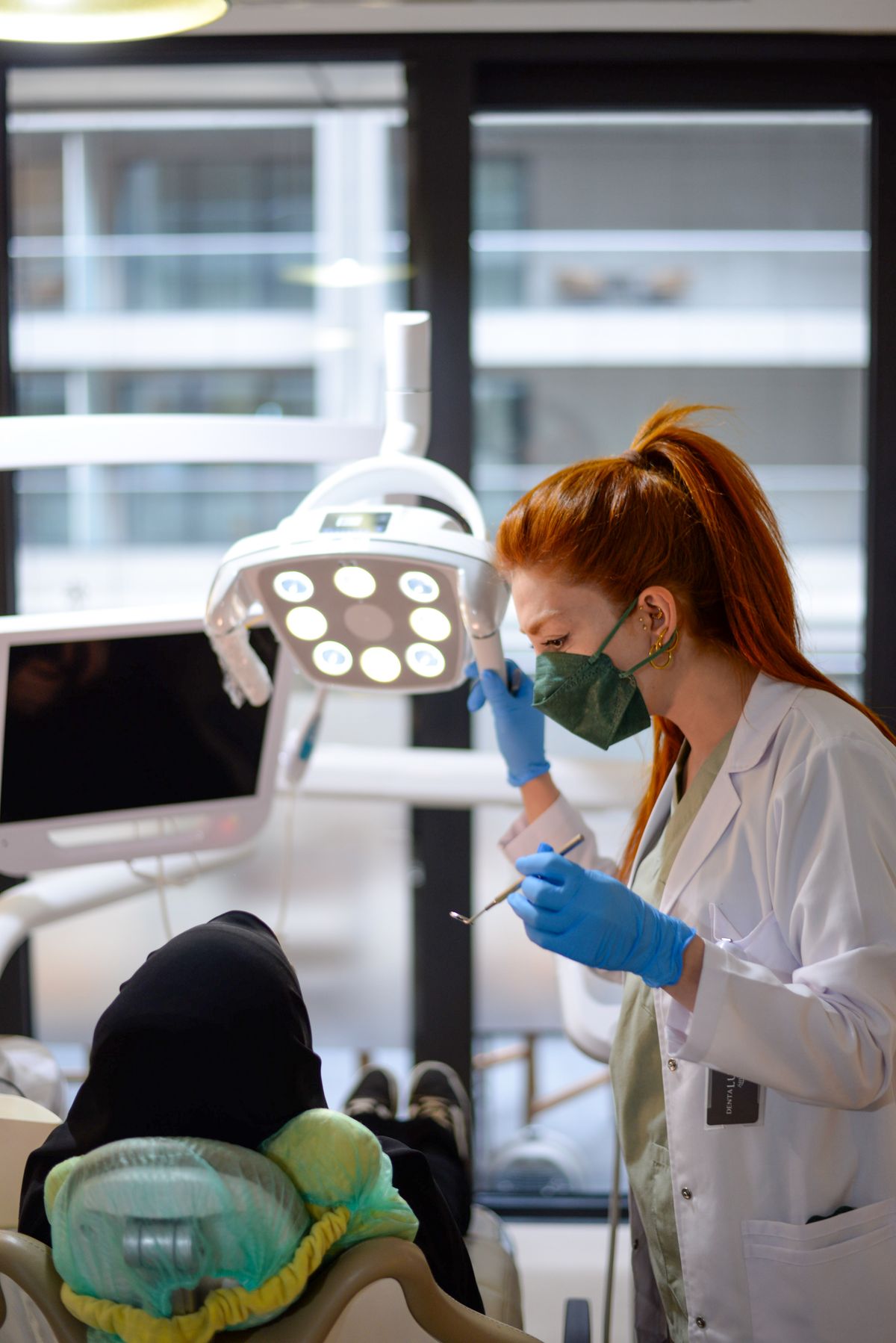
Dentists play an increasingly important role in the identification and management of sleep apnea. During routine dental examinations, signs of sleep-disordered breathing such as teeth grinding (bruxism), worn enamel, a narrow palate, or an enlarged tongue can prompt further investigation. Dental professionals trained in sleep medicine can fit and manage oral appliances, monitor patient outcomes, and collaborate with physicians and sleep specialists to deliver comprehensive care. To learn more about the options available, visit Sleep Apnea Treatment in Oakville to explore the full scope of services offered by Palermo Village Dental.
Frequently Asked Questions
Is sleep apnea dangerous?
Yes, untreated sleep apnea carries significant health risks. Chronic oxygen deprivation during sleep is associated with high blood pressure, heart disease, stroke, type 2 diabetes, and depression. It also significantly impairs driving ability, increasing the risk of motor vehicle accidents.
Can children have sleep apnea?
Yes. Paediatric sleep apnea is often caused by enlarged tonsils or adenoids and can affect a child’s growth, behaviour, and academic performance. Treatment often involves removing the tonsils or adenoids, and outcomes are generally very positive.
How do I know if my snoring is sleep apnea?
Not all snoring indicates sleep apnea, but snoring accompanied by witnessed breathing pauses, gasping, choking, excessive daytime sleepiness, or morning headaches warrants a formal sleep study. A professional assessment is the only reliable way to distinguish simple snoring from sleep apnea.
Can sleep apnea go away on its own?
Mild sleep apnea may improve with weight loss, positional changes, or lifestyle modifications. However, it rarely resolves entirely without intervention. Most patients require ongoing management to control the condition and reduce associated health risks.
What happens if I leave sleep apnea untreated?
Untreated sleep apnea leads to chronically poor sleep quality and the associated health consequences including cardiovascular disease, metabolic disorders, cognitive impairment, and mood disturbances. The earlier it is treated, the better the long-term health outcomes.
Conclusion
Sleep apnea is a serious but highly treatable condition that affects far more people than are currently diagnosed. Understanding its types, symptoms, and treatment options empowers individuals to seek professional help rather than accepting poor sleep as an unavoidable part of life. With the right diagnosis and a tailored treatment plan, the vast majority of sleep apnea patients achieve significantly better sleep quality and a meaningful reduction in associated health risks.